

Published May 5, 2026 04:03AM
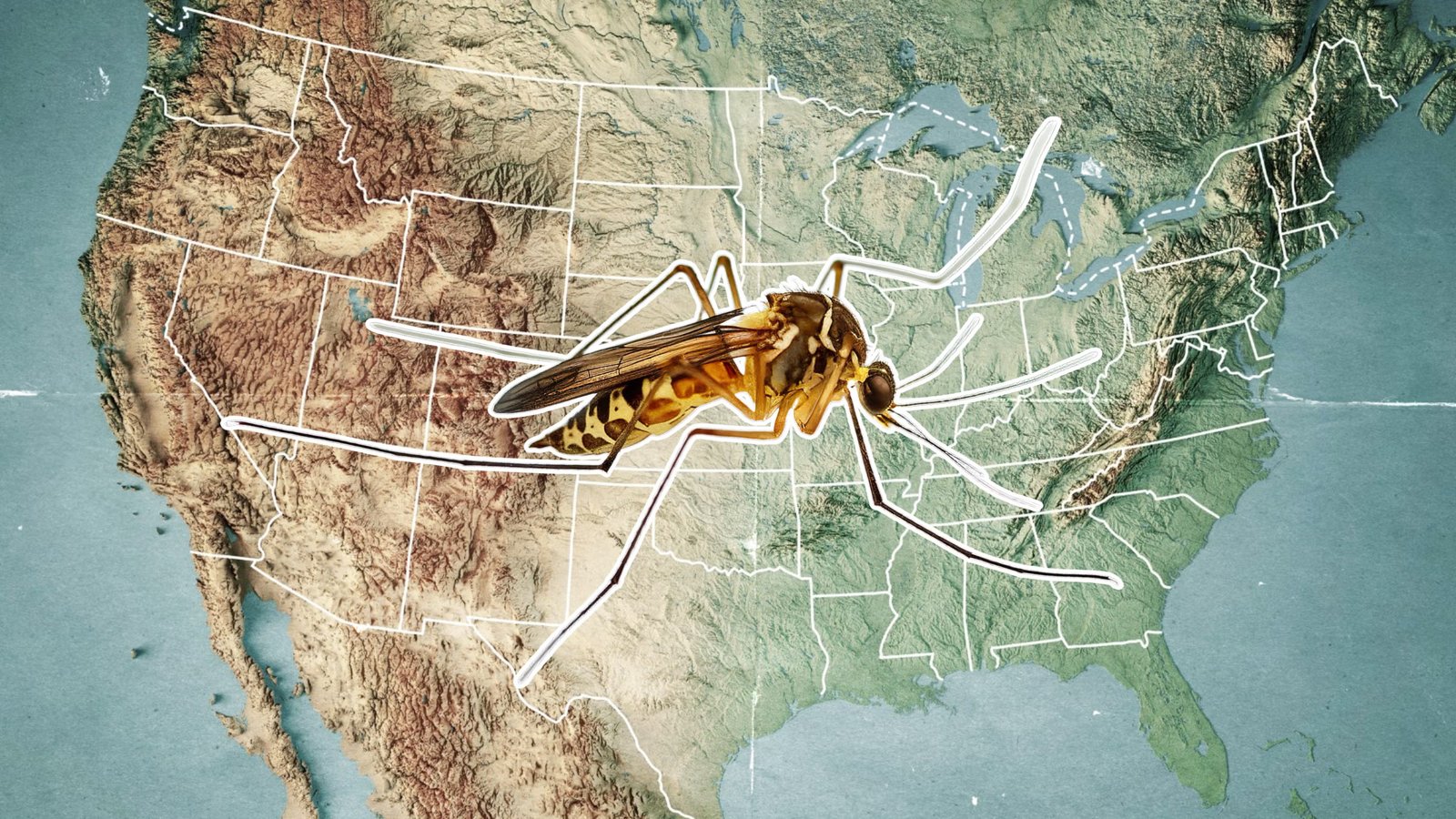
Springtime in the United States ushers in longer daylight hours and warmer weather, ideal for outdoor activities like kayaking, hiking, and cycling. Unfortunately, humidity, hot temperatures, and summer storms create the perfect conditions for mosquitoes to breed and multiply, increasing your chances of getting bit while visiting your favorite outdoor spot this summer. And yes, mosquitoes live in all 50 states, so even cooler, drier climates aren’t immune from these biting insects.
According to Sadie Ryan, PhD, professor of medical geography in the Department of Geography and the Emerging Pathogens Institute at the University of Florida, this spring’s El Niño system is expected to bring extra rainfall and flooding to the Southeastern U.S., which will only accelerate the rate at which mosquitoes breed.
“As climate change pushes northward in the U.S., warming temperatures and unpredictable weather events will continue to extend mosquito season in other states, especially for species like aedes and culex, which transmit dengue virus and West Nile virus,” she explains.
But there’s good news for outdoor enthusiasts looking to hit state parks and beaches this spring and summer. Of the 200 types of mosquitoes that live in the continental U.S. and territories, “only 12 types spread germs that can make people sick,” says Casey Crockett, PhD, a research entomologist at the Centers for Disease Control and Prevention (CDC)’s Division of Vector-Borne Diseases.
As Ryan explains, “mosquitoes in dense forest areas—particularly moist forests in warmer temperatures—or around the shores of your favorite lake or reservoir are more likely to be nuisance mosquitoes that cause lots of bites and welts, but with a lower risk of disease transmission.”
Don’t let mosquitoes derail those outdoor plans this season.
To avoid mosquito bites, Ryan recommends using bug spray and wearing long sleeves and long socks tucked into pants when in mosquito-prone locations, and regularly emptying planters, buckets, and other objects with standing water near campsites and recreational areas.
10 States with the Worst Mosquito Problems in 2026
Here are the states expected to have the worst mosquito problems this year, and how to keep them from interfering with the season’s best outdoor activities. If your state didn’t make the cut, mosquitoes still abound in areas with high-elevation forests like Mountain National Park and Glacier National Park, especially in warmer months after snow melts. Mosquitoes also thrive in shaded canyons, high desert oases like Joshua Tree National Park, and anywhere with stagnant or slow-moving water, so proper precautions in these areas are a must.
Texas
Types of mosquitoes: 85
Peak season: March to September
With Big Bend and Guadalupe Mountains National Parks anchoring its rugged western reaches, 81 official paddle trails threading its rivers and bays, and 367 miles of Gulf Coast shoreline, Texas is a great outdoor-adventure state. More than 85 species of mosquitoes can be found across the state, with the densest populations in the humid woodlands of East Texas and the low-lying coastal plain—but urban areas are far from immune.
Houston’s heavy annual rainfall makes it particularly susceptible, so stay alert when kayaking or exploring green spaces like Buffalo Bayou Park. Mosquitoes also congregate heavily around still, warm water like Austin’s Lady Bird Lake, where taking proper precautions is essential before cycling the 10[[ten]]-mile Butler Hike-and-Bike Trail or paddling the lake’s calm waters. The same goes for floating along the spring-fed rivers of the Hill Country, where cedar-lined banks and slow-moving currents create ideal breeding conditions by midsummer. Long sleeves are non-negotiable at dusk here.
Florida
Types of mosquitoes: 80
Peak season: March to September
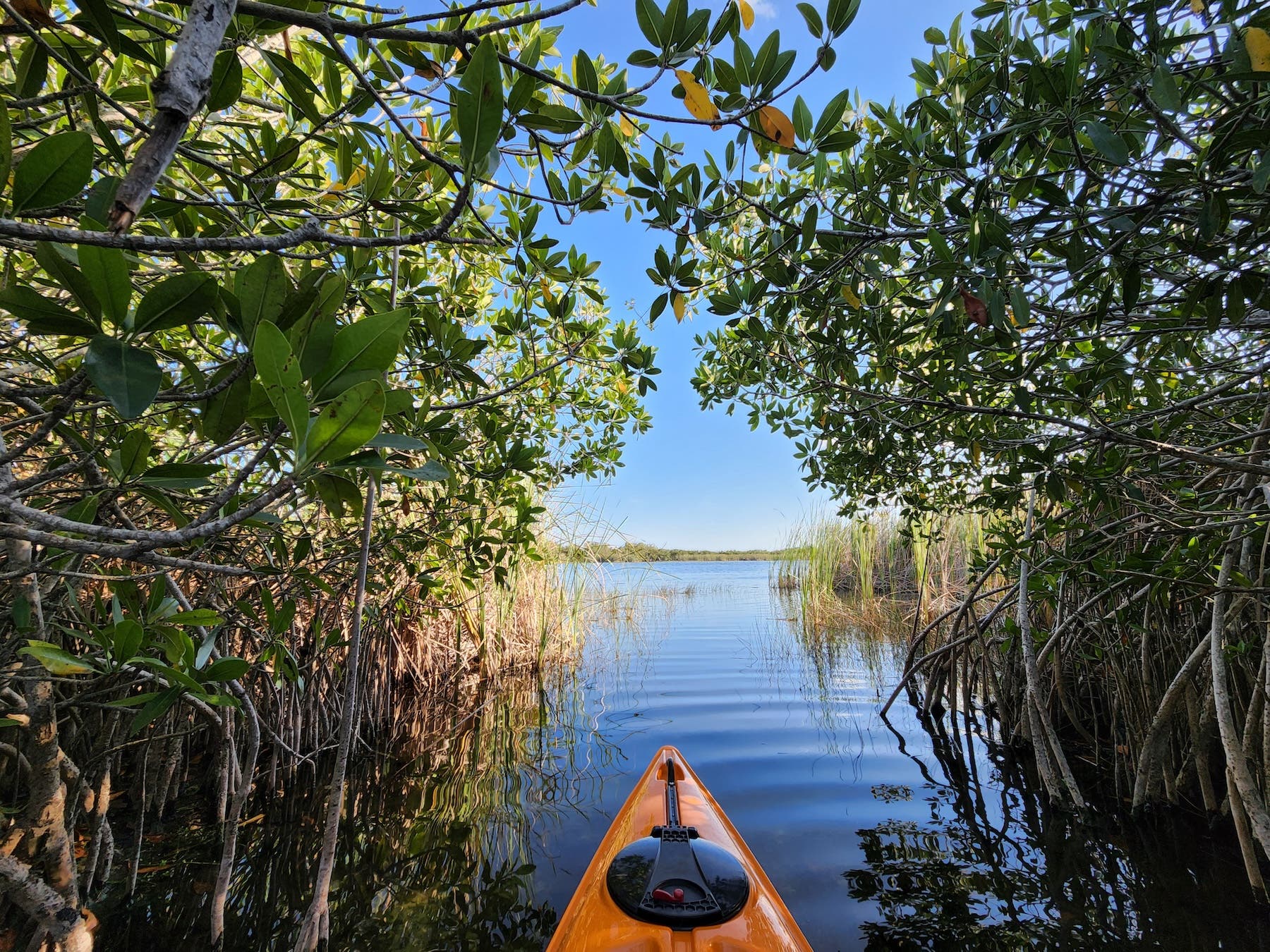
The Sunshine State boasts expansive national parks, ecosystems ranging from subtropical sawgrass prairie to living coral reef, and over 1,350 miles of coastline—the longest in the contiguous U.S. But the same warm, humid climate that makes Florida a year-round outdoor destination also sustains around 80 species of mosquitoes. In addition, the season’s hurricanes and tropical storms routinely flood low-lying areas and create standing water that sends populations surging for weeks after the water recedes.
In the Everglades, treat clothing with permethrin and tuck pants into socks before any dawn or dusk paddle—the sawgrass marshes offer no breeze and no escape. Save Florida Keys shoreline exploration for midday when sea breezes keep the mangrove edges tolerable, or stick to open-water snorkeling and diving to avoid the bugs altogether.
New York
Types of mosquitoes: 70
Peak season: May to September
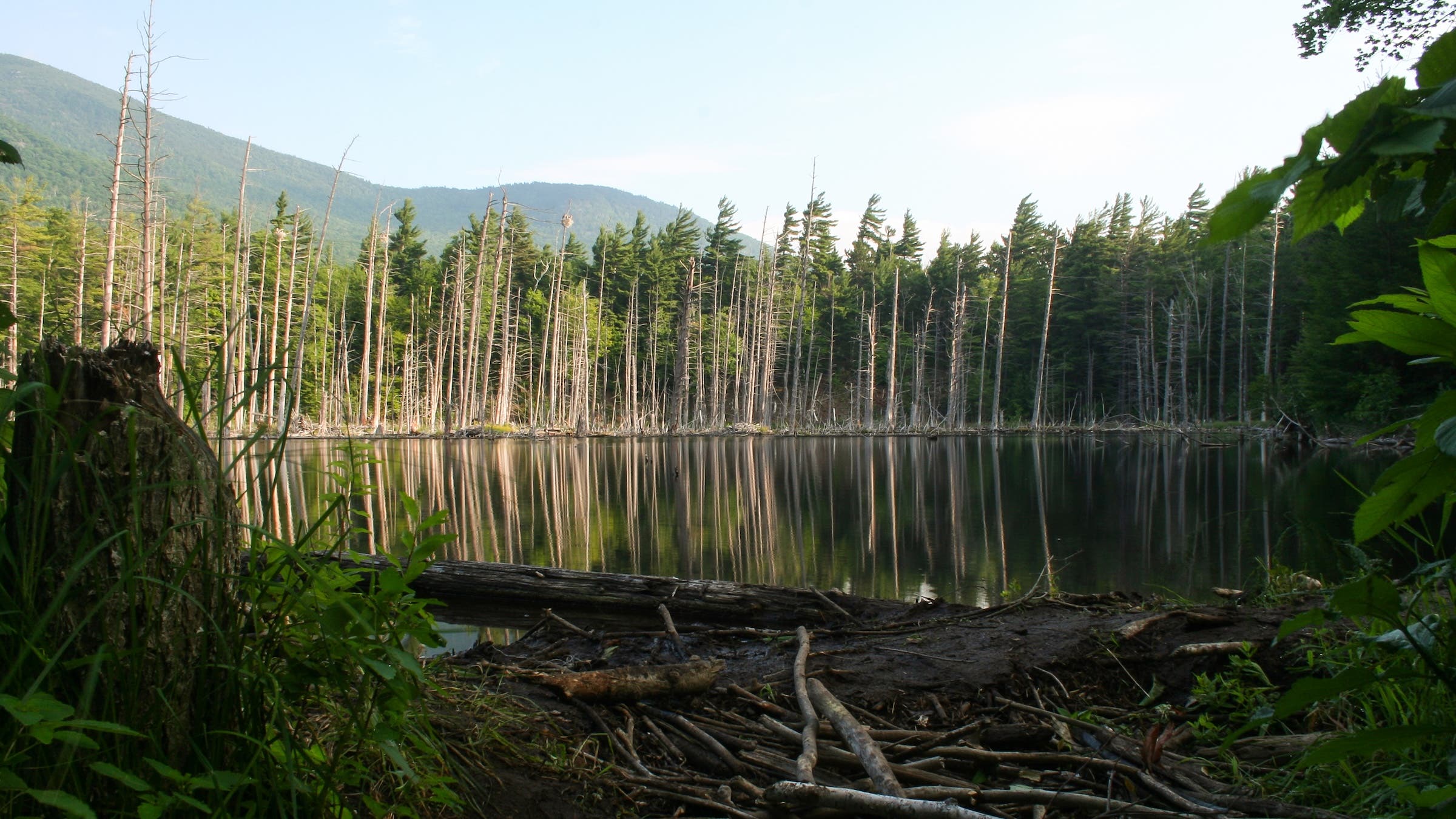
From the rugged terrain of 65,000-acre Allegany State Park—the state’s largest—to the white sandy beaches of Long Island, New York is an outdoor lover’s paradise. During warm, humid summers, the state’s hardwood forests and coastal marshlands become fertile breeding grounds for mosquitoes. Tuck long pants into socks and treat shoes with permethrin if hiking or birdwatching in hotspots like Cicero Swamp Wildlife Management Area, where some mosquitoes carry Eastern equine encephalitis, a serious but rare virus that causes brain inflammation. In the Adirondacks, avoid pitching tents near stagnant bogs or beaver ponds—and don’t forget to pack bug spray for that beach getaway to the Hamptons or Fire Island.
Louisiana
Types of mosquitoes: 68
Peak season: March to September
Louisiana is home to 21 state parks, along with nearly 3,000 miles of navigable cypress-lined waterways and nearly 400 miles of Gulf coastline. With a subtropical climate and lush coastal wetlands, the state averages over 60 inches of rainfall annually—conditions that make for one of the longest mosquito seasons in the country.
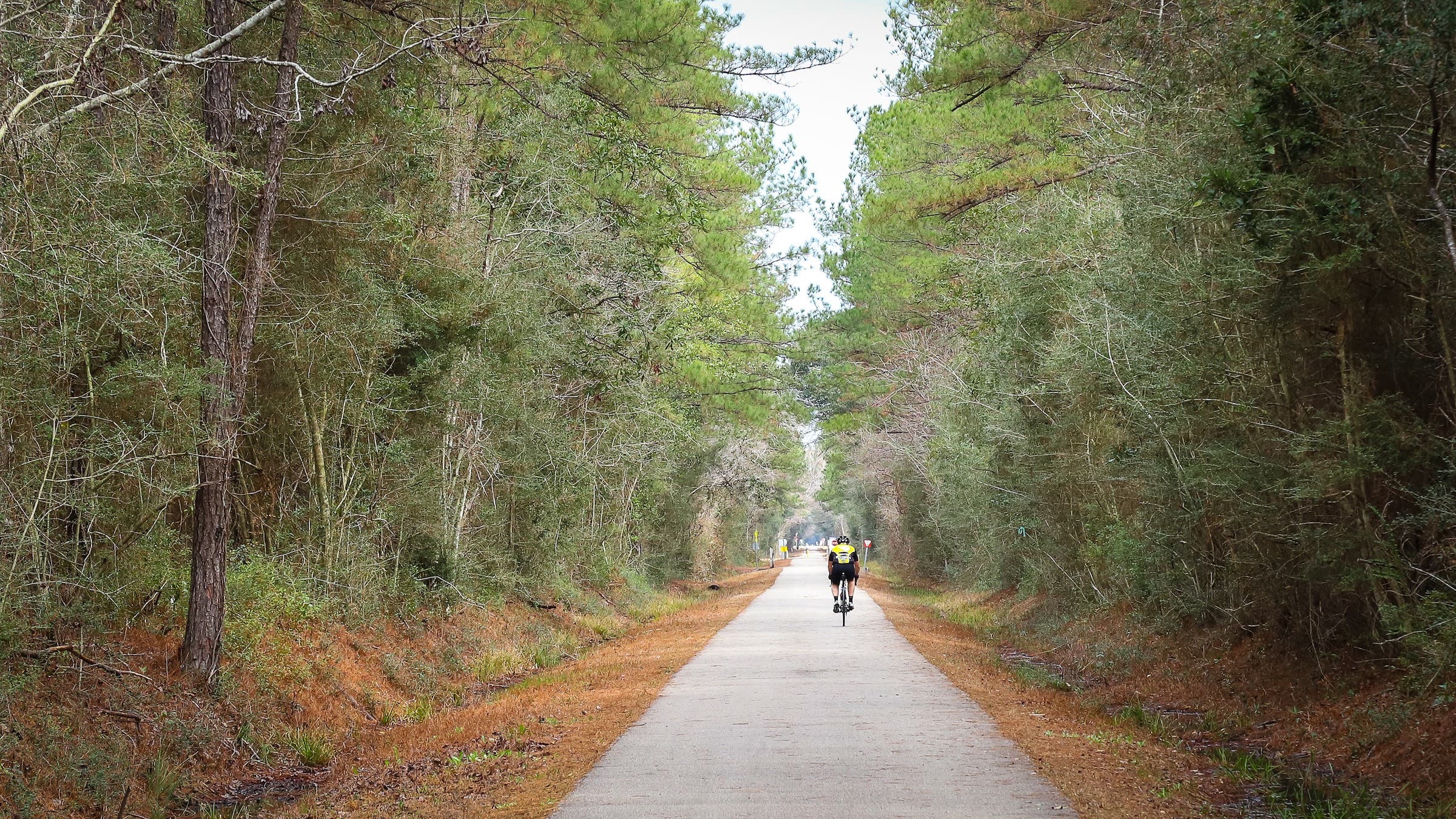
The Atchafalaya Basin, the largest river swamp in the U.S., is the backdrop for some of North America’s most spectacular paddling. Slather on repellent before launching into its cypress-tupelo swamps or cycling the state’s scenic 31-mile Tammany Trace that winds through Fontainebleau State Park and the Big Branch Marsh National Wildlife Refuge.
Georgia
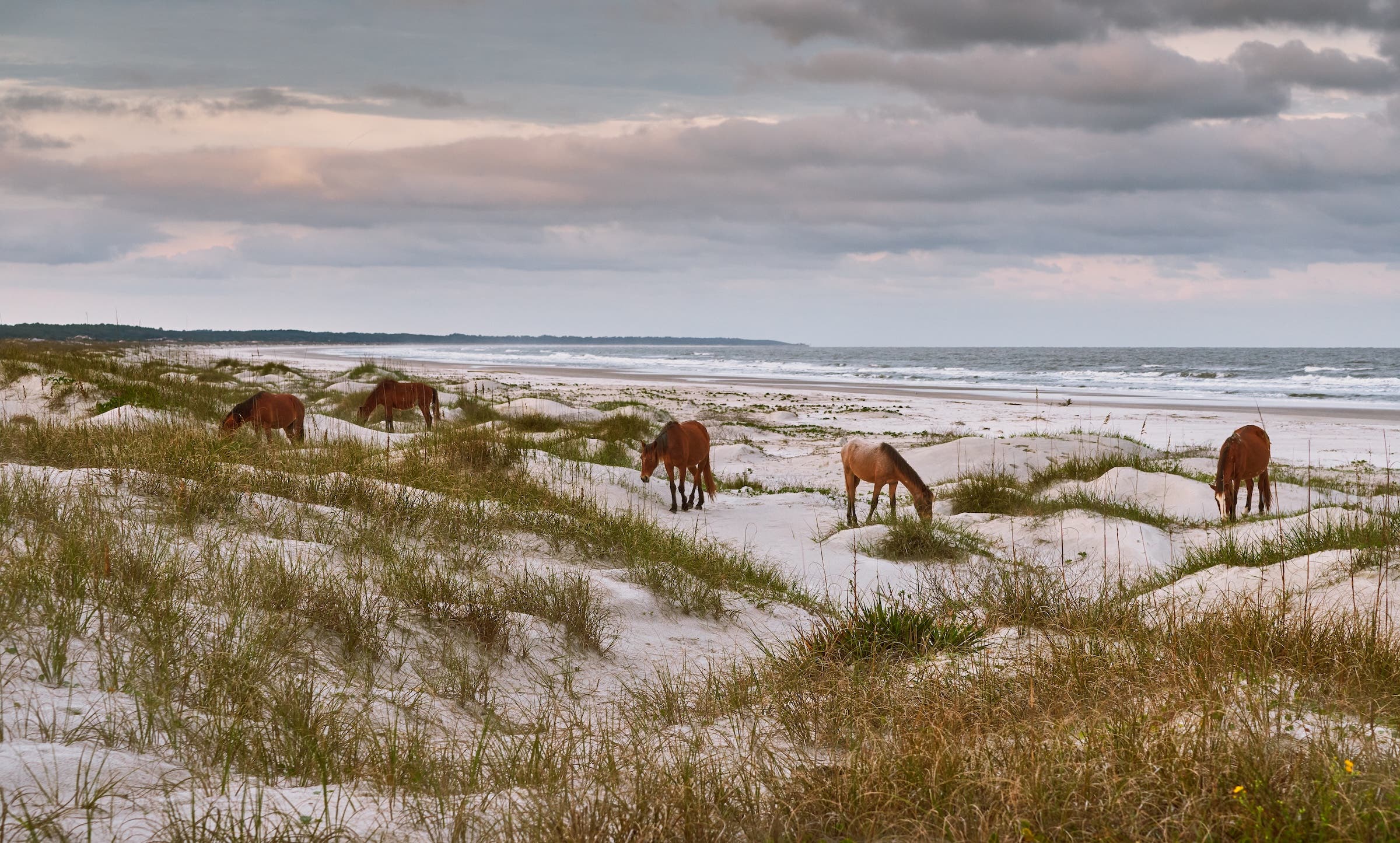
Types of mosquitoes: 63
Peak season: March to September
From world-class whitewater rafting and hiking in the northern mountains to paddling and wildlife excursions along the southern coast, Georgia offers some of the country’s most varied outdoor terrain. Recreation activities abound, thanks to 100 miles of Atlantic coastline, including 3,400 miles of tidal shoreline and nearly a third of the entire East Coast’s salt marshes.
Both the wooded northern forests and low-lying coastal swamplands have long, humid summers, so insect repellent is essential before summiting Blood Mountain, spotting wild horses on Cumberland Island National Seashore, or kayaking through saltwater marshes in the Golden Isles.
South Carolina
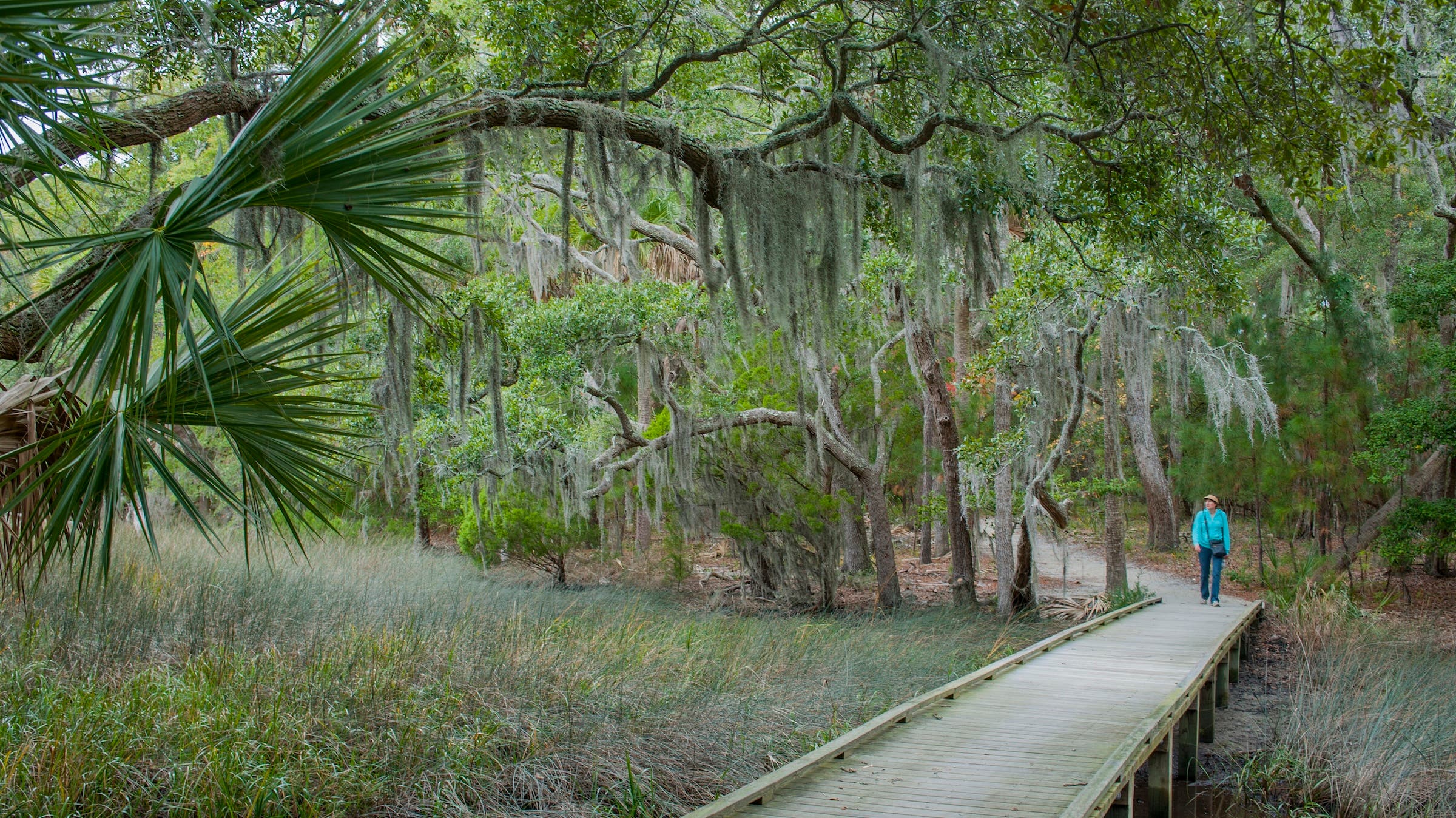
Types of mosquitoes: 61
Peak season: March to September
One of the most geographically varied small states in the country, South Carolina is home to 47 state parks spanning 90,000 acres of protected land, stretching from Blue Ridge Mountain peaks and wild whitewater rivers in the Upstate to nearly 200 miles of Atlantic coastline in the Lowcountry. The latter’s vast salt marshes, blackwater rivers, and subtropical humidity create ideal breeding conditions for mosquitoes through most of the year, with frequent tropical storms spiking populations from summer into early fall.
Pack permethrin-treated layers for the shaded hollows of Caesars Head State Park, paddle the Edisto’s main channel rather than its still backwater coves where mosquitoes breed, and stick to the ocean-facing shores of barrier islands like Folly Beach and Isle of Palms where the Atlantic winds keep bugs at bay.
Alabama
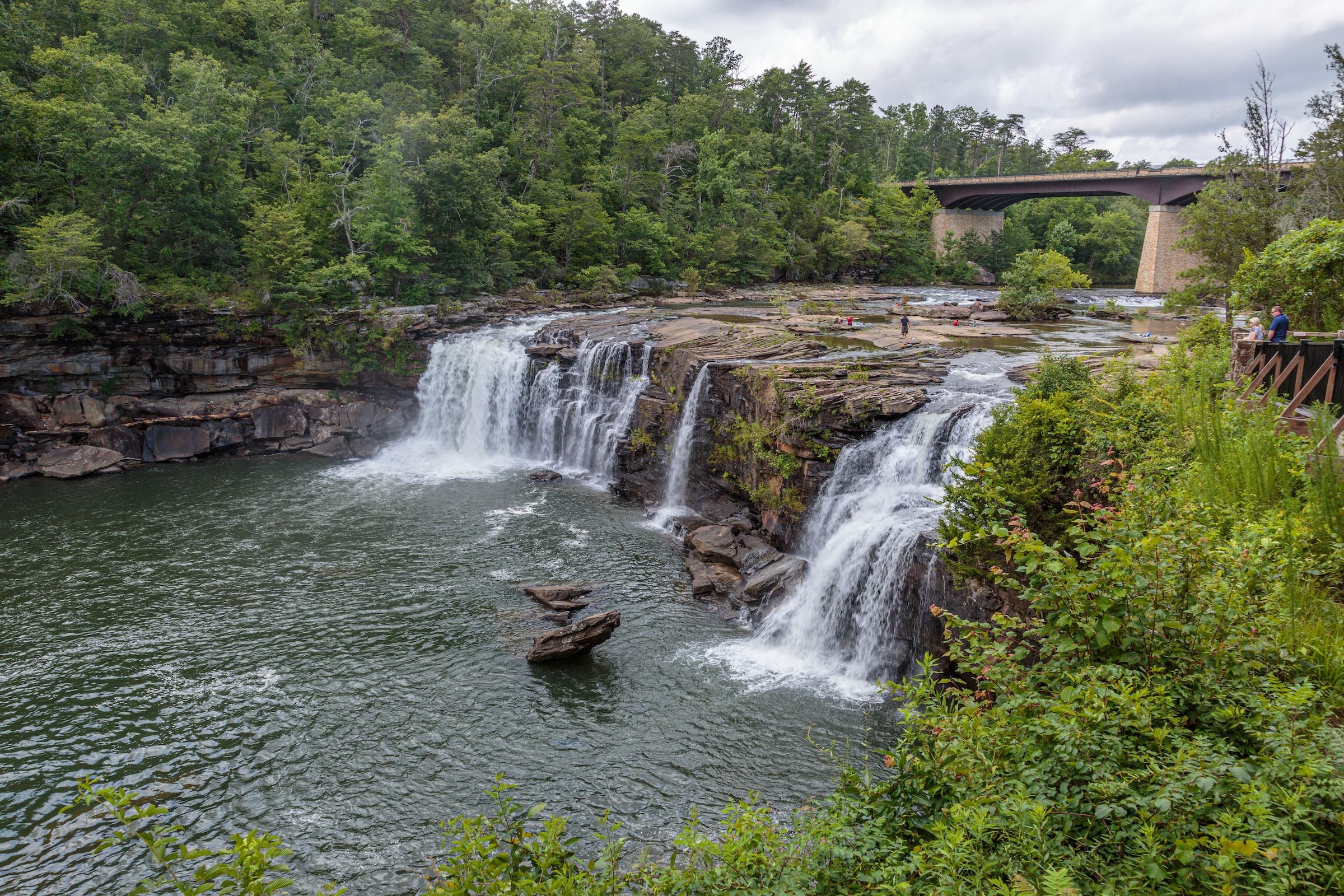
Types of mosquitoes: 60
Peak season: March to September
Alabama is one of the most underrated outdoor destinations in the South—think top-tier mountain biking trails at Oak Mountain State Park and dramatic gorges at Little River Canyon National Preserve. Its 21 state parks span 48,000 acres from the Appalachian foothills to 60 miles of sugar-white Gulf Coast beaches.
The Gulf’s influence leads to warm, sticky summers and vulnerability to late-season tropical storms, meaning peak mosquito conditions from spring through fall. Choose elevated campsites over riverside ones throughout the state parks and avoid forested areas and marshes at dawn and dusk.
North Carolina
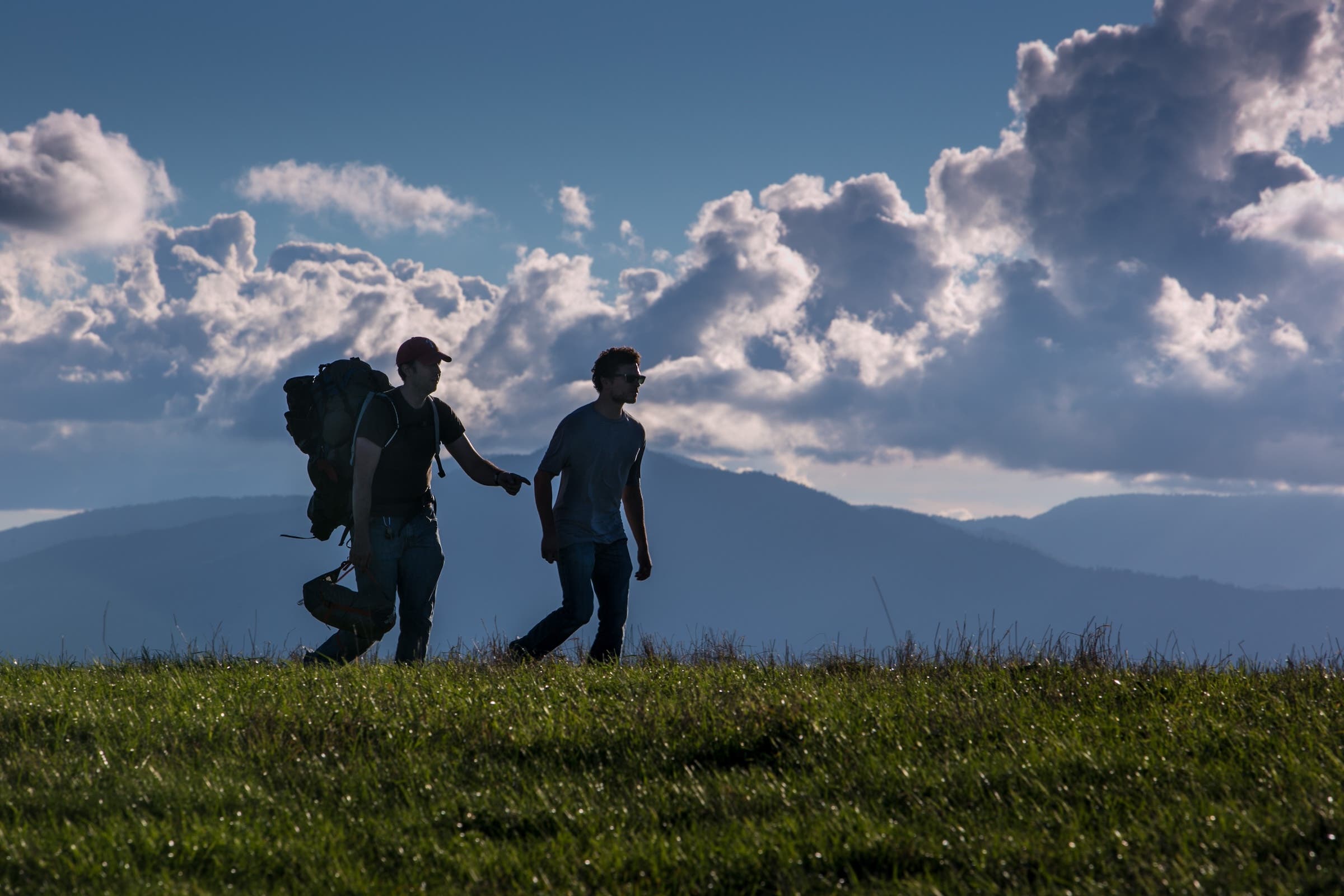
Types of mosquitoes: 60
Peak season: April to September
From the highest mountain summits on the East Coast to more than 300 miles of Atlantic barrier island beaches, North Carolina offers more geographic range than almost any state east of the Mississippi. Its 41 state parks and 250,000 acres of protected land anchor a world-class outdoor scene, including whitewater rafting on the Nantahala River and hiking along the Appalachian Trail.
A humid subtropical climate means long, warm summers perfect for opting outside, although hurricane season brings intense storms from late summer into early fall. Treat clothing with permethrin before paddling the rapids of the Nantahala and check the wind direction before heading out to Outer Banks destinations like Cape Hatteras—exposed beaches offer natural relief, but the marshes behind the barrier islands do not.
Kentucky
Types of mosquitoes: 60
Peak season: April to September
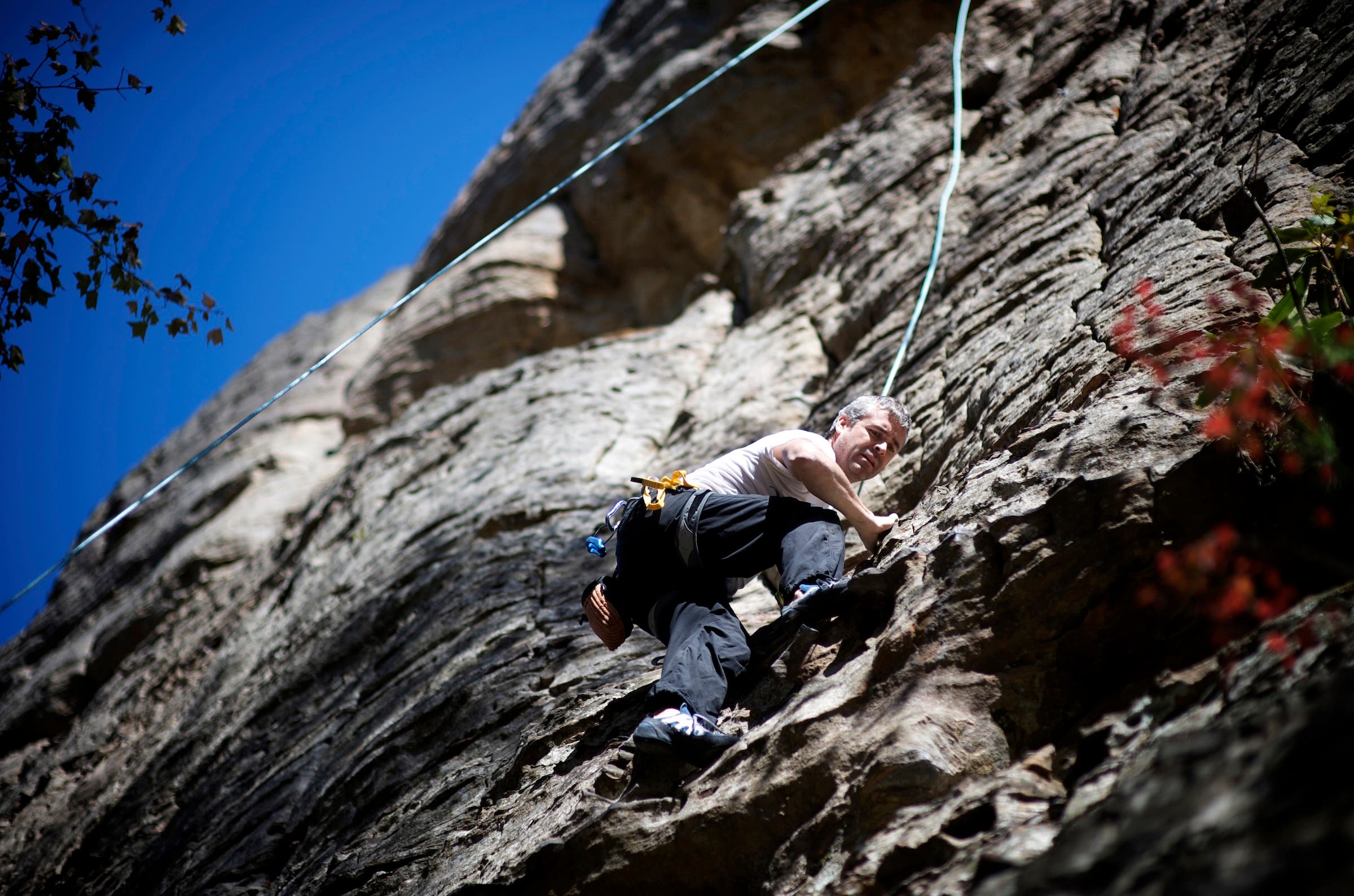
Kentucky consistently punches above its weight as an outdoor destination. Red River Gorge draws climbers from across the country to its dramatic sandstone cliffs and natural arches, and Land Between the Lakes National Recreation Area, the largest inland peninsula in the eastern U.S., offers wildlife watching, paddling, backpacking trails, and more.
Hot, humid summers and abundant rainfall keep mosquitoes active from spring well into fall. Hit Land Between the Lakes early in the day, and treat your gear with insect repellent before ducking into the gorges and hollows of Eastern Kentucky’s stunning Cumberland Plateau, where the canopy traps heat and humidity long after sunset.
Michigan
Types of mosquitoes: 60
Peak season: May to September
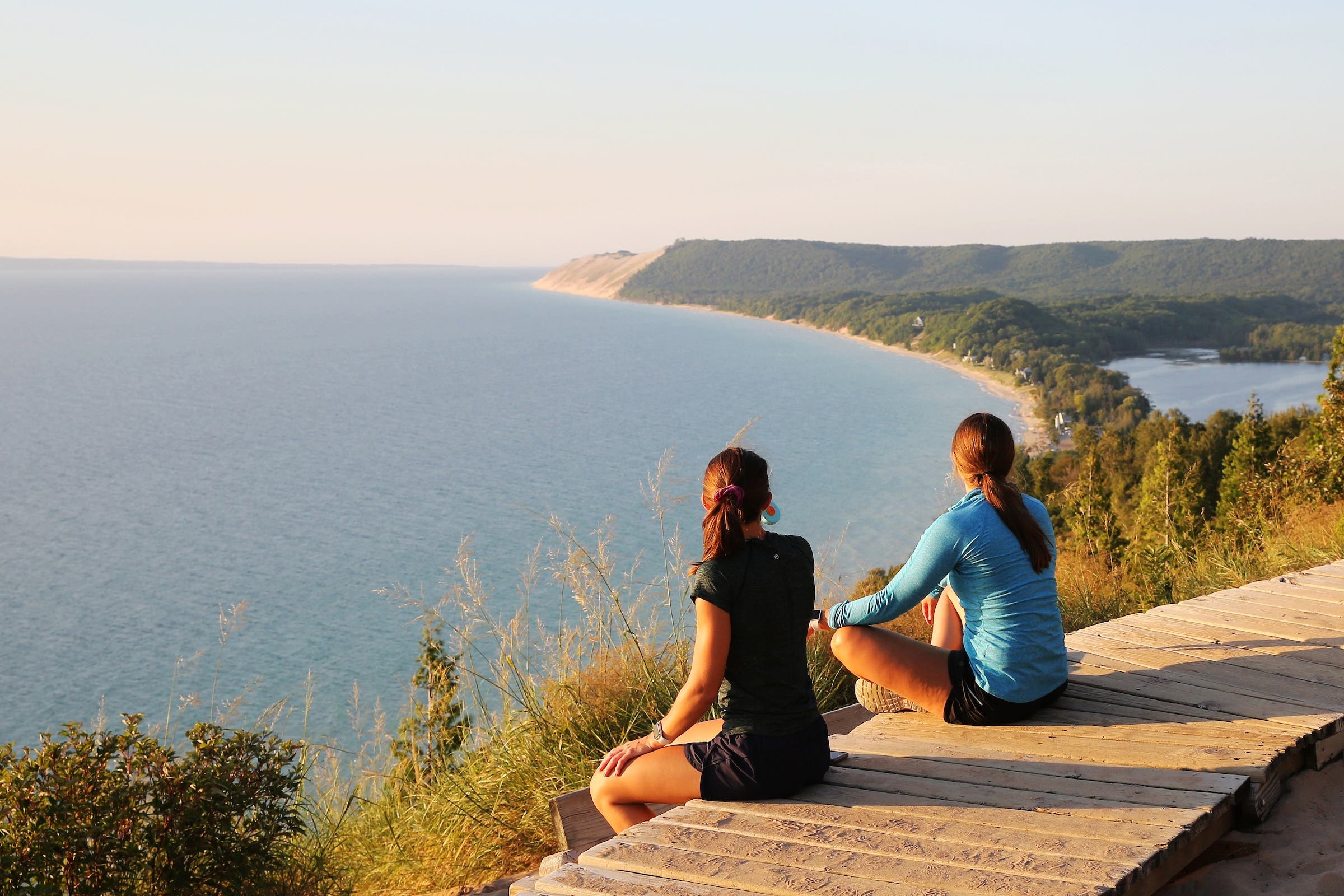
Michigan is a destination for water-based activities, thanks to four of the five Great Lakes and the world’s longest freshwater coastline, plus an extensive network of navigable rivers and streams. The state has 103 state parks, including sandy beaches along the Lake Michigan coast in the west and rugged, old-growth forests in Porcupine Mountains Wilderness State Park in the Upper Peninsula.
An abundance of standing water and boreal wetlands makes this area one of the most notorious bug destinations in North America. Mosquitoes arrive with snowmelt in May and black flies follow close behind, so stock up on DEET-based repellent and opt for a fine-mesh head before hitting the trails.
Laura Scholz is an Atlanta-based freelance writer and editor. She has lived all but two years of her life in the country’s most mosquito-infested states, but that doesn’t stop her from frequently running the trails at nearby Chattahoochee River National Recreation Area. She celebrates every birthday with an epic hike, including Angel’s Landing at Zion National Park and Nanos in Slovenia’s Vipava Valley.
