
Close Menu

    Subscribe to Updates

    Get the latest creative news from FooBar about art, design and business.

    What's Hot

    How Cal Calamia Made Sports History

    June 26, 2026

    Gear Our Editors Tested and Loved: June 2026

    June 26, 2026

    Best Family Camping Gear, According to a Mom Who Learned the Hard Way

    June 26, 2026
    Facebook X (Twitter) Instagram
    Facebook X (Twitter) Instagram
    Live Wild Feel Well
    Subscribe
    • Home
    • Green Brands
    • Wild Living
    • Green Fitness
    • Brand Spotlights
    • About Us
    Live Wild Feel Well
    Home»Brand Spotlights»Study shows that damage from cognitive decline can be reversed
    Brand Spotlights

    Study shows that damage from cognitive decline can be reversed

    wildgreenquest@gmail.comBy wildgreenquest@gmail.comMay 5, 2026002 Mins Read
    Share Facebook Twitter Pinterest Copy Link LinkedIn Tumblr Email Telegram WhatsApp
    Follow Us
    Google News Flipboard
    Share
    Facebook Twitter LinkedIn Pinterest Email Copy Link


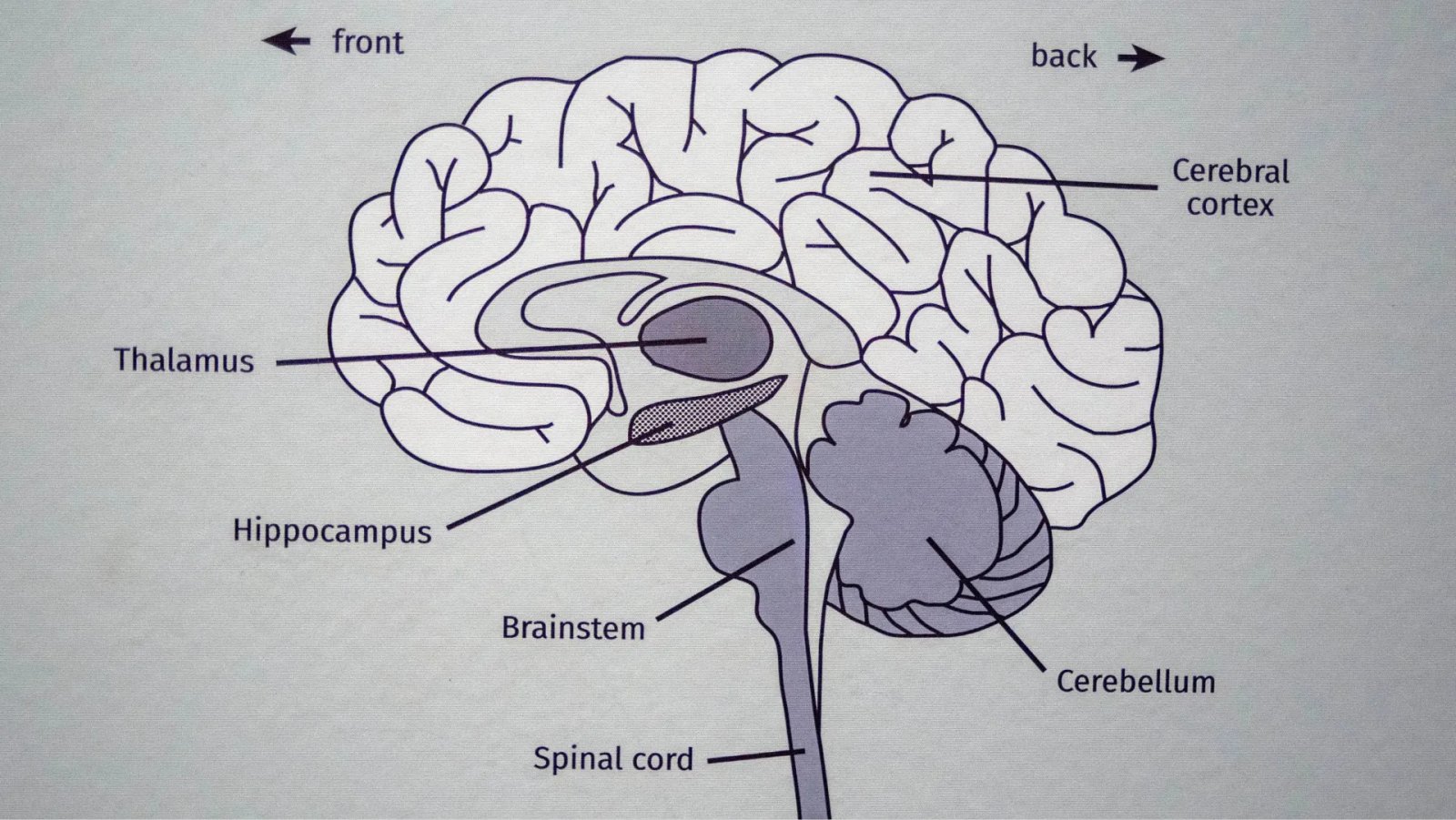
    Scientists at UCSF’s Bakar Aging Research Institute examined activity in the hippocampus, the brain’s command center for learning and memory. Comparing young and old mice, the researchers discovered that older brains, unlike younger ones, were flooded with the FTL1 protein.

    To figure out whether the protein was actually the culprit or just another byproduct of the aging process, they elevated FTL1 levels in young mice, whose brains soon began to look and act old. Their neurons quit branching out into complex networks, shrinking instead into stubby extensions that no longer communicated with the efficiency of youth.

    But it was the next step in their experiment that ended in a revelation. Lowering the protein levels in older mice didn’t just slow or stop the fraying of the older brain. Clearing out the FTL1 clutter helped rebuild lost connections in the hippocampus and literally healed existing damage. The proof: The treated mice soon scored “significantly better” on memory tests.

    “It is truly a reversal of impairments,” says Saul Villeda, PhD, the study’s senior author. “It’s much more than merely delaying or preventing symptoms.”

    The groundbreaking study also revealed how the offending protein does its harm. Researchers learned that high levels of FTL1 act like a metabolic brake, slowing energy production within brain cells. When those cells are no longer able to power themselves, the connections between synapses soon ebb and dry up.

    Someday soon, the good news for mice could be great news for humans. Medically approved treatment plans may be years away, but the new study does offer a more immediate reason for optimism: Brain drain associated with aging can now be credibly considered a manageable biological setback, not a permanent loss.


    Source link

    Follow on Google News Follow on Flipboard
    Share. Facebook Twitter Pinterest LinkedIn Tumblr Email Copy Link
    wildgreenquest@gmail.com
    • Website

    Related Posts

    What if the office is actually a workplace perk?

    June 19, 2026

    The Backbone Of AI: Unscrambling The Basics

    June 19, 2026

    Google AI leader Noam Shazeer leaves company for OpenAI

    June 19, 2026
    Add A Comment
    Leave A Reply Cancel Reply

    Top Posts

    Jeff Bezos says AI will cause “labor scarcity,” not job loss

    June 16, 202622 Views

    Meta CTO: Company morale is ‘probably one of the worst it’s ever been’ after layoffs

    June 18, 202616 Views

    Study finds asking AI for advice could be making you a worse person

    March 31, 202612 Views
    Latest Reviews
    8.5

    Pico 4 Review: Should You Actually Buy One Instead Of Quest 2?

    wildgreenquest@gmail.comJanuary 15, 2021
    8.1

    A Review of the Venus Optics Argus 18mm f/0.95 MFT APO Lens

    wildgreenquest@gmail.comJanuary 15, 2021
    8.3

    DJI Avata Review: Immersive FPV Flying For Drone Enthusiasts

    wildgreenquest@gmail.comJanuary 15, 2021
    Stay In Touch
    • Facebook
    • YouTube
    • TikTok
    • WhatsApp
    • Twitter
    • Instagram

    Subscribe to Updates

    Get the latest tech news from FooBar about tech, design and biz.

    Demo
    Facebook X (Twitter) Instagram Pinterest
    • About Us
    • Contact Us
    • Privacy Policy
    • Terms & Conditions
    • Disclaimer
    © 2026 ThemeSphere. Designed by ThemeSphere.

    Type above and press Enter to search. Press Esc to cancel.