

Published May 6, 2026 01:43PM
On Friday, May 1, a helicopter landed on the Seven Summit Treks helipad at Mount Everest Base Camp carrying dignitaries from the United States. Sergio Gor, the U.S. Ambassador to India and Special Envoy for South and Central Asian Affairs, stooped beneath the whirring blades and stepped into the thin air at 17,500 feet.
Gor, 39, had come to Base Camp to promote American drone technology in the extreme environment of Mount Everest. The U.S. Embassy has partnered with a Nepali drone company called Airlift Technology to fly an American-made unmanned aerial vehicle (UAV)—part of the Trump Administration’s “Trade Not Aid” policy, implemented after the shuttering of USAID and other foreign aid programs. The drone flight was described by the embassy’s public relations office as “enabling deliveries on Mount Everest in a few minutes, in contrast to multiple-day treks in the past.”
Alas, the UAV demonstration was abruptly grounded before the craft ever got off the ground. Just a few hours before Gor arrived, Nepal’s Home Ministry ordered Airlift Technology to scrap the flight, citing “security sensitivity issues,” according to a statement.
Perhaps more damaging, Nepal revoked Airlift Technologies’ clearance to fly its cargo carrying aircraft on Mount Everest.
Outside made multiple attempts to contact Nepal’s Department of Tourism and Home Ministry for comment about the forced cancellation. We did not get a response by the time we published this story.
Officials from Airlift Technology were left at Base Camp scratching their heads.
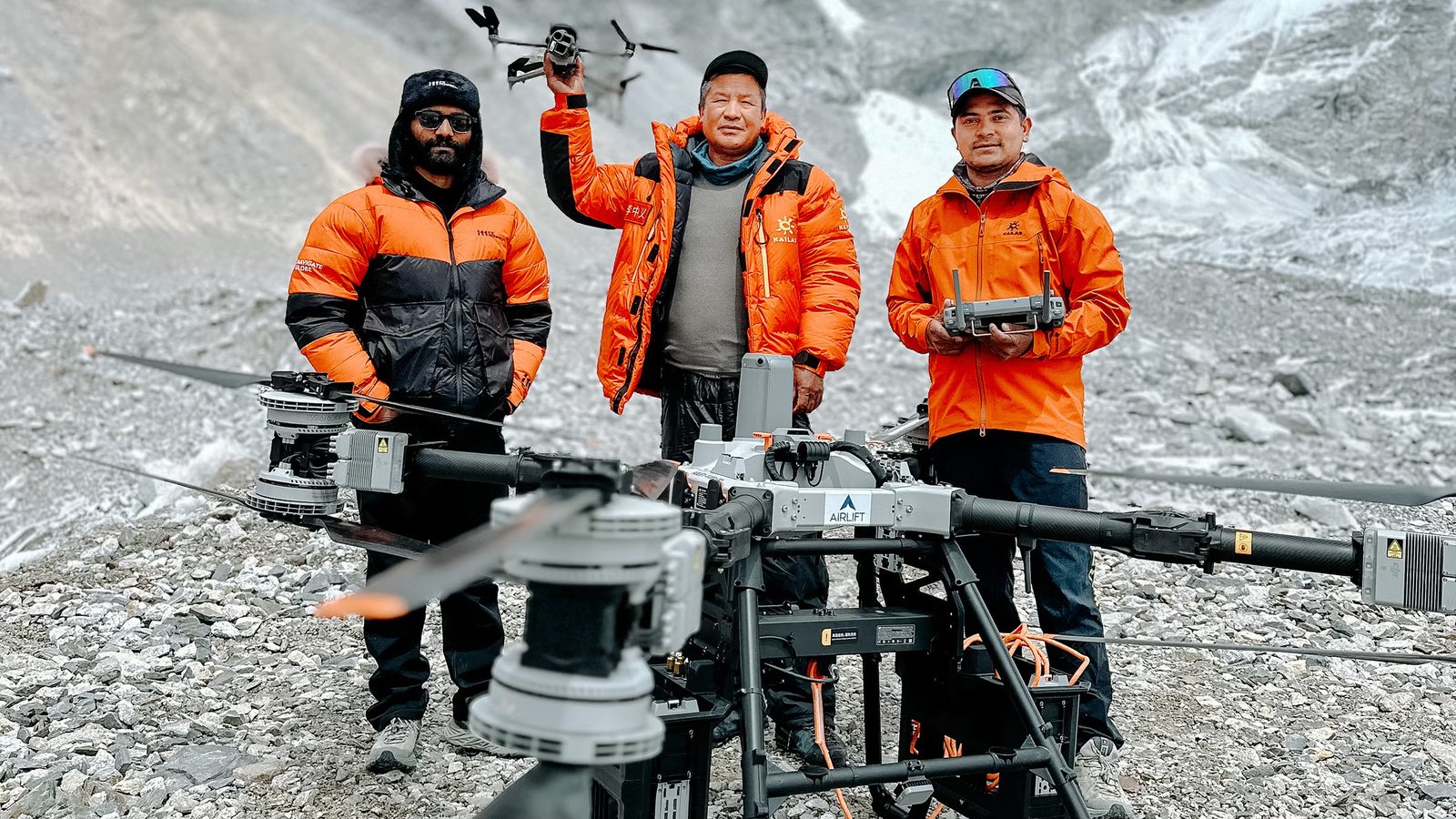
“I really don’t know what happened,” Milan Pandy, director of Airlift technology, told Outside at Base Camp. “I’m still trying to figure it out. It’s all rumors. The strangest part is that the decision was made so late at night.”
Grounding the UAVs brought a valuable part of Mount Everest’s guiding industry to a screeching halt. It was just the latest wrinkle in the strange story of aerial drones on Mount Everest.
Limiting Dangers to Mountain Workers
Flying drones became a frequent sight in Base Camp over the past decade, as the fast-evolving technology rapidly produced UAV aircraft that could snap aerial images and provide video of tough-to-reach places. In 2022, Chinese photography company 8KRAW completed the first successful drone flight over the peak’s summit, capturing stunning video of the snow-capped top.
But as drones got bigger and more powerful, operators have seen their potential for ferrying loads to higher points on the peak. In April of 2024, Airlift Technology performed the first test flights of a drone designed to carry heavy cargo. The DJI FlyCart 30, which can carry up to a 33-pound payload at lower elevations, successfully completed three flights between Base Camp at 17,500 feet and Camp I at 19,900 feet. The drone took an oxygen canister up to Camp I, and then brought a bag of trash back to Base Camp.
“The ability to safely transport equipment, supplies, and waste by drone has the potential to revolutionize Everest mountaineering logistics, facilitate trash cleanup efforts, and improve safety for all involved,” Christina Zhang of DJI said in a statement after the flight.
Indeed, proponents of the technology argued that cargo drones could eliminate the number of human trips through the Khumbu Icefall, the deadliest section of the Everest climb.
Navigating a drone on Everest is tricky. The peak is buffeted by swirling winds and storms. Everest’s steep walls and Khumbu Icefall can also block the radio signals that guide the drone from one point to another. To fly between Base Camp and Camp I, two drone operators typically work together—one pilots the craft from Base Camp to the top of the Khumbu Icefall, at which point the second pilot, standing at Camp I, takes over control of the craft and guides it upward.
In 2025, one of Airlift’s DJI drones was hit by an unexpected gust of wind, which triggered the automatic deployment of an emergency parachute. They were unable to control the aircraft, and it broke a rotor when it landed in the icefall.
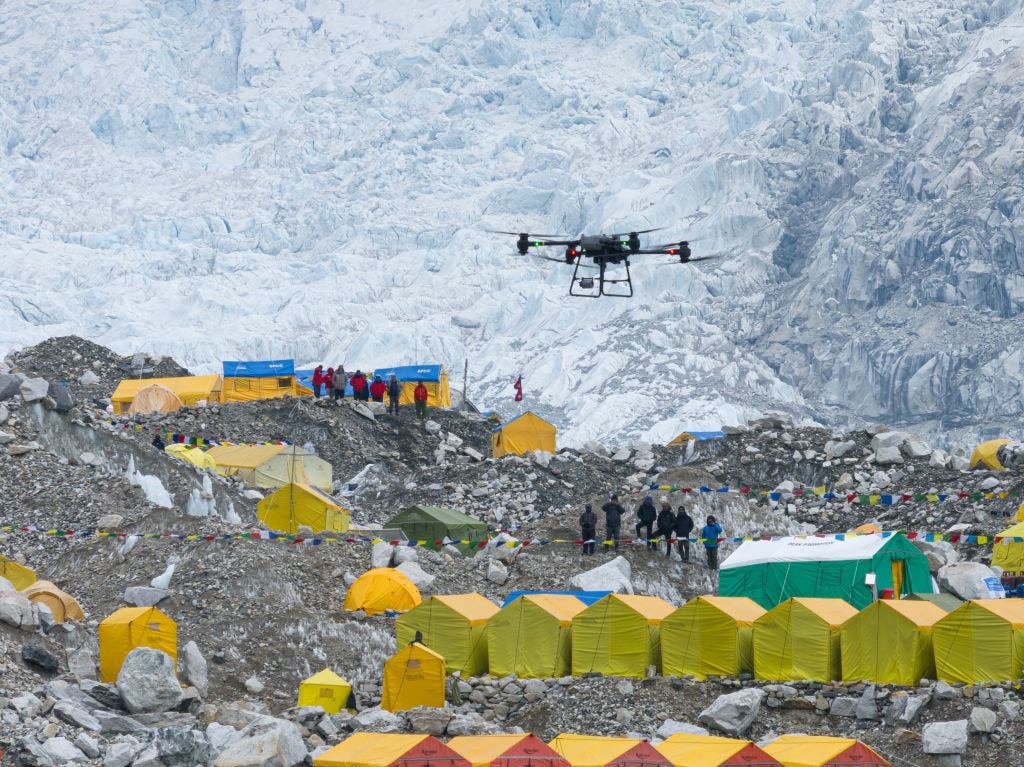
Still, Airlift Technology and other firms saw the potential that drones had. By the end of the 2025 season, Airlift Technology successfully shuttled hundreds of shuttle oxygen bottles, ropes, and other equipment to Camp I and brought tons of garbage back down.
The stage was set for the company to launch an official cargo service on the peak in 2026.
The 2026 Delay on Everest Increases the Need for Drones
Airlift returned to Base Camp in 2026 and quickly became an integral part of the Everest industry. The season on Everest was delayed by nearly three weeks after a dangerous serac in the Khumbu Icefall prevented fixing teams from completing the route on time.
Airlift partnered with the Sagarmatha Pollution Control Committee (SPCC), the non-governmental organization that oversees waste and garbage removal on the mountain, as well as the local Rural Municipality. Instead of working on a trial basis, this team opened up their flights to carry loads for any expedition operators that wanted to use their services.
“We had requests from so many companies for our services,” Pandey said. “There’s a huge demand for what we’re doing.”
According to The Kathmandu Post, the company charged 1,000 Nepal Rupees per kilogram of weight (about $6.50 for 2.2 pounds).
The company also flew a drone over the glacier with cameras, which they used to create 3-D images of the icefall. Those images eventually helped the Icefall Doctors, the specialty team that charts the route, complete the path.
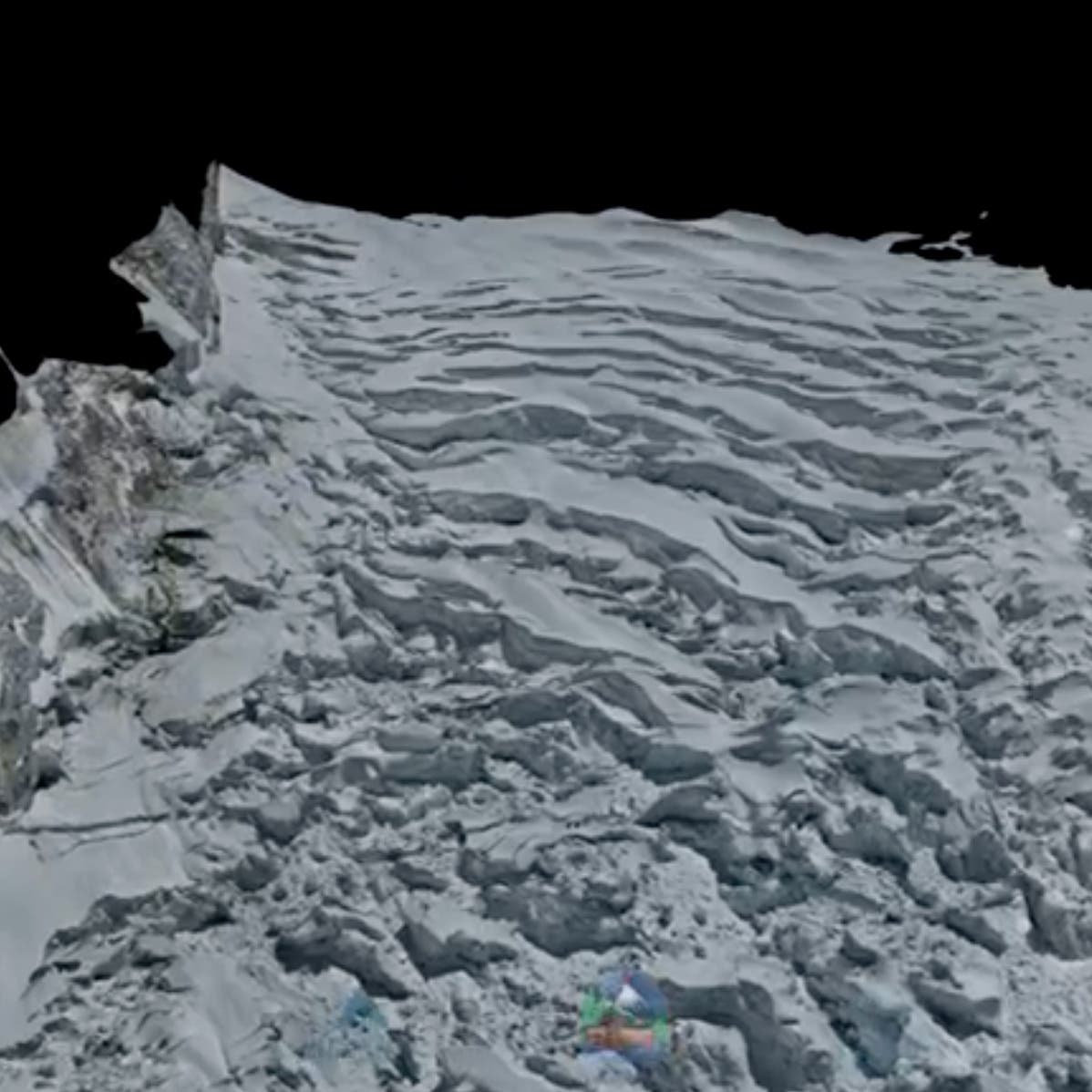
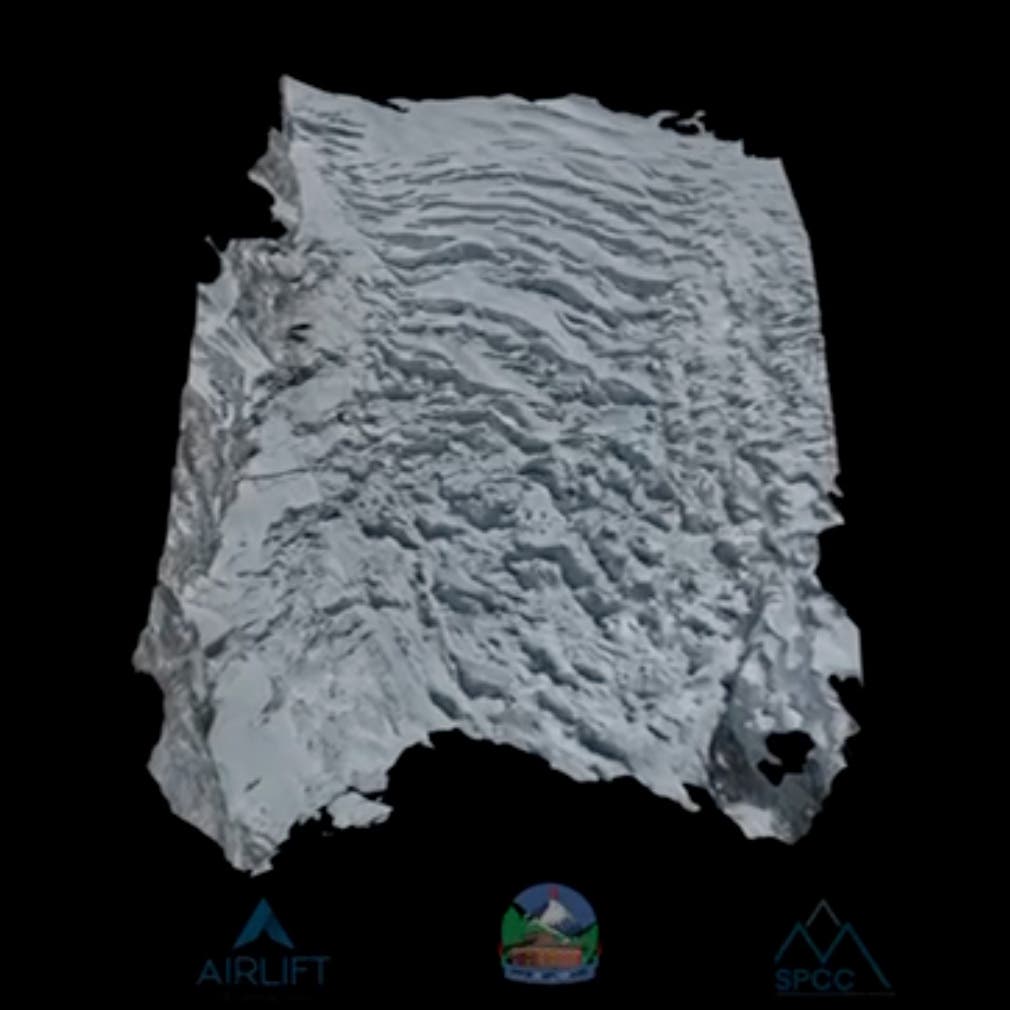
“We mapped the icefall and helped study safer new routes this year,” continued Pandey. “Our technology will help reduce these delays by moving goods up more efficiently than helicopters. The local high-altitude workers are fully supportive of what we’re doing because it makes their jobs so much safer. We also have so much garbage to bring down.”
The partnership with the U.S. was just the next step in the company’s busy 2026 agenda. According to the plan, Airlift Technology planned to fly the Alta X Gen 2 drone, made by Washington-based technology company Freefly Systems. According to Airlift, the drone can carry up to 12 pounds when flying at extreme altitudes.
“The Alta X was chosen because it was flown on Ama Dablam during a film project in 2020,” said Pandey. “So we knew it could perform at altitude.”
But the drone never got to fly on Everest due to the Nepal Government’s order.
Canceled Flights Bring Calamity to Outfitters
The grounding of Airlift Technology’s drones had a major impact on some outfitters. Amid the grounding of the flights, Mingma Wongchu Sherpa, the Managing Director of Himalayan Sherpa Adventure, told Outside that his expedition’s logistics strategy was dependent on drone service to and from Camp I.
“I filled out the form for 1,500 kilograms of cargo to be flown to Camp I via drones,” Mingma Wongchu Sherpa told Outside. “But now that the operation is halted, we don’t have enough manpower. Our whole expedition was organized around drones.”
For 2026 Himalayan Sherpa Adventure is leading a British Army expedition with 11 clients attempting to reach the summit of Everest.
Mingma Wongchu Sherpa said he was enticed to use the drones because of the potential to lessen his staff’s trips through the Khumbu Icefall. In 2023, three Sherpa mountain workers were killed in the icefall when a massive ice tower collapsed.
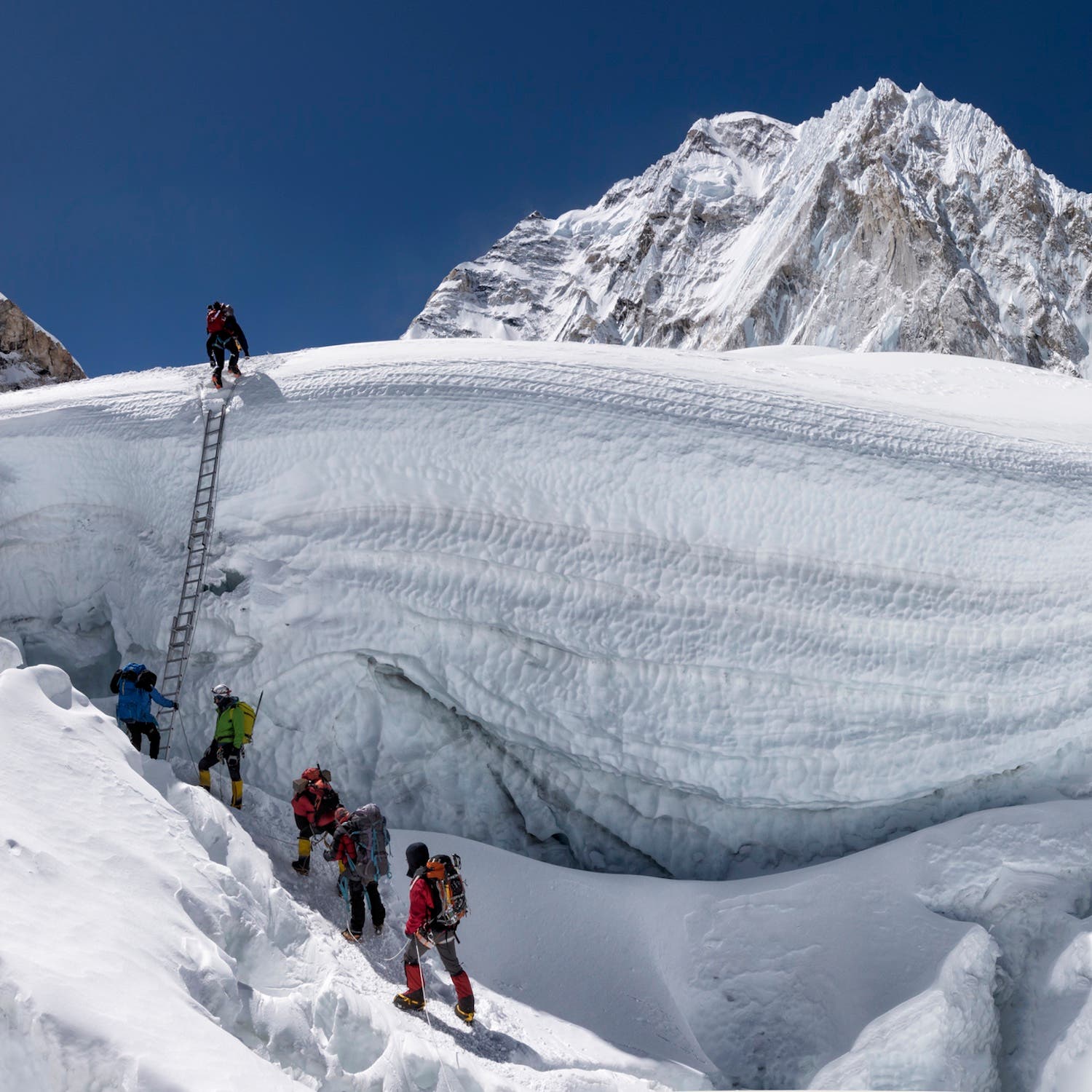
“As an operator I employ a lot of Sherpas and climbing guides, and I really care for them,” Mingma Wongchu Sherpa told Outside. “Every evening when they leave it’s kind of emotional for me. They are doing this multiple times so our clients can go once. I have huge admiration for them and all the climbing guides who do this extremely dangerous work. I really appreciate the idea of drones.”
The loss of the drones will place more work on the backs of his staff, Mingma Wongchu said.
“If the drones don’t operate, I have to mobilize my team even more, which I’m totally against,” he told Outside. “Ferrying that amount of gear is going to take my team eight or nine extra trips through the icefall. But it may be my only option.”
A Missed Opportunity
News of the grounded drone operations produced a series of stories in the Nepali press. Without any definitive explanation from the Nepali government, outlets hypothesized about the reasons. Was it due to geopolitical tensions between the United States and China? Was the United States also planning to operate other unmanned robotic technology on the peak?
Four days after the decree, Pandey told Outside that he had received good news. On May 5, the Home Ministry of Nepal reinstated Airlift Technology’s permission to operate the cargo drones. Pandey simply needed to complete and submit paperwork before the cargo drones could get airborne once again.
The timing, however, was unfortunate. Earlier that morning, a tower of ice collapsed in the Khumbu Icefall trapping two climbers and triggering a dramatic helicopter rescue. As the situation unfolded, Pandey sat watching with his hands tied, knowing that Airlift’s flying drones could have helped, or even identified the danger before the collapse.
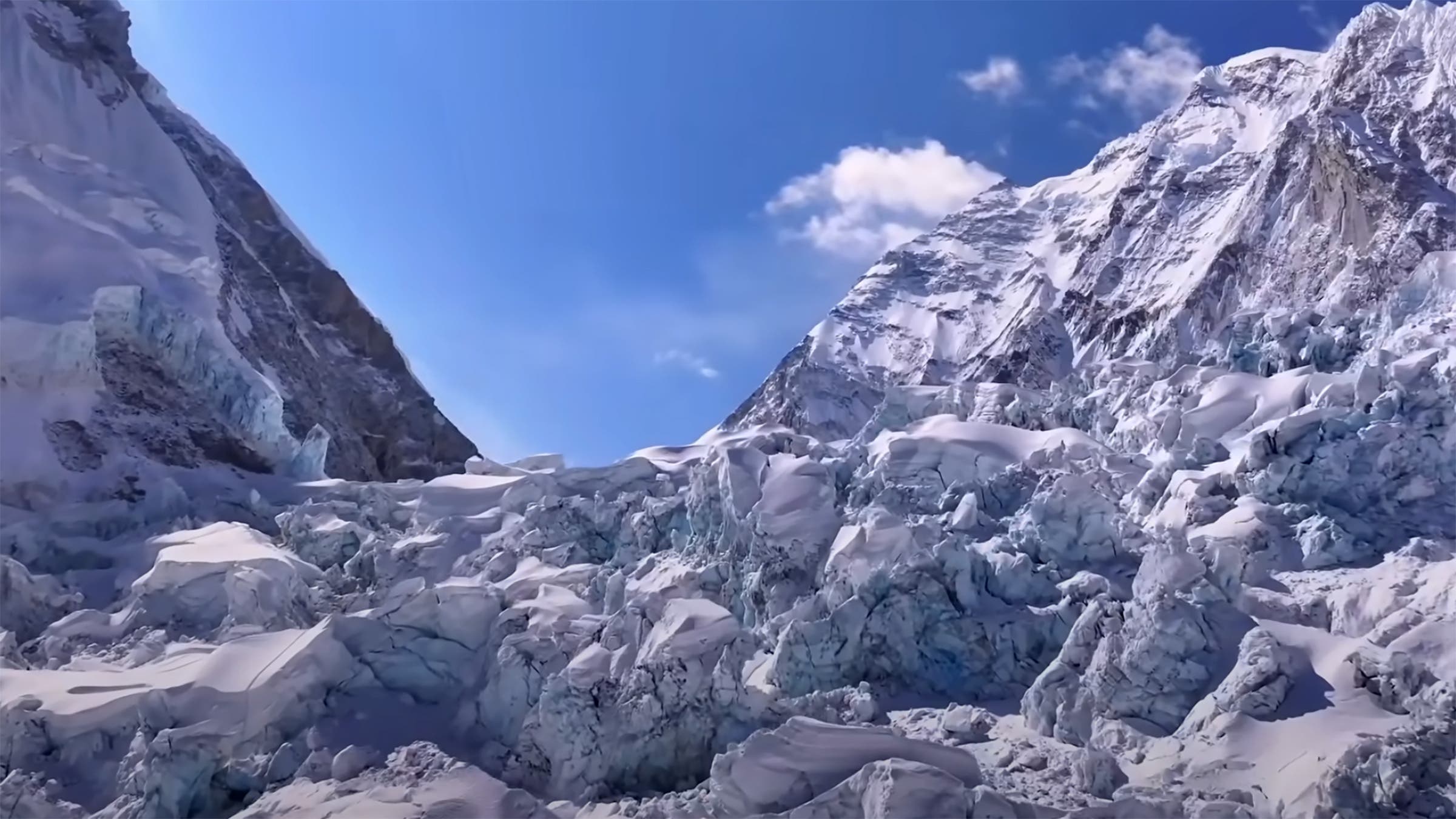
“Our plan was to map the icefall every five days,” Pandey told Outside. “If we could have followed this plan, maybe we could have identified this weakness in the icefall and informed the Icefall Doctors to go around it.”
The drones could have also flown over the site of the serac collapse to scout for a helicopter landing spot or to help rescuers, Pandey added.
“We also could have ferried the ladders and equipment the Icefall Doctors needed to reopen the route quickly, so that the remainder of the climbers could have descended safely,” he said.
When Outside contacted Pandey on Wednesday, May 6, Airlift Technology was still waiting for the final clearance to fly. It’s cargo drones sat at Base Camp, rotors quiet, ready for the paperwork to clear.
“Our promise and our role here is to help the Icefall Doctors, the expeditions, and Everest. We will do whatever it takes to support them,” Pandey said.
“As long as we have permission,” he added.
