

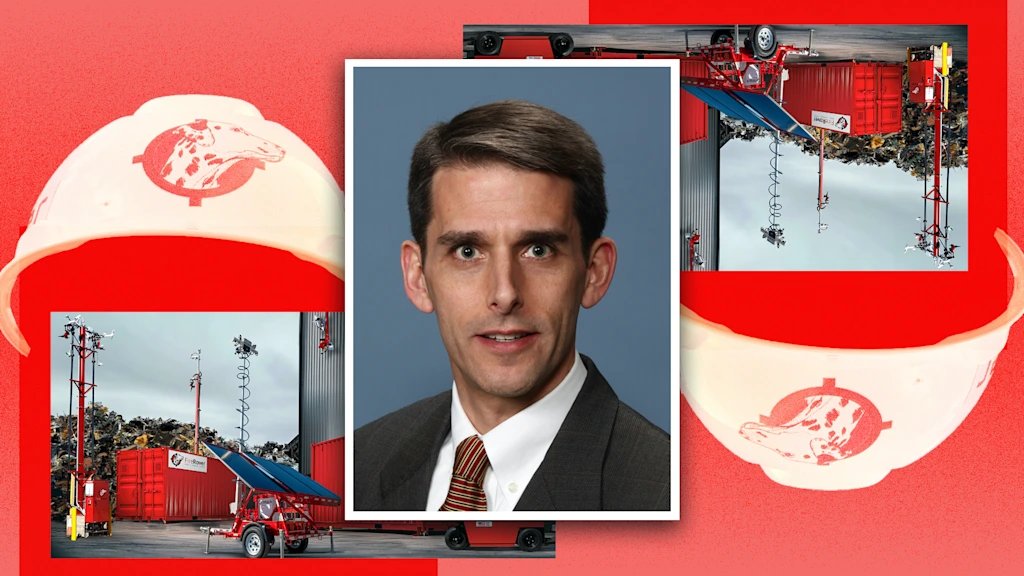
So it’s fitting that Will Schmidt, Fire Rover’s CEO, joined the company in a moment of crisis, too.
Schmidt says he initially met the Fire Rover team at a trade show in early 2018, back when he was still working for Pacific Western Bank. The firefighting company so interested him that he made a trip out to their Detroit-area headquarters for a tour.
“It didn’t really fit into any box that I had at the time—it was a little small and so forth—but [I] nevertheless wanted to keep in touch,” he recalls.
About nine months later, Brad Gladstone—who had founded the company in 2015—passed away. Conversations about what Schmidt could do to help during that period of transition eventually led to him taking on the CEO role in fall 2019, he says. “The idea was hatched to come out and . . . flip from the side of investing and telling people what they should do to actually getting in the hot seat.”
The company’s firefighting tech can be broken down into two parts: detection (which involves using thermal cameras, light sensors, and smoke-detecting computer vision software to notice an industrial fire early) and suppression (remote operators reviewing the situation and releasing a targeted suppression stream as needed).
“Typically, we’ll be applying suppression five minutes before something like a traditional sprinkler head would pop, because it takes some time for the heat to accumulate at that sprinkler head,” Schmidt explains. “Because we’re highly concentrated, we’re able to use about 88% less water, typically, to put this fire out—which means they can get back to work quicker, with less cleanup, less damage from the fire, and less damage from water.”
