

Published May 7, 2026 03:05AM
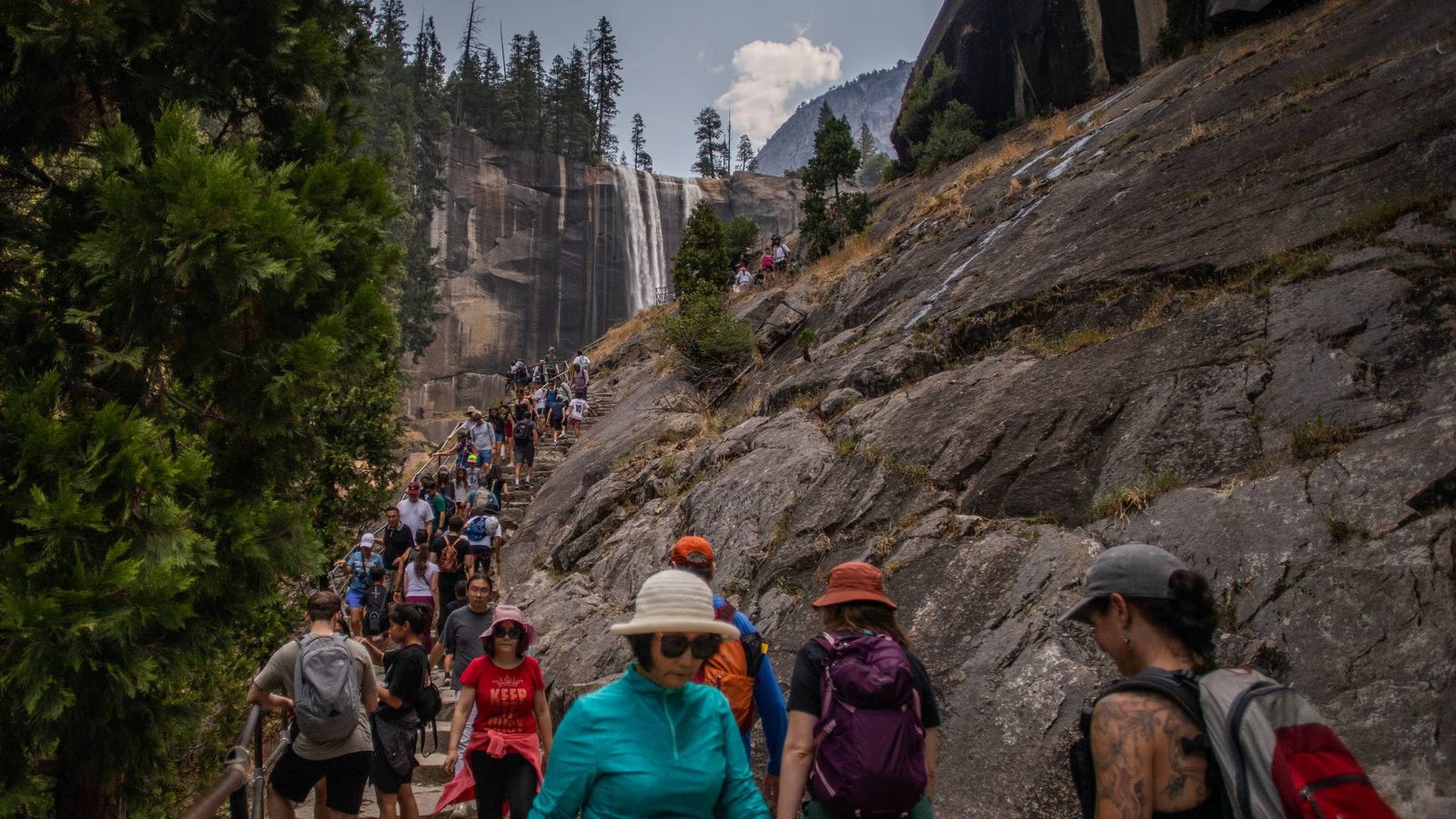
In April 2014, I made what would become the first of many trips to Yosemite National Park. Even then, in the short window between winter snow and spring wildflowers, it was crowded. I heard the same “Are we at Disney World?” joke while passing a steady stream of hikers on the popular Yosemite Falls Trail, and snagged the last room at the third motel I tried in Mariposa, more than an hour from the Yosemite Valley.
A decade later, and there’s been no respite for the burden of tourists in Yosemite—or any of the other most popular parks in the national park system. Today, visiting a major national park without reservations, permits, or backup plans feels as old-fashioned as feeding grizzly bears in Glacier National Park.
But here’s the uncomfortable reality in 2026: the very crowds straining national parks are also one of the best arguments for keeping them protected.
Go, and you contribute to overtourism, stress on staff and wildlife, pollution, and infrastructure overuse. Skip the park visits, and you withhold valuable funding and add to the political justification for privatization and weakening protections. There’s no opting out of the dilemma.
Major Parks Are Already Being Loved to Death
Visitation is not evenly distributed across parks, and a relatively small number of parks receive the bulk of the system’s annual visitors. The consequences of this are easy to understand. Yosemite officials had to rebuild Bridalveil Fall’s infrastructure, where unprecedented crowds on boardwalks required expanded viewing areas and trail rerouting to protect the surrounding habitat. Heavy vehicle traffic in the Great Smoky Mountains led to safety concerns about pedestrian-car accidents and congestion on and off trails. Once unimaginable visitor numbers are straining wastewater systems in Yellowstone; the park is on track to spend more than $1.5 billted turnerion to update them.
It’s a major concern for park advocates, like former ranger and current National Parks Conservation Association senior visitation program manager Cassidy Jones. “My worry is what visiting a park going to look like 10 years from now?” she asks. “Do we see whole meadows that have been trampled? Lots of human noise instead of natural sounds? Does it become an urban experience when you go to a park?”
Park management has responded with timed entry systems, permit requirements, and mandatory shuttles. These solutions work in an immediate sense by reducing peak congestion and protecting designated areas. But they require extra staff and resources to implement, and critics have directly linked park reservation systems with decreased spending in national park gateway communities. And the federal government abruptly announced an end to many of the most successful programs in a controversial February 2026 decision.
What’s become clear is that the system cannot absorb unlimited growth without degradation. But it can’t limit access without running into detrimental political and financial realities, either.
There’s a Growing Reliance on Visitor Revenue
In 2024, national parks hit a record 331.9 million visits, continuing a steady climb from roughly 290 million a decade earlier. A year later, visitation wobbled slightly to around 323 million, but by any practical measurement, parks are still operating at historically high levels of use.
But congressional funding hasn’t kept up. In 2014, Congress allocated the National Park Service (NPS) $2.5 billion—about $3.5 billion in 2026 dollars. The proposed 2027 budget is just $2.14 billion, despite tens of millions more visitors each year.
That gap in funding is increasingly filled by visitors themselves. Under federal law, parks retain 80 percent of the entrance fees they collect. For parks that charge fees, that revenue helps cover everything from trail maintenance to visitor services. Sites that don’t charge fees rely almost entirely on congressional funding, plus a share of the remaining 20 percent of fees not kept by individual parks.
In 2026, NPS announced historic rate hikes, charging non-US residents nearly three times the former rate to enter parks. The changes are shifting the system toward heavy visitation, even if it’s slowly killing the parks.
And the financial dependence doesn’t stop at park boundaries.
In 2024, national park visitors spent roughly $29 billion in gateway communities on hotels, meals, tours, and supplies. In some places, that dependence on visitor dollars is substantial: Great Smoky Mountains National Park generates an estimated $2 billion annually in visitor spending. It’s $905 million annually at Grand Canyon and $808 million at Grand Teton;
“When people visit Rocky Mountain National Park, if they stay overnight within the tax district, that’s what impacts our funding,” says Sarah Leonard, CEO of Visit Estes Park. “Our primary budget is from that tax.”
Communities that rely on NPS tourism can be hurt when visitation is down. During the 2013 government shutdown, a roughly 30 percent drop in October visitation resulted in an estimated $414 million (nearly $600 million in 2026) loss in visitor spending in gateway communities nationwide. It’s one of the reasons tourism organizations like Estes Park wouldn’t say they’re encouraging less tourism, but are supporting “properly managed tourism,” says Leonard says.
“It’s definitely top of mind in Estes Park,” she adds.
The Politics of Crowded Parks
National parks occupy a peculiar space in American political life, widely regarded as untouchable, iconic, and “America’s best idea.” But they are extremely vulnerable, and their designation alone is not enough to prevent weakening of protections, changing boundaries, or increased development on surrounding land. Visitation isn’t the only form of engagement, but it’s among the most visible and easily quantified. In towns like Estes Park, Leonard says locals are “very passionate” about what happens in the park, and try to make sure the park’s many tourists—4,171,431 in 2025—see crowd-management tools in action.
This visibility matters because it keeps parks in the public conversation, where policy decisions are more likely to face scrutiny. Even after record-setting visitation numbers, proposed budget cuts in 2026 deplete NPS funding by roughly 20 to 25 percent. This comes one year after more than 4,000 NPS employees were lost through layoffs, DOGE buyouts, resignations, and hiring freezes. Record visitation didn’t shield parks from cuts, but declining visitation makes it easier to justify them. And in 2026, the deprioritization of parks is already driving policy.
New leasing proposals and drilling expansions have targeted areas adjacent to national park sites, raising concerns about air, water, and habitat impacts on the parks themselves. More broadly, the Trump administration moved to expand oil and gas development across federal public lands, including reopening more than 1.5 million acres of the Arctic National Wildlife Refuge to drilling and approving a slew of leases to oil and gas companies on Bureau of Land Management (BLM) land throughout the West.
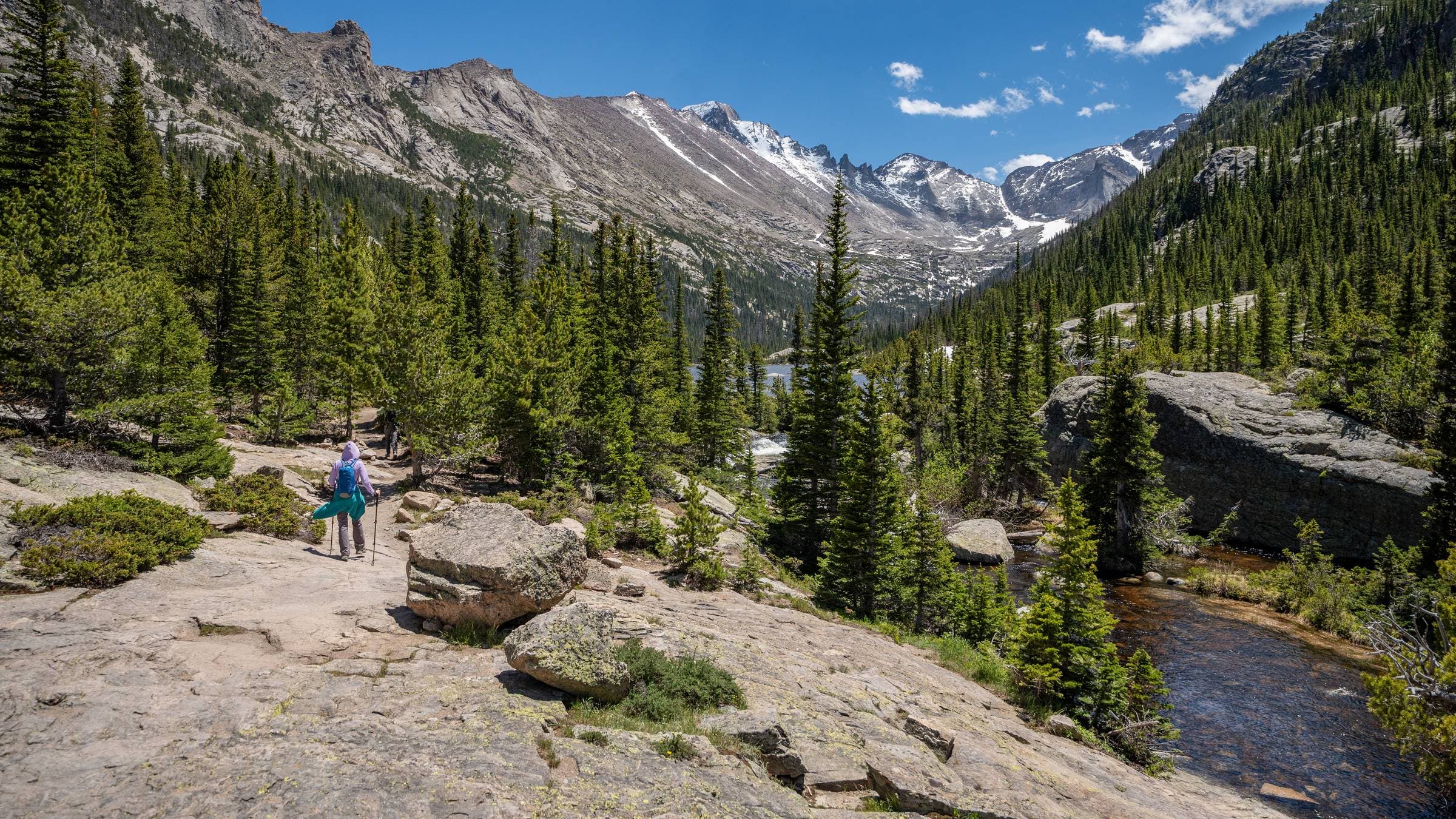
When parks are crowded, they’re hard to ignore. Long entrance lines, packed trailheads, and debates over reservation systems keep them in the headlines. Without that visibility, it becomes easier for decisions about parks to happen out of view, especially in a political climate with active efforts to shrink, privatize, or open public lands to development. In other words, high visitation doesn’t guarantee protection, but it makes decisions affecting parks difficult to ignore.
So What’s a National Park Lover to Do?
One solution is to visit, but treat civic responsibility as part of the cost of entry. Jones advises that visitors need to look behind the curtain and understand the challenges parks are really facing. The experience visitors may have in parks this summer is “very likely a facade,” she says. “The staff that you’re interacting with have lost just scores and scores of their colleagues, and there are all kinds of important work that keeps parks protected in perpetuity that is not getting done,” she notes, pointing to cuts in jobs ranging from research to infrastructure planning.
National park trips need to be treated differently from a typical vacation. These are public lands, and anyone using them needs to consider the greater good. “I appreciate that folks want to create the best experience for themselves,” Jones says. “That’s great — for them. They need to pair that with speaking up for systemic changes that will make things smoother in the long term.”
If you aren’t willing to do that, stay home.
Beyond that, the only answers being given are the usual generic solutions to overtourism: visit in the off-season, go to less popular parks. But the latter, at least, doesn’t address the impact on gateway town economies or do much to help with funding, as many smaller NPS sites don’t collect entrance fees.
It’s an unavoidable dilemma under what Jones says is a political system “with a stated focus on visitor access at all costs.” “This administration is just wanting to focus on the people who are interacting with visitors,” she says, “and not supporting the people behind the scenes who help the parks fully meet their mission.”
That’s what makes visiting a national park in 2026 feel fundamentally different from it did a decade ago. It’s not just about recreation, but participating in a system with no easy outcomes. We’re well past the days of asking whether parks are being loved to death; just ask any park ranger. Now, national park fans need to take it a step further: Is there any way for parks to survive being loved less?
Suzie Dundas is a Lake Tahoe-based travel writer, editor, and author whose public lands coverage spans both boots-on-the-ground coverage and reporting on the the environmental and political forces affecting them. She’s the author of various published and upcoming Lonely Planet national parks guides, with an undergrad degree in government and politics an an M.A. in media and public affairs.
