

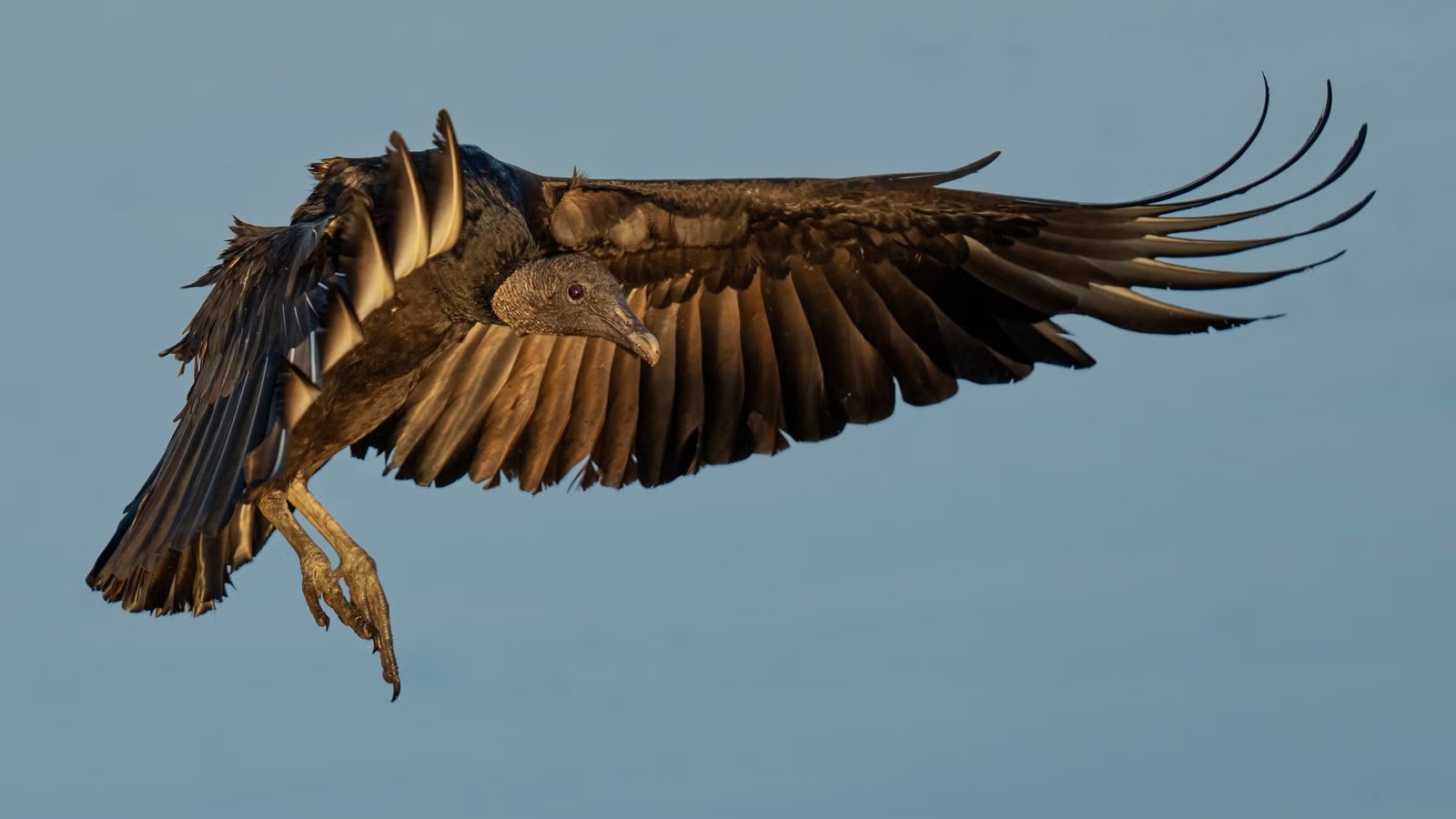
The National Park Service is seeking tips after 33 federally protected black vultures were illegally dumped in America’s most popular park.
Black vultures are a federally protected species under the Migratory Bird Treaty Act (Photo: Michael J. Cohen, Photographer/Getty Images)
Published May 7, 2026 06:51PM
The National Park Service is searching for whoever dumped the bodies of dozens of federally protected black vultures in Great Smoky Mountains National Park early last month.
“On April 6 at approximately noon, Great Smoky Mountains National Park rangers reported a large number of dead birds along the side of the road on Foothills Parkway West,” NPS wrote in a statement. “Park wildlife rangers identified that 33 black vultures had been dumped.”
Outside contacted NPS for any other information on the potential motive or cause of death, but did not receive a response in time for publication.
The Migratory Bird Treaty Act federally protects black vultures and makes it illegal to kill, take, or possess more than 1,000 bird species in the U.S. The 1918 law is the same that protects eagles, flamingos, hawks, and owls. Violators face a fine of $250,000 and a two-year prison sentence. Dumping of anything in a national park is also illegal, with charges of up to six months in prison and fines totaling thousands of dollars.
Hardy Kern, director of government relations at American Bird Conservancy, told Outside that black vultures play an important role in their landscapes but are often seen as a menace.
“Vultures play a very crucial and unique role in maintaining ecosystem health, hence why conserving them and their habitats is so important,” Kern said. “Where we might see a ‘creepy’ bird with a stooping gait that likes to hang around dead things, nature sees a recycling service, a landscaper, and a public health office rolled into one.”
With wingspans of up to five feet, the birds serve as a cleanup crew for many North American ecosystems, feeding on dead and decaying animals. Black vultures’ stomach acid is corrosive, allowing them to safely digest carcasses infected with harmful pathogens that would be lethal to other animals, removing these germs from the environment. But misconceptions about vultures feeding on live animals often lead to conflicts with humans, Kern said.
“If you don’t get mad at the people who haul away your trash and recycling, you shouldn’t get mad at vultures,” he added. “Areas without vultures tend to have more disease among wildlife, livestock, and even people.”
Black vultures and condors faced extinction in the 20th century due to urban expansion that destroyed their habitat and the widespread use of DDT. Scavenging birds like black vultures can eat large predators poisoned by people, such as wolves or mountain lions, and thus poison themselves.
“Several vulture species around the world face extinction due to habitat destruction, poisoning, and hunting. In the U.S., toxins like rodenticides and lead poisoning, mostly from spent ammunition, continue to be a major threat to black vultures,” Kern said.
The Foothills Parkway, where the birds were dumped, is a scenic, federally managed corridor located on the Tennessee side of the park. Although officials originally approved the parkway as part of a future 72-mile system, crews have completed only a few sections of the road to date. NPS is asking anyone in the area of the Foothills Parkway between Chilhowee and Walland on April 6 to contact the agency by email at the email address listed here. Dashcam footage, photos, witness statements, or any other information may help identify the person responsible. Tipsters can remain private.
