

Published May 8, 2026 09:44AM
I’ve lost track of the number of times I’ve completed the 11-day hike from Himalayan foothills of Lukla up to Mount Everest Base Camp. The 40-mile hike takes in lush forests, picturesque villages, and some truly punishing inclines as it ascends about 8,000 vertical feet.
In 2025 I wrote about how the towns, tea houses, and tourism industry along the route have changed and grown over the past few decades. After 28 years of living and trekking in Nepal, it feels almost as if the Mount Everest Base Camp trek and myself have grown up together.
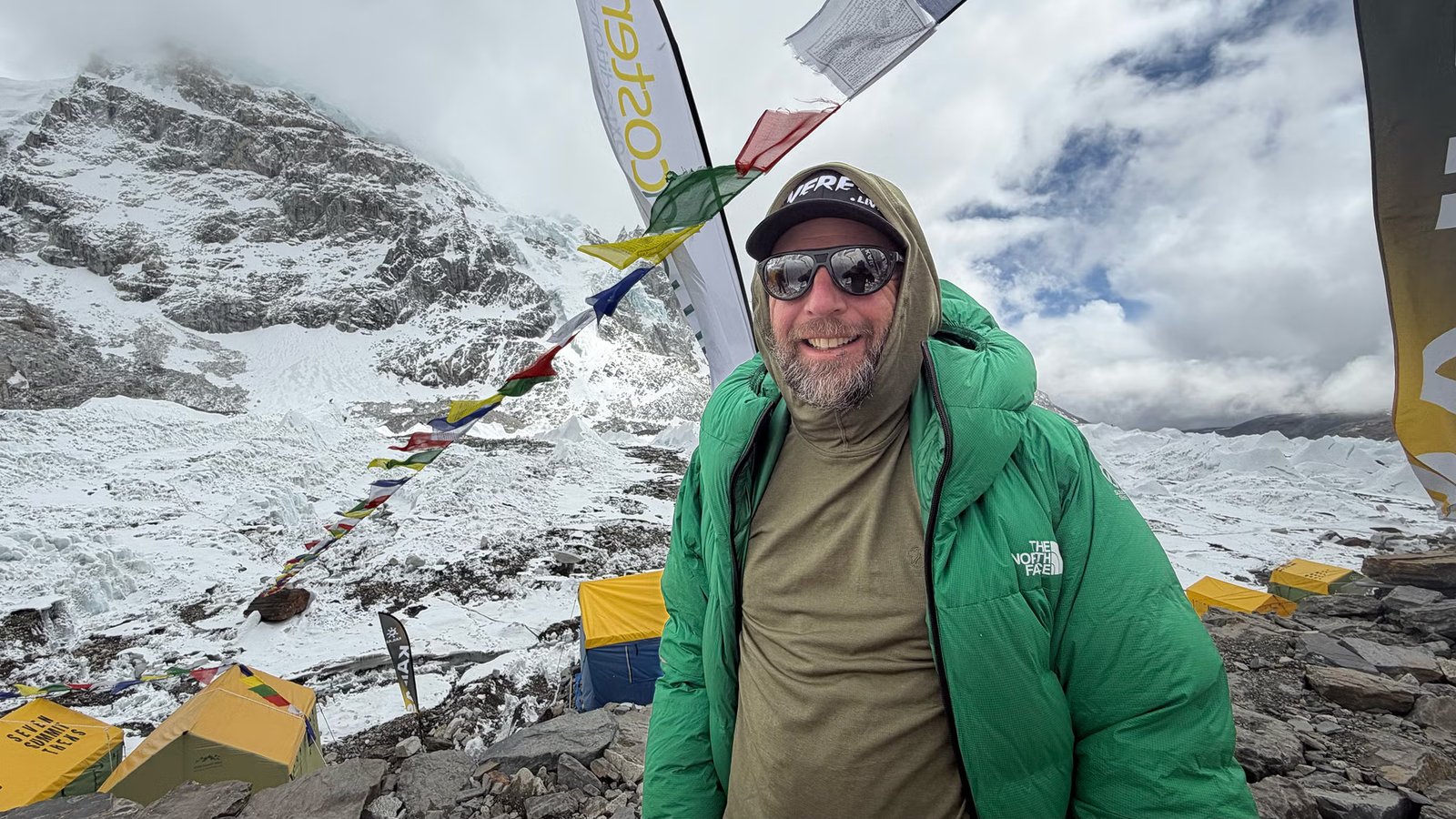
Over nearly three decades, I’ve painstakingly refined my trekking gear and the techniques I use to stay healthy on the walk to the top of the world. During my 2026 hike to Base Camp, these eight items kept me warm in frigid conditions, protected me from the high-altitude ultraviolet rays, and prevented my lungs from developing the notorious Khumbu cough.
The Gear I Loved on My Hike to Mount Everest Base Camp
La Sportiva Aequilibrium Trek GTX
Why I love it: Extreme comfort for day-in, day-out hiking, but a hard and sturdy sole that can survive punishing hikes on talus and rocks
Over the years, the heft of my footwear has retreated at around the same pace as my hairline. Aside from a few painful hours in my twenties when I foolishly thought it was a good idea to hike to Namche in flip-flops, my hiking boots haven gotten lighter every year. But in 2025, I found myself wishing for the sturdy traction of an actual hiking boot as my lightweight trail runners slipped in the scree and glacial till of the Khumbu Glacier on the final approach to Base Camp.
This year, I chose a pair of La Sportiva Aequilibrium Trek GTX hiking boots and wondered why I hadn’t done so sooner. The boots were supple enough to require basically zero break-in time, but they’re sturdy in all the right places and surprisingly warm in the downright frigid conditions up here at Base Camp. I wore them with confidence every step along the way to Base Camp, and they remain my preferred daily driver now that I’m walking over the glacial scree and ice at the foot of the mountain.
Darn Tough Hiker Boot Midweight Hiking Socks
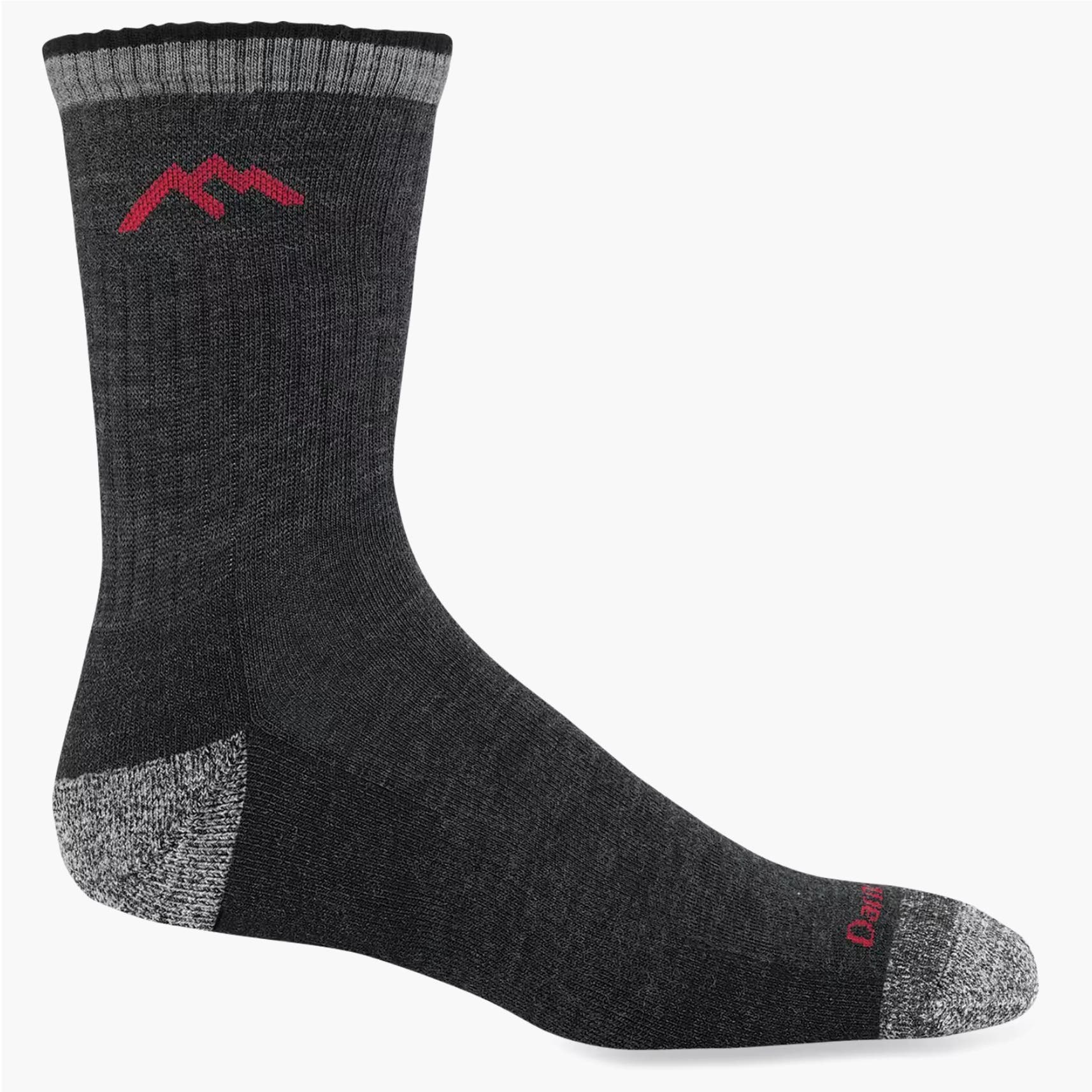
Why I love it: Extremely warm yet amazingly lightweight, no-questions-asked lifetime warranty
For the umpteenth time, I paired my boots with a few pairs of Darn Tough Hiker Boot Midweight Hiking Socks. These are the gold-standard socks for hiking, and they wear well across multiple days without washing, and are as comfortable as anything I’ve worn. Once I arrived at Base Camp, I switched to their legendary heavyweight mountaineering socks, which have a cult following on Everest due to their extraordinary warmth-to-weight ratio. There’s a certain peace of mind from buying gear that I know was manufactured entirely in the USA, and their no-questions-asked lifetime warranty is an added plus.
Fjällräven Abisko Sun Hoodie and Wool Hoodie

Why I love it: Baggy hood that won’t get caught in your mouth, wider sleeves that can be scrunched up to vent heat
It’s been many years since I went on a hike or a ski trip without wearing a hooded long-sleeved as my base layer. These garments are so effective yet simple: you can scrunch up the sleeves if it gets warm, and use the hood as sun protection or for added warmth. This year, I rotated between the Fjällräven Abisko Wool and Sun Hoodie. Both were exceptional, but I found myself preferring the feel and weight of the wool version, especially as we gained elevation and the temperature dropped. Either way, both shirts are well-designed, with protective, roomy hoods that provided enough coverage against the harsh sun without suffocating my face.
Skida Neck Gaiter
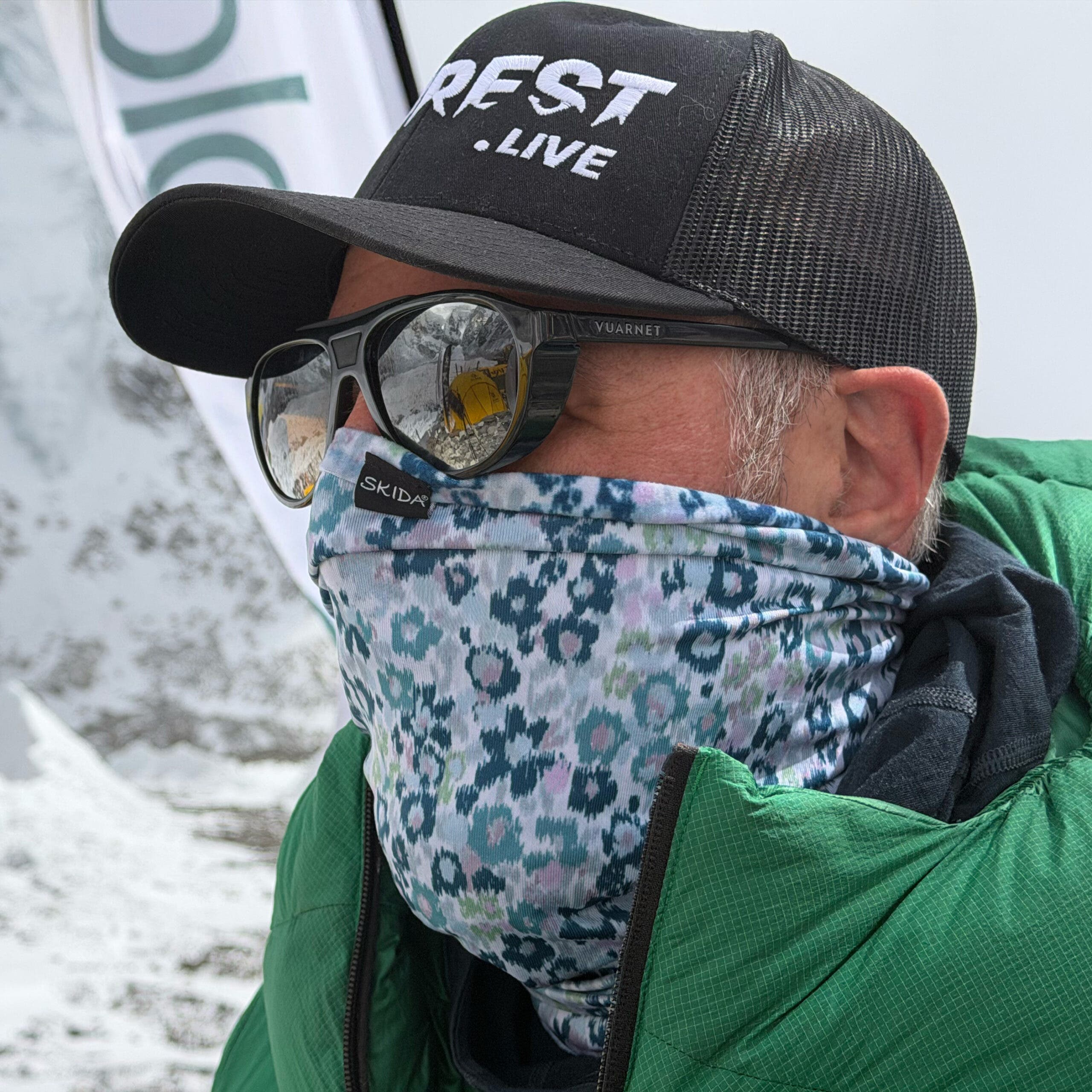
Why I love it: Inexpensive way to keep yourself protected and warm during a hike
I never head to high altitude without a handful of thin Skida neck gaiters, which I wear 24/7, even when I’m asleep. One of the biggest challenges posed by the Mount Everest Base Camp trek is the aforementioned “Khumbu Cough,” the loud and hoarse hack that most hikers and Everest climbers develop along the way.
It’s believed that the cough is the byproduct of dehydration, breathing in painfully thin air, and by the particulates and dust you breathe in along the way. The best way to prevent this common ailment is to cover your mouth so that warm, moist air stays in, and the dust and pulverized yak poop from the trail stays out.
Sometimes while hiking at altitude, wearing a neck gaiter leaves me gasping for breath. I use this as a sign to slow down my pace and to reduce my respirations until I can feel comfortable while breathing through the gaiter. I end up actually enjoying the view more at this pace, and I ward off the cough. Also, by not having to take constant breaks, the slower and more even-keeled pace is actually faster in the long run.
Vapro Airtrim Sport Mask Blue Respirator
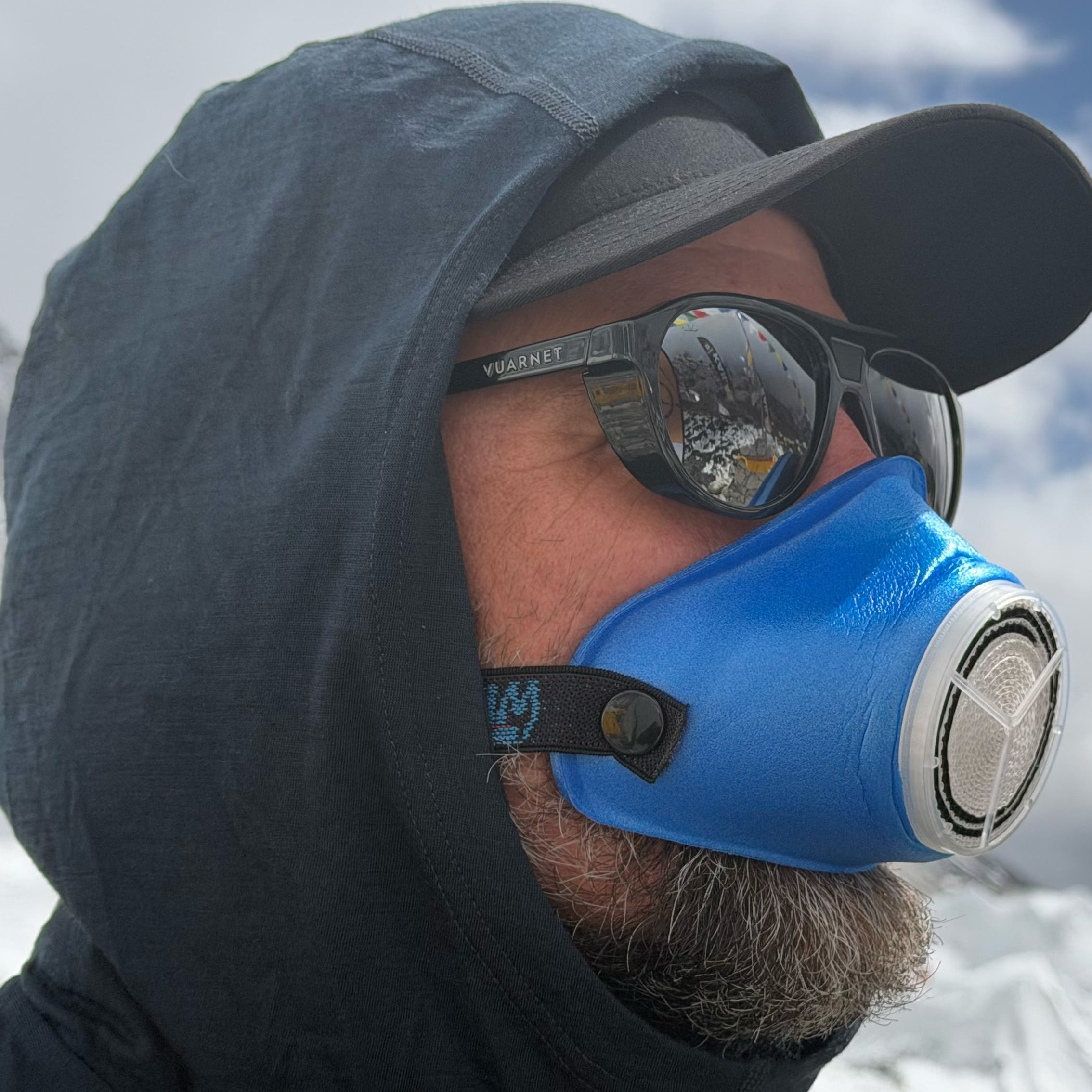
Why I love it: Keeps your lungs warm by filtering and warming cold air at extreme altitude
As I approached Base Camp this year and the temperature plummeted, I switched from my gaiter to using an Airtrim Blue respirator by Vapro. These masks are typically used by cross-country skiers in extreme cold or by climbers chasing Himalayan ascents without the aid of supplemental oxygen.
The heat-exchange filter in the mask recovers the heat and moisture from your exhaled air, and then transfers the warmth and humidity into the air you breathe in. Thus, the mask makes it easier to breathe in freezing conditions.
I found the simple masks to be efficient and light, and they helped keep my lungs warm as the air got thinner. Thanks to this, I arrived at Everest Base Camp with clear lungs for the very first time during my many treks to Base Camp.
Vuarnet Ice 01 Sunglasses
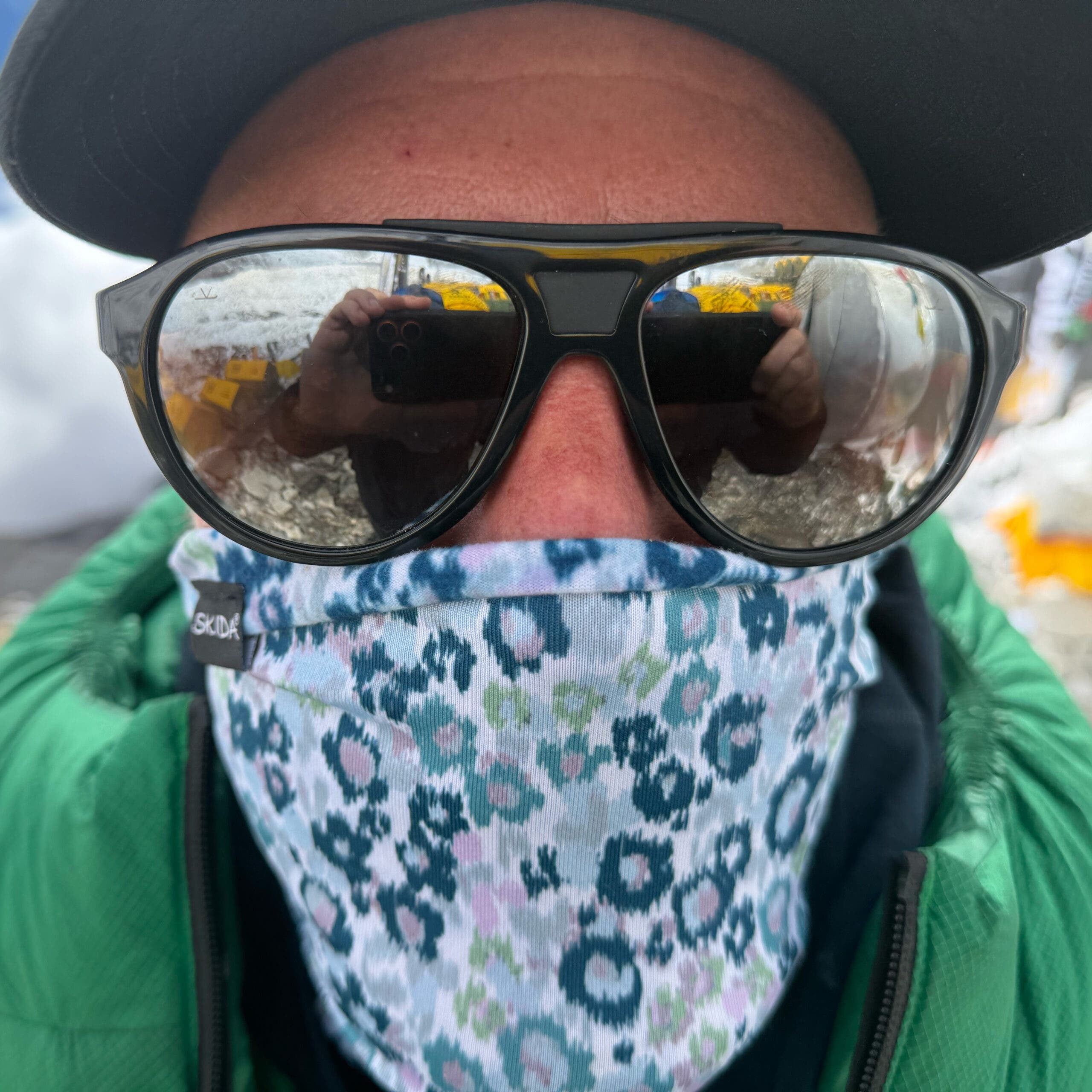
Why I love it: Fits wider faces, protects against extreme sun and glare off of snow and ice
Above the gaiter and respirator, I wore a pair of Vuarnet Ice 01 sunglasses for the entire trek. I usually wear dedicated glacier glasses at this elevation, since they’re easier to mold around the bridge of my nose. But the nylon-framed Ice 01 fit perfectly on my face, and offer excellent coverage.
No matter if the Ice 01 are your preferred sunglasses, I do recommend investing in good, reliable eyewear for the trek. The sun’s ultraviolet rays are far more intense at extreme altitudes. And at Base Camp, you’re surrounded by glacial ice and snow, which radiates the sun rays back. Anyone wearing chintzy glasses runs the risk of suffering retinal damage from the high-altitude glare.
Kailas Aether-D 30L Backpack
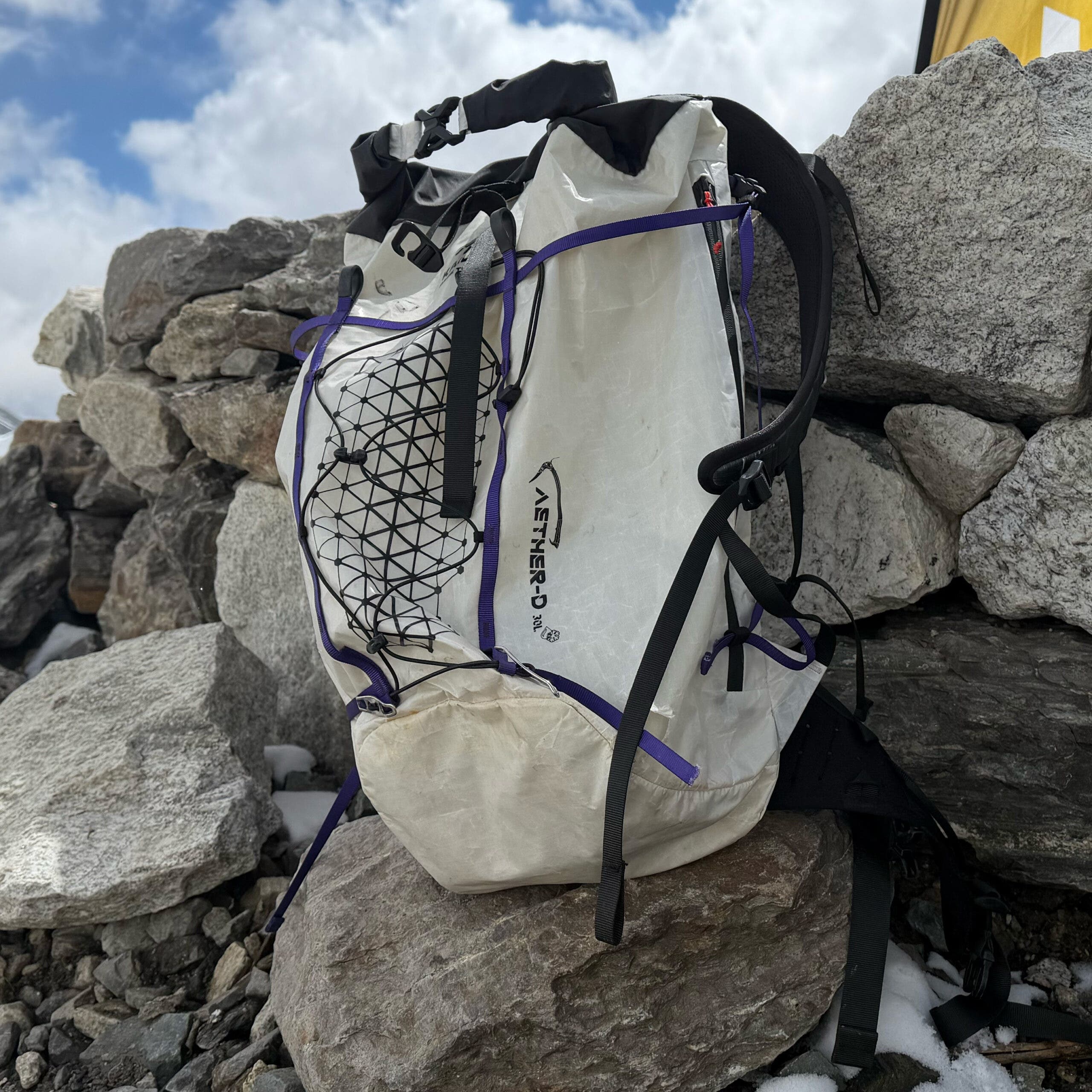
Why I love it: Inexpensive and easy to buy, simple design allows for quick location of items inside
In addition to reporting for Outside, I also run a platform called Everest.Live that does live daily social media and news updates from the mountain. For this project, we partnered with Kailas, a Chinese outdoor apparel company that is extremely popular in Nepal and with Everest climbers from around the world. I used their Aether-D 30 L backpack for the entire trek. While the backpack is designed for technical climbing, I loved the simplicity of the design and ease of use during the daily grind of a trek. It’s constructed from Dyneema, a material known for being lightweight, waterproof, and nearly indestructible.
There may not be any flashy bells or whistles, but it’s a streamlined, rugged pack with everything you need.
Paka Original Crew Sweater
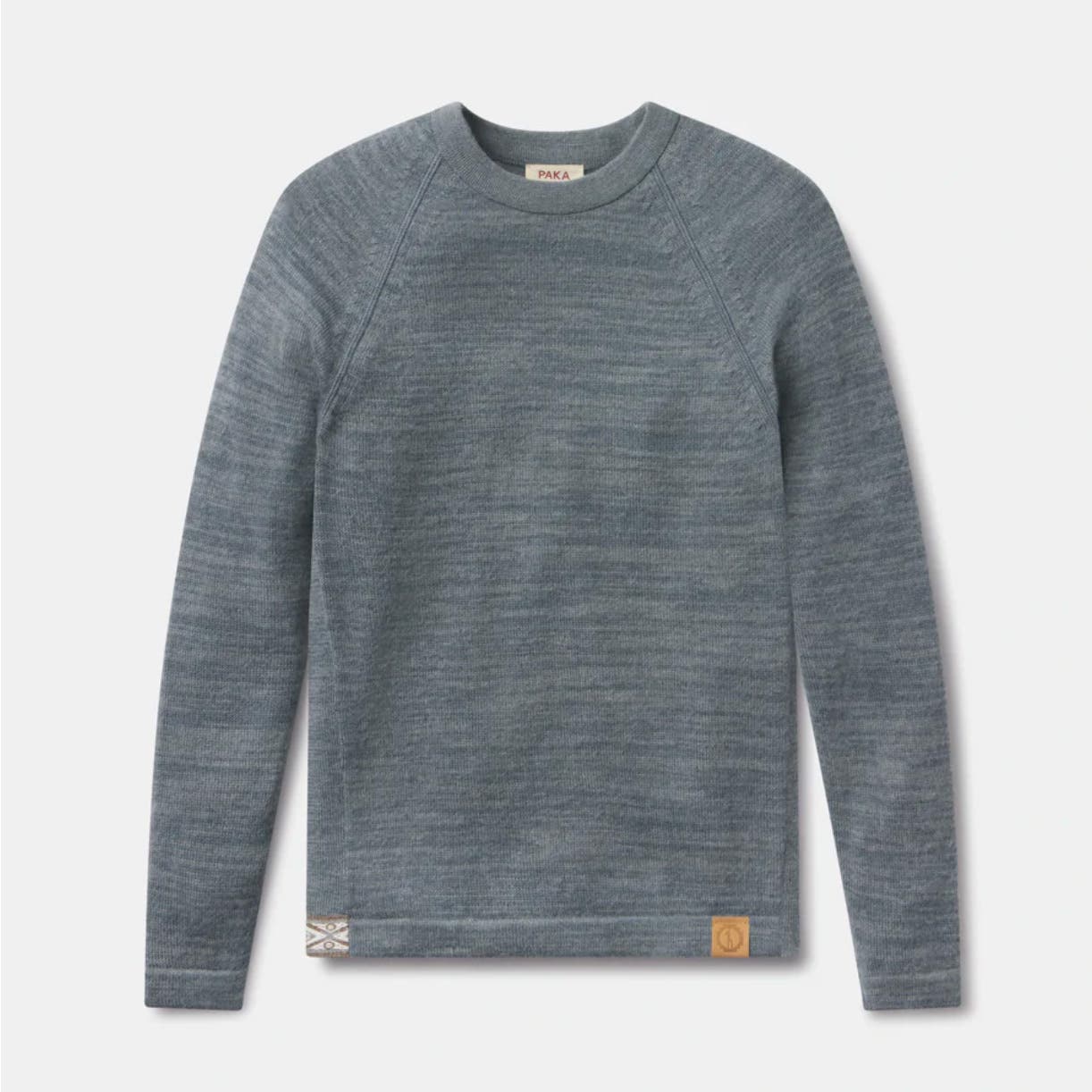
Why I love it: Keeps you warm but doesn’t look like a technical piece of outerwear
To stroll through Everest Base Camp is to see a global convention of outdoor gear and apparel. Amid this sea of technical parkas and Gore-Tex pants, it’s surprisingly tough to stand out.
The Paka Original Crew stands out because it doesn’t look like technical gear, even though it’s plenty warm, durable, and perfect for an outdoor trip. The garment is made from 65 percent Roayl Alpaca fiber, known for its warmth and breathability. It’s also known for resisting odors. . Sometimes you want to wear a garment that doesn’t look like it was designed in a laboratory to survive the slopes of Everest—even if it is warm enough to do so.
