

Published May 8, 2026 02:37PM
Key Takeaway: Looking for the best car camping gear beyond tents and sleeping bags? This guide covers useful camping accessories—from organizers and coolers to lighting, tech, and luxuries that improve campsite living. This year, we added an entirely new section called “best camping gear tech” with a headlamp, power station, projector, and speaker. Our top picks include the Black Diamond Stella-R Headlamp and Ultimate Ears Everboom Bluetooth Speaker.
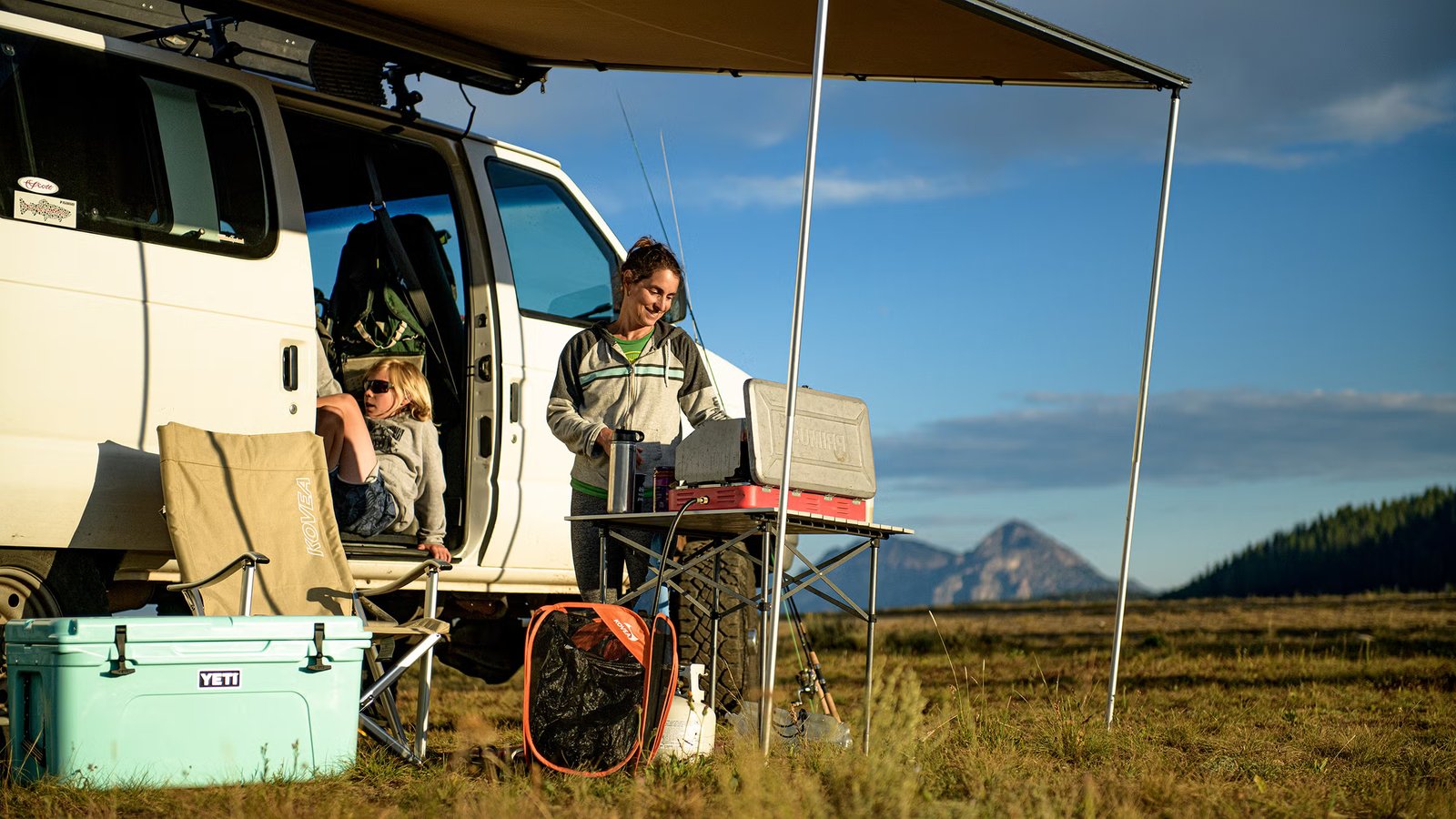
If backpacking is a minimalistic pursuit, car camping is a celebration of excess. Thanks to trunk space and truck beds, campers have room for all the essentials—plus some luxurious extras. For outdoor enthusiasts with outsized toy collections, there’s no better way to travel.
Whether you’re chasing swell, singletrack, steelhead, or some other white rabbit, this thoroughly tested, top-rated car camping gear—from tech gadgets to coolers to storage solutions—will ensure that you feel right at home no matter where you roam.
Best Car Camping Gear: At a Glance
Car Camping Tech Gear
Organizers and Storage Essentials
Camp Life Luxuries
Car Camping Tech Gear
Black Diamond Stella-R Headlamp
Weight: 2.6 ounces
Lumens: 350
Pros and Cons
+ Rechargeable
+ Solid primary beam
+ Ambient and party color modes
– Not as practical for backpacking or ultralight adventures
Most headlamps are as slim, efficient, and powerful as possible to cater to the fast-and-light crowd: trail runners, backpackers, backcountry skiers, climbers, you name it. But Black Diamond’s Stella-R is more playful than powerful and puts the fun in function for campers who care less about beam distance and lumen count and more about, well, vibes.
Still, the USB-C rechargeable Stella-R is no slouch when you stroll from camp to pit toilet, or embark on a sunset scramble. The 350-lumen maximum output is plenty, and a focused beam tilted downward 30 degrees offers optimal field of view. But there are plenty of other headlamps, many of them in Black Diamond’s own line, that handle those techy tasks better. The Stella-R’s distinguishing feature is the frosted bulb of the headlamp, which casts smooth, warm light that won’t leave your campmates walking into nearby trees. Multiple modes include a single ambient color setting and a multi-color “vortex” that’s ideal for silent discos, music festivals, and outdoor enthusiasts who appreciate LSD and LED alike.
Our personal favorite? A glowy, flickering campfire mode that sets the mood, whether you’re chilling in your camper or testing the strength of tent guylines with your significant other. “If there’s a fire ban but you still want to make that spark, the Stella is for you,” joked a Tahoe tester.
Travoca Vega 1500 Power Station
Weight: 38.6 lbs
Sizes: 15.9 x 8.6 x 11.6 inches
Pros and Cons
+ Stackable and packable
+ Relatively affordable given 1536Wh capacity
– Rear outputs can be hard to reach
– Not as durable as pricier competitors
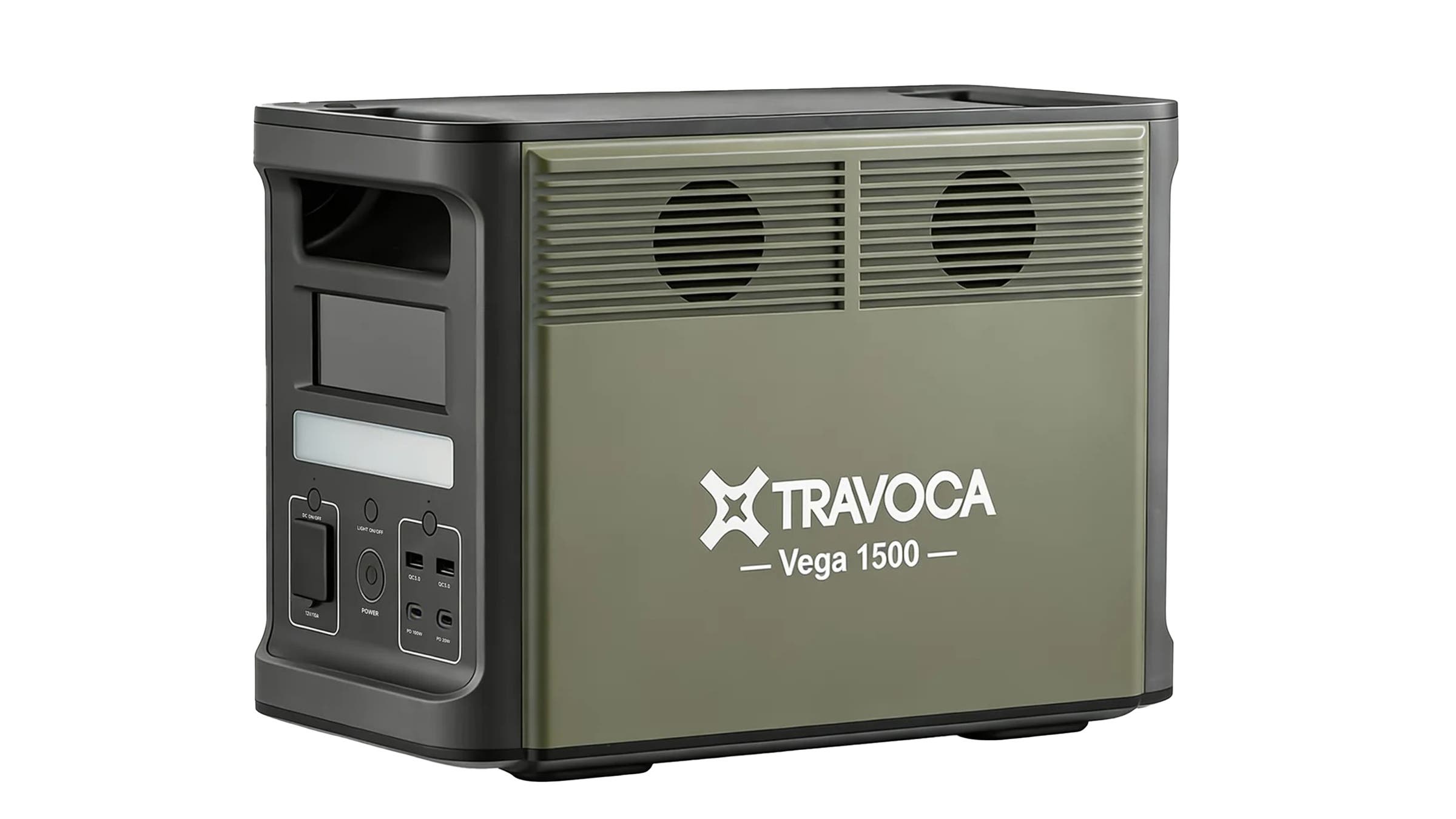
Travoca’s Vega 1500 provides campers with 1536 Watt-hours of power—enough to charge your smartphone for a month (or two) and keep an electric cooler frosty for multiple days. Instead of a lithium-ion battery, the core of the Vega is a lithium iron phosphate battery ( LiFePO4), which can be charged upwards of 4,000 times. It features AC and DC inputs, and comes with a standard AC charging cable for fast at-home charging and a 12V trickle charger for solar top-ups on the road.
Tall and slender with double grab handles, the Vega packs easily into nooks and crannies. “It’s much easier to lift and stash than other 1500Wh power stations I’ve tested,” said one tester. Two fans located high on each side keep the unit cool. The front panel features an LED screen that showcases key data like input, output, and remaining battery life, while multiple outputs accommodate complex charging needs. Those outputs include a cigarette lighter-style jack, four USBs, and three AC outputs. Our biggest gripe is that all three AC outputs are located on the back panel of the Vega, making it tough to charge from the front and back simultaneously.
One tester voiced concern with the Travoca Vega’s longevity, as certain elements, like the panel covering the rear inputs, feel flimsy. Overlanders, vanlifers, and hardcore car campers who value durability above all else might want to check out the pricier, tester-approved Goal Zero Yeti 1500, which features a more robust, aluminum, splashproof build. But for the vast majority of recreational campers, the Travoca Vega gets the job done with flying colors.
Xgimi Halo+ Portable Projector
Weight: 3.5 lbs
Sizes: 6.8 x 4.5 x 5.7 in
Pros and Cons
+ Great auto focus and keystone correction
+ Projects on multiple surfaces from multiple angles
+ Crisp imaging and surprisingly solid sound
– No carrying case or handle; needs to be babied in transit
– External battery needed for long movies
Whether you’re planning a surprise date night for your SO or creating everlasting memories with your little ones, adding a portable projector like the Xgimi Halo+ to your kit is a legendary move.
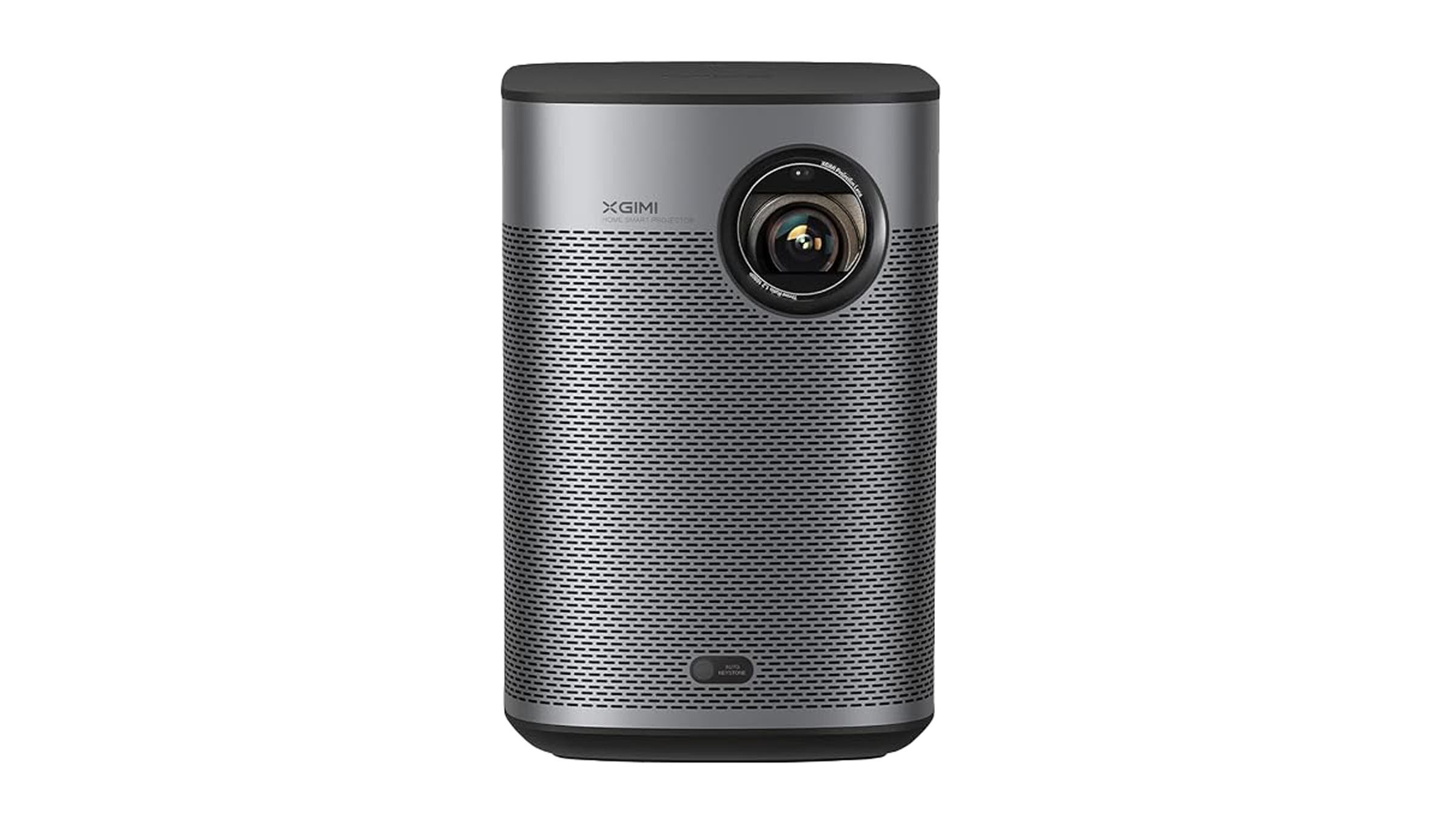
With 700 lumens of brightness and 1080 pixels for clarity, the compact projector casts crisp, bright visuals whether you’re projecting images onto a sheet hung between trees, the side of a van, or a white wall at home. Testers dug the auto focus and auto keystone correction, which automatically adapt to different surfaces and straighten out the image even when projected from diagonal angles. You can also tweak the focus manually in a pinch. “I’d categorize myself as technologically hopeless,” admitted one tester. “But the projector is pretty easy to use.”
Audiophiles will be pleasantly surprised by the two built-in, five-watt Harman Kardon speakers. This isn’t cinematic surround sound by any means, but for the size of the projector, it’s damn good. Just connect to WiFi, Bluetooth, USB, or HDMI, and streaming apps to binge movies to your heart’s content. Xgimi claims the battery life is 2.5 hours, but we found that for feature films, we needed a portable power source. This also helps maintain brightness.
As for size, the Halo+ is a little bit bigger than our testers’ go-to French press. It’s fairly square, but without a handle, it requires some forethought and babying in transit. We like to stash it in a protective gear box like the Yeti Loadout GoBox or North Face Camp Box (reviewed above).
Ultimate Ears Everboom Bluetooth Speaker
Weight: 2.1 lbs
Sizes: 8.1 x 3.4 x 4.33 in
Pros and Cons
+ Waterproof housing floats
+ Easy controls
+ Quality sound
– Pricier and heavier than some competitors
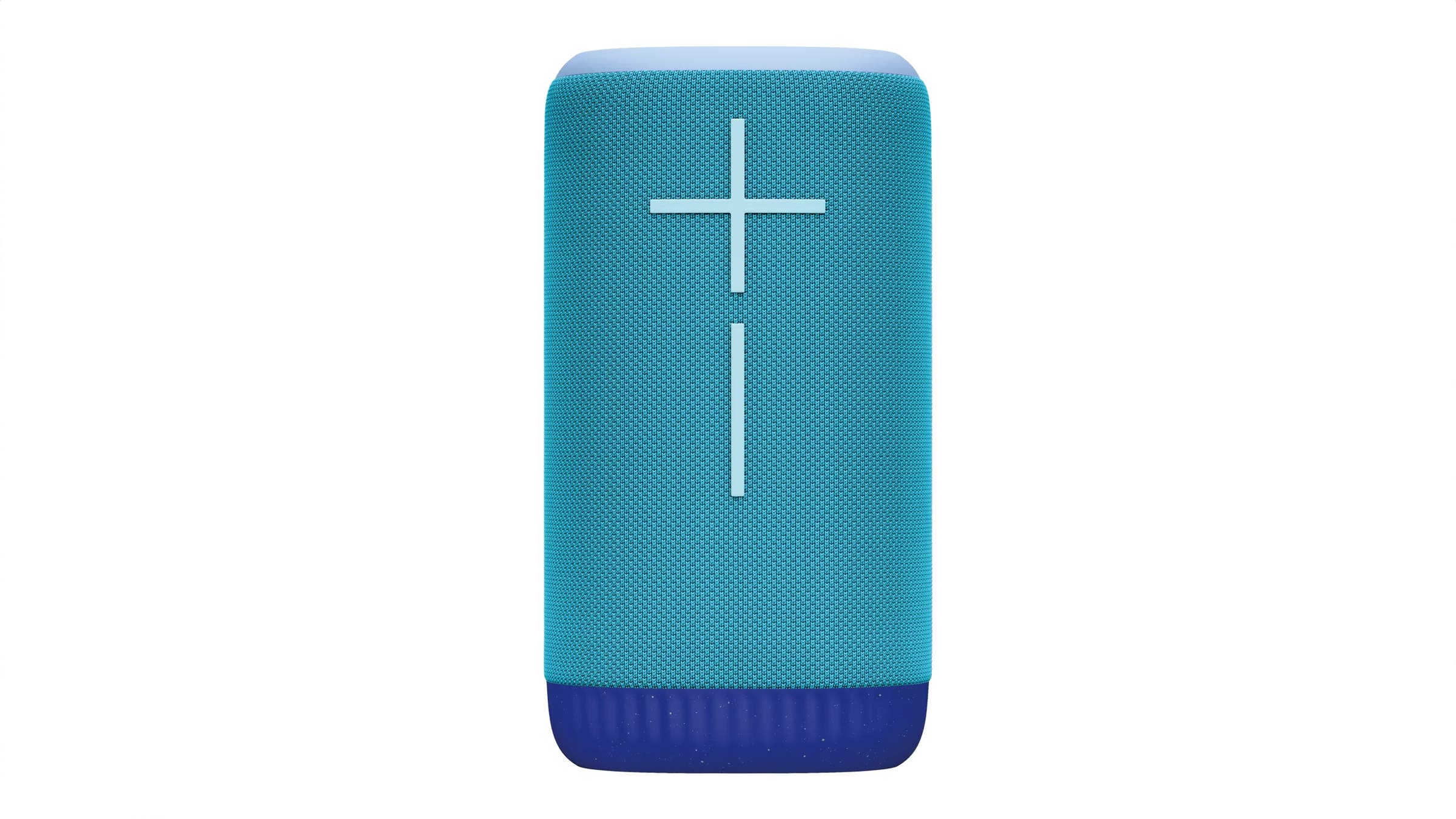
Of all the Bluetooth speakers on the market, the Ultimate Ears Everboom is our top pick for camping for its size, sound quality, and rugged design. About the size of a post-adventure burrito, the Everboom’s dual drivers serve up relatively rich sound for such a petite speaker. With 20 hours of battery life, the Everboom held up for multiple days without needing a recharge. There’s also a 55-meter Bluetooth range, which we put to the test on paddleboard adventures in the Willamette River in Oregon and group floats on the Truckee River in California, when the speaker was on one vessel and the DJ on another.
The Everboom thrived on those wet and wild adventures, as the buttons are easy to operate, it’s rugged as hell (drop tested to one meter), and waterproof. It also floats. “The carabiner attachment is crucial for keeping it lashed down to your boat, board, raft, or tube, but if it comes loose you won’t lose it to Davy Jones’ locker,” gushed a tester after multiple river trips.
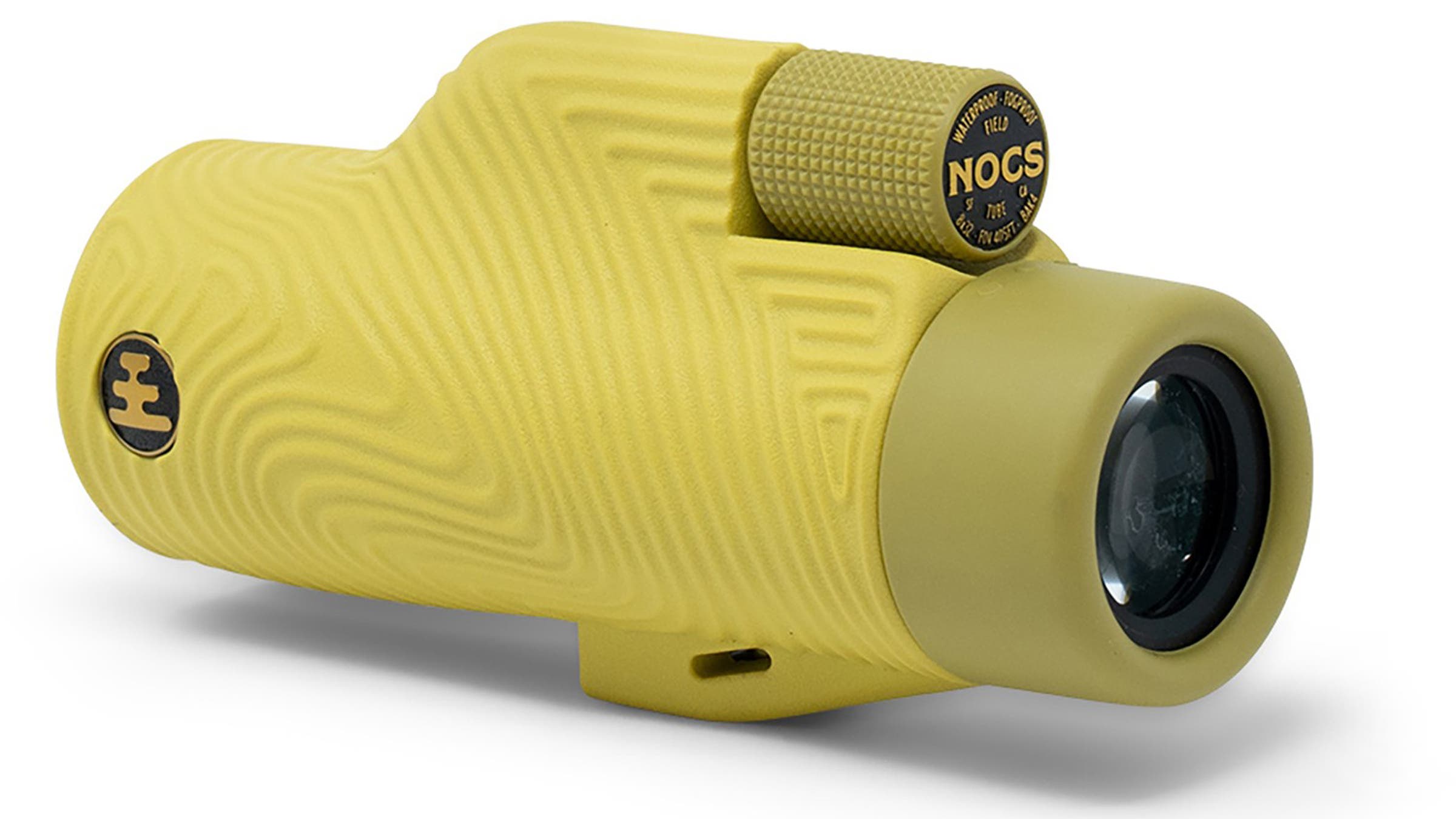
Nocs Provisions Field Tube
Weight: 8 oz
Pros and Cons
+ Easy to use
+ Compact
+ Focus dial is smooth and intuitive
– Too big or bulky for certain ultralight adventures
– Pricey
The Nocs Provisions Field Tube is the definition of big fun in a small package. The fog- and waterproof monocular is five inches long with a 32-millimeter front lens, making it packable for road trips, day hikes, and car camping adventures. The simple, one-handed design is intuitive, too—just look through the eyecup, aim, and roll the smooth, outsized focus wheel to dial in sharpness and clarity through the multi-coated lenses.
The monocular boosts vision with either 8x or 10x magnification, depending on the version you choose, and provides crisp visuals. We found it handy for everything from scoping potential campsites to spontaneous bird- and whale-watching outings, although dedicated birders may prefer the Pro Issue 8x42mm Binoculars, which we also tested and appreciated.
But for its price and convenience for most in-camp uses, the monocular won out. “I could watch fish rise from way down river in California, and check out waves from way up the beach on the Oregon coast,” reported one tester.
Organizers and Storage Essentials
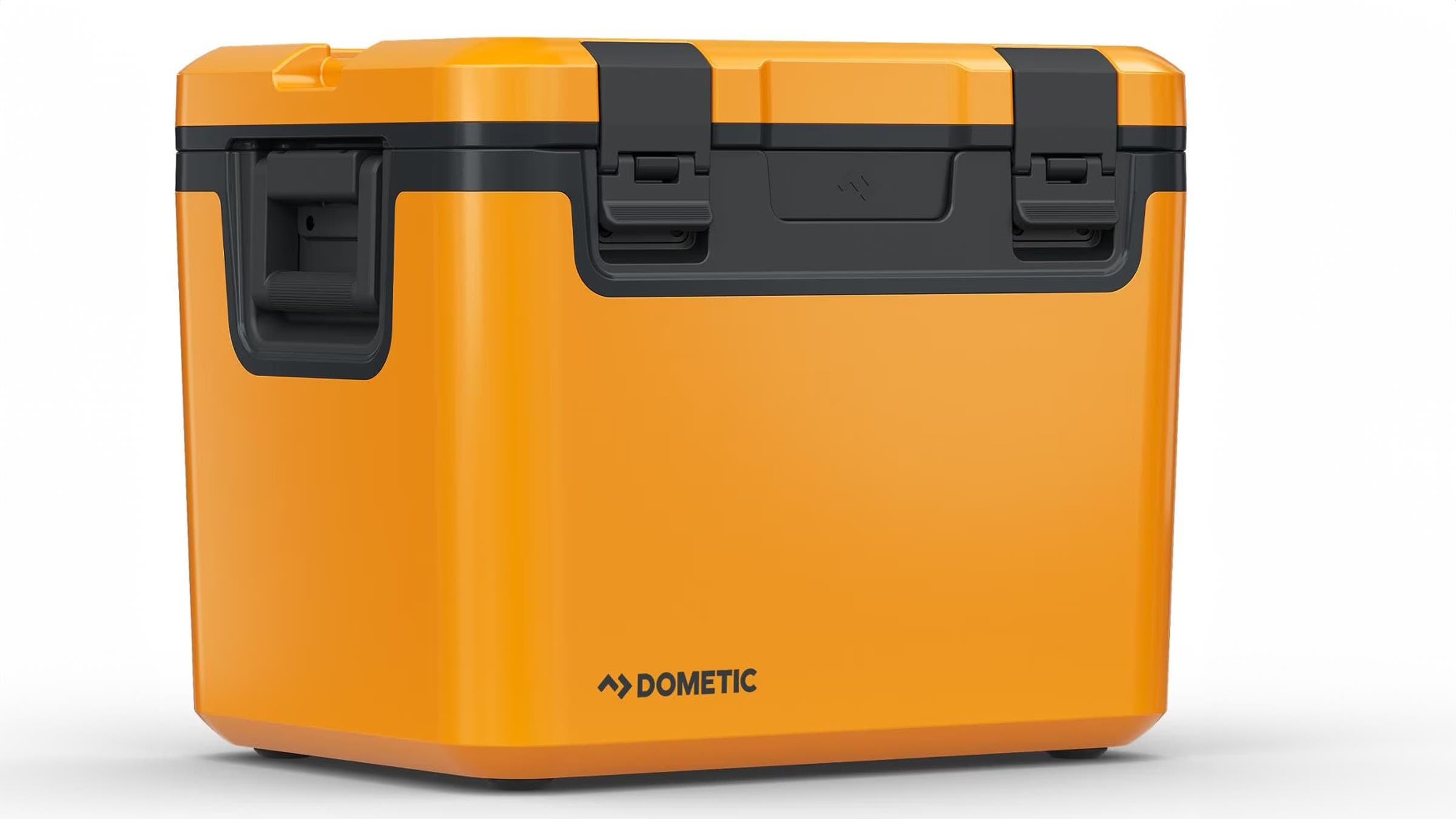
Dometic Recon Hardside Coolers
Weight: 25.1 lbs (41L)
Sizes: 16L, 41L, 69L
Pros and Cons
+ Stackable, car-camp-ready design
+ Efficient insulation
+ Double-sided latches
+ Expanding line of accessories
– Spigot cap got stuck
– Expensive
Trunk Tetris: It’s a game every car camper knows all too well. Dometic’s Recon Hardside Coolers are built to help you win the game. All Recon models feature near-right-angled walls instead of angular ones, eliminating space-wasting gaps between coolers if you’re packing multiple side by side or against other gear bins and vehicle frames. Plus, Dometic outfitted the coolers with an indented, rubber-coated lid that allows for easy stacking.
The Recon Hardside Coolers are available in small, medium, and large sizes, and the small and medium are designed to fit side by side on top of the large cooler. All models are injection-molded and two inches thick—on par with competitors. Testers deployed all three of these coolers during an outdoor wedding in Tahoe, and leftover beverages were still chilled five days after the festivities.
“The latches are beefy and reliable, and the lids open from both sides, which is an underrated feature when you’re car camping,” voiced one Tahoe tester. His go-to road trip configuration? A medium or large cooler at the base, with an internal divider (included with both options) separating food from drinks, and a small cooler stacked on top as a water dispenser. The 16L Recon doesn’t come with a divider, but it does come with an extra spigot-style drain cap that turns the petite cooler into a hydration station that’s easy to haul with the tote handles.
Including a cooler in our camping category is a rarity—we have entire articles dedicated to coolers and camp kitchen gear—but the car-camp-friendly design of this Dometic line subverted our testing norms and earned it a top spot.
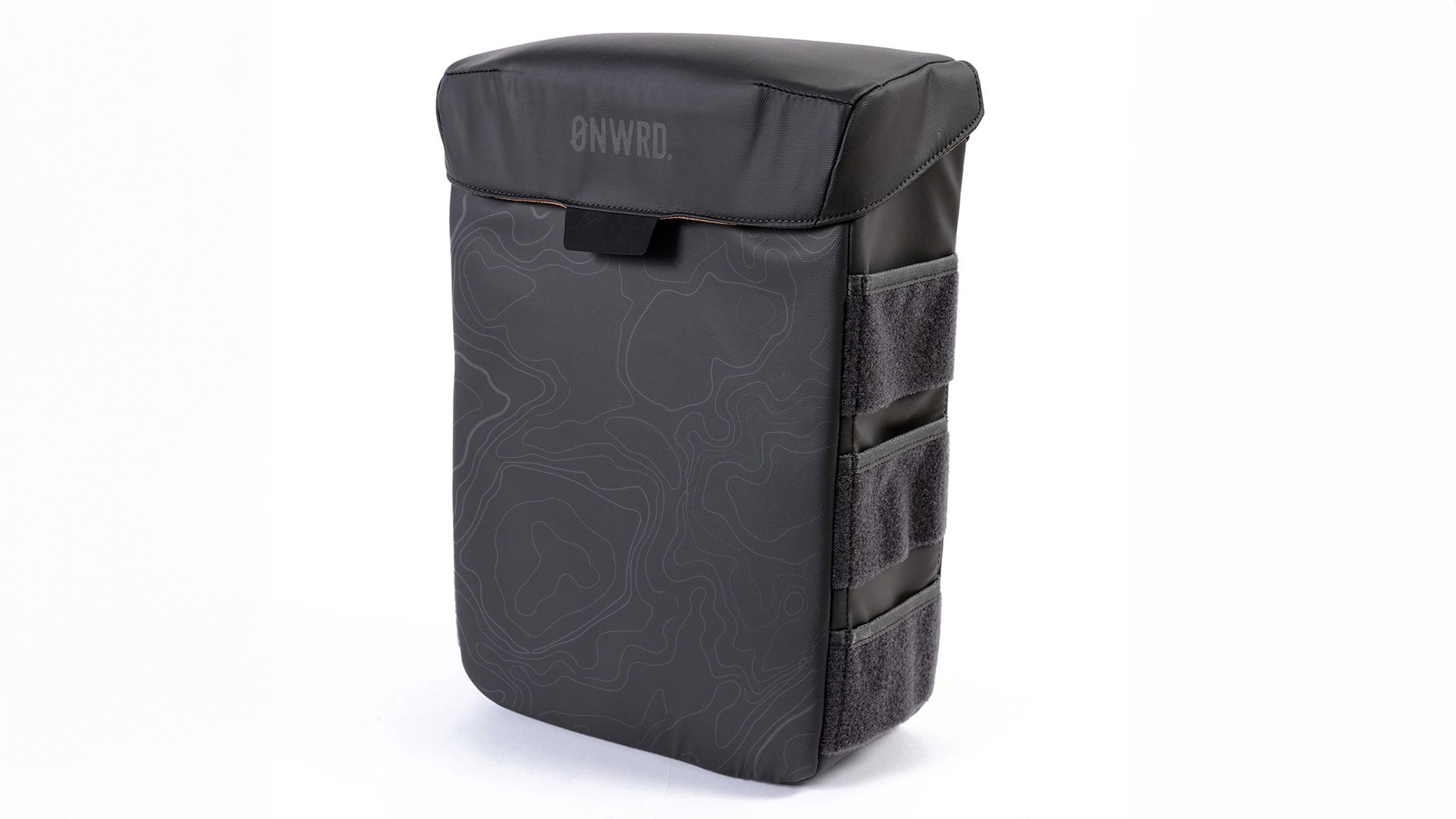
Onwrd Supply Co. Trasher Trash Can
Capacity: 13 liters
Weight: 1 lb
Dimensions: 15 x 10 x 5 in
Pros and Cons
+ Easy install
+ Leak-proof and easy to clean
+ Magnetic lid was a tester-favorite feature
– No exterior pocket
When it comes to car camping, the seatback is criminally underutilized real estate. Onwrd, a relative newcomer to the car camp cosmos, knows this. The brand’s seatback-mounted Trasher impressed our test team with its smart and simple design, durable materials, and overall practicality.
Installing the trash can was easy. A cinchable, buckled strap snaps around the headrest and “takes about two seconds,” said one Utah-based tester. After clocking hundreds of miles on road trips to Colorado and backyard adventures in the Wasatch and Uintas, he was impressed with the “standout” durability of the 900-denier polyester fabric and the easy-to-clean, welded waterproof lining. Factor in the quick-flipping magnetic lid—his favorite feature—and he “never worried about it leaking or smelling up the car.”
Complaints were nonexistent. That said, if we had to nitpick, we wouldn’t mind the addition of an exterior pocket for wipes or hand sanitizer. Granted, the Trasher includes lateral Velcro loops, making it compatible with Onwrd’s ever-expanding line of accessories.
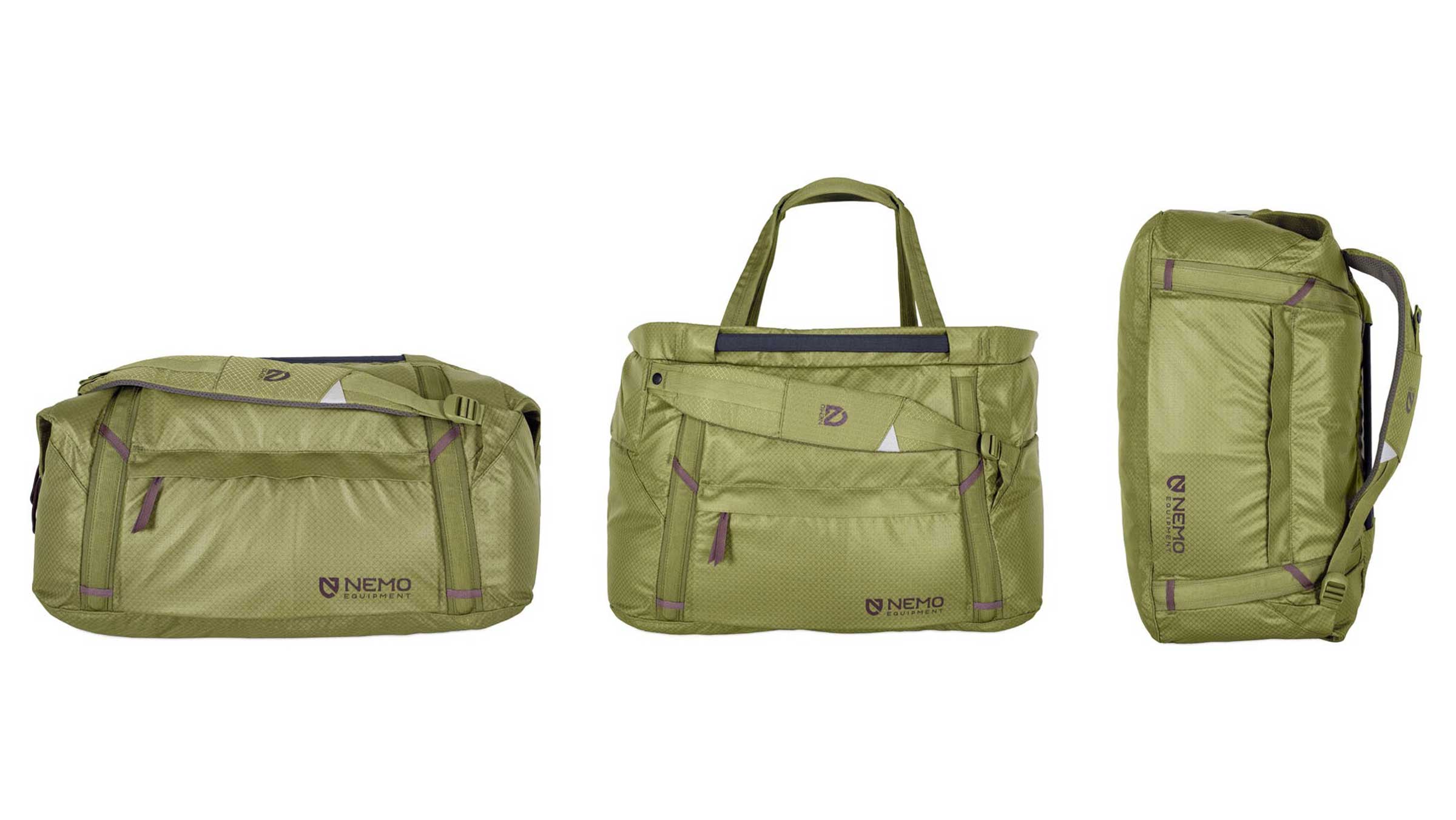
Nemo Double Haul Convertible Duffel and Tote
Weight: 3.1 lbs (55L)
Sizes: 30L, 55L, 70L, 100L
Pros and Cons
+ Multiple carry options
+ Wide range of sizes
+ Durable recycled polyurethane-coated nylon fabric
+ Mesh pockets for smart camp storage
– Soft-sided storage isn’t ideal for electronics
We’ve tested plenty of gear boxes and bags over the years, but Nemo’s Double Haul Duffel is a shoo-in favorite in our top-rated car camping gear, thanks to its brilliant design that transforms this bag from duffel to pack to tote. “The options are outrageous,” commented an outdoor photographer who chucked her camera gear, clothes, watercolor supplies, and hiking essentials in the 100-liter version for a three-day trip in the Sierra and still had volume to spare. Her personal favorite hauling configuration was backpack mode: Comfy, cushioned straps made hauling the heavy pack a breeze and simultaneously freed up her hands.
Others preferred to unzip and prop the Double Haul open, converting it into a massive, rectangularly-mouthed tote. Thanks to the rigid trusses incorporated into the lid of the bag, the Double Haul stays open and doesn’t flap in transit, allowing you to pack heaps of gear in this thing when it’s in tote mode.
We also appreciated the interior and exterior organizational mesh pockets and included zippered storage sack, which doubles as a gear organizer for smaller essentials otherwise destined to disappear in a 100-liter duffel.
Testers agreed that the ability to sling the Double Haul over the shoulder like a traditional duffel or grab the reinforced handles when loading the rig only increased its utility for serious expedition use. “I’d happily use this for backyard car camping trips, international mountaineering trips, and everything in between,” our tester said.
The Bluesign-approved, polyurethane-coated recycled nylon fabric was durable and weatherproof, according to a Utah overlander and aircraft mechanic, who tested the 55 liter version on trips to Wyoming, Montana, and throughout his home state.
“It got rained on for about eight hours when I left the bag outside overnight after a few too many campfire beers with some friends. Luckily, everything inside was completely dry after my dumb mistake.”
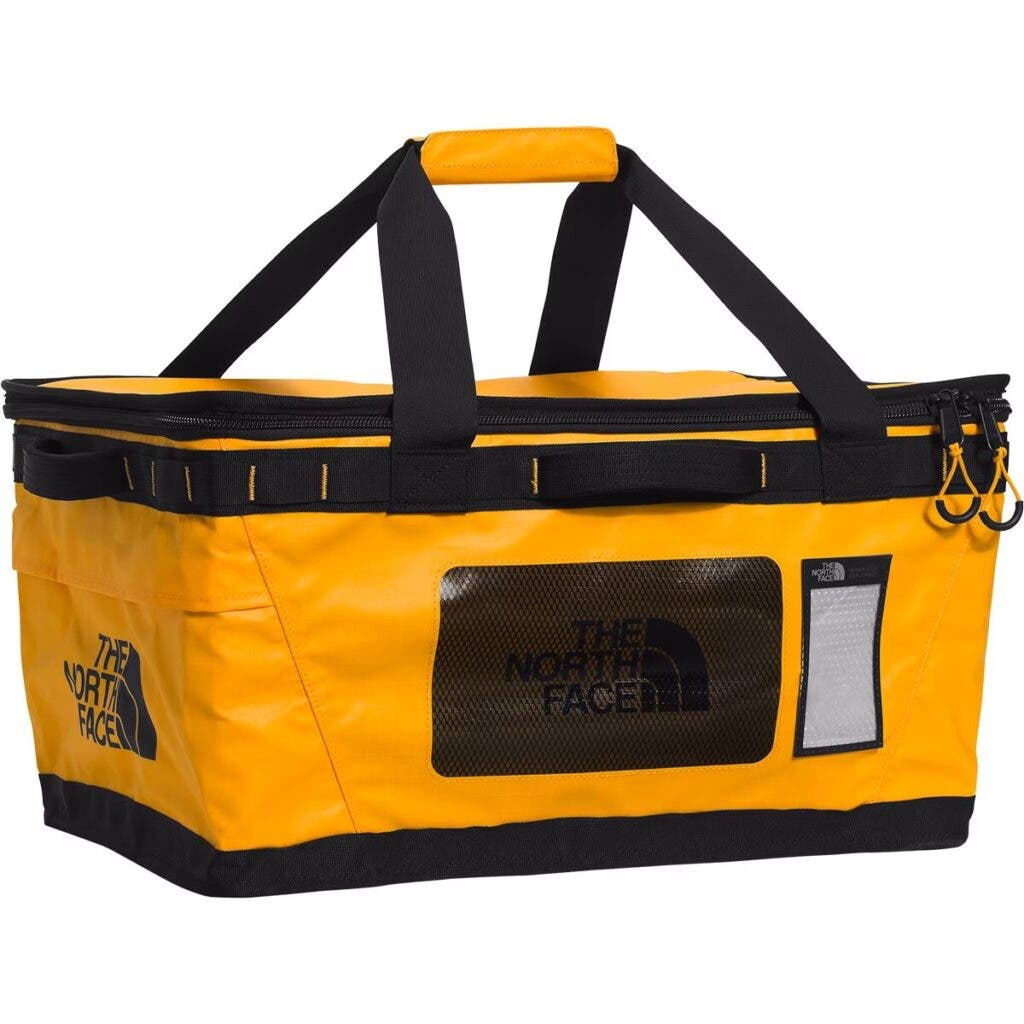
The North Face Base Camp Gear Box
Weight: 4.1 lbs
Pros and Cons
+ Sets up and packs down quickly
+ Folds flat for efficient storage
+ Duffle-style grab handles
+ Multiple compartments for smaller gear
– Doesn’t hold as much weight as hard-sided storage cubes
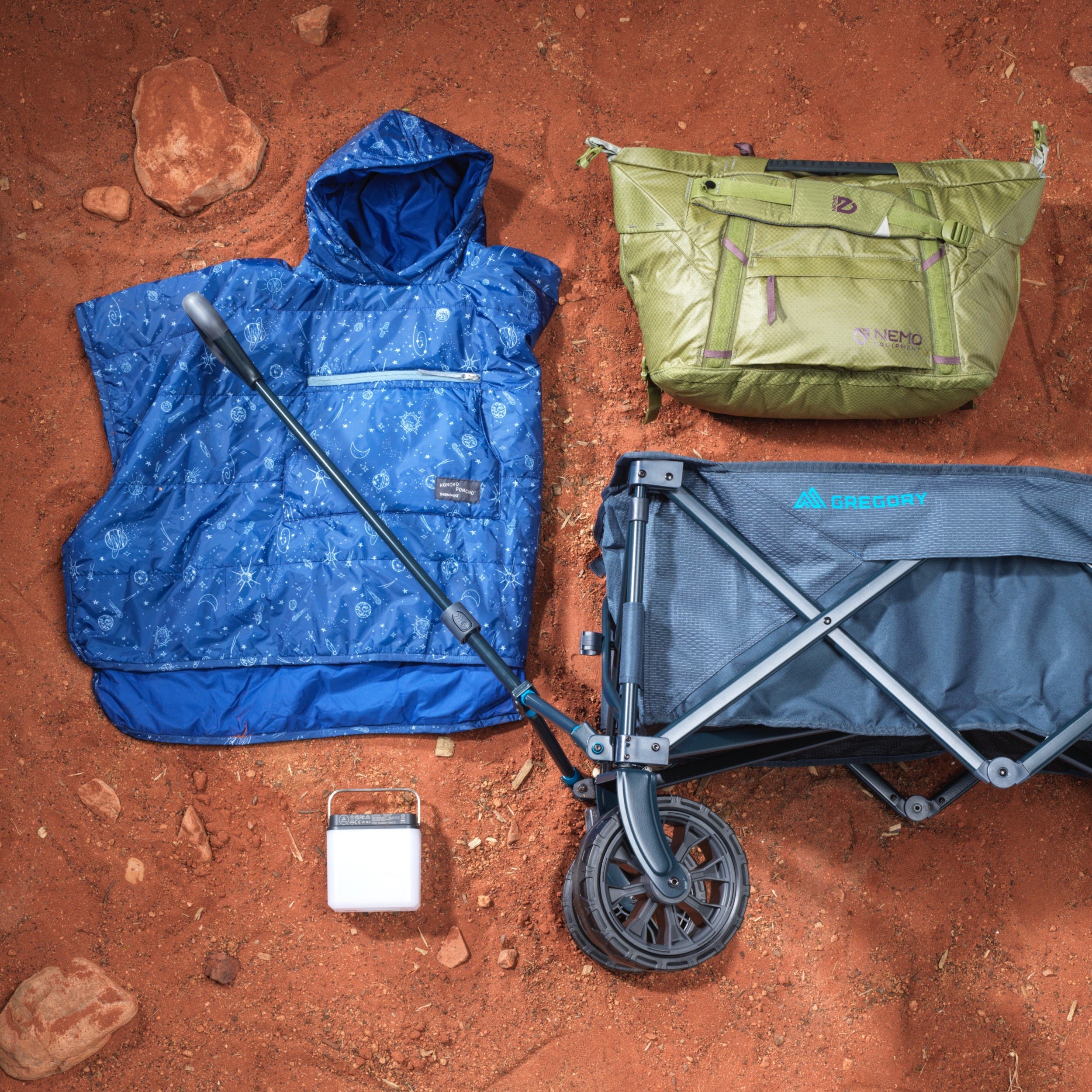
From hauling ski boots to organizing climbing gear, The North Face’s Base Camp Gear Bins are infinitely useful. (We tested the 65-liter medium size, but the Base Camp is also available in a 90-liter large for $175 and a 52.5-liter small for $99.) “It’s like a picnic basket—but for gear,” noted one tester.
She added that she loved the multiple carry options. When loads are light, the ergonomic, duffle-style carry handles enable one-handed hauling from trunk to campsite. When you’ve got more cargo, the reinforced grab handles on all four sides of the box come in handy: They let us carry up to 45 pounds without issue
The Base Camp sports four internal mesh pockets, organizing small items like headlamps or sunscreen, and the water- and abrasion-resistant, TPU-coated polyester fabric features a transparent window so you can remember what you’ve stashed inside. The lid and base of the box are both padded, inspiring one tester to flip the empty box open and use it as a changing mat in gravel and concrete parking lots.
Aside from a trace of dirt and grime, the fabric is no worse for wear. The soft-sided box retains its shape thanks to a pair of foldable metal kickstands, which pop up or stow away in seconds. The resulting structure is sturdy enough to stack gear on top, though not sturdy enough to stand on.
Camp Life Luxuries
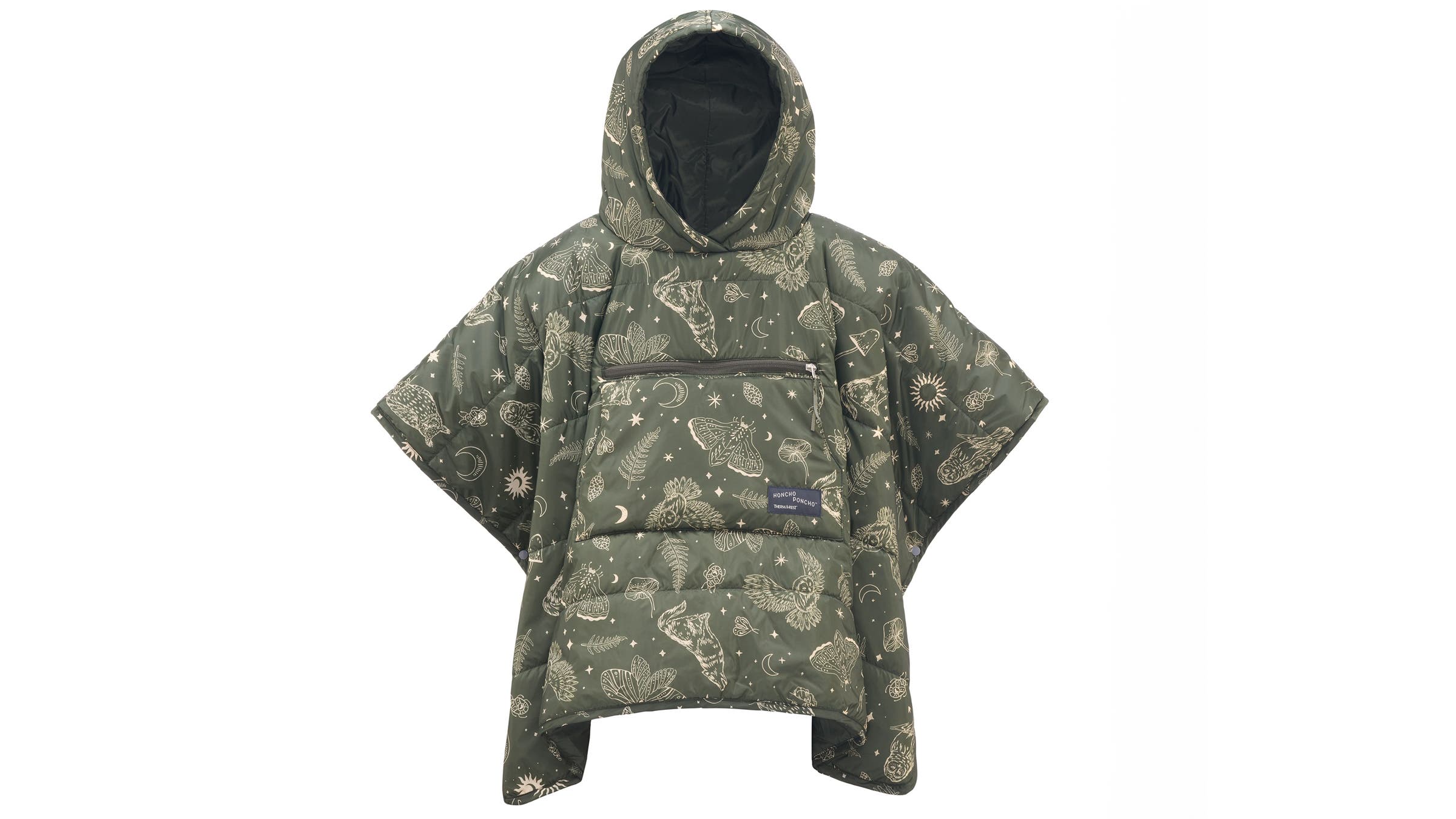
Therm-a-Rest Honcho Poncho Kids
Weight: 11.5 oz
Pros and Cons
+ Comes in kids-specific sizing
+ Available in rad colors and animal prints
– Expect it to get covered in sticky s’mores
Our adult testers love the original Honcho Poncho, and our youngest testers were elated to put the kids’ version under the microscope. Stuffed with synthetic, hollow-fiber insulation and designed to fit most five to ten year olds, the Honcho Poncho is a surefire way to keep your little ones toasty and stoked.
According to one Bend-based tester, her 7-year-old kiddo loved the snug, warm poncho during afternoon thunderstorms and late-night meteor showers on a road trip to Montana. “It was uncharacteristically cold and wet in southwest Montana, so this poncho got more use than expected,” she reported. “We probably wouldn’t have stayed up to see the Perseid meteor shower if it wasn’t for this poncho—it added the warmth and fun factor needed to stay up late.”
Mom’s one gripe? The Poncho’s “billowy sleeves” will inevitably get splattered with s’mores goo.

Yeti Lowlands Blanket
Weight: 5.8 lbs
Dimensions: 78 x 55 x .3 in
Pros and Cons
+ Double-sided design
+ Extremely durable and waterproof bottom side
+ Comfy, soft top side
+ Easy to clean
– Better ground blanket than nap companion
– Expensive
Best deployed as a picnic blanket, the Yeti Lowlands can essentially function as a patio while camping. The 78-by-55-inch double-sided camp blanket features a waterproof, canvas-like bottom layer that can handle sand, dirt, mud, rock—you name it. The top layer is a plush, soft-to-the-touch polyester-rayon blend that’s “a treat for bare feet,” according to one Tahoe tester. Even better? The Lowlands is machine-washable, dryer-friendly, and easy to clean.
The soft side is cozy and tactile, while the waterproof bottom turns into ultra-durable, weather-ready armor when worn on the outside. If your picnic gets interrupted by a rainstorm, or you’re boating through chop and spray, the Lowlands can morph from luxury to essential. One tester who used the blanket in the Eastern Sierra welcomed the 5.8-pound heft of the Lowlands, which functioned much like a weighted blanket when used for that purpose, although they noted that the bottom fabric is a bit scratchy against the skin.
But, much like Yeti’s other products, the Lowlands is well-made, durable, and—you guessed it—almost prohibitively pricey. For what it’s worth, we’re confident that this blanket will outlast competitors that are half the price.

Helinox Beach Chair
Weight: 3.4 lbs (packed)
Pros and Cons
+ Comfortable
+ Stable
– Low to the ground
– Cumbersome setup
After an embarrassing and painful incident involving hot pizza, an affable black lab, and a tippy camp chair, we’ve come to appreciate stability in camp furniture. Thanks to a low-slung design and wide, splayed feet for beachside buoyancy, the Helinox Beach Chair is stable and secure, even when you lean back.
The stout yet lightweight anodized aluminum frame is tilted at the perfect reclined angle for comfort and support. (It’s also crafted by the same folks who make your favorite tent poles, and rated up to 320 pounds.) The hard-wearing, 600-denier polyester fabric stretches between the four poles, cradling the rump and lumbar with hammock-like suspension. There’s even a headrest flap to turn your puffy into a pillow. In a word, we find the Beach Chair nap-able.
Demerits are few and far between. Although the setup of the frame is painless, stretching the fabric seat into place requires some tugging. Additionally, the chair is so low and comfortable that it’s best suited for campfire lounging over mealtime or card games ‘round a camp table.
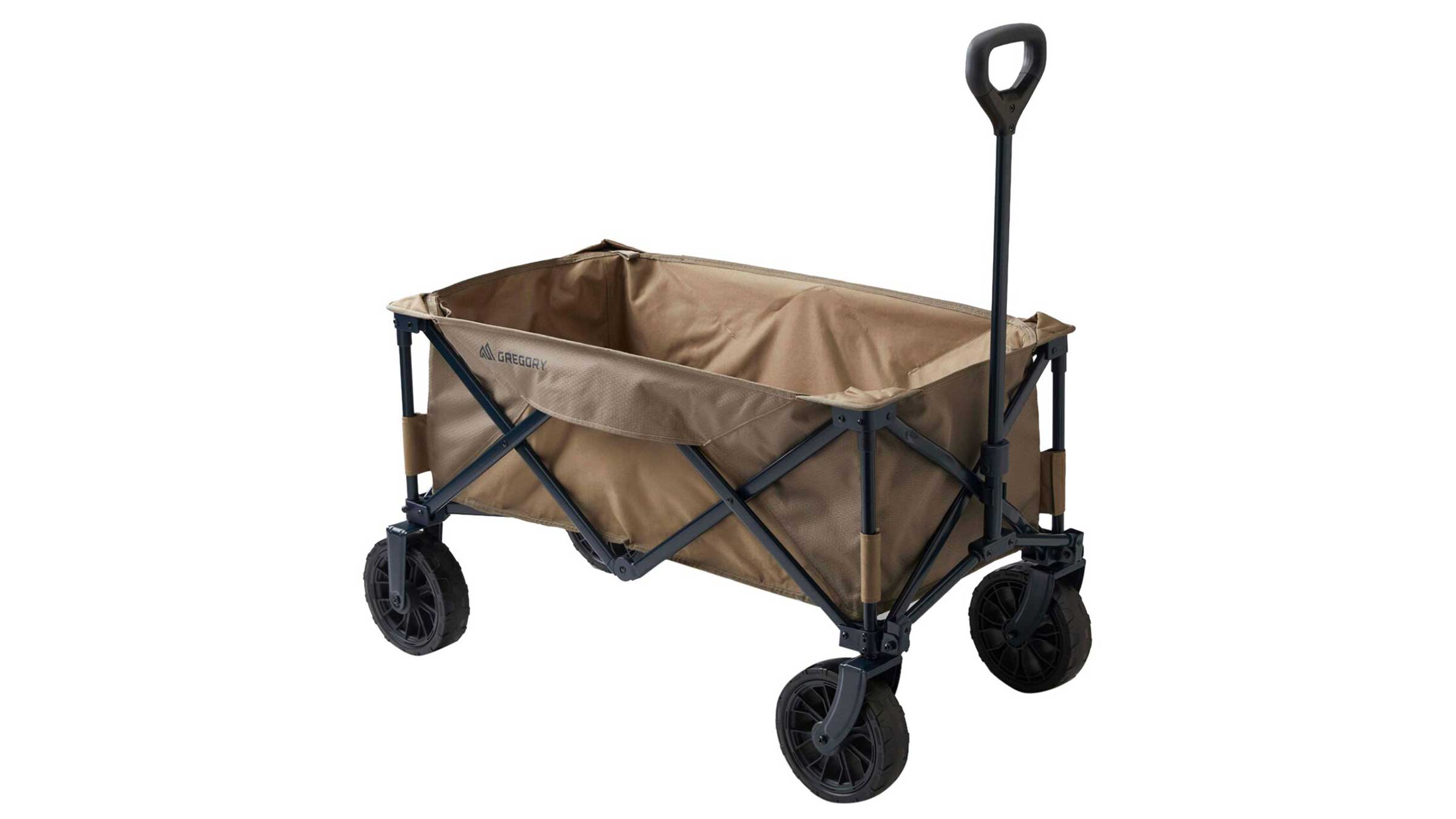
Gregory Alpaca Gear Wagon
Weight: 28.8 lbs
Volume: 140L
Pros and Cons
+ Collapsible construction
+ Heavy-duty build and 8-inch wheels
+ Can handle 250-lb load
– Gets bogged down on sand
– Pricey
While Gregory is best known for its backpacks, its Alpaca Gear Collection of totes, gear boxes, and storage solutions is a slam-dunk. Our favorite piece of Gregory camping gear? The collapsible 140-liter Gear Wagon, which sits on beefy, eight-inch, all-terrain wheels, can haul 250 pounds of gear, and folds up to fit in a relatively easy-to-store carrying case. “It collapses small enough that we can easily pack it car camping in our Subaru Outback,” noted an outdoor photographer.
While recovering from back-to-back shoulder and knee injuries, she relied on the wagon heavily, whether she was packing for a camping trip, unloading groceries, or organizing equipment for a photo shoot. It makes camping easier for everyone else, too.
“If you’re tent camping, and the site is a short walk from the car, or you’re heading to the beach for a picnic, the wagon will save you time and energy–and maybe save you from an injury of your own,” said another tester, who appreciated this wagon’s ability to navigate especially rugged terrain.
Testers’ sole complaint was that the wheels could be overwhelmed in deep sand, especially when the wagon load was imbalanced toward the rear.
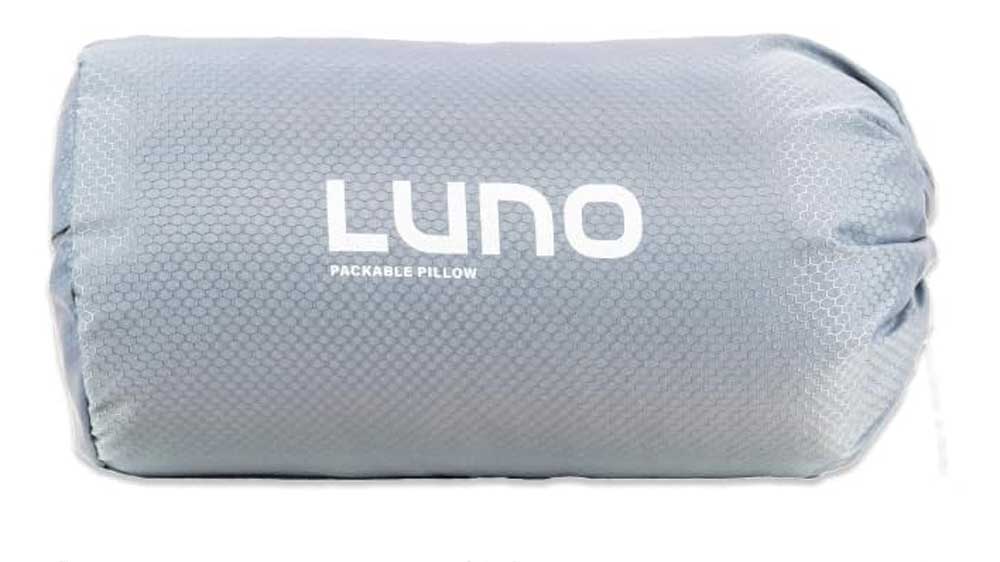
Luno Packable Camp Pillow
Weight: 2.8 lbs
Pros and Cons
+ Comfy
+ Compressible
+ Washable, two-sided pillowcase
– Pricey
– Smaller than your pillow at home
Smaller and more compressible than your average pillow at home, at 24-by-13-by-6.5 inches (flat), Luno’s Packable Camp Pillow is a worthy addition to any camping (and sleeping) setup. “I was asleep within six minutes of unboxing,” reported one tester, a Sierra hut keeper and snowboard guide.
A shredded memory foam filling makes it soft; those scraps are also removable, enabling campers to customize firmness to taste. The pillow also comes with an easy-to-clean, two-sided pillowcase: One side is a polyester jersey blend meant for warmer weather, and the other is a polyester spandex blend best employed on chilly nights.
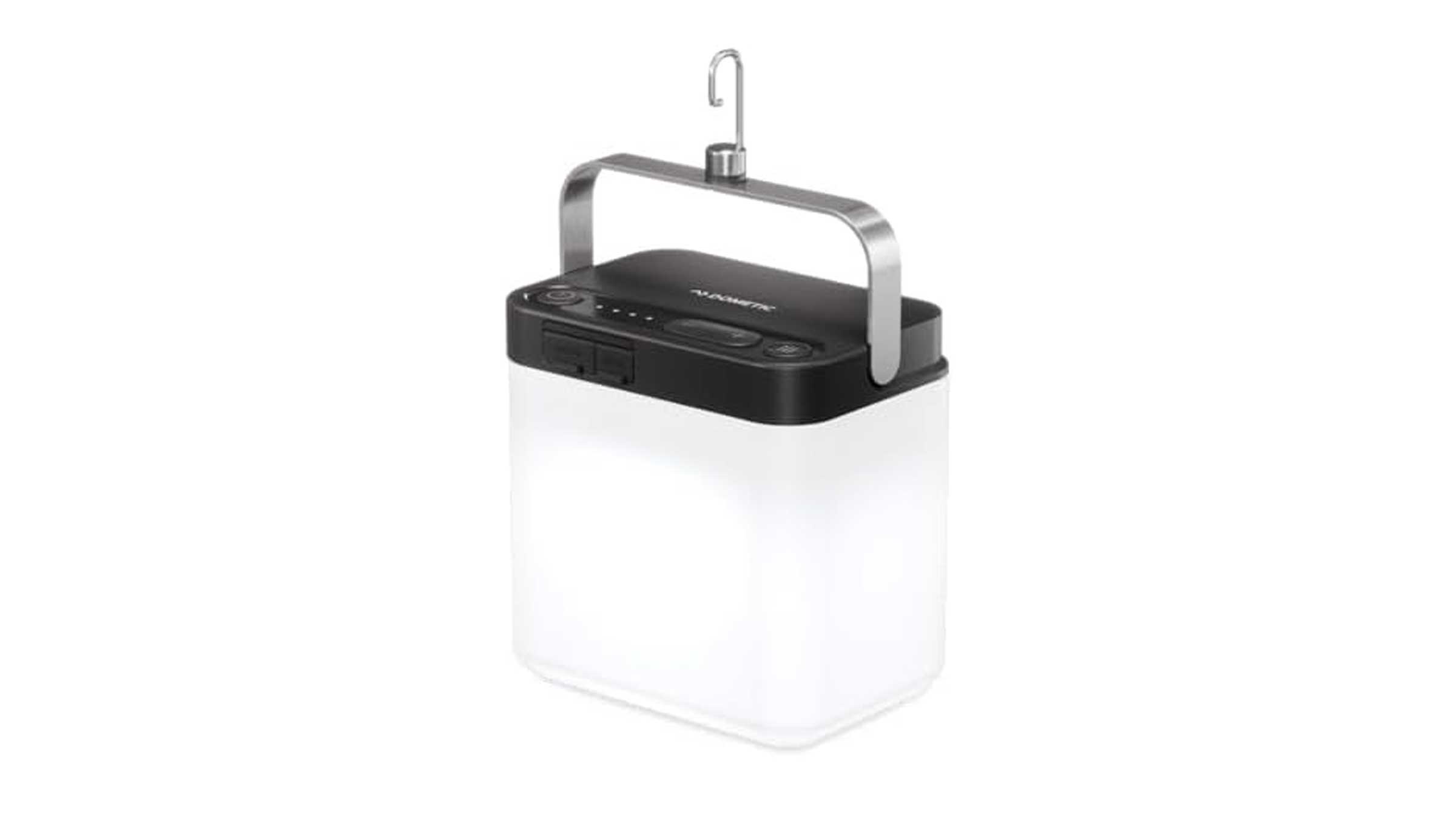
Dometic GO Area Camp Light
Weight: 1.2 lbs
Pros and Cons
+ Area light, hanging lantern, or flashlight
+ Adjustable color and brightness settings
+ Removable, replaceable light diffuser
– Pricey
– Bulky
This 400-lumen lantern sports four brightness settings, eight color settings (including an amber option that doesn’t attract bugs), and a hook and handle combo for a multitude of carry and campground possibilities.
One Tahoe-based tester, who took the Area Camp Light on a van trip down Highway 1, loved the misted plastic light diffuser, which softens and spreads the otherwise brilliant bare light. “When I’m trying to keep a low-profile camping in a residential neighborhood, the diffused glow comes in clutch–plus, it’s easy on the eyes, whether you’re having dinner at camp, reading before bed, or putzing around at dawn, looking for a bar of surf wax while your partner sleeps in,” he reported.
Another tester took the lantern on a climbing trip in the Sierra and offered similar praise. He loved the vibe-enhancing color settings, “soft and pleasant” dimmable light, long-lasting battery life, and USB output. If your speaker or phone is running low on juice, you can plug into the lamp and charge up.
How We Test Car Camping Gear And Accessories
- Testers: 19
- Products Tested: 85+
- Miles Road-Tripped: 20,000+
- Highest Elevation Driven: 11,000 feet
- Longest Road Trip: A 2,500-mile, detour-stacked adventure down the California coast, through Nevada, Utah, and Colorado
- Longest Stint on the Road: Eight weeks
To find the best car camping gear and accessories on the market, we enlisted a diverse crew of road-tripping testers, ranging from a wildfire-chasing podcaster in the Pacific Northwest, to outdoor photographers in California, to a Utah-based aircraft mechanic who works on his overland rig in Utah’s Uinta Mountains.
Road-tripping and car-camping rigs were similarly diverse. They ranged from the two-door Nissan Versa—an atypical adventure mobile that only turns heads when it’s putzing along in your blind spot—to a handful of double-take-worthy machines, including a well-loved 2000 Toyota Tundra with a platform camper bed; a 2006 Chevy Express with 30-inch topper and wood stove; a custom-built 2008 Sprinter 3500; a powerful 2021 GMC Canyon Diesel with a camper shell; a 2023 Ford Bronco Badlands; and more. One was a Sprinter van made famous on the hit Netflix show “How to Build a Sex Room.”
We asked this squad to hit the road, putting over 70 pieces of gear to the test, and report back. After road trips, surf missions, bike journeys, camping weekends, and more, they filled out review forms. Testers rated gear on a quantitative scale for aspects like durability and practicality, and dove deep on qualitative feedback, discussing everything from pros and cons to installation woes and favorite features. Finally, our category manager, Drew Zieff, sifted through these review forms, picked winning products, then penned the reviews on this page.
Meet Our Testers
Drew Zieff
Drew Zieff is a Tahoe-based freelancer who writes for Backcountry Magazine, REI, Gear Junkie, and Forbes, among others. A regular Outside contributor, he heads our snowboard gear coverage in the winter. A few years back, he and his partner turned a plumbing van into their dream adventure mobile. After a couple years of vanlife, the highlight of which was surfing from Canada to Mexico, the couple put roots down in Tahoe, though they still take van trips to the coast when there’s swell. Familiar with the needs of both weekend warriors and full-time road trippers, Zieff happily directs our camping accessories and camping kitchen coverage each summer, finding the best camping items for every style of camper and backpacker.
Amanda Monthei
Amanda Monthei is a writer, public information officer on wildfires, and the host of the Life With Fire podcast. A former wildland firefighter herself, she applies knowledge gleaned from the front lines to educate the public. She’s written about wildfires and natural disasters for Outside as well as NBC, The Atlantic, and The Washington Post. She’s also an avid angler, surfer, and skier, and she pens stories on a range of outdoor subjects. Monthei tested the top-rated car camping gear while camping for business and pleasure in her 2000 Tundra throughout the Pacific Northwest.
