

Published May 9, 2026 05:07AM
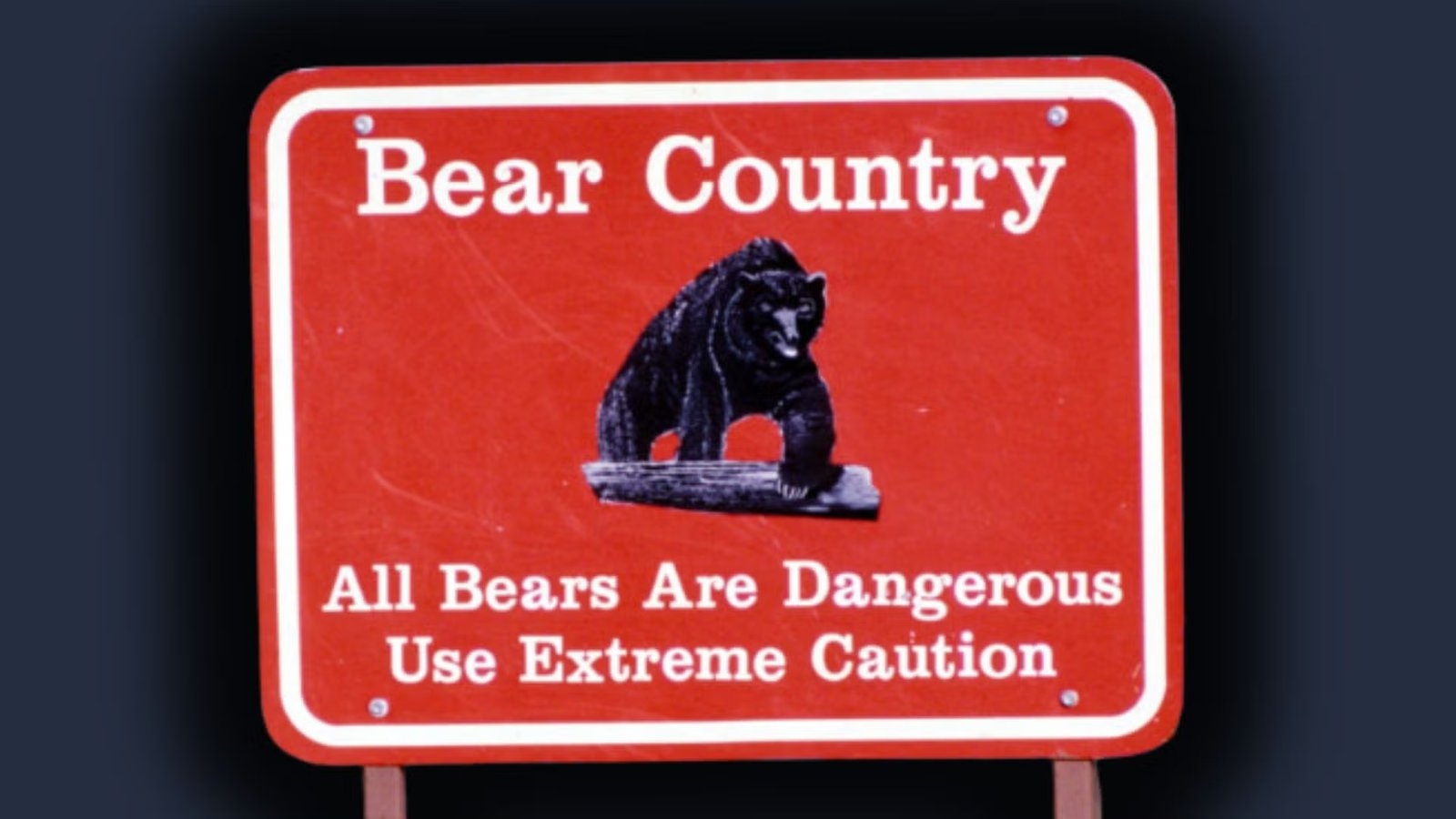
Hikers in Yellowstone and Glacier National Parks are constantly reminded to be cautious of bears, and for good reason. Outside of Alaska, these two Rocky Mountain parks have the highest concentration of grizzly bears out of any other National Park Service (NPS) site.
On May 6, Glacier National Park reported its first fatal bear attack in 28 years. Just two days earlier, a grizzly bear attacked two hikers 400 miles away in Yellowstone.
The attacks struck a chord with me. Growing up in Alaska, only to wind up in Montana, I’m no stranger to grizzly bears. Glacier is my backyard national park. And if you’ve ever seen a grizzly on the trail—or in your front yard—you understand the profound respect and fear that arise when you come face-to-face with one of the world’s most powerful predators.
After the recent tragedies, I found myself asking: Are the two bear attacks the result of some environmental trend, or were they just random? So, I called a bear expert to ask.
Are Bear Attacks the New Normal?
Chris Servheen, the former national grizzly bear recovery coordinator for the U.S. Fish and Wildlife Service, said that two attacks in one week at two nearby national parks, though tragic, are purely coincidental.
“They’re unfortunate random events, and that’s all there is to it,” Servheen said.
On average, Servheen said, there is less than one grizzly fatality every year in the contiguous United States, excluding Alaska. Nearly every attack is considered an act of natural aggression. This typically involves a hiker surprising a bear on the trail, encountering a defensive female with her cubs, or finding a bear defending its food source. Most often, grizzlies attack a hiker during a surprise encounter.
“There are literally millions of people interacting with thousands of bears across the landscape every year. We end up with less than a handful of attacks and, on average, less than one death annually,” Servheen said. “With millions of people on the landscape every year and around 2,200 grizzly bears south of Canada, the fact that we have so few attacks is pretty good.”
An attack is a terrible thing, Servheen says, but it’s also an inherent risk of recreating in the backcountry. Even so, a person is more likely to get injured in a car accident on the way to the park than they are to suffer an attack.
In general, bears want to avoid people. But that’s not always been the case.
Bears Use Trails Like Humans
The death in Glacier occurred on a popular early spring trail leading from Lake McDonald Lodge to the historic Mount Brown Lookout. Tristan Scott is a local journalist who regularly covers Glacier and has lived in Northwest Montana for 16 years. Scott said he’s hiked Mount Brown more times than he can count. he The trail is a strenuous 10-mile out-and-back hike accessed near Lake McDonald Lake Lodge, he said. With over two dozen switchbacks and 4,200 feet of elevation, the trek often has snow this time of year—and he’s no stranger to griz.
“I do venture into the mountains alone, but my head is always on a swivel. I’m making lots of noise, especially in dense brush and timber, around switchbacks and blind corners,” Scott told me.
Bears, like people, also use backcountry trails.
Servheen told me that, like people, bears also use trails found in Glacier—but are often careful to get off trails when people come around.
“That’s why we tell people in the backcountry not to camp right next to the trail, as bears and other animals will use trails at night. Where there is a lot of trail use by humans, most bears avoid using trails and the habitat around trails,” Servheen said. But bears are more likely to be in places with fewer humans.
Night of the Grizzlies
Glacier is the site of perhaps one of the most notorious bear attacks in American history, now known colloquially as the Night of the Grizzlies. The chilling story echoes through my subconscious whenever I hike the one-way 13-mile Highline Trail to Granite Park Chalet. In the sixties, garbage and bears weren’t a real concern, both inside and outside of national parks. Visitors would feed bears for the sake of spectating, people would leave their garbage in the trees at Glacier campgrounds, and there was an open garbage pit in Yellowstone, Servheen said.
In August 1976, grizzlies killed two women at two locations in Glacier National Park, nine miles apart: Julie Helgeson at Granite Park Chalet and Michele Koons at Trout Lake.
“When rangers went into those campgrounds, there was garbage everywhere. They took 17 bags of trash out of one campground with a helicopter,” Servheen said.
Grizzlies become dangerous when they are habituated to people, familiar with people, or food-conditioned, in which case they associate people with food. The most dangerous, Servheen says, is when bears are both—they lose their normal fear of humans and consider people a food source. But bear-aware measures, like bear-resistant dumpsters and bear spray, have largely reduced conflicts between the two.
National Park Bears Never Take a Day Off
With grizzly bears absent from 94 percent of their historic range, Servheen says that if you’re worried about grizzlies, there are plenty of places to go where they do not live.
“We’ve come a long way, and the parks are really safe places because they do such a good job at keeping food away from bears,” Servheen said.
And unlike people, a national park bear never gets a day off.
“Every day, the bear has to be on alert, aware of people, and get out of their way. Almost every time, they do that,” Servheen said. “Mistakes are made, however, and sometimes, they get surprised by people and become aggressive.”
Expert Tips for Staying Safe in Bear Country
According to Servheen, visitors are more likely to be in a car accident on their way to a national park than to be attacked by a grizzly bear. Even so, recreating in the backcountry means practicing these five simple safety tips.
- Be vigilant. Being vigilant for bears, their tracks, scat, or feeding sites can reduce the chances of stumbling upon a bear at close range, thereby reducing the risk of a bear attack. Be especially vigilant if hiking off- trail. Bears may be more likely to respond aggressively in off-trail areas where they don’t expect to encounter people. However, bears frequently use maintained trails, and encounters may occur anywhere along them.
- Carry bear spray. Bear spray has proven to be effective at stopping aggressive bear behavior during surprise encounters when the person involved has time to deploy it.
- Make noise. Making noise while hiking is an effective way to warn bears of your presence, reducing the chances of surprise encounters and related attacks.
- Don’t run. Running during an encounter can trigger a chase response in a bear. In addition, jogging in bear country increases the odds of surprise encounters at close distances, and surprised bears are more likely to be aggressive.
- Do not hike alone. Hiking in groups of three or more people is known to reduce the risk of bear attacks. Larger groups are more intimidating to bears and more likely to have at least one member making noise or being vigilant.
