

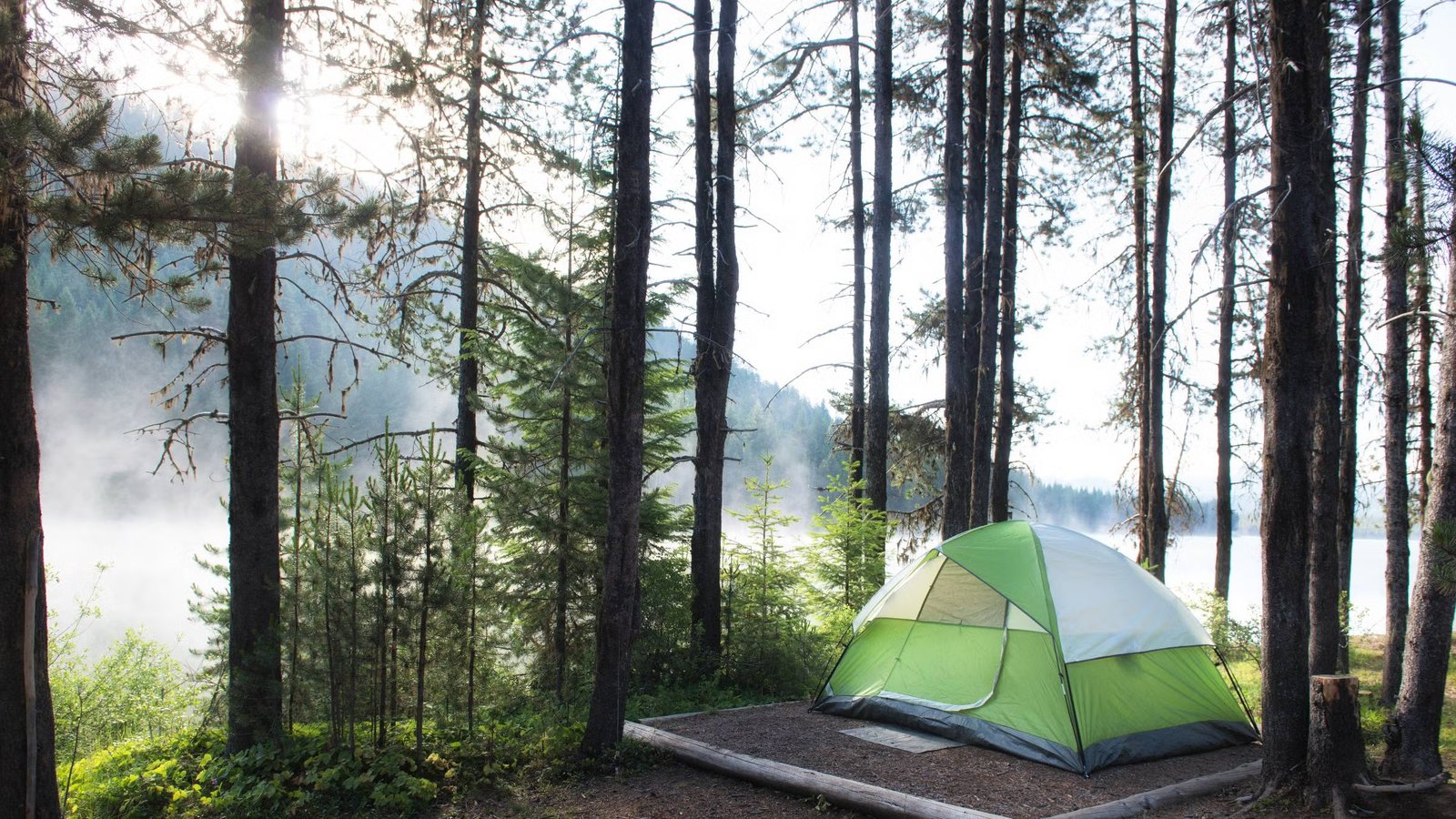
Even as a seasoned camper, I learned the hard way that a map does not tell the whole story. These simple steps will help you find a private camping spot and avoid the crowds on your next national park trip.
Tent on a campsite by Lemolo Lake in morning mist, Umpqua National Forest, Orego. (Photo: Getty)
Published May 13, 2026 10:46AM
Elkmont Campground was buzzing with activity as I rolled through after a day of adventure inside Great Smoky Mountains National Park. Men fished the Little River on the edge of the campground, kids rode bikes in small gangs on the paved looped roads, families were beginning to gather around fresh campfires at their sites. Elkmont is the largest, and one of the busiest, campgrounds inside the Smokies and this was exactly the sort of scene I had expected when I booked a site at the last minute. I love big campground energy.
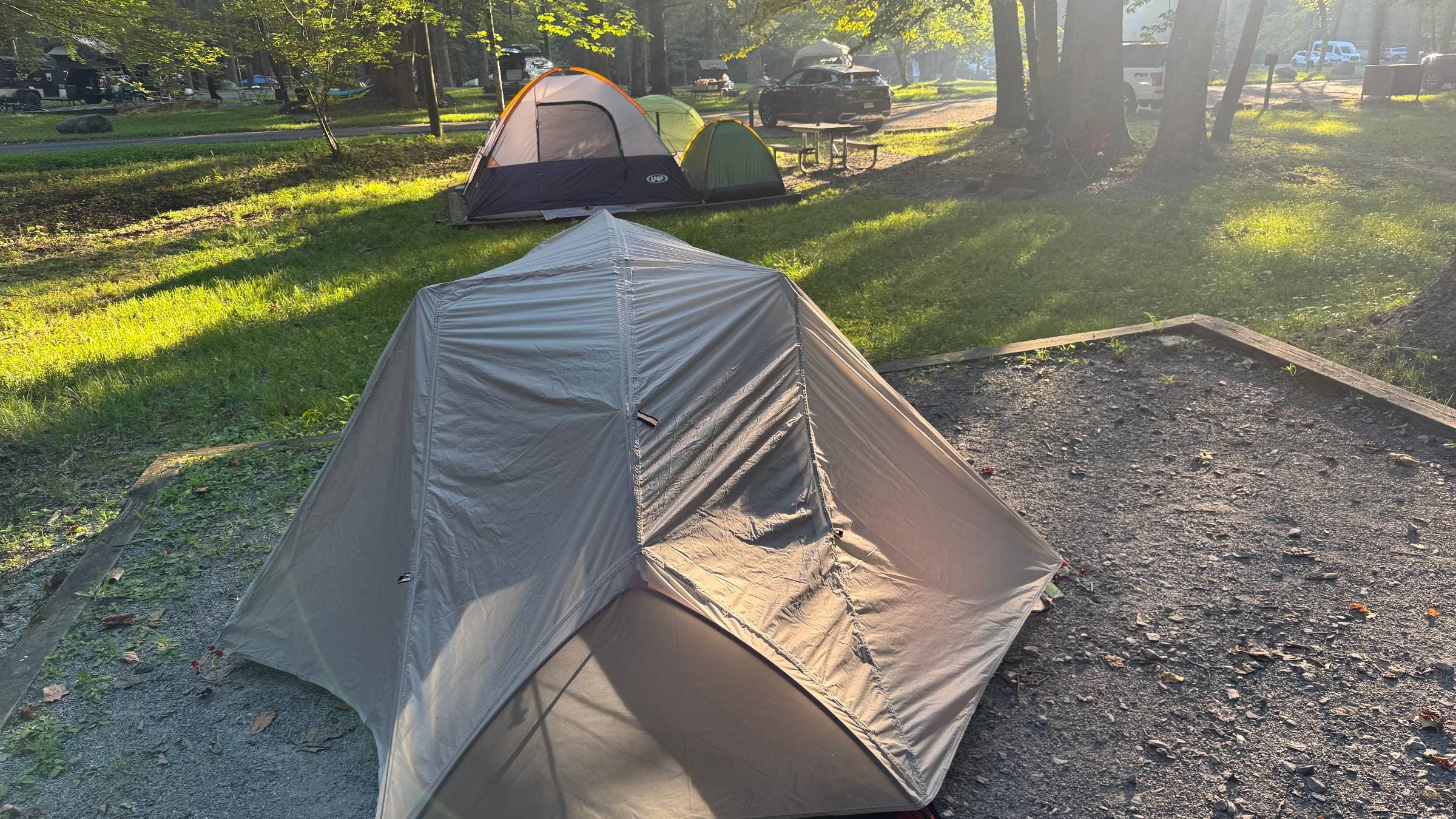
The only problem with this particular campground was the site that I booked online. It was a narrow gravel pad sandwiched between two other sites, both occupied by large groups, without any bushes or trees to provide privacy. It also had an amazing view of the bathroom about 10 yards away. I booked a walk-in site, which typically have a bit more privacy as the tent pads are usually tucked into the woods, away from the bustle of the rest of the campground. But this pad and its two neighbors were carved out of the lawn of the bathroom. We had none of the privacy of a walk-in site but all of the hassle of lugging our gear 50 yards from the car. How great. The lack of tree cover also meant our site would bake during the day. Awesome. And it looked like the group of 20-something dudes to my right were pouring shots of Fireball whiskey. Perfect.
I stood in the center of the gravel pad, surveying the situation, and decided that I had accidentally booked the worst campsite in the entire national park system.
Our national parks have some of the best established campgrounds in the country. They give you a chance to pitch a tent in a semi-civilized situation with bathrooms and picnic tables, but still have the opportunity to gaze at the stars and quickly get out to the trailhead for a big adventure. But not all campsites are created equal. You don’t always know what you’re gonna get when you’re booking your site on Recreation.gov and you’re staring at the basic map that just shows numbers on a loop.
Quality can vary greatly within the same campground, even within the same loop, so unless you’re operating with personal experience of said campground, it can feel like a roll of the dice when you click that “reserve now” button on Recreation.gov. You can reserve a site thinking you’re in store for an idyllic national park weekend only to find out you’re the de-facto bathroom host destined to greet people as they walk through your living room to get to the facilities.
Choosing the wrong site can even happen to a seasoned camper like me. But with a little advanced preparation, you can make sure your weekend in a national park isn’t diminished by a lackluster campsite. Here are the easy steps you need to take to make sure you get the best national park campsite possible.
Plan Ahead
This is the big one. Most campgrounds inside national parks operate on a reservation-only basis, and those reservations typically open six months in advance on a rolling basis. That means if you want to get a good site in May, you need to book your site in December the previous year. And the most popular campgrounds fill up fast. If you want to give yourself the best chance for a good campsite, book it as early as possible. Want to try to land a site at the most coveted campgrounds in the entire national park system? Check out this article I wrote about the hardest to book sites in the country.
Study the Map
Planning ahead will get you in the door of the good campgrounds, but choosing the perfect site takes a little more prep than just setting a calendar alert. Picking a good site begins with the campground map. Recreation.gov has basic topographic maps of every campground in the national park inventory. These images don’t tell you everything you need to know about each site, but they’re a good place to start when it comes to choosing the right location. Zoom in on the map and you can see if the tent pad in your sights is too close to a bathroom or if it backs up to a stream providing a buffer from other sites. The maps aren’t necessarily to scale, but you can get a sense for how tightly packed the sites are on any given loop. Occasionally, you’ll find photos of specific sites on Recreation.gov and even a standard picture from the parking area will tell you a lot about the tree cover surrounding the tent pad.
Read the Reviews
This is the true goldmine of information on Recreation.gov. The reservation site hosts the most comprehensive collection of campground and campsite reviews that I’ve found online, but most people don’t even realize the feature exists. At the top of the page for the campground you’re researching, you’ll find a tab for Ratings and Reviews. Click that and it will take you to a long list of honest reviews from campers who have stayed in your intended campground. Here, you’ll learn about the general vibe of the campground as well as the quality of its facilities.
Occasionally, users will even dish on the best and worst sites within the campground. Use all of this information to help narrow down your choices. Once you zero in on a specific site and click the tent icon, scroll down to the bottom of that site’s page and you’ll find a tab for Guest Reviews from people who stayed and rated that exact site. Here’s where you’ll find the valuable information about privacy, location, shade, and any unique features or concerns you should know before booking. Is the tent site within ear shot of the RV loop so you hear generators all night long? Is the tent pad off camber? That’s the beta you’re looking for in these reviews.
Get Outside Opinions
You have to book your site through Recreation.gov, but that platform isn’t the only place to find honest reviews of campgrounds and sites. TripAdvisor has reviews of national park campgrounds, some of which even get site-specific. Campendium is a decent platform where users can rate the specifics of various campgrounds and sites around the country, although the user-base skews towards RVs. My favorite third party campground site is TheDyrt, which gives you all of the basic info you need to know about a specific campground, from the fees to the level of cell service available, and then offers a place for users to provide reviews of campgrounds in general and sites specifically. The database of reviews isn’t as robust as what you’ll find on Recreation.gov, but it’s a good place to check if you’re still undecided about a particular campsite.
And if you scroll down below the user reviews, you’ll find the Frequently Asked Questions section where TheDyrt compiles the reviews and dishes on the most popular sites and general thoughts from users on the campground.
I’ve always been a slow-adopter of technology, so it took me years to figure out how to use the internet for its true intended purpose: to help me pick a better campsite. I didn’t know that Recreation.gov displays honest reviews from actual campers until recently, and that I could find more opinions on sites like TheDyrt and Campendium. But after my recent fiasco with a bummer site in Elkmont, I won’t book another site without consulting the internet’s depth of knowledge first.
Graham Averill is Outside magazine’s national parks columnist. He recently wrote about 8 national parks near major cities.
