

Updated May 14, 2026 01:58PM
An outbreak of hantavirus on a cruise ship this month in the south Atlantic has captured the attention of people worldwide. On May 4, the World Health Organization (WHO) reported seven confirmed cases of the illness aboard the ship, and three deaths; the Centers for Disease Control (CDC) plans to quarantine the Americans among the passengers in a hospital in Omaha, Nebraska. It’s the most notable outbreak in years of hantavirus, one of several of a family of potentially fatal viruses spread by inhalation of particles contaminated with rodent feces, urine, or saliva.
Hikers and backpackers spend little time in enclosed spaces, meaning our risks for contracting airborne illnesses are already lower than the general public. But those hiking to and camping in lean-tos, cabins, and huts could find themselves in a rodent-infested space. In fact, the U.S.’s most recent notable outbreak happened in a campground in 2012, when 10 people became ill and three died after staying at Yosemite’s Curry Village. So do backpackers need to worry about hantavirus?
Dr. Scott McClelland, a Seattle-based hiker and specialist in infectious diseases at UW Medicine, says backpackers’ risk of contracting hantavirus is extremely low.
“There are typically just 30 cases of hantavirus infection in the U.S. each year,” he says. “Virtually all of them are west of the Mississippi, so depending where people are, there may be no risk. About half of those cases occur in the Four Corners area, so a little bit bigger risk there. But overall, the risk is really low.”
What is Hantavirus?
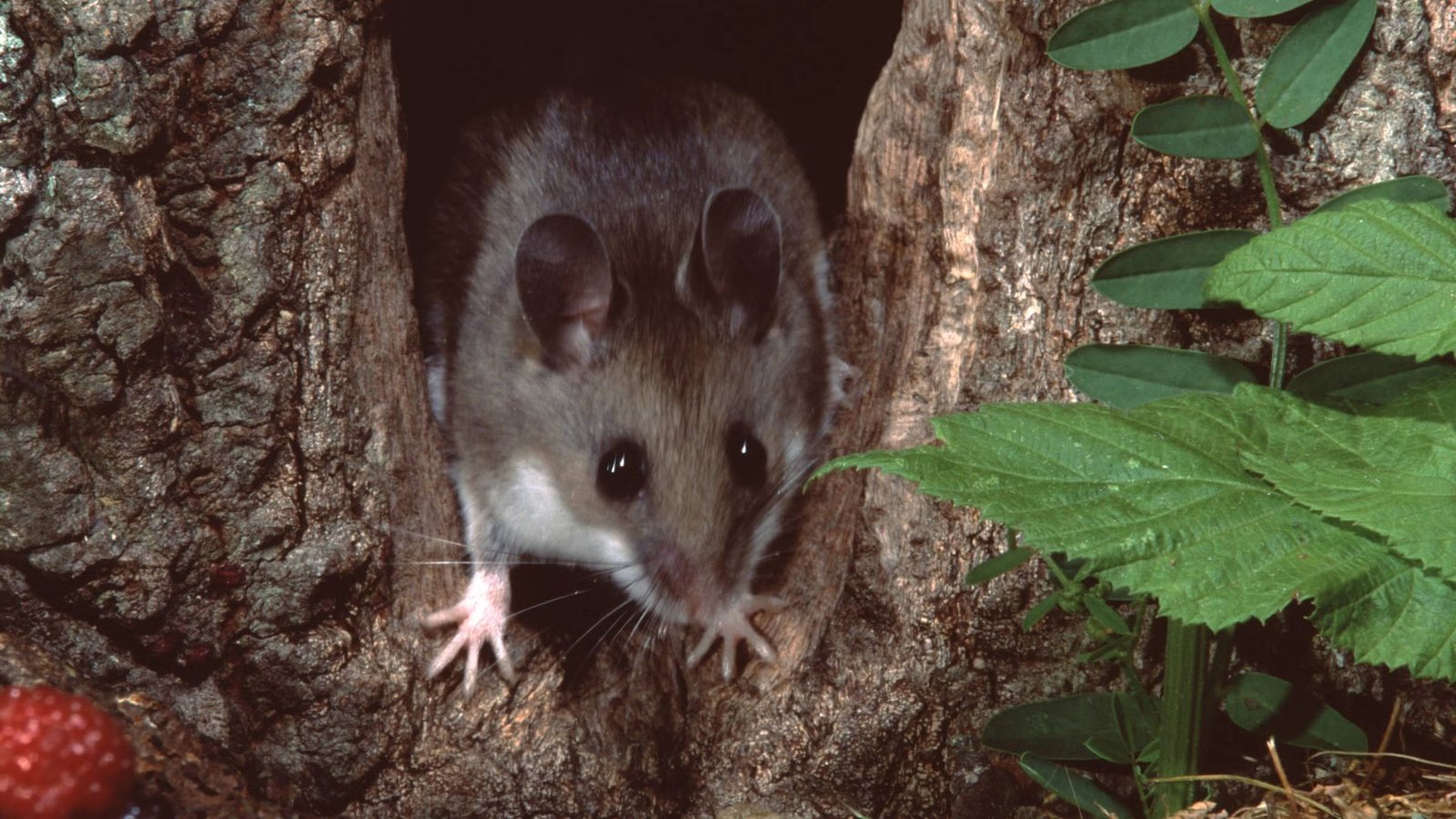
In the U.S., infected deer mice are common carriers for hantavirus. After an incubation period that can last weeks, hantavirus initially presents with flu-like symptoms that can worsen and lead to severe and even deadly respiratory illness.
There are several strains of hantavirus, some of which are not found in the U.S. The Andean form, which is responsible for the recent outbreak aboard the MV Hondius cruise ship, has been identified in the U.S. previously, though rarely.
“Most of what we have is the Sin Nombre virus, which is most famous for the [1993] outbreak in the Four Corners area, when hanta really came to the attention of people in the U.S.,” says McClelland.
According to McClelland, there is no evidence that Sin Nombre is transmitted from human to human. It was this strain that was responsible for Yosemite’s 2012 outbreak.
The Andean form, on the other hand, is the only variety where there’s been evidence of person-to-person spread.
“I think people are very attuned to this right now because we’re relatively close on the heels of a pandemic, and so something that can be transmitted by breathing is really scary,” McClelland says. “The important thing in terms of human-to-human transmission, even when we’re talking about the Andean virus, is that it takes prolonged close contact.”
Might the cruise ship outbreak lead to rapid spread of hantavirus? McClelland says it’s exceedingly unlikely.
“We are almost certainly not on the verge of a new pandemic because the virus just doesn’t spread easily enough,” he says. “What we have is sort of a decreasing rather than an increasing outbreak overall.”
Hantavirus and Backcountry Shelters
When it comes to backpacking and camping in primitive structures, McClelland says a person may be more at risk cleaning out an infested space than spending the night. So while it can be tempting to sweep out a lean-to upon arrival, take caution unless you have an N95 mask, especially if you see droppings or evidence of a rodent nest. Opening a cabin or shelter for the season and planning to do some cleaning? Pack in a mask.
While the risk of exposure to hanta is minimal for most backpackers in the U.S., McClelland says that there are other potential hazards associated with sleeping in backcountry shelters if they are infested with rodents.
“There’s also a risk, albeit low, of something called tick-borne relapsing fever, which is from a bite of a soft-bodied tick, so a teeny little tick that people usually don’t see,” he says. Rat-bite fever is another possible threat contracted not only through bites, but potentially through contact with rodent urine.
How to Stay Safe While Hiking and Backpacking
Luckily for hikers, McClelland says exposure to these diseases is easy to avoid. Just because you see a mouse around camp doesn’t mean you’re at risk. Look for signs of infestation before bedding down for the night.
“Ideally, don’t sleep in a heavily rodent-infested space,” he says. Properly storing your food near shared shelters can help keep the space critter-free. Don’t leave anything behind in a shelter such as toilet paper, which rodents may find to be attractive nesting material. And if you have concerns about a shelter, rest assured that tent camping carries virtually no risk of exposure to hantavirus and other rodent-borne illnesses. When cleaning out rodent-infested spaces, always wear an N95 mask and ensure that the space is well-ventilated.
“With just very simple avoidance of that particular setting, hikers are safe from this,” he says. “And there are more important things for hikers to be concerned about in terms of infectious disease in the wilderness. Those are in particular going to be your tick-borne and your mosquito-borne illnesses. So wear your bug repellent.”
