

A single shark fin in a x-ray.
Dr. Vanessa Pirotta, Rapiscan Systems/Macquarie University
Picture this: you are wheeling your suitcase through an airport after a long international flight. Around you, hundreds of bags move through security systems designed to detect explosives, weapons and other dangerous items. Your bag is filled with your comfiest hoodie (perfect for travel), your favorite snacks, noise-canceling headphones, and a yummy chapstick. What most travelers probably don’t realize is that some of those same bags amongst yours may also be carrying a different kind of contraband. Hidden beneath clothes, wrapped in foil or tucked inside children’s toys could be dried seahorses, shark fins or sea cucumbers destined for the illegal wildlife trade.
Wildlife trafficking often conjures images of elephant ivory or rhino horn, yet a vast and largely overlooked trade in marine species is unfolding. Worth billions of dollars annually, marine wildlife trafficking threatens vulnerable populations, disrupts ecosystems and fuels international criminal networks. Detecting it has long been a challenge. Now, a team of researchers have developed an artificial intelligence system that could make it much harder for smugglers to hide marine wildlife in plain sight. The study, led by Dr. Vanessa Pirotta of Macquarie University and published in Frontiers in Ocean Sustainability, used artificial intelligence and existing airport CT scanning technology to identify three commonly trafficked marine wildlife products: shark fins, dried seahorses and sea cucumbers. The results were impressive, with the system successfully detecting these items with an overall accuracy rate of 92%.
“The trade of wildlife is cruel and unethical,” Pirotta said in a statement. “For many, this may be the first time they have heard of illegal trafficking of marine wildlife.”
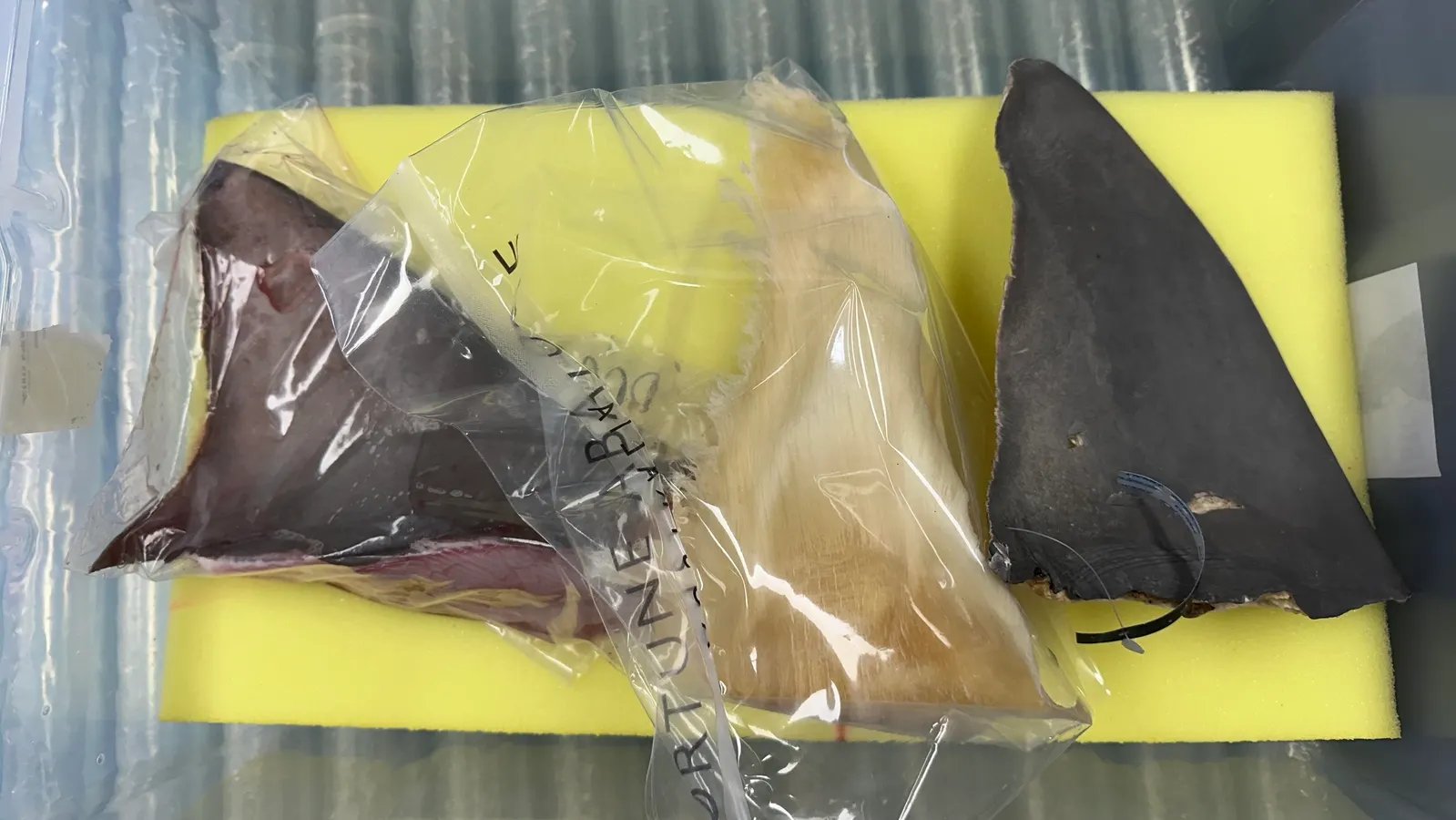
Unlike traditional two-dimensional X-ray systems, CT scanners create detailed three-dimensional images of baggage contents. Security personnel can rotate and examine these images from multiple angles, making it easier to identify suspicious objects. The researchers wondered whether an AI system could be trained to automatically recognize the shapes and characteristics of commonly trafficked marine species hidden among ordinary luggage items. To find out, the team assembled specimens that included shark fins, dried seahorses and dried sea cucumbers; some of these samples came directly from wildlife trafficking seizures, offering a realistic representation of what authorities might encounter in the real world. Then, using technology already present in many airports around the world, they created 298 scans from a total of 68 samples. Each specimen was scanned multiple times in different positions and settings; some were hidden beneath clothing while others were wrapped in metal materials or concealed inside toys, mimicking methods that traffickers have used in the past. The team then used a technique known as Threat Image Projection. Essentially, they digitally inserted images of marine wildlife products into scans of ordinary luggage, dramatically expanding the training dataset and creating realistic scenarios for the AI system to learn from. By the end of the process, the algorithm had been trained using thousands of simulated baggage scans. After training, the researchers tested the algorithm on scans it had never encountered before.
New AI Scanner Could Help Stop Marine Wildlife Trafficking at Airports
Dr. Vanessa Pirotta, Rapiscan Systems/Macquarie University
The AI performed remarkably well.
It correctly identified shark fins 95% of the time and seahorses 96% of the time. Sea cucumbers proved somewhat more challenging, though the system still detected them with an accuracy rate of 86%. No detection system is perfect, however; the algorithm generated false alarms in some cases, producing an overall false positive rate of 13%. This means some bags would still need to be manually inspected even when no wildlife products were present. And that is important to note, as the team are not proposing that AI replace human expertise. Instead, they envision a combination approach that blends machine detection with traditional inspection methods. Human officers, detector dogs and other screening tools remain essential parts of the process. “AI is not a silver bullet for detection, nor a replacement for human and sniffer dog detection,” Pirotta stressed.
“Illegal wildlife trafficking is a global problem. By improving our ability to detect shark fins and other marine wildlife products, we can help reduce illegal trade, strengthen compliance with international regulations and support shark conservation efforts worldwide,” said Fisheries scientist Dr. Amy Smoothey of the NSW Department of Primary Industries, co-author of this new study. Marine wildlife trafficking remains poorly documented compared to many terrestrial wildlife crimes. While international agreements such as the Convention on International Trade in Endangered Species of Wild Fauna and Flora, better known as CITES, regulate trade in many vulnerable species, enforcement depends heavily on detection. After all, authorities cannot stop what they cannot find! Still, significant hurdles remain as many airports around the world continue to rely on older two-dimensional scanning systems because advanced CT scanners are expensive and not universally available. The study also relied on a relatively small number of physical specimens, meaning additional data will be needed before such systems can be deployed at a truly global scale. Even so, the research offers a glimpse of how emerging technologies could strengthen conservation efforts in the future. As AI becomes increasingly integrated into border security and transportation systems, it could also become one of the ocean’s most effective defenders. And algorithms trained to recognize a dried seahorse today could eventually identify countless other trafficked species tomorrow, or more, as marine wildlife trafficking is increasingly overlapping with other forms of organized crime. See, illegal wildlife products are often moved through the same networks used for drug trafficking, arms smuggling and human trafficking. Thus, improving detection capabilities could therefore have benefits that extend far beyond conservation.
The oceans are vast, and much of the illegal trade occurring within them remains hidden from view. Yet every confiscated shipment represents animals that will not enter the market and criminal networks that become a little easier to disrupt.
