

Climbing North Apostle Mountain, an off-duty first responder freed their own fractured leg from a massive dislodged rock before an intricate iPhone-facilitated Black Hawk rescue took flight.
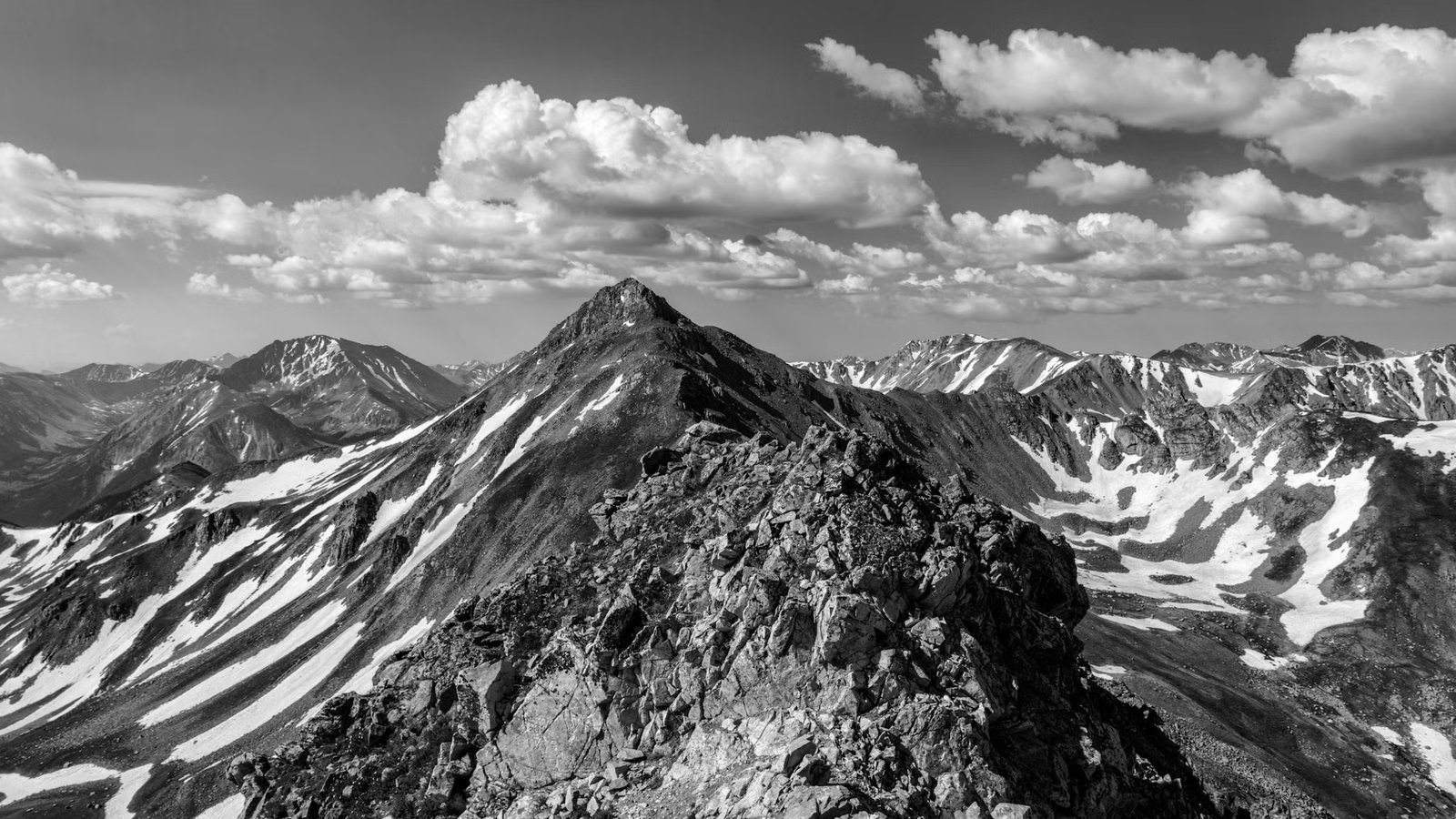
Views of the Sawatch Range in the Colorado Rocky Mountains, located in central Colorado (Photo: nick1803/Getty Images)
Published July 7, 2026 02:32PM
An off-duty firefighter escaped with their life after becoming pinned beneath a 400-pound boulder while climbing a remote mountain in Colorado. The firefighter, who has not been identified, had no cell service and a broken leg. Rescuers said they used “primal adrenaline” to survive the ordeal.
On the morning of July 1, a firefighter with the Eagle River Fire Protection District, near Vail, was climbing a couloir on North Apostle Mountain. The 13,869-foot peak is located in the Sawatch Range southeast of Aspen, Colorado. As the person scrambled up the trail, they dislodged a 400-pound boulder, which rolled over their leg, fracturing it instantly.
The firefighter’s quick thinking and technical savvy likely saved their life—they managed to shift the boulder off their pinned leg and crawl to another location to call for help.
“Through incredible determination—and what was described as some “primal adrenaline”—they were able to free themselves. Knowing their injuries were severe, they activated an emergency call for help,” wrote the firefighter’s company in a statement.
In May, a climber was pinned beneath a 16,000-pound boulder on Oregon’s Mount Hood, and news reports suggest that search and rescue crews extract a handful of pinned people in the U.S. every year.
In this remote part of Colorado wilderness, cell reception is scant. The firefighter also deployed their iPhone’s Emergency SOS via Satellite feature, alerting responding Chaffee County dispatchers to their GPS coordinates.
Authorities say Vail Mountain Rescue Group and Chaffee County Search and Rescue initiated a ground response. But the rugged terrain, severity of the trauma, and extreme 13,000-foot altitude meant rescuers needed transportation in order to reach the stricken climber. Dispatchers requested a military helicopter hoist from the High-Altitude Army Aviation Training Site (HAATS) in nearby Gypsum. HAATS trains high-altitude military helicopter pilots as the Department of Defense’s only school dedicated to preparing crews for challenging mountain environments.
“Their professionalism and skill are truly second to none,” Eagle River wrote. Mountain Rescue Aspen deployed two technical rescuers from its hoist team, whose expertise has been instrumental in countless high-angle and alpine rescues across Colorado.
While awaiting rescue, the firefighter remained in contact with a member of Vail Mountain Rescue through the iPhone satellite texting feature, responders said. That rescuer was able to relay critical information—including location, injuries, and terrain conditions—to the helicopter crew. Teams also deployed ground crews in case weather or terrain prevented the helicopter from accessing the scene.
The helicopter pilot, who was flying the last flight of his military career, arrived on the scene at 5:25 P.M. and successfully executed a 300-foot technical hoist in high winds.
“After assessing the landing zone, the crew inserted the two Mountain Rescue Aspen technicians on a 300-foot hoist line. They quickly splinted the broken leg, packaged our firefighter, and safely hoisted them into the aircraft for transport,” Eagle River wrote.
Other responding agencies included Mountain Rescue Aspen, Chaffee County EMS, Vail Health Emergency Department, Eagle Valley Wildland, and Eagle County Airport Fire Rescue.
“Incidents like this are a powerful reminder that even those who dedicate their lives to helping others sometimes need help themselves,” Eagle River wrote. “It is a fitting tribute to a career spent serving others.”
After completing the mission, the helicopter pilot received a traditional military honor: a water cannon salute over the chopper.
