

Published July 22, 2026 03:27PM
Every summer, our gear editors head to OMA’s media show for a look into the future of gear. For 2027, big name brands are pushing the limits for what’s possible in ultralight, from quilts to rain jackets. We also saw smart updates to existing favorites and new, affordable inventions from some of our most beloved backpacking and hiking brands. Stay tuned next spring to see how many of OMA’s hottest new pieces survive the testing process to become Gear Guide finalists.
HydraPak 42-MM Filter Cap ($28)
Our favorite water filter for backpacking, the HydraPak 42-MM, is about to get a major update. The existing filter is already one of the lightest, fastest, and easiest-to-clean squeeze filters on the market, but we do have a few quibbles. Every single one of those grievances is addressed in the 2027 version.
It’s marginally lighter (1.4 oz), $10 cheaper, and comes with a lightweight backflush adapter that screws onto a clean water bottle so you don’t have to bring a syringe into the backcountry. But the biggest change? It comes with a simple, clip-on prefilter that takes the brunt of the sediment and sludge, making the hollow fiber inner filter last longer. It’s an easy-to-clean mesh, unlike your inner filter, which requires a more-involved backflush. As a bonus, HydraPak will sell filter-only replacements, which means less plastic in the landfill and less expense for backpackers. The new filter launches in Spring 2027 as a kit with the brand’s soft flasks, like the Seeker. Stand-alone filters will hit shelves in 2028.
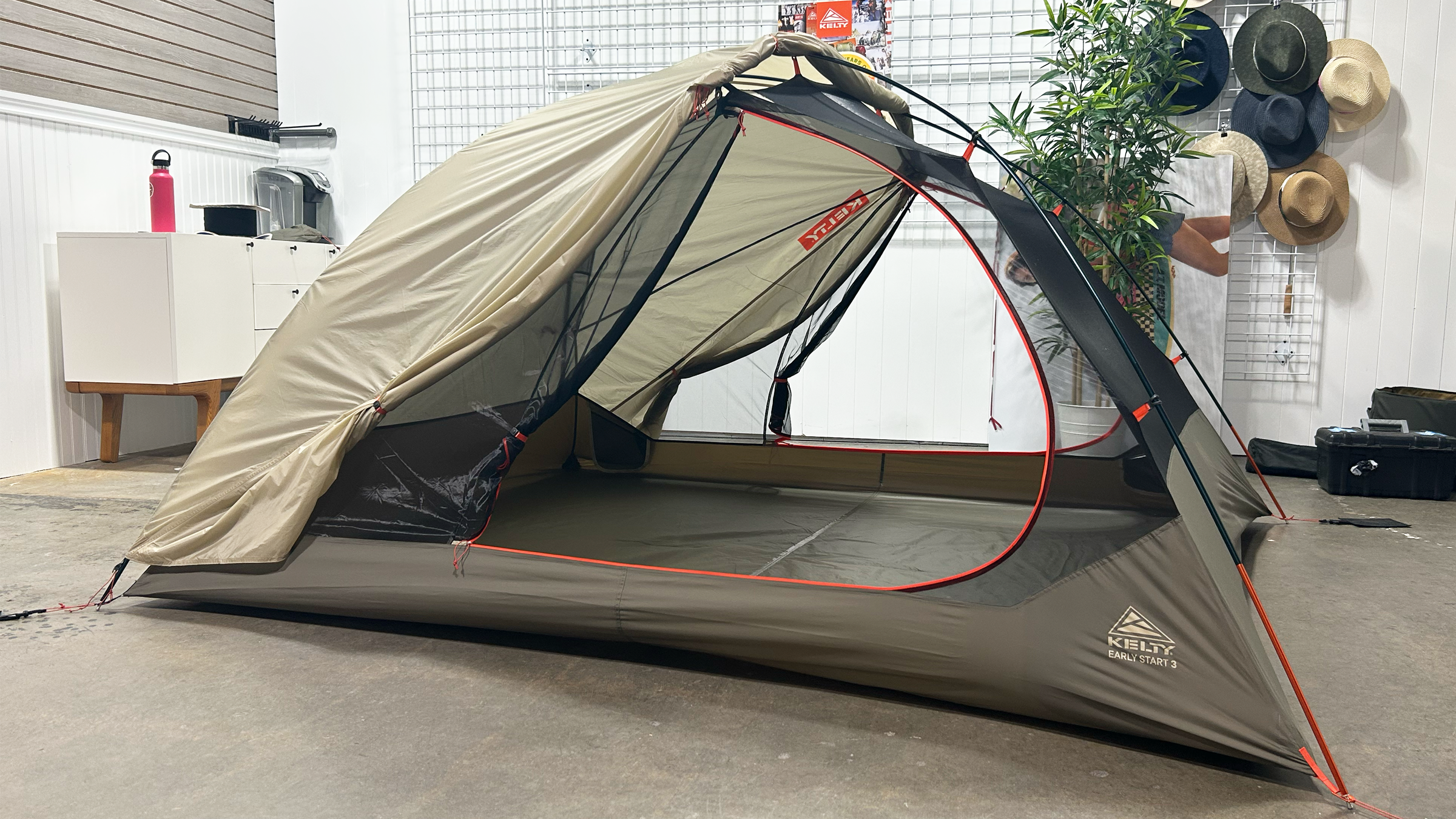
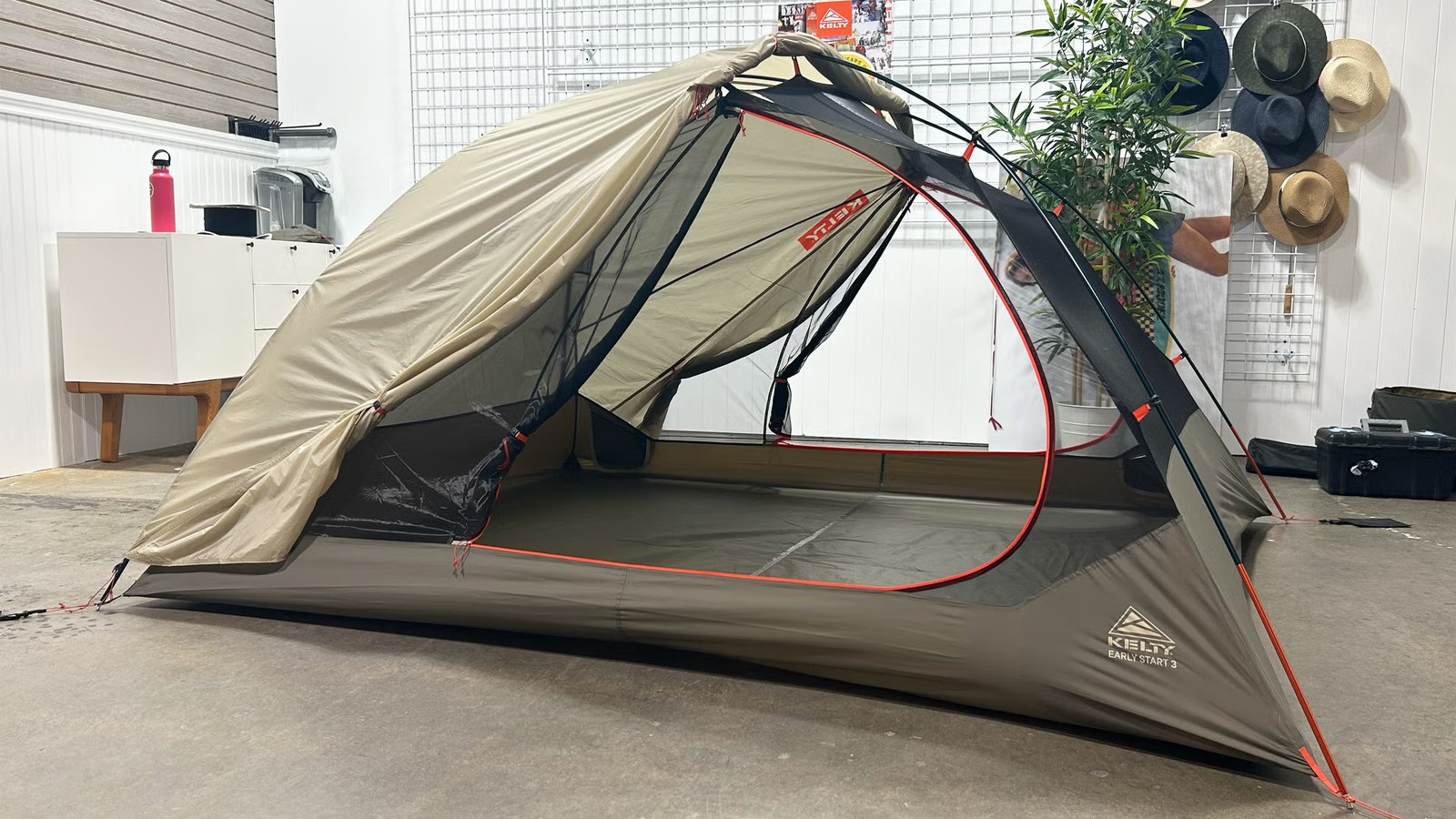
Kelty Early Start 2 ($280)
Kelty is known for its budget, beginner-friendly (but heavy) gear, so we were surprised to see the brand releasing a genuinely lightweight backpacking tent. The Early Start 2 will come in at $280, which is already cheaper than our favorite budget tents. The real kicker? It has a trail weight of 2 pounds 10 ounces. For reference, high-end two person tents like the Big Agnes Copper Spur and NEMO Dragonfly are roughly the same weight but cost twice as much.
And based on our first look, the Early Start doesn’t skimp on features: pole segments are short enough to fit your bikepacking rig; there are four mesh pockets on the bottoms and another overhead; and the rainfly rolls up over half of the tent for stargazing and can be unrolled from inside. Overall, it’s a strong contender for best value backpacking tent.
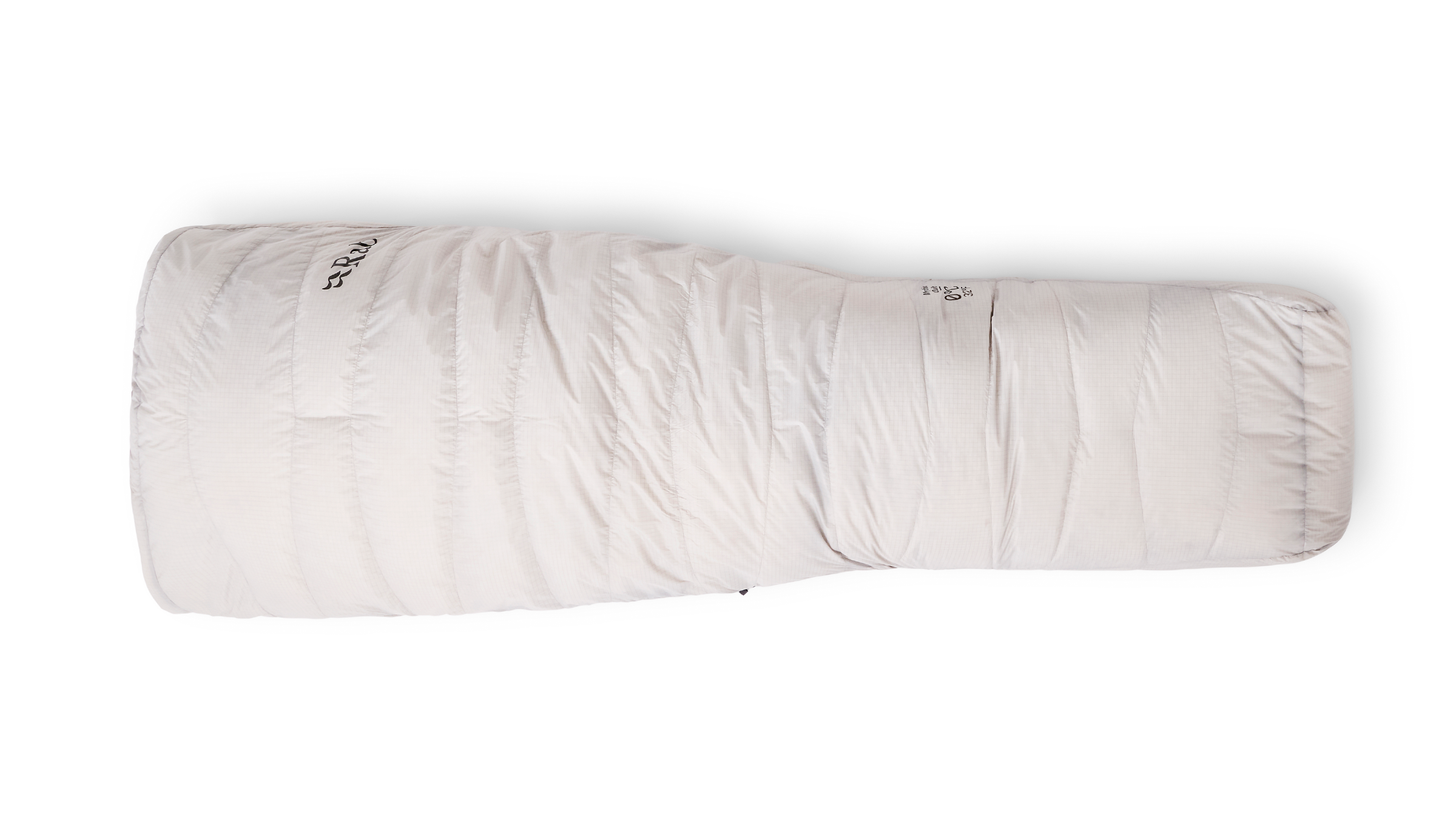
Rab Mythic Quilt 32F ($475)
There are practical limits to an ultralight quilt. Once you reach a certain down fill and fabric denier, there’s not much you can do to shed weight. Somehow, Rab is bending those limits. The brand’s 32-degree quilt (based on the Mythic Bag which came out this year) is a mind-blowing 13.8 ounces. That’s lighter than any quilt on the market at that temperature rating, full-stop. Only a warm weather quilt, like the Zpacks Summer Quilt, beats that weight, and it’s only comfortable down to around 50 degrees.
In addition to 900-fill goose down, Rab says its use of a reflective lining and twisted helix baffle design allow for a higher warmth-to-weight ratio than competitors. The Mythic Quilt comes with a sewn, 3D-footbox and strap attachment system. This is one we’ll have to spend some chilly nights in before passing judgement.
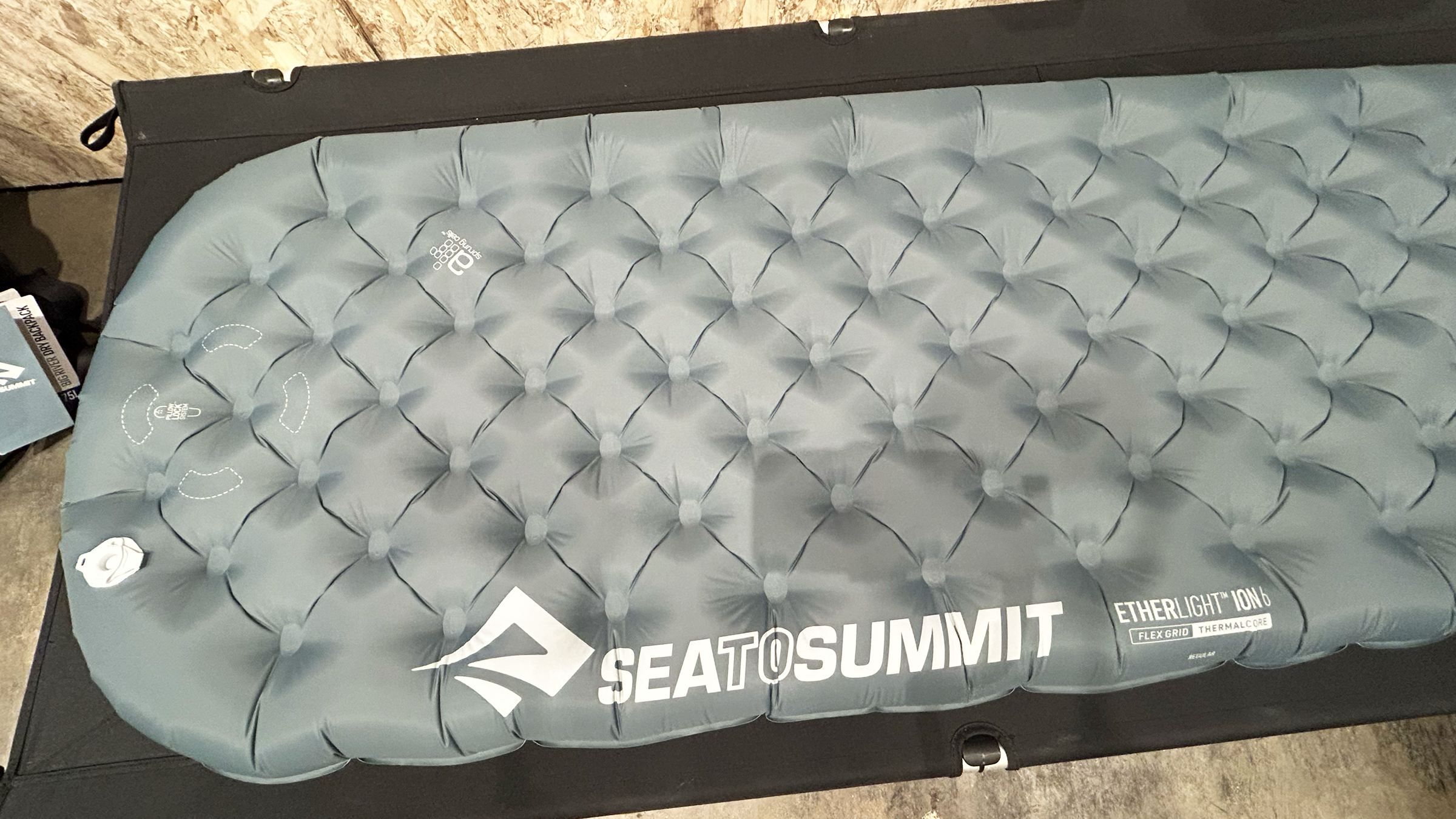
Sea to Summit Ion Line
Sea to Summit has long made the most comfortable lightweight sleeping pads on the market thanks to the brand’s patented quilted design (rather than horizontal or vertical baffles.) But it could never quite compete with the top players, like Exped, NEMO, and Therm-a-Rest, for weight-to-R-value ratio.
The new Ion line, the successor to the XR Insulated line, brings Sea to Summit into the race. The Ultralight Ion 5 has an R-Value of 5 and a weight of just 11.5 ounces. (The Ether Light Ion 6 and 8 are R-6 and -8 with slightly heavier weights.) That makes the Ion line the lightest sleeping pad series on the market for the warmth after Exped’s Ultra 6.5. Sea to Summit says it achieved the low weight by creating a TPU “skeleton” along the dot welds (the uninsulated parts of the quilted baffles) rather than using an entire sheet of TPU. The pads use 20-denier fabric, which is a good bit thinner than the current Ether Light XR sleeping pad the brand sells. We’ll have more details on the line’s actual warmth, durability, and comfort after a season of testing.
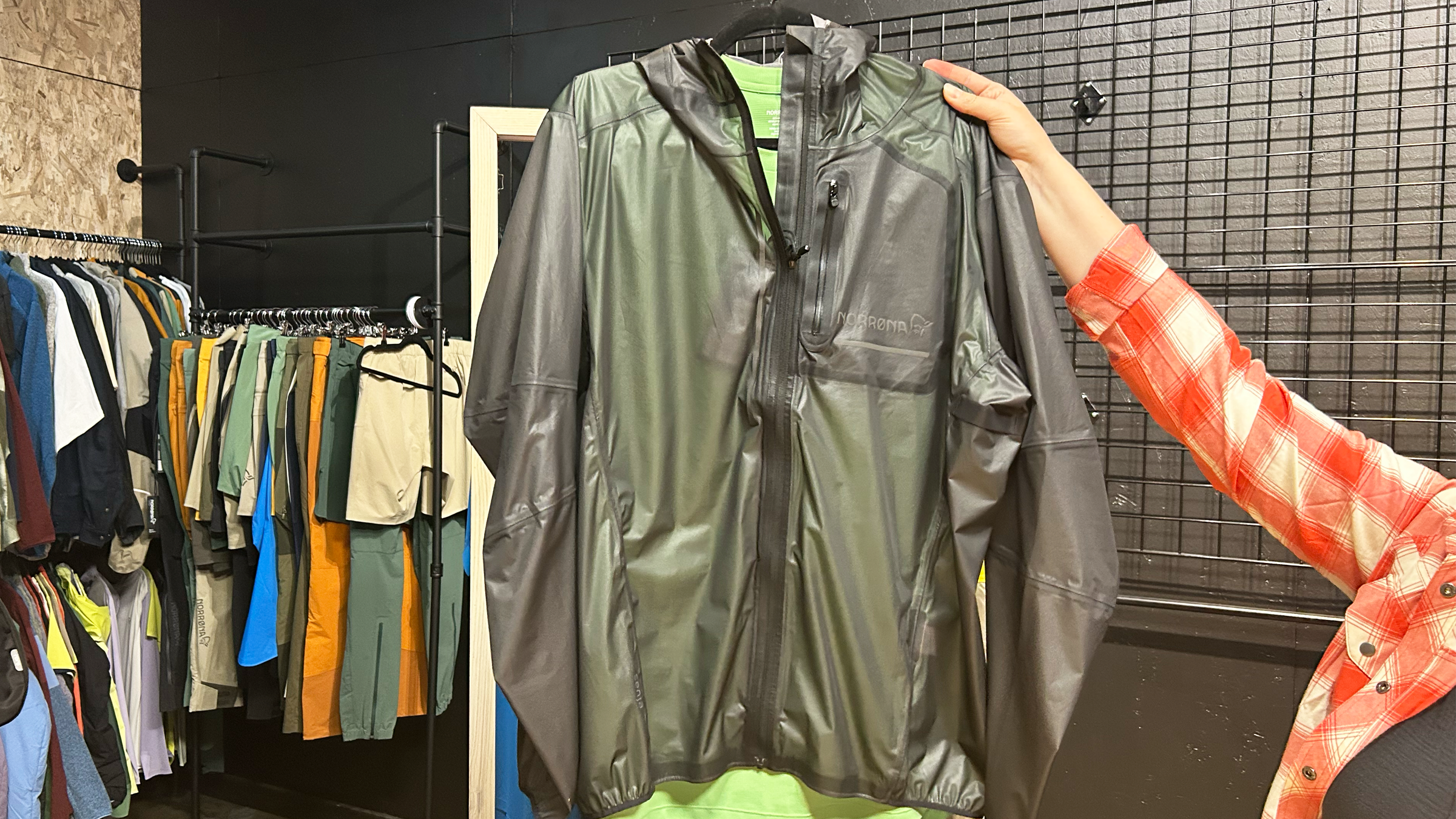
Norrona Senja Driflex 3 Lightweight Jacket ($499)
In the post-ShakeDry era, buying a breathable ultralight rainjacket is no easy feat. Despite the best efforts of outdoor brands and Gore-Tex itself, there really hasn’t been a superlight, breathable, fully-waterproof replacement for the magic of ShakeDry, which was discontinued in 2023 over concerns about PFAS.
Norrona’s new Senja Driflex 3 Lightweight Jacket is the first we’ve seen that mimics ShakeDry in look, feel, and weight. The Driflex 3 is geared towards trail runners, but it’s likely only the first iteration of this new tech for Norrona. It’s a genuine three-layer jacket that boasts a 20k/50k waterproof/breathability rating. Those are impressive numbers—especially in the breathability department. Sandwiching the Driflex is a 15-denier polyester face fabric and 7-denier nylon backer for a total weight of 5.6 ounces. And yes, it has pit zips.
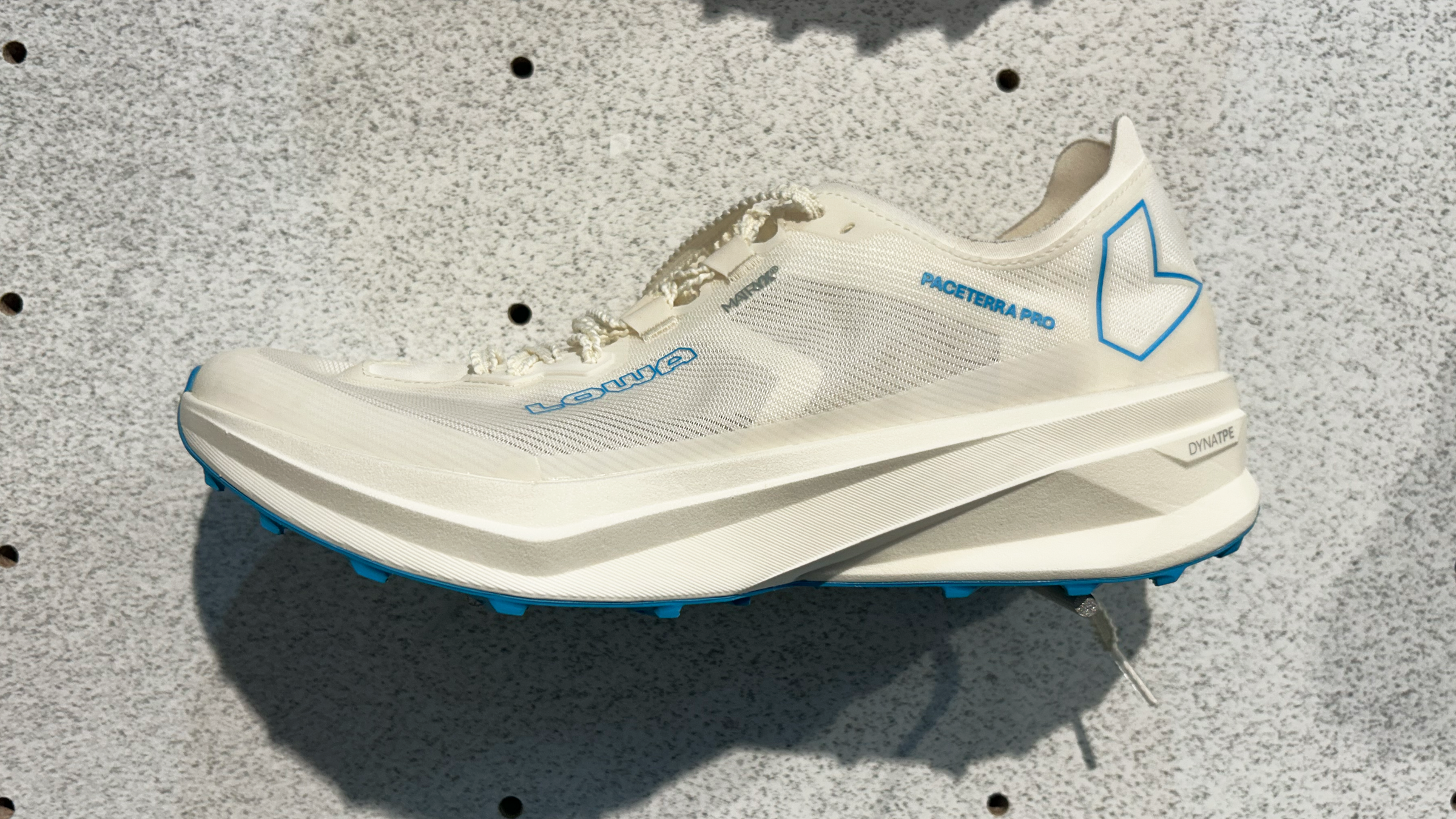
Lowa Paceterra Pro ($210)
Lowa had plenty of interesting new footwear to show off, but it was the Paceterra Pro that really caught our eye. At 7.3 ounces per shoe, this 6-millimeter-drop sneaker is the lightest trail runner available on the market. It’s shockingly gossamer thanks to a strobel-free design (the midsole is attached directly to the upper), Matryx mesh upper, Vibram MegaGrip Litebase outsole with cutaways, perforated sock liner, and a supercritical TPEE midsole.
Make no mistake: This is a race day shoe—Lowa estimates it’s got roughly 180 miles of trail life, so leave your fantasies about using the Paceterra Pro for ultralight hiking at home.
