

Key Takeaways
- Herrera’s firsthand experience working at a call center helped inspire the outsourcing startup Horatio.
- The company launched in 2018 with its first location in the Dominican Republic.
- Today, Horatio leverages AI without losing sight of human value to see 9-figure annual revenue.
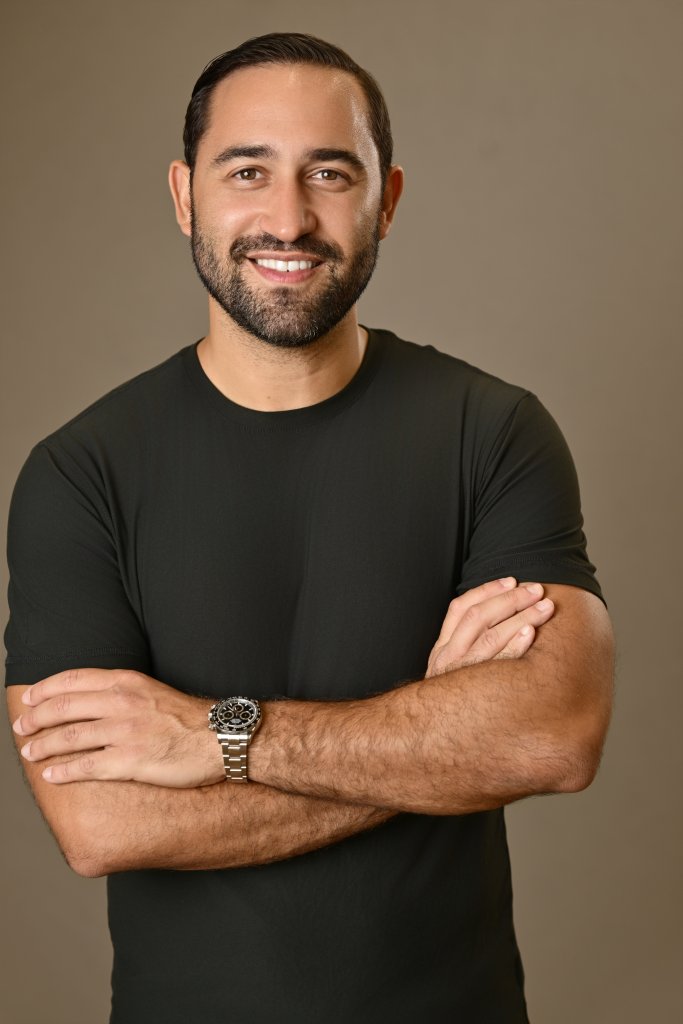
After starting his career at Goldman Sachs and Morgan Stanley, Dominican founder Jose Herrera couldn’t shake the “entrepreneurial bug.” He began investing in direct-to-consumer startups and noticed a common pain point: The businesses consistently struggled with customer service. Herrera had firsthand experience on the other side, having worked a summer job at a call center before college.
“ The environment in the traditional call center is super dark, dingy, feels like a prison,” Herrera tells Entrepreneur. “They really don’t invest in the employee experience, and it’s an industry that has convinced itself that this is just how outsourcing worked.”
Columbia MBA classmates launch Horatio in 2018
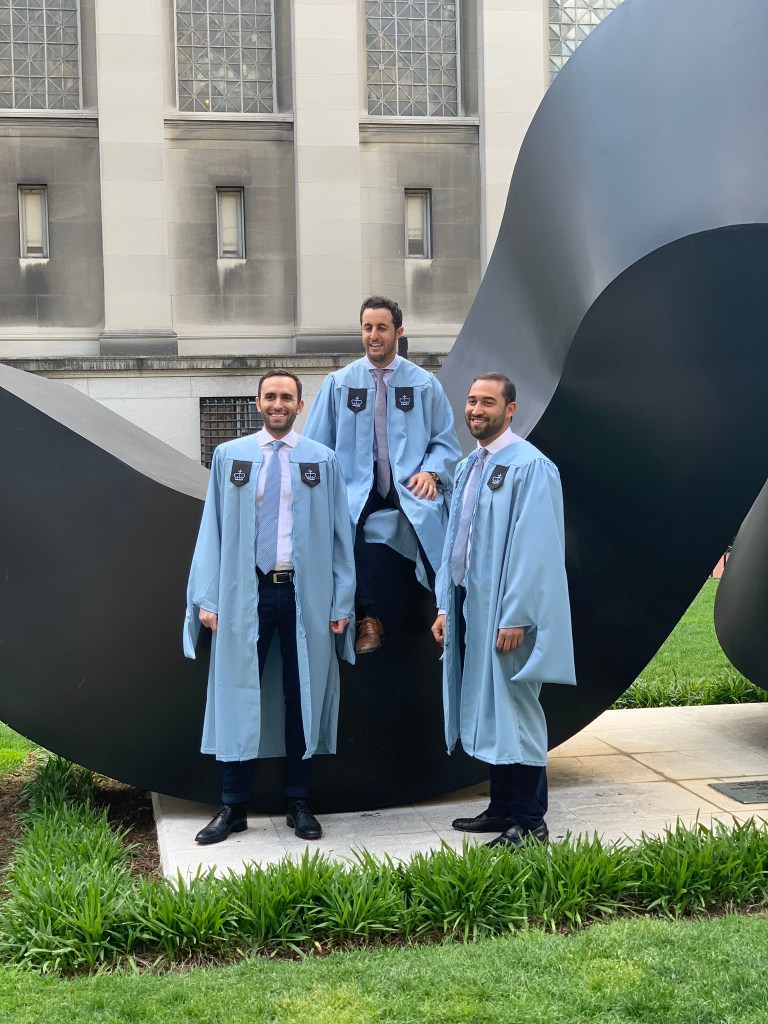
At Columbia University’s MBA program, Herrera (CEO) connected with co-founders Alex Ross (COO) and Jared Karson (CFO), who would help him launch the outsourcing startup Horatio, named for Hamlet’s trusted friend in the Shakespearean play, in 2018.
The co-founders didn’t raise any money, relying on their savings alone to open their first location in the Dominican Republic.
Horatio brings in 9-figure annual recurring revenue
In the years since, Horatio has grown from a startup focused on customer support into a global operation with more than 125 clients across healthcare, fintech, ecommerce and other high-growth industries.
What’s more, the company brings in more than nine figures in annual recurring revenue. Horatio’s reach extends across the U.S. and Latin America (the Dominican Republic, Colombia and Honduras), with more than 3,500 team members globally.
Through it all, amid a rapid scale rate of 40% year-over-year, the company still hasn’t taken any outside capital.
We make sure that our people are at the center.
“We never set out to build a venture-backed company,” Herrera says. “We wanted to build a great company. I wanted to bring the Silicon Valley culture, that tech campus culture, to nearshore talent. Because there’s incredible talent in Latin America, but there was nothing like what we’ve built. At Horatio, we make sure that our people are at the center.”
The company’s commitment to providing robust employee benefits — from designing open workspaces to encouraging collaboration, offering career development opportunities and focusing on wellness and culture — drove real results for clients. And those clients wanted more; over 77% have expanded their team size and scope within the brand.

AI empowers employees and increases customer lifetime value
In response to increasing client interest, Horatio has grown its offering over the years and leaned into AI with intention. To Herrera, that means disproving the traditional AI narrative, which at times has had the reputation of being used by vendors to hide from their customers and slash costs.
“Founders nowadays are feeling the pressure to implement AI,” Herrera says. “Boards are pushing them to say that they’re AI-enabled. But founders see us as a strong operational partner that can help them do what is necessary to make AI work.”
Horatio aims to use AI to empower people and increase customer lifetime value, Herrera says.
AI consulting services bridge the tech implementation gap
The company rolled out its own AI consulting services to help solve a problem it saw across its roughly 40 AI vendors: Those vendors didn’t have time to implement their technology or fully understand Horatio’s clients’ workflows. And the clients didn’t have time to experiment with implementation either.
“Because we already have a roster of clients that are actually actively looking for that solution, and because we have a team of AI strategists and consultants, we’ve been able to help them with the deployment of this technology,” Herrera explains. “We’ve been able to fine-tune.”
No easy automation or off-the-shelf bots
The company tells clients up front that it doesn’t sell “easy automation.” Instead, Horatio focuses on building AI for regulated verticals because off-the-shelf bots won’t work for its clients, most of which reside in the healthcare and fintech sectors.
The company’s specialized AI tools handle industry-specific workflows where accuracy, compliance and privacy are non-negotiables, Herrera notes.
“ Our clients understand that we should not use AI to replace the human touch,” Herrera adds. “We should use AI to make our humans supercharged or superpowered. Because in healthcare and fintech, close enough in AI isn’t good enough.”

That human touch is exactly what’s allowed Horatio to check off its major growth milestones, Herrera says. Some team members who joined Horatio on day one working as agents remain with the company today and serve in leadership roles, including as directors of operations.
“They started from the ground,” Herrera says. “These people live and breathe our brand day to day. It’s refreshing to see that now we’re able to delegate and continue to foster that talent, which is the key to the success that we’ve had.”
As Herrera looks to Horatio’s future, he’s excited to continue leveraging AI to empower the company’s team members and identify new growth opportunities.
“Investing in our people is going to remain central to our thesis,” Herrera says. “As we diversify and expand across different regions, continuing to foster that talent is top of mind for us.”
Key Takeaways
- Herrera’s firsthand experience working at a call center helped inspire the outsourcing startup Horatio.
- The company launched in 2018 with its first location in the Dominican Republic.
- Today, Horatio leverages AI without losing sight of human value to see 9-figure annual revenue.
After starting his career at Goldman Sachs and Morgan Stanley, Dominican founder Jose Herrera couldn’t shake the “entrepreneurial bug.” He began investing in direct-to-consumer startups and noticed a common pain point: The businesses consistently struggled with customer service. Herrera had firsthand experience on the other side, having worked a summer job at a call center before college.
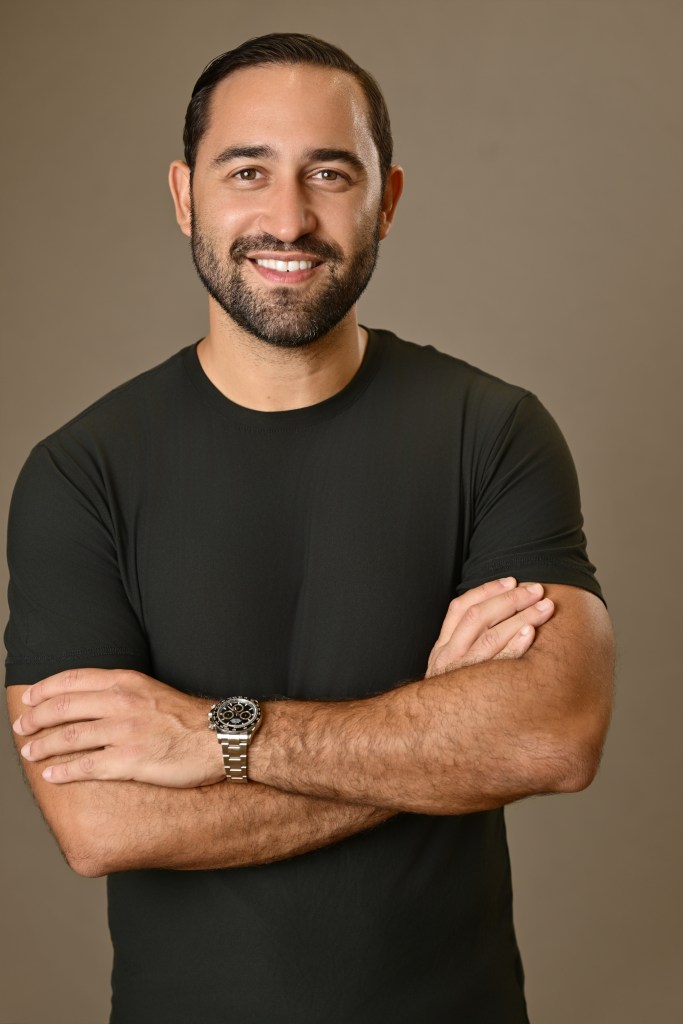
“ The environment in the traditional call center is super dark, dingy, feels like a prison,” Herrera tells Entrepreneur. “They really don’t invest in the employee experience, and it’s an industry that has convinced itself that this is just how outsourcing worked.”
Columbia MBA classmates launch Horatio in 2018
At Columbia University’s MBA program, Herrera (CEO) connected with co-founders Alex Ross (COO) and Jared Karson (CFO), who would help him launch the outsourcing startup Horatio, named for Hamlet’s trusted friend in the Shakespearean play, in 2018.
