Published August 13, 2026 11:25AM
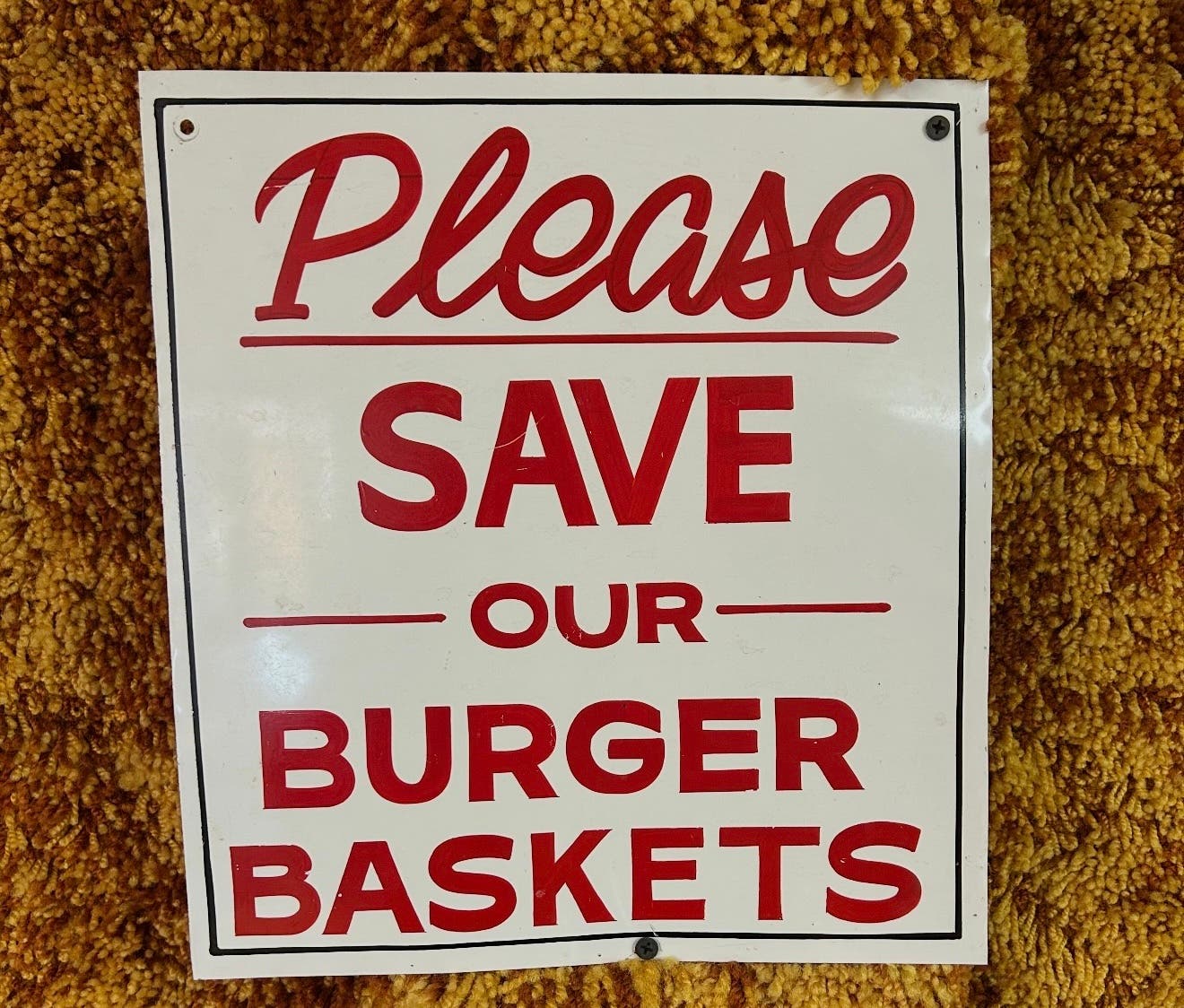
In the basement just outside of the bathrooms, the walls are lined with rust-colored shag carpet. There’s a sign that reads, “Please Save Our Burger Baskets” next to an antique, wooden, hand-painted display that lists adult lift tickets at a whopping price of $8.50.
This is Maverick, a single-lift mountain in Southwestern Montana self-described as the “soul of skiing.” As I write this, crews are battling the Sand Creek Fire, now burning at more than 27,000 acres and tearing through Maverick and its surrounding communities. The fire, which remains at zero percent containment, began on August 1, about seven miles outside Wisdom, Montana, an equally funky, true-cowboy kind of town.
An estimated two-thirds of the ski area’s runs are reportedly burned, as well as the upper portion of the ski lift. But we won’t know the full extent of the damage until fire crews are able to get a handle on the flames.
Maverick Mountain is the second ski area in 2026 to succumb to a wildfire, after Eagle Point Resort in Utah burned down in July. Firefighters continue to battle fires across Oregon, including those threatening historical structures on Mount Hood, such as Timberline Lodge. Portions of Spokane, Washington, are leveled. I haven’t been able to see the outline of the mountains from my home in Missoula, Montana, for weeks because of intense smoke.
These fires threaten more than just acreage—they jeopardize the heart of Western outdoor culture.
Smokejumpers and firefighters working around the country are holding fire lines, installing pumps and sprinkler systems, and wrapping threatened structures, including those surrounding the spunky Elkhorn Hot Springs near Maverick. While homes burn down and people are evacuated, we are also losing a connection to ski culture and the weird, quirky, outlandish outdoor places we love.
People Ski in Jeans and Kids Ski for Free
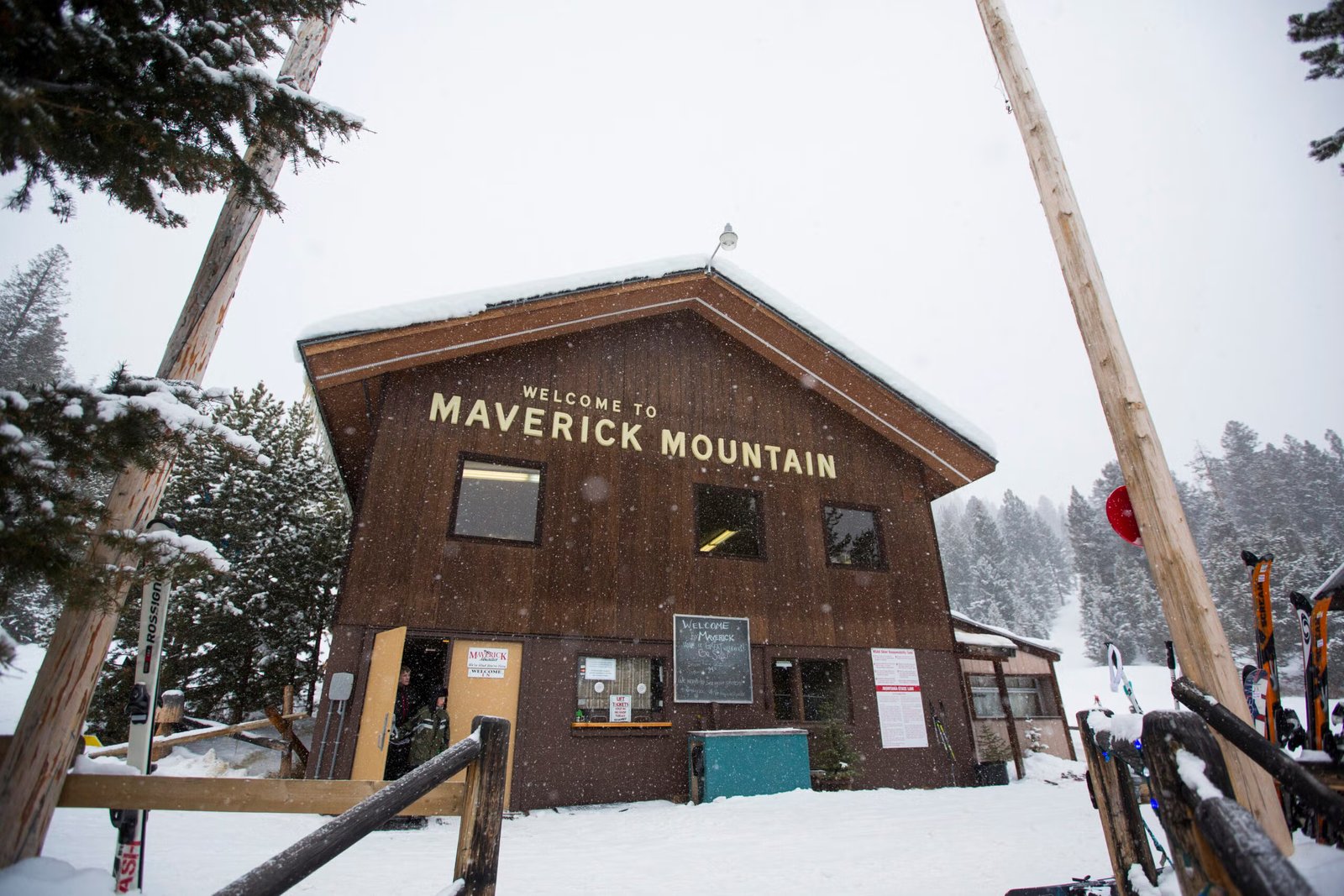
Maverick is a true mom-and-pop vibe, with one double-chair lift serving 24 runs. There are over 2,020 feet of vertical drop and around 140 inches of annual snowfall, all for the price of a $54 adult ticket. Located in the small community of Polaris, population 100 on a busy day, it’s about a three-hour drive from either Missoula or Bozeman.
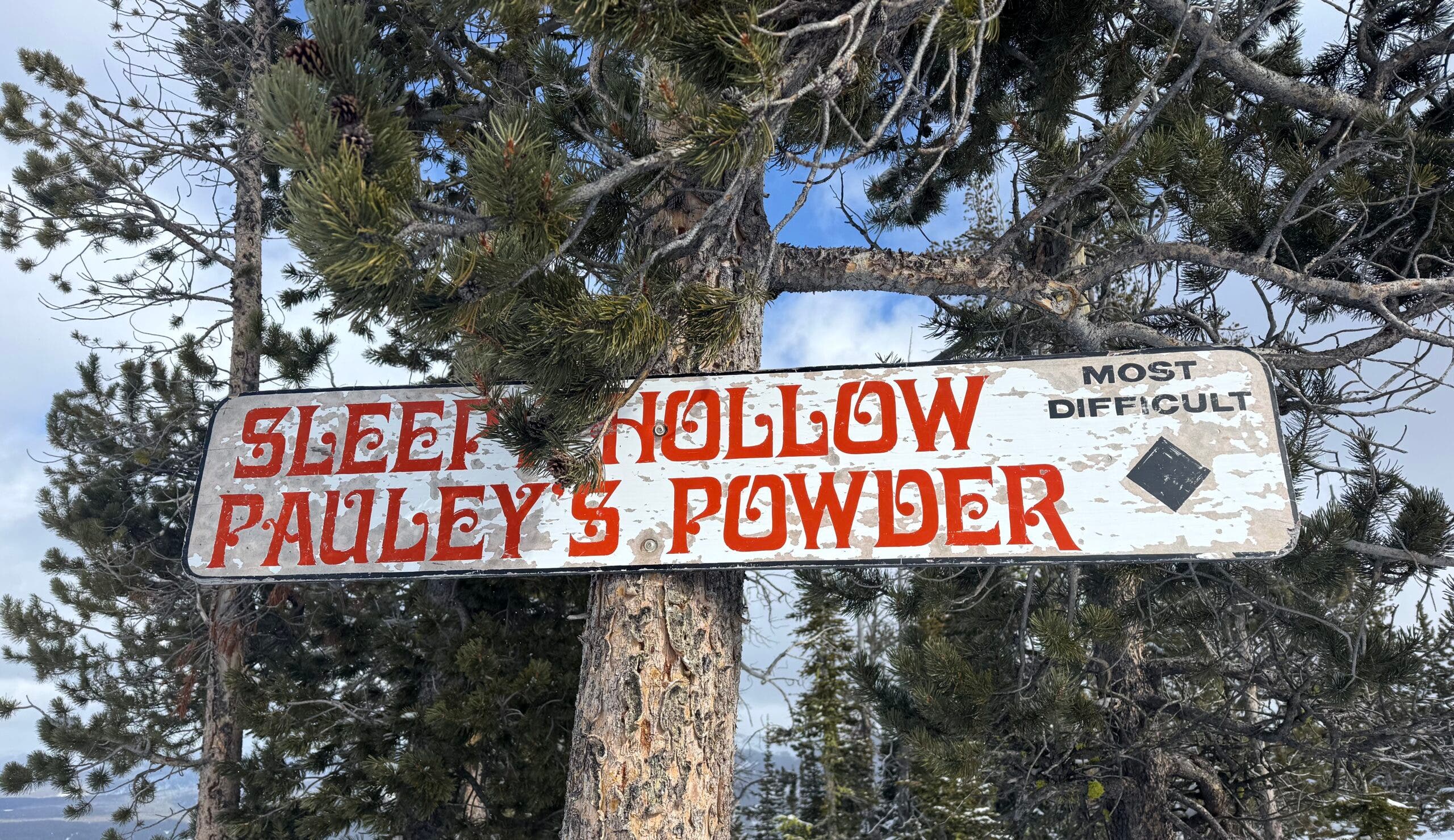
Although quaint, about one-in-five runs are considered expert level, like the double-black named Widow Maker. In operation since 1946, Maverick is a beloved, old-fashioned ski area near the Beaverhead-Deerlodge National Forest—driving here, don’t expect to have cell reception. It’s is a place where people ski in jeans, and kids ski for free.
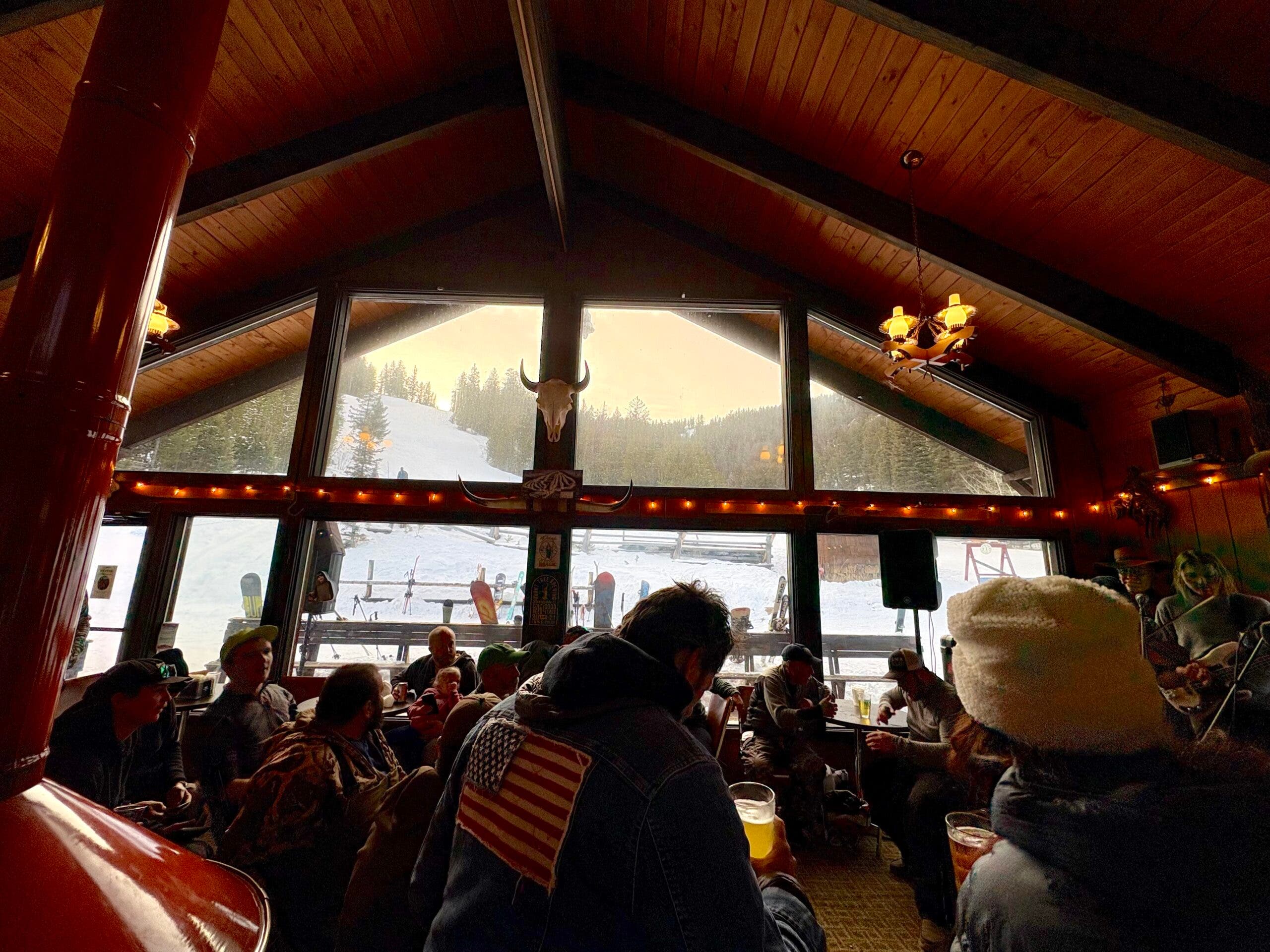
Unlike at the bigger mountains, Maverick’s main hub is a single building that houses a small cafeteria (with surprisingly good burgers), a rental shop, and a old-fashioned bar with local beers and views of the mountains. On the weekends, homegrown bluegrass bands fill up the tiny lodge while patrons swing dance in ski boots. I was last there for my friend Elli’s birthday, when I bribed one of the band members with a dance to sing for her.
The Meaning of Maverick
The name “maverick” implies a sort of rebellious, nonconformist renegade, and this soulful mountain is aptly named—calling it a “resort” is a bit of a misnomer, in my opinion. In a world of Ikon passes and social media influencers, Maverick represents everything that corporate skiing has lost. It’s an endangered species: an affordable ski area still run by an independent family in the Pioneer Mountains.
To be real with you, dear reader, I’m guilty of gatekeeping this free-spirited mountain. I’ve been a longtime visitor of the surrounding Grasshopper Valley, but I hadn’t skied Maverick until February 2026. They open only Thursday through Sunday, weather permitting, and the owners close for most holidays so they can spend time with their families. Montana has 11 independently owned and operated ski mountains, and I haven’t written about Maverick before simply because I wanted to keep this treasure to myself.
Maverick Mountain doesn’t offer the glam of big-ticket ski areas—and that’s the point. It’s not just a place to ski. At a time when it feels like the world is at odds, places like Maverick offer people from different backgrounds or political ideologies the opportunity to bond over their shared love of the mountain.
Surrounding the mountain is a community that will charm your ski pants off, literally. Nearby Elkhorn Hot Springs is a family-owned geothermal hub with historic mineral pools and cabins dating back to the 1920s, so expect uneven floorboards and an unparalleled mountain escape. They also have a mean Christmas buffet.
Haunted by Shared Histories and Heritage
Sand Creek Fire is not just putting the lift line or lodge at risk. This part of Southwestern Montana is rich in history, largely because of its mining heritage. Nearby Elkhorn is a 19th-century silver-mining camp turned ghost town. Bannack State Park, a gold-mining camp founded in 1862 along Grasshopper Creek, is down the road and has over 50 standing historic structures. That is, before this unprecedented wildfire season.
Montanans hold these spaces close to their hearts. They’re part of a pulse we can all feel. I’m a fourth-generation Montanan on my mother’s side: my grandmother grew up in the 1940s in Garnet, a once-mining camp turned ghost town named for the nearby mountain range—not the gems, ironically. My great-grandmother’s name, Jenny McDonald, is written in the single-room school in Garnet where she once taught.
These aren’t just ski mountains or hot springs or ghost towns that are burning down. These places, nestled in America’s wildest landscapes, are part of our shared history and heritage.
”No words can convey the sadness our region feels knowing we most likely lost Maverick Mountain and Elkhorn Hot Springs. I know Maverick has sustained damage, but updates as to the extent are unknown, as access is denied,” Maria Pochervina, executive director of Visit Southwest Montana, told me in an email. “Knowing Maverick and the hot springs are owned by the same people is heartbreaking. This is such a loss for Montana.”
I couldn’t agree more. No matter the outcome, we will find a way to bring back those burger baskets.