

Key Takeaways
- McDuffie and Albers raised about $12,000 on Kickstarter before starting their side hustle, Dressy.
- Dressy launched in June and hit $2,500 in weeks; now it’s headed for $30,000 in six months.
- The co-founders look forward to leaning into potential growth even more this fall.
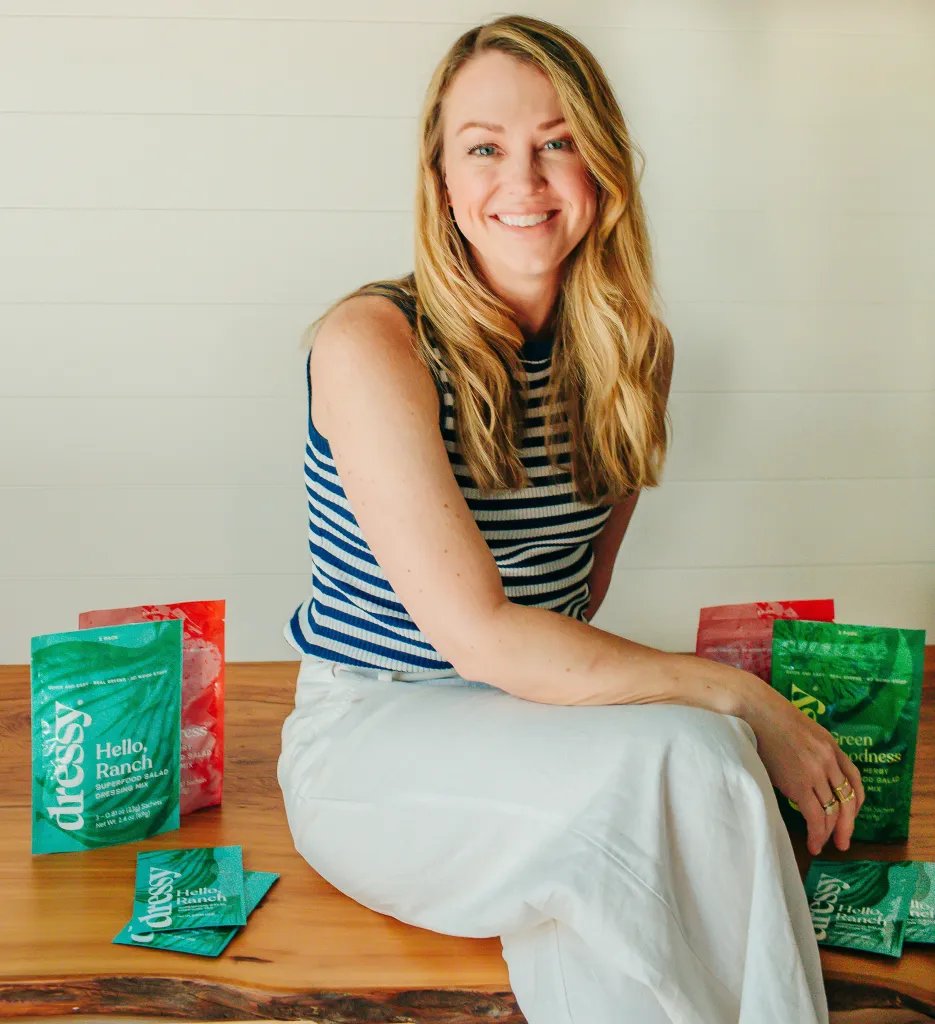
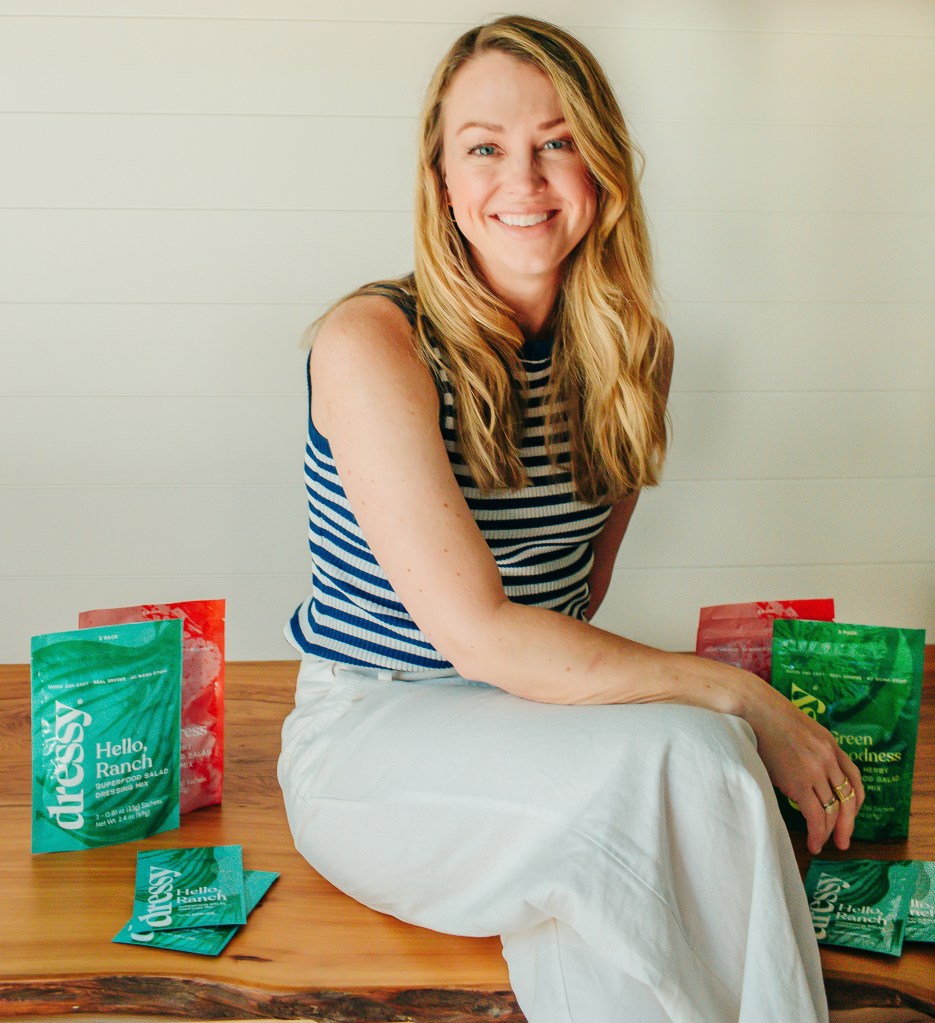
This Side Hustle Spotlight Q&A features Portland, Oregon-based entrepreneur Lauren McDuffie, 42. McDuffie and her cousin Rachel Albers, 49, co-founded Dressy, a line of superfood-forward salad dressing mixes that can be prepared quickly and easily at home, this past June. Following a $12,000 Kickstarter fundraising campaign, Dressy launched as a side hustle and made $2,500 within its first few weeks. Now the business is projected to see about $30,000 in revenue by the end of the year. Responses have been edited for length and clarity.
What was your day job or primary occupation when you started your side hustle?
Before launching Dressy, I spent more than a decade building a career as a food writer, recipe developer, cookbook author and photographer. Through my recipe website, My Kitchen Little, and my cookbooks, I worked to help people make home cooking feel more approachable and interesting.
Running a recipe website gave me firsthand experience at building an online brand, creating content and understanding how busy people actually use their kitchens. Dressy grew very naturally out of that work; it felt less like swapping careers and more like solving a problem that had been bugging me for years.
Rachel, who is an attorney by education, had ended a long career working as a political consultant and was preparing to send one of her sons off to college. She shared with me over coffee one morning that she was ready for something new, and I realized that working with her — combining our different skill sets, experience, interests and aptitudes — would make for a great partnership.
Starting a superfood-packed side hustle
When did you start your side hustle, and where did you find the inspiration for it?
We officially launched Dressy on June 1, 2026, but I first had the idea in the fall of 2024. Again and again, I noticed the same disconnect: People were willing to make homemade pasta sauces and fresh breads from scratch, but when it came to salad dressing, even enthusiastic home cooks almost always reached for a store-bought bottle.
I realized it wasn’t because people preferred bottled dressing. It was because homemade dressings, while mostly simple, still require keeping a long list of fresh ingredients on hand, unless you just use oil and vinegar all the time — which is great but somewhat boring after a while. So I started asking myself what homemade dressing might look like if it were designed (or re-designed, really) for modern life.
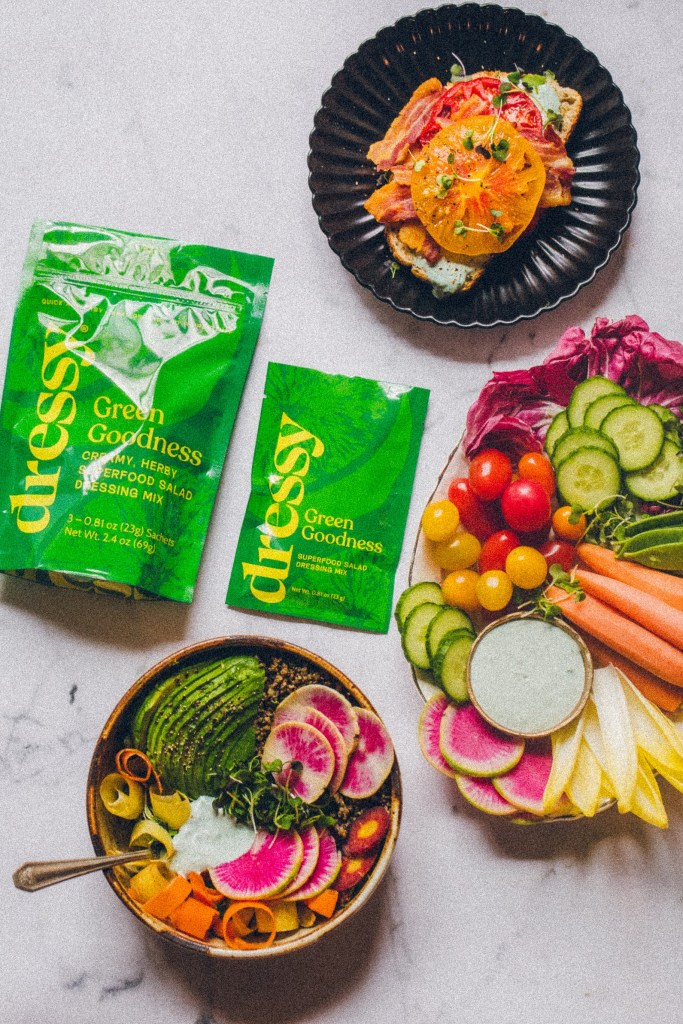
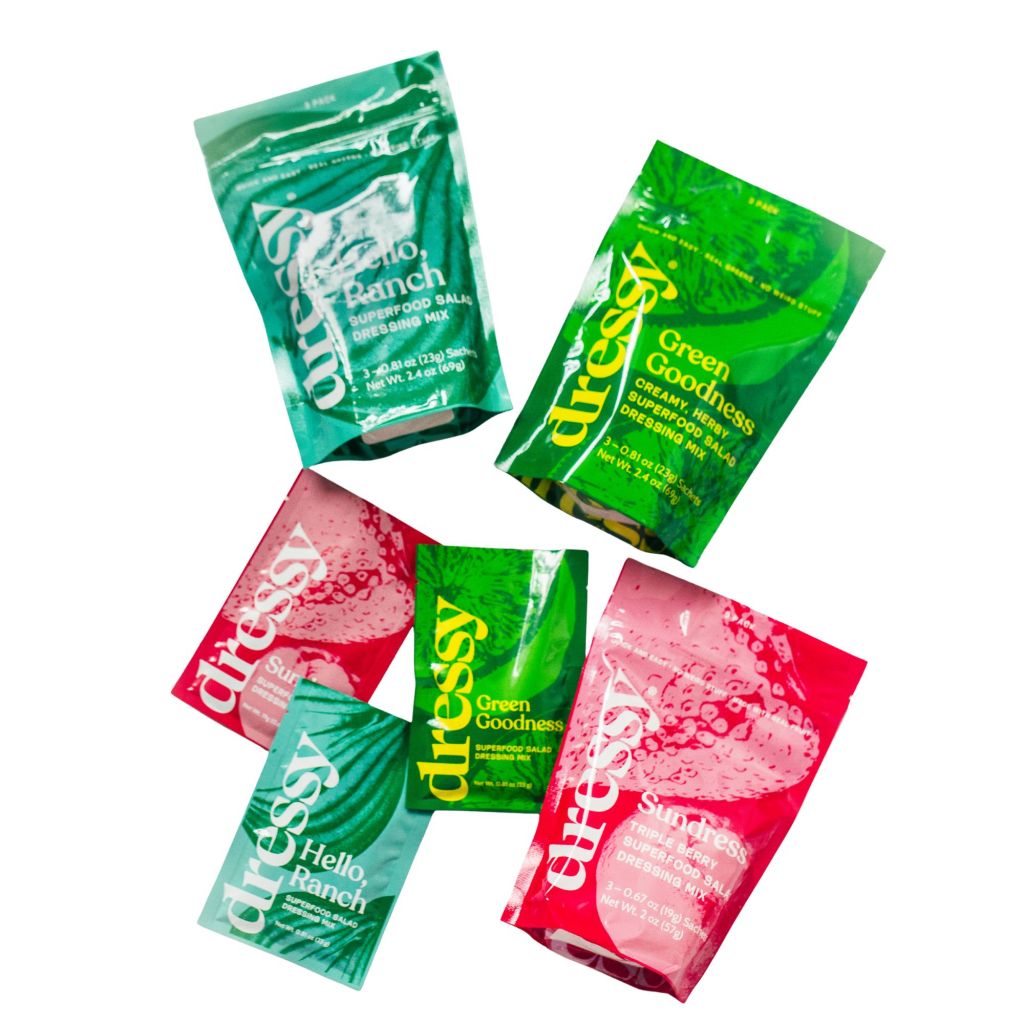
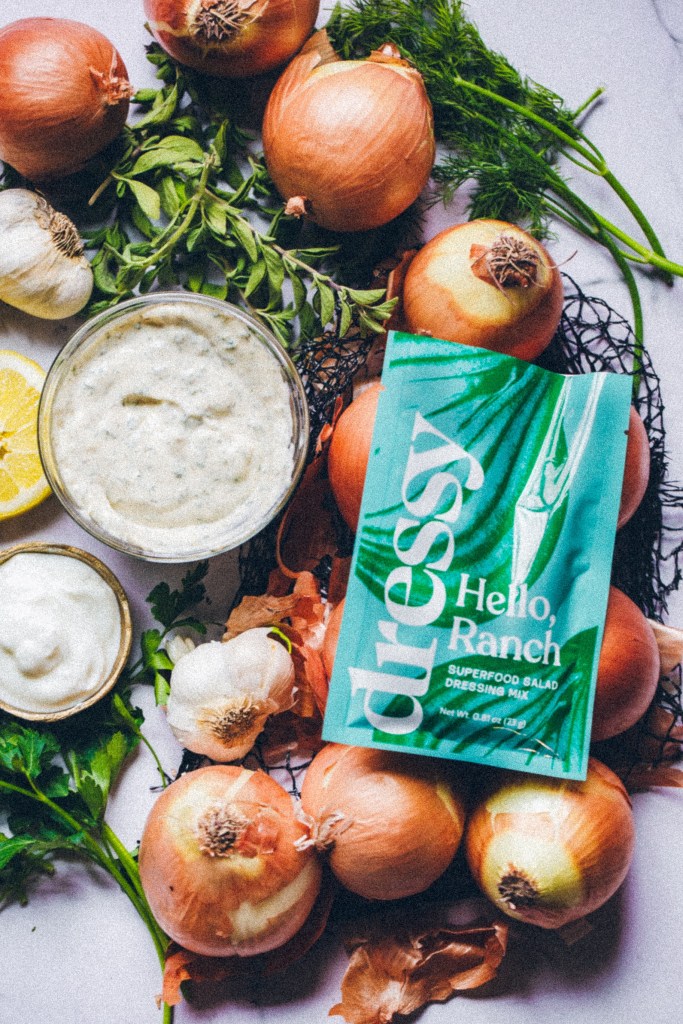
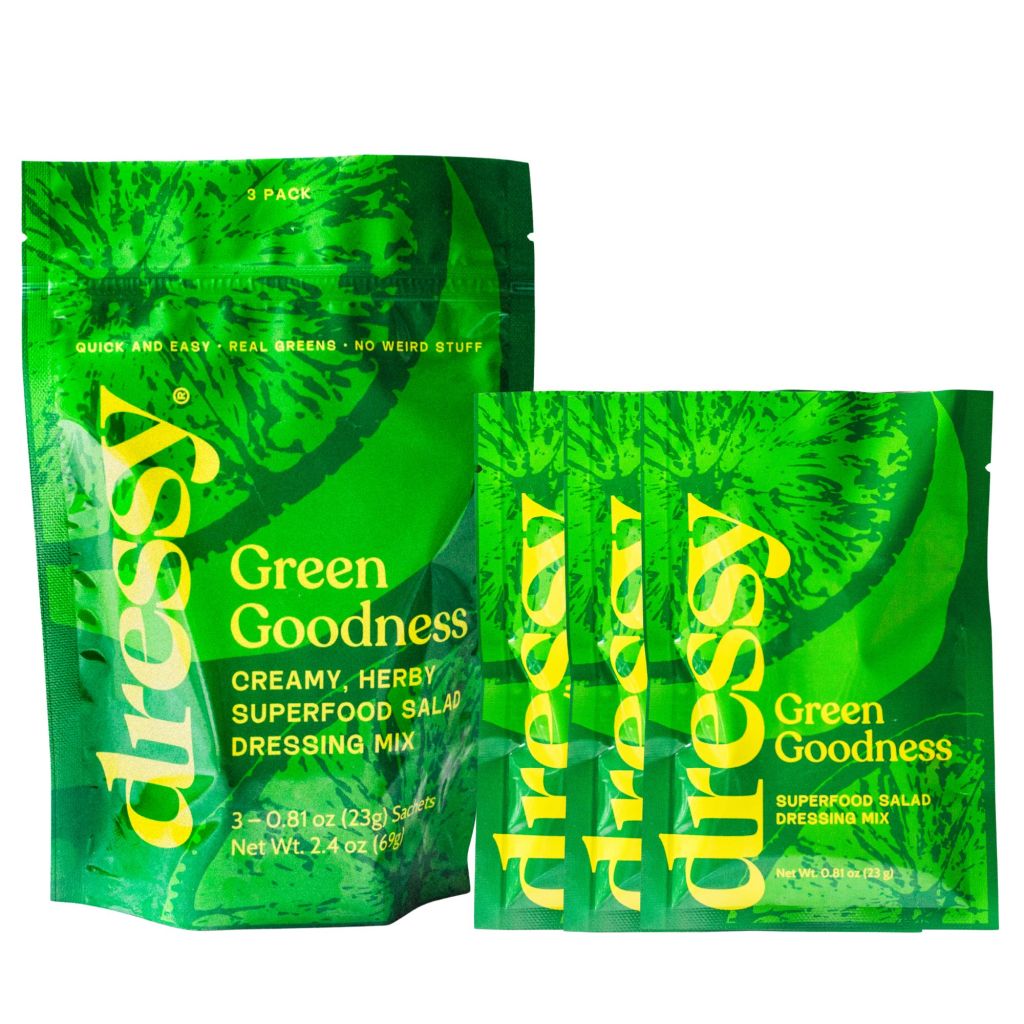
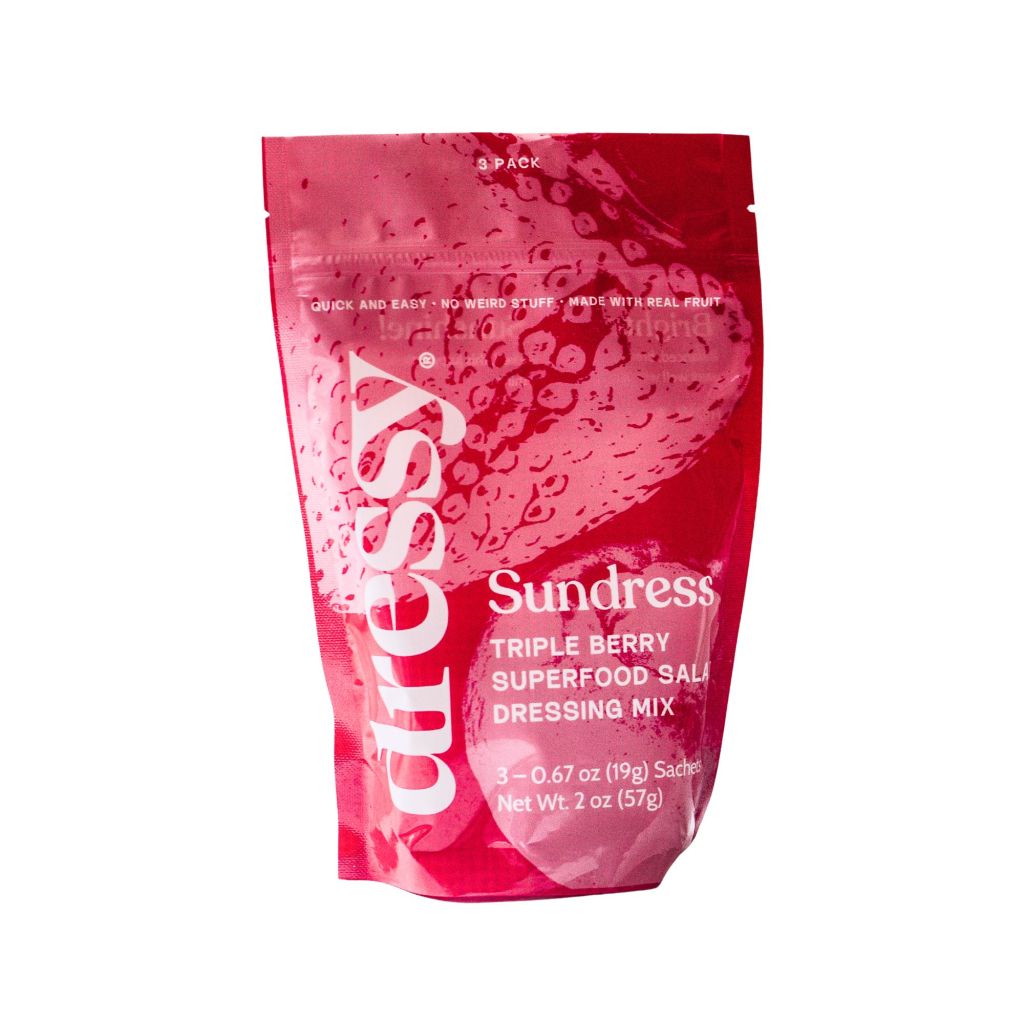
The answer eventually became Dressy: clean, flavor-forward, superfood-boosted dressing mixes that let people make fresh dressing in less than a minute with just one staple ingredient they likely already have. Each Dressy pouch contains everything you need to create a fresh, flavorful dressing at home. Our flavors – Hello, Ranch, Green Goodness, and Sundress – are made with thoughtfully chosen ingredients and designed to deliver the flavor of homemade.
Investing $30,000 to launch the side hustle
What were some of the first steps you took to get your side hustle off the ground? How much money/investment did it take to launch?
The first step was trademarking our name. Not to be all, “it came to me in a dream,” but it actually did. So, I scooped it up. The next step was validating that the problem was real. Before we worried about packaging or branding, we spent time asking if we were solving something people actually struggled with. I’d spent a long time watching others embrace homemade versions of almost everything — except salad dressing. That observation gave me enough confidence to believe there was a real opportunity to rethink the category.
From there, we focused on building the brand very thoughtfully, keeping operations as lean as possible and investing in things that we truly saw as mission critical. We invested in recipe development with food scientists that involved a lot of testing and iterating, as getting our flavors just right was a non-negotiable.
Every decision has to earn its place
It was also extremely important to me to invest in custom packaging and branding right out of the gate, and we did so by working with a fantastic Portland-based graphic design firm (Perspektiiv). We began sourcing high-quality ingredients and focused on obtaining them from local companies to keep shipping costs as low as possible. Because Dressy is a food product, there was also a significant amount of (less exciting) operational and structural work behind the scenes, from regulatory requirements, labeling and researching commercial production options to finding the right suppliers and manufacturing partners.
By the time Dressy launched, we’d invested approximately $30,000 into the business. The majority has been self-funded, with about $10,000 coming from a small friends-and-family fundraising round. When you’re spending your own money, every decision has to earn its place, so we fully gamed things out all along the way. I’d like to think this approach shaped the bones of the company in ways that will pay off down the line.
Scaling a CPG business with intenti0n
Are there any free or paid resources that have been especially helpful for you in starting and running this business?
One of the most valuable resources early on was simply talking to people who have done it before. We sought advice from experienced CPG founders and fractional consultants who were generous enough to share what they’d learned, and those conversations helped us avoid some costly mistakes.
We also chose to work with the Food Innovation Center at Oregon State University, which was an incredible resource throughout our product development process. Many land-grant universities and schools with strong agricultural or food science programs offer benchtop product development services, food safety expertise, and both technical and business support for entrepreneurs, often at a much lower cost than private consulting firms. For anyone thinking about starting a food business, I would absolutely encourage them to see what resources their state’s universities have available.
We also partnered with the consulting firm, FoodWit, whose guidance gave us confidence that our packaging and labels met FDA requirements before launch. Having knowledgeable experts in areas where we aren’t specialists allows us to move much more confidently.
More than anything, though, and at the risk of sounding platitudinal, I think curiosity has been our greatest resource. We’re deeply aware of how much we don’t know when it comes to running and scaling a CPG business. So, we ask a bunch of questions and try to talk to as many people as we can all of the time. We read a lot, scan the forums over on StartupCPG (also a great resource) and try not to assume we have to figure everything out on our own. Every conversation with someone a few steps ahead of us shortens our learning curve.
Don’t rush to a quick fix when things go wrong
Can you recall a specific instance when something went very wrong — how did you fix it?
One of our biggest early setbacks came before launch when the commercial kitchen we’d planned to use for first run production unexpectedly became unavailable. Overnight, we lost the manufacturing plan we’d spent months preparing around and had to find an entirely new path forward.
It was tempting to look for a quick fix, but we’d been very intentional about staying lean in the early stages of the business. Rather than rushing into a co-manufacturer before we felt we’d truly established product-market fit, we doubled down on our original philosophy of protecting our capital and proving the concept first. We found another commercial kitchen, adapted our process and kept production in-house.
Raising $12k on Kickstarter, making over $2k in weeks
How long did it take you to see consistent monthly revenue? How much did the side hustle earn?
We’re still in the early stages of building the business — it’s only month two — so for us success right now isn’t only, or even primarily, measured in revenue. We’re focused on repeat customers, word-of-mouth sales, retailer conversations and proving people genuinely come back once they’ve tried the product.
The month prior to launching, we successfully funded a Kickstarter campaign, raising $12,000 while also being selected as a coveted “Project We Love” by the editors. This was a fantastic early signal that people would respond positively to our brand and products.
We launched in June very softly, with lowkey announcements, but still made a quick $2,500 within the first few weeks, selling out of our limited-edition summer flavor, Sundress. We are preparing to roll out a local retail launch next month, will be selling at the Portland Night Market this fall and are kicking off a sustained, focused advertising push as well. As such, our projected 2026 revenue (first six months post launch) is somewhere around $30,000.
Steady and controlled growth and revenue
What does growth and revenue look like now?
The words that come to mind are steady and controlled. We’ve been very careful not to overstretch our skis when it comes to our operational and production capacities, so that’s what I mean when I say we launched quietly. But transparently, this decision was largely due to the fact that we’re both moms and have very busy schedules in the summer that involve a lot of travel. That’s just the truth of it, and we mutually agreed to avoid hitting the gas until the busy season had passed.
At this point, though, we’ve had two months to understand how consumers respond when they discover our dressing mixes organically — and the response has been incredible. I’m excited to see what the fall season brings now that we can take our feet off the brakes and let it rip.
No two days look alike while running a side hustle
What does a typical week working on this side hustle look like?
Right now, Dressy is still in its early stages, so no two days look alike. Some weeks I spend time in our commercial kitchen making product, while others I focus on recipe development, photography, social media marketing, customer service or meeting with partners. Since it’s just the two of us running the show right now, we wear a lot of hats.
That said, I’ve learned that being productive isn’t the same thing as being busy. At this stage, I’m constantly asking myself what will actually move the business forward the most. Sometimes that’s developing a new recipe and sometimes it’s simply having a conversation that influences how I think about the business. I’ve become much more intentional about protecting my energy and focusing on the work that creates the greatest momentum.
The opposite of a grind — and the value in better questions
What do you enjoy most about running this business?
I’ve wanted to create a brand and business like this for the majority of my life. So witnessing this thing bloom that’s mostly lived inside my head is honestly thrilling. I still kind of can’t believe it. That is easily the thing I enjoy the most. That and running it alongside Rachel. We’ve lived on opposite coasts for our entire lives, but my family moved to the Portland area three years ago, and running this business with her has been so much fun. It’s taken a process that is often described as a grind and made it the exact opposite of that.
What is your best piece of specific, actionable business advice?
The advice I have is a product of having started multiple food businesses, from my career publishing books to my work as a food blogger to now building a CPG company.
Don’t wait until you think you’re ready to ask better questions. Just start talking and don’t stop; make yourself a student of whatever it is you’re trying to achieve or become, and don’t turn that setting off. Find people who are five steps ahead of you, not 50, and ask them anything and everything you want to know. They’re usually the ones who remember exactly what you’re struggling with and what you’re feeling, and they’re often incredibly generous with what they’ve learned.
Key Takeaways
- McDuffie and Albers raised about $12,000 on Kickstarter before starting their side hustle, Dressy.
- Dressy launched in June and hit $2,500 in weeks; now it’s headed for $30,000 in six months.
- The co-founders look forward to leaning into potential growth even more this fall.
This Side Hustle Spotlight Q&A features Portland, Oregon-based entrepreneur Lauren McDuffie, 42. McDuffie and her cousin Rachel Albers, 49, co-founded Dressy, a line of superfood-forward salad dressing mixes that can be prepared quickly and easily at home, this past June. Following a $12,000 Kickstarter fundraising campaign, Dressy launched as a side hustle and made $2,500 within its first few weeks. Now the business is projected to see about $30,000 in revenue by the end of the year. Responses have been edited for length and clarity.
What was your day job or primary occupation when you started your side hustle?
Before launching Dressy, I spent more than a decade building a career as a food writer, recipe developer, cookbook author and photographer. Through my recipe website, My Kitchen Little, and my cookbooks, I worked to help people make home cooking feel more approachable and interesting.
Running a recipe website gave me firsthand experience at building an online brand, creating content and understanding how busy people actually use their kitchens. Dressy grew very naturally out of that work; it felt less like swapping careers and more like solving a problem that had been bugging me for years.
