

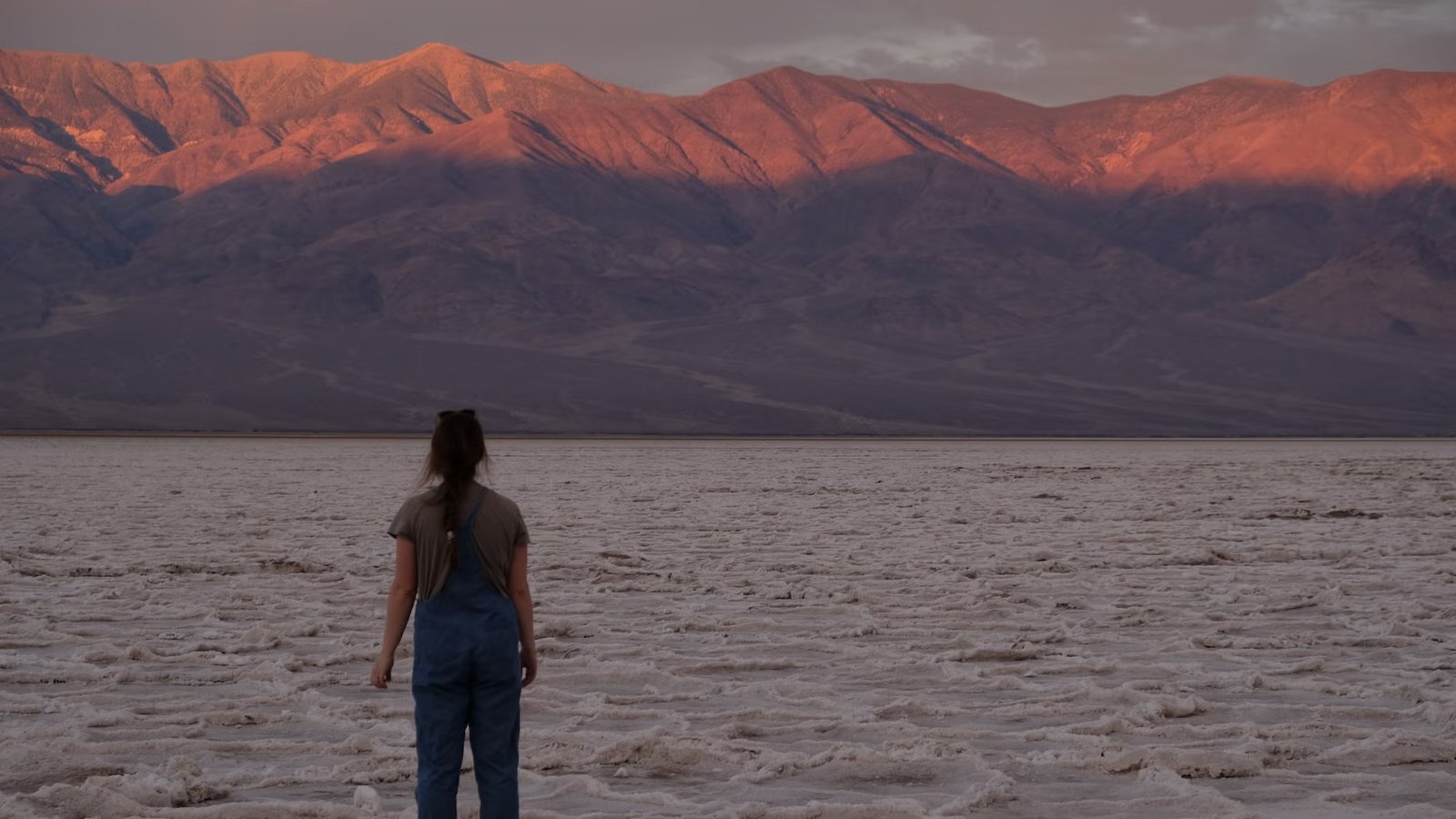
Getting deep into the backcountry is great, but there is profound value in sharing iconic views with the rest of the world.
The author at Badwater Basin in Death Valley (Photo: Mikaela Ruland)
Published August 22, 2026 03:07AM
I wasn’t always a national park person. I was a climber and a skier and the owner of big dogs who liked to hike with me on trails where we didn’t see another soul. All of these felt antithetical to being a national park person. I came from a line of mountaineers who modeled a version of outdoor recreation focused on getting deep into the wild, preferably with a little bit of suffering along the way. National parks just seemed too soft for me.
But then, I did what many of us do in our early 20s and imploded my life for no apparent reason. I moved into my car. This was the beginning of the #vanlife era, and my now husband, dog, and I took off in our Subaru hatchback, determined to vagabond our way through the Canadian Rockies. Our poorly hatched plan did not work out, and instead we spent the summer cruising around the West. Our route took us through half a dozen national parks and I began to understand what, in 2016, drew 331 million visitors to the National Park System.
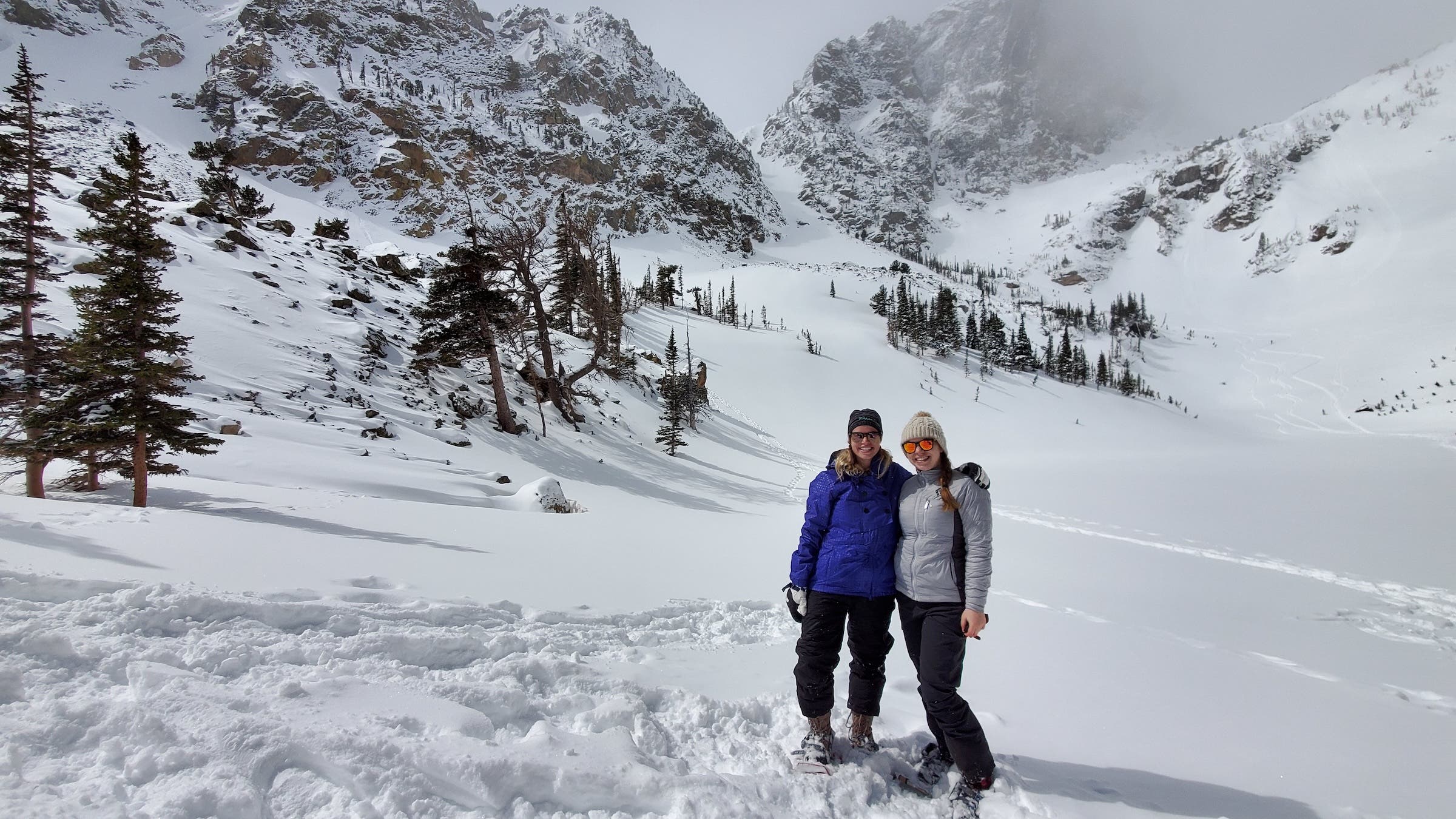
I saw a form of the wilderness I had grown up revering that was accessible to everyone: Teenagers in slides and families loaded down with bear spray at the Old Faithful viewing platform. International tourists who didn’t speak English and mountaineers gearing up to summit Rainier and everybody in between.
Since we had our dog in tow, we didn’t venture very far past the roads. We watched Old Faithful erupt in Yellowstone, we drove Going-to-the-Sun Road in Glacier, and we gazed up at Mount Rainier and its wildflower meadows from Paradise Lodge. We stopped at viewpoints in Crater Lake and Redwood, and the only time we really got past the parking lot was a section of the dog-friendly Pacific Crest Trail in North Cascades and in a canoe on Olympic’s Lake Crescent while nearby grandparents dogsat. It was everything I thought I hated about national parks: developed, busy, surface level. But as I explored ecosystems I’d never experienced, I realized what made these places so special.
National parks made seeing our most beautiful wild places so easy. I could wear jeans and flip-flops and soak in unimaginable views. I could park a short walk from the greatest hits and there was always a smiling ranger with a map if I was confused or overwhelmed. Seeing nature like this didn’t take away from my experience. In fact, it sparked a desire to explore more deeply in me. I wanted to come back to Olympic and camp on its beaches. I wanted to hike to Glacier’s namesake icebergs and take a boat deep into the backcountry of the Cascades to the hidden village of Stehekin, and I wanted to see all the other parks I hadn’t yet gotten to cross off the list.
Two years later, I got a job at National Park Trips (Outside’s sister publication), and I’ve spent the better part of a decade fully nerding out on our country’s crown jewels. I’ve gotten to casually and deeply explore 25 national parks and am always scheming how I can make the next trip happen.
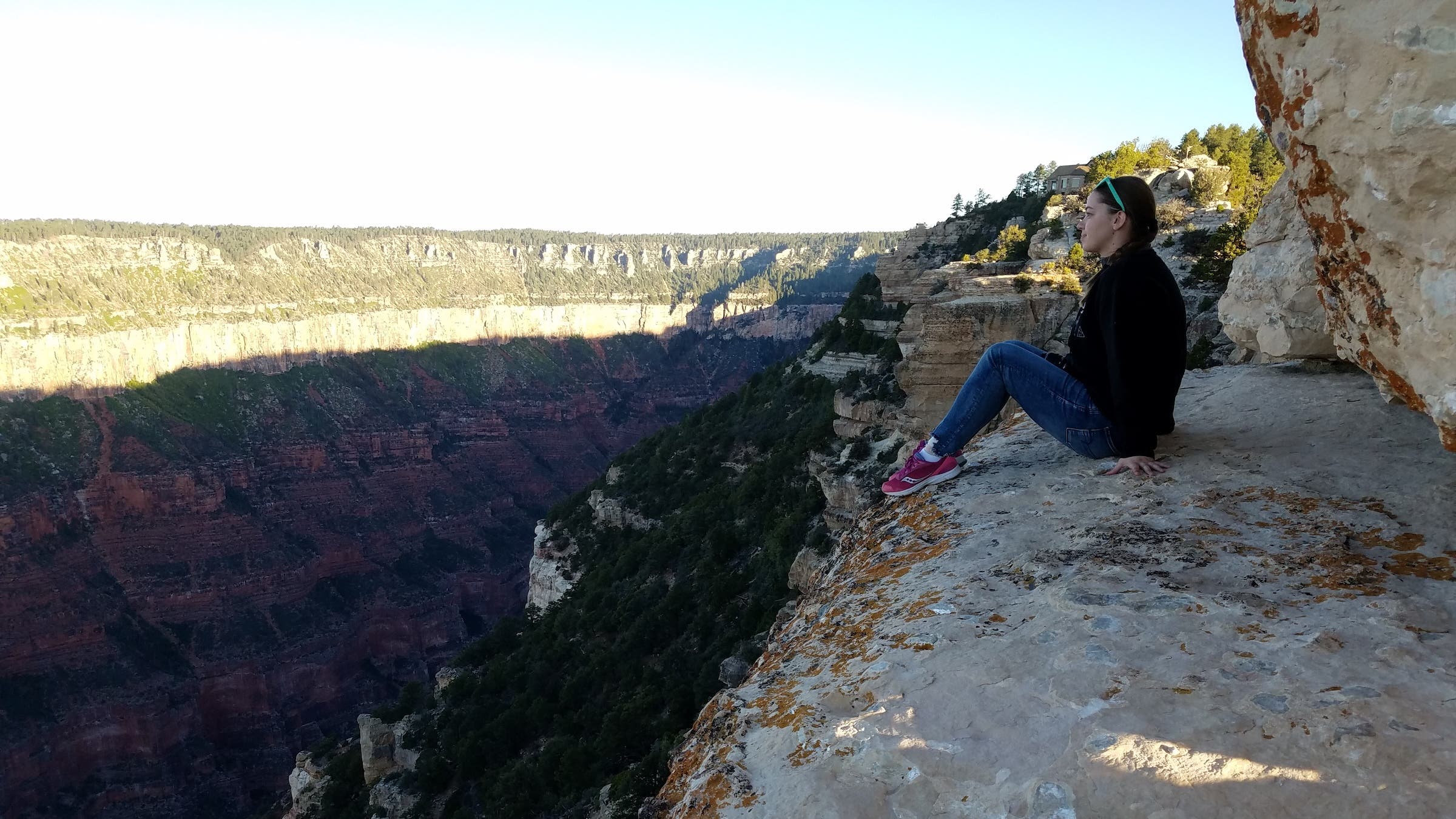
But I’ve also come to better understand that feeling I had on that first road trip. National parks are a gateway drug. I’ve stood underneath the Milky Way in Zion with an 80-year-old photographer, whom I’d helped slowly navigate there across the sandstone, and watched as he took in the stars with wonder and expressed his desire to get out and explore nature more often. I’ve helped folks who can’t read signage navigate bear-proof trash cans, led women who were nervous to winter hike alone on trails to frozen alpine lakes, and received excited notes from readers who have followed the advice from my stories and had a life-changing national park trip. I’ve come to realize that our national parks lower the barrier to entry for experiencing the outdoors. On a recent hike in Rocky Mountain National Park, the faces around me were the most diverse of any outdoor adventure I’ve had this year. And it was beautiful.
Experiencing nature is rarely an isolated incident. It’s hard to see the beauty of a place like Grand Teton, experience the satisfaction that comes from tackling your first real hike, feel the thrill of spotting a moose in the wild, and not want more. When we regularly start getting outside, we understand how incredible our natural world is and, often, our understanding of these places deepens alongside our desire to protect them.
So while yes, my weekend plans probably include hiking an unmarked trail to an obscure peak or swimming in an alpine lake with my dog, far from smiling rangers and maintained boardwalks, I’d still consider myself a national park person. We all should, especially this National Parks Week. Because I truly believe that celebrating, visiting, and protecting our national parks means we’re supporting all of our public lands, outdoor hobbies, and the next generation of outdoor people.
