

The California workplace safety agency alleges Blackbird Mountain Guides failed to properly train employees and evaluate avalanche hazards before a February slide killed nine people in the backcountry.
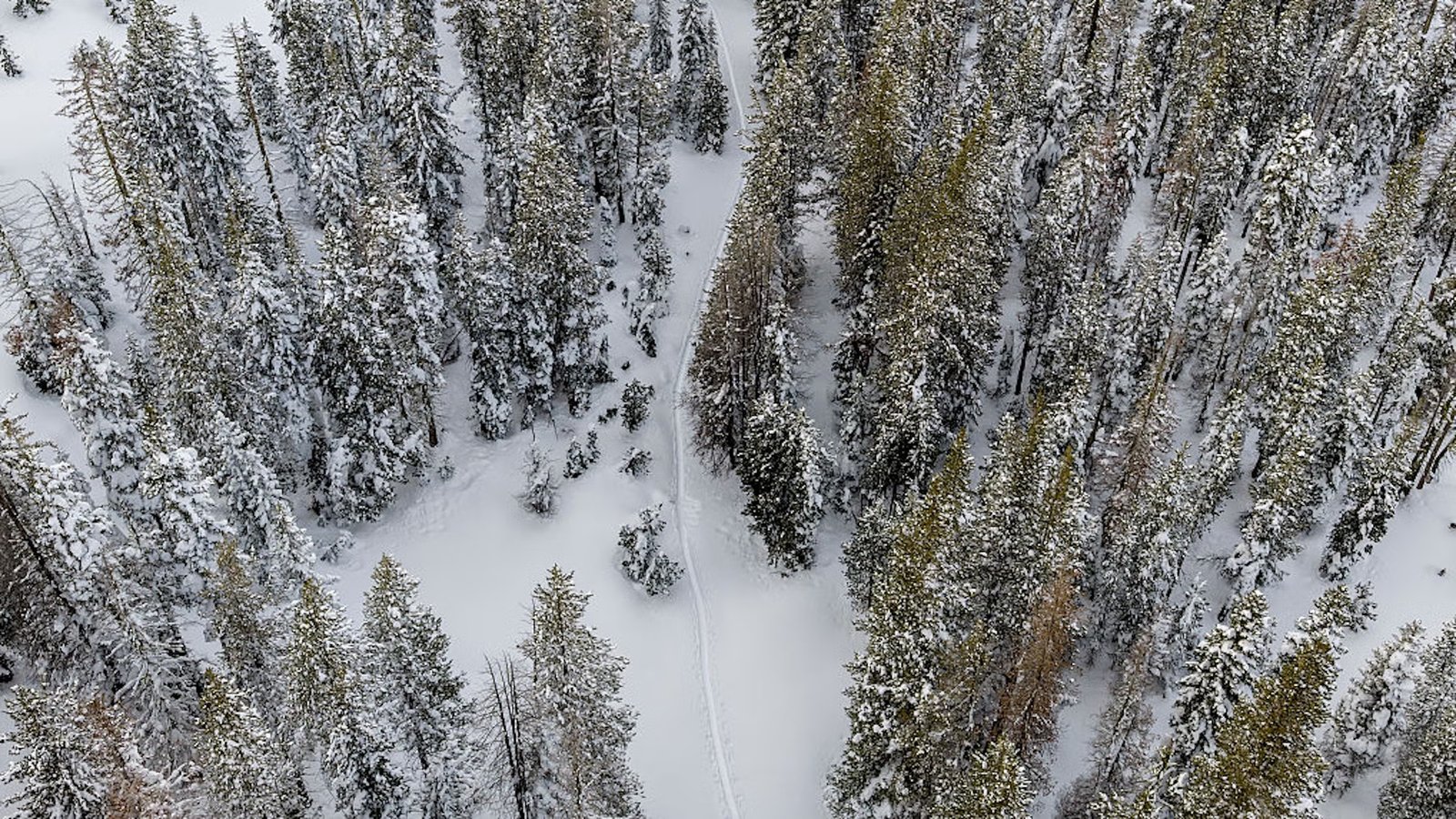
A aerial view of a snow-covered road by the Castle Peak Trailhead near Soda Springs, Calif on February 20, 2026 (Photo: Stephen Lam/San Francisco Chronicle via Getty Images)
Published August 24, 2026 05:16PM
On February 17, a devastating backcountry avalanche killed three guides and six clients near Truckee, California. On August 12, the State of California slapped the guiding company that oversaw the trip with $151,000 in fines.
The California Division of Occupational Safety and Health (Cal/OSHA) said that Blackbird Mountain Guides (BMG) violated seven workplace rules, including failure to identify an avalanche and properly train staff.
Cal/OSHA sent Outside a copy of its investigation. The list of citations in the document includes:
- Correct the imminent hazard posed by traveling in avalanche terrain when the avalanche danger was rated high ($81,000)
- Adequately identify and assess avalanche hazards ($16,200)
- Provide effective employee training ($16,200)
- Assess the need for protective equipment ($16,200)
- Establish and maintain an effective injury and illness prevention program ($16,200)
- Report the three employee fatalities to Cal/OSHA within the required timeframe ($5,000), and
- Deficiencies in the employer’s Heat Illness Prevention Plan ($500)
In a statement published on its website, BMG said it would appeal the citations, arguing that the company complied with required safety standards.
“The citations do not reflect the reality of our profession or the safety program we have built,” BMG wrote in a statement. “We believe Blackbird operated in full compliance with all applicable regulatory requirements and consistent with the established safety frameworks of the broader professional mountain guiding industry.
A legal expert not involved in the case told Outside these citations are among the most serious investigators can issue.
”A willful citation is Cal/OSHA’s most serious classification,” John Roach, a San Francisco-based attorney specializing in personal injury who has been following the case, told Outside.
A Serious Distinction
The largest single penalty, $81,000, is based on a combination of two violations that Cal/OSHA describes as “willful-serious.” Cal/OSHA uses this distinction for cases in which an employer knew about a hazard that could reasonably kill or seriously injure someone, and didn’t reasonably address it.
According to Cal/OSHA’s report, BMG guides entered avalanche terrain when danger was considerable. On the morning of the avalanche, Sierra Avalanche Center issued an avalanche warning and rated the avalanche danger as high, the second-highest rating available. The report also determined that BMG guides entered a high-risk avalanche area to provide aid, despite local law enforcement’s recommendation against it.
This is not the first time Cal/OSHA has levied fines after an avalanche. On August 10, 2026, the agency fined Mammoth Mountain ski resort $126,000 for a fatal 2025 avalanche that killed ski patroller Cole Murphy. Mammoth Mountain is currently appealing that report.
A Different Report Clears BMG
In its statement, BMG said it is appealing all seven charges, arguing that mountain guiding happens in “dynamic wilderness environments where conditions change minute to minute.”
On August 9, Blackbird released its own avalanche report, commissioned from an independent avalanche professional, which claims that the group’s movements were “consistent with an effort to reach terrain even farther from the avalanche runout zone.”
“Blackbird continues to cooperate with all investigations and remains committed to working collaboratively with every agency reviewing this tragedy to further the understanding of what occurred,” the company said.
Roach said the citations do not represent legal judgment against BMG.
“Cal/OSHA has already done its own investigation to reach a willful finding, and that’s a real evidentiary step,” he said. “But it’s also not a final legal judgment; the company is appealing, and appeals do sometimes succeed in reducing a citation’s severity or amount.”
The appeal process now moves to the California Occupational Safety and Health Appeals Board, an independent panel that hears Cal/OSHA citation challenges. There’s no fixed timeline for a final decision, and the board says the process can take several months.
