

Opinions expressed by Entrepreneur contributors are their own.
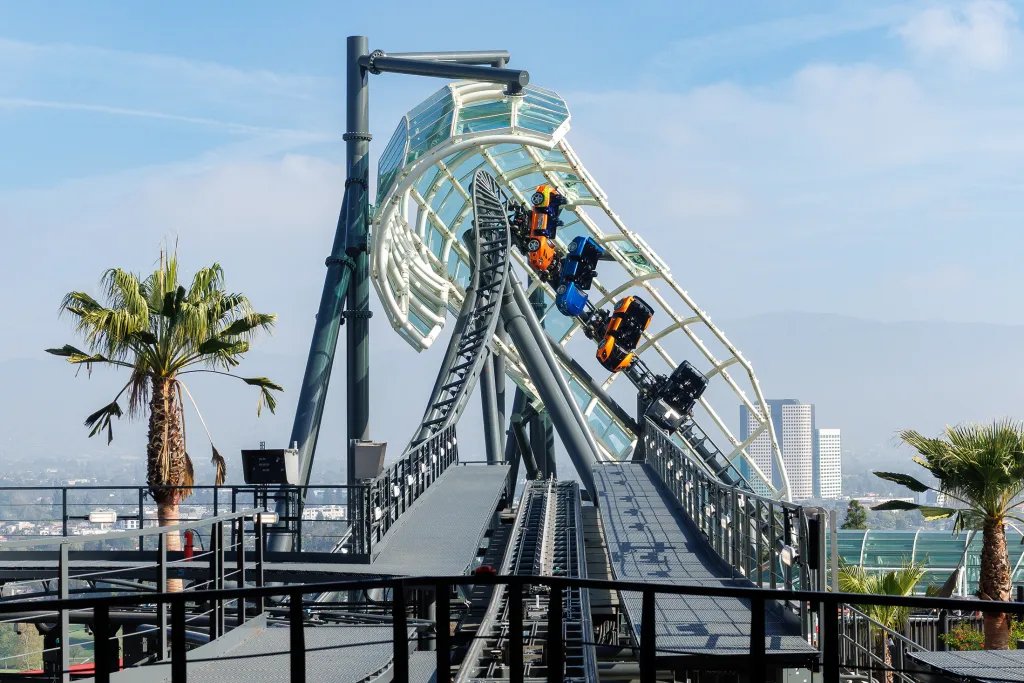
Universal Studios Hollywood thought it had the noise problem all figured out. The park borders on a posh residential neighborhood, so it spent three years trying to build a 72-mile-per-hour, looping roller coaster that barely makes a sound. It filled the 4,100-foot track with pea gravel to mute vibrations, built two glass “scream screens” designed to trap noise at the source, and put up a 940-foot sound wall made from airport-grade insulation material, according to the New York Times.
When testing began without riders last month, nearby residents in Toluca Lake called it “whisper quiet.” Then people actually got on the ride. “Screams, bloodcurdling screams,” said Craig Strong, a 25-year resident, describing what now happens every 30 seconds for 10 hours straight. One neighbor said she could hear the screaming even with her hearing aids out. Another, who teaches meditation from home, worried it would ruin her business.
Universal really did try to plan for this. The coaster’s spinning cars were programmed to turn riders’ mouths away from nearby homes at “key scream moments.” Engineers even played recorded coaster sounds down the hillside beforehand to model how noise would travel. None of it fully worked against real human lungs.
The stakes go beyond noise complaints. Comcast, which owns the park, is counting on the ride, likely costing $200 million or more, to reverse a 10% drop in attendance and compete with an expanding Disneyland nearby. Universal says it’s adding more sound walls and adjusting operating hours, but as one resident put it, “I have a feeling this isn’t going to be over anytime soon.”
Universal Studios Hollywood thought it had the noise problem all figured out. The park borders on a posh residential neighborhood, so it spent three years trying to build a 72-mile-per-hour, looping roller coaster that barely makes a sound. It filled the 4,100-foot track with pea gravel to mute vibrations, built two glass “scream screens” designed to trap noise at the source, and put up a 940-foot sound wall made from airport-grade insulation material, according to the New York Times.
When testing began without riders last month, nearby residents in Toluca Lake called it “whisper quiet.” Then people actually got on the ride. “Screams, bloodcurdling screams,” said Craig Strong, a 25-year resident, describing what now happens every 30 seconds for 10 hours straight. One neighbor said she could hear the screaming even with her hearing aids out. Another, who teaches meditation from home, worried it would ruin her business.
Universal really did try to plan for this. The coaster’s spinning cars were programmed to turn riders’ mouths away from nearby homes at “key scream moments.” Engineers even played recorded coaster sounds down the hillside beforehand to model how noise would travel. None of it fully worked against real human lungs.
