

The outdoor retail giant Patagonia has rejoined tribal nations and conservation groups to fight the administration’s attempt to strip protections from nearly three million acres of public land.
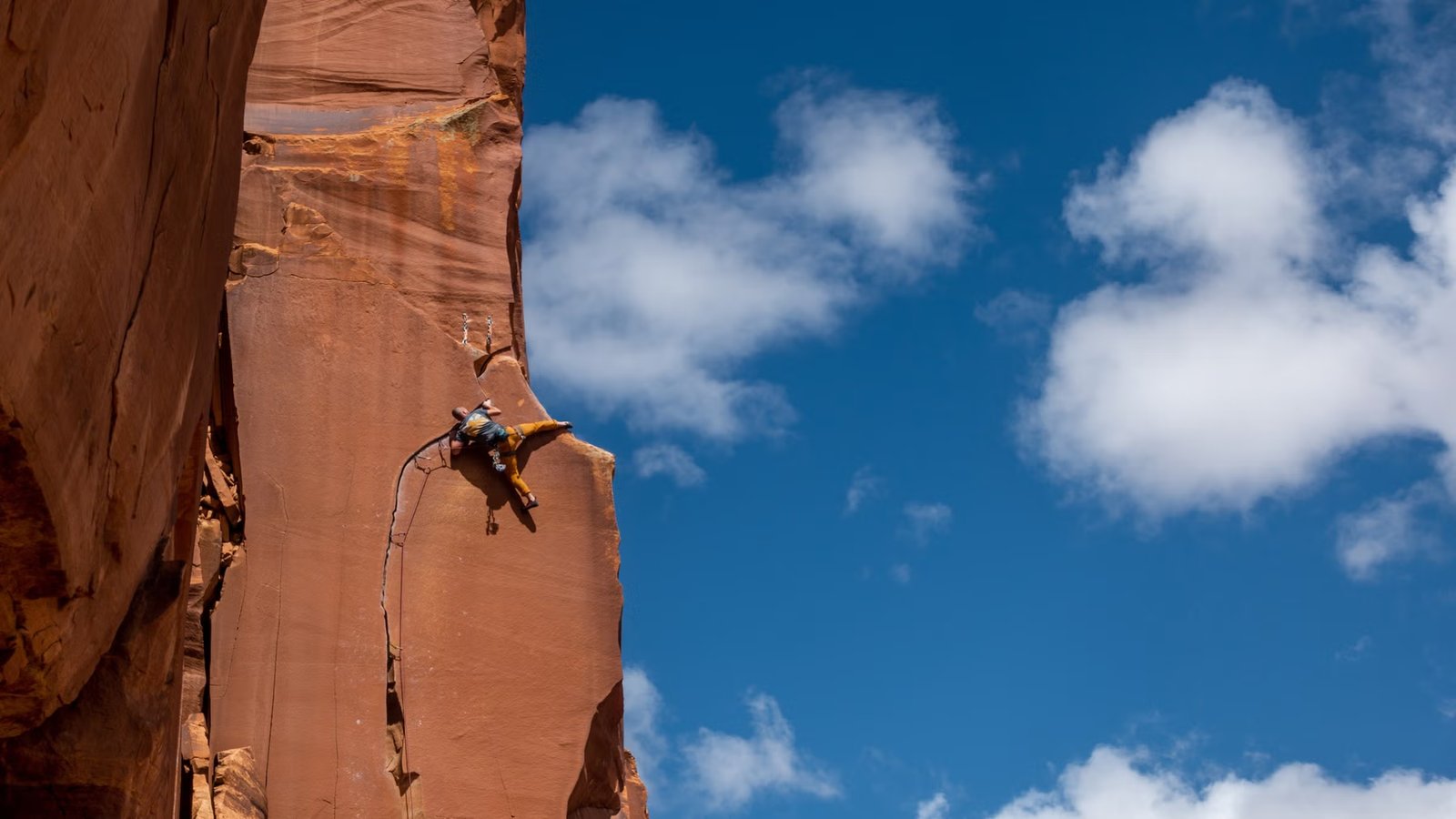
Indian Creek is a world-renowned rock climbing and recreation area located in the northernmost section of the Bears Ears National Monument (Photo: Matteo Agnoloni/Getty Images)
Published September 3, 2026 03:35PM
Outdoor apparel brand Patagonia and seven environmental and Indigenous Rights groups have filed lawsuits against President Trump over the slashing of Bears Ears National Monument
The lawsuit was filed on September 2 in the U.S. District Court for the District of Columbia, the same federal court that handled a 2017 lawsuit over cuts made to Bears Ears. The groups argue that the president acted illegally when he reduced Bears Ears from 1.31 million acres to about 121,000 acres on July 13, 2026.
Other plaintiffs include the Conservation Lands Foundation, Utah Diné Bikéyah, Archaeology Southwest, The Access Fund, A’Nuche, National Trust for Historic Preservation, Patagonia Works, and the Society of Vertebrate Paleontology.
“Today we, alongside conservation partners, moved to lift that stay and supplement the complaint to include President Trump’s most recent proclamation reducing Bears Ears by 91 percent,” Rob Tadlock, Patagonia’s deputy general counsel, told Outside.
Patagonia’s lawsuit is one in a string of many.
Earthjustice and the National Resources Defense Council (NRDC) also filed separate motions in federal court over Trump’s roughly 91 percent reduction of the monument.
Echoes of the 2017 Lawsuit Over Bears Ears
In 2017, Patagonia was one of several groups to sue the Trump Administration after the president reduced the national monument’s size. Rather than launch new standalone cases, these new suits seek to revive 2017 filings that challenged Trump’s 2017 proclamation, which also shrank Bears Ears. Courts administratively closed these suits in 2021 when President Biden reinstated the monument boundaries.
The Antiquities Act allows a president to establish a monument, but not shrink one, the lawsuit alleges.
On July 13, Trump signed an executive order reducing the size of Bears Ears and nearby Grand Staircase-Escalante National Monuments in Utah by nearly 3 million acres combined, leaving them at a fraction of their originally designated size. Trump’s cuts will strip protections from the monument boundaries on September 11. Conservation groups say the reduction puts fragile ecosystems at risk and threatens lands that are sacred to the local Indigenous tribes.
In his July order, Trump said that the monument’s designation “suffers several flaws under the Antiquities Act,” specifically that new national monuments should occupy the “smallest area compatible with the proper care and management of the objects to be protected.”
The president’s proclamation also claims that the monuments’ designation was unnecessary to protect many of the historical and scientific resources. During a signing event, Trump said that at Bears Ears, “You can’t do anything. You can’t go hunting. You can’t go fishing. You can’t do anything. You can virtually not even walk on it.”
By mid-August, at least nine mining claims have been staked within the previous monument boundaries, The New York Times reported.
“To say, as the president did, that visitors ‘can virtually not even walk on’ the monuments is more than just hyperbole,” Patagonia CEO Ryan Gellert wrote in a September 2 statement. “It is simply not true. Visitors can hike, backpack, mountain bike, rock climb (mostly in Bears Ears), canyoneer, hunt, raft, fish—the list goes on.”
Thomas Delahanty, an Earthjustice lawyer involved in the 2026 case, told Outside that it may take months to resolve the lawsuit, and his office is most concerned about what happens when protections end on September 11.
“The fact that mining companies couldn’t even wait for the 60-day delay to pass speaks volumes about the risk of harm to the monuments’ irreplaceable cultural sites, unique wildlife, and scenic landscapes,” he said.
