

Published September 18, 2026 08:58AM
From this summer’s intense wildfires to back-to-back earthquakes to a brewing Super El Niño, one thing is clear: The growing threat of natural disasters is hard to ignore. Supercharged by climate change, events like wildfires, earthquakes, hurricanes, and floods now occur more regularly, often in places that aren’t prepared for them. This reality means billions of people worldwide need stronger preparedness and resilience measures.
This new era of heightened risk requires a new era of heightened response, from innovative tools to strong relationships to advanced preparation. Enter Amazon. “When I spoke with first responders, I kept hearing the same failures repeat over and over—disasters affecting their ability to communicate, provide relief quickly, or even access resources as basic as clean water,” said Jeffrey Schweitzer, Amazon’s disaster relief innovation lead.
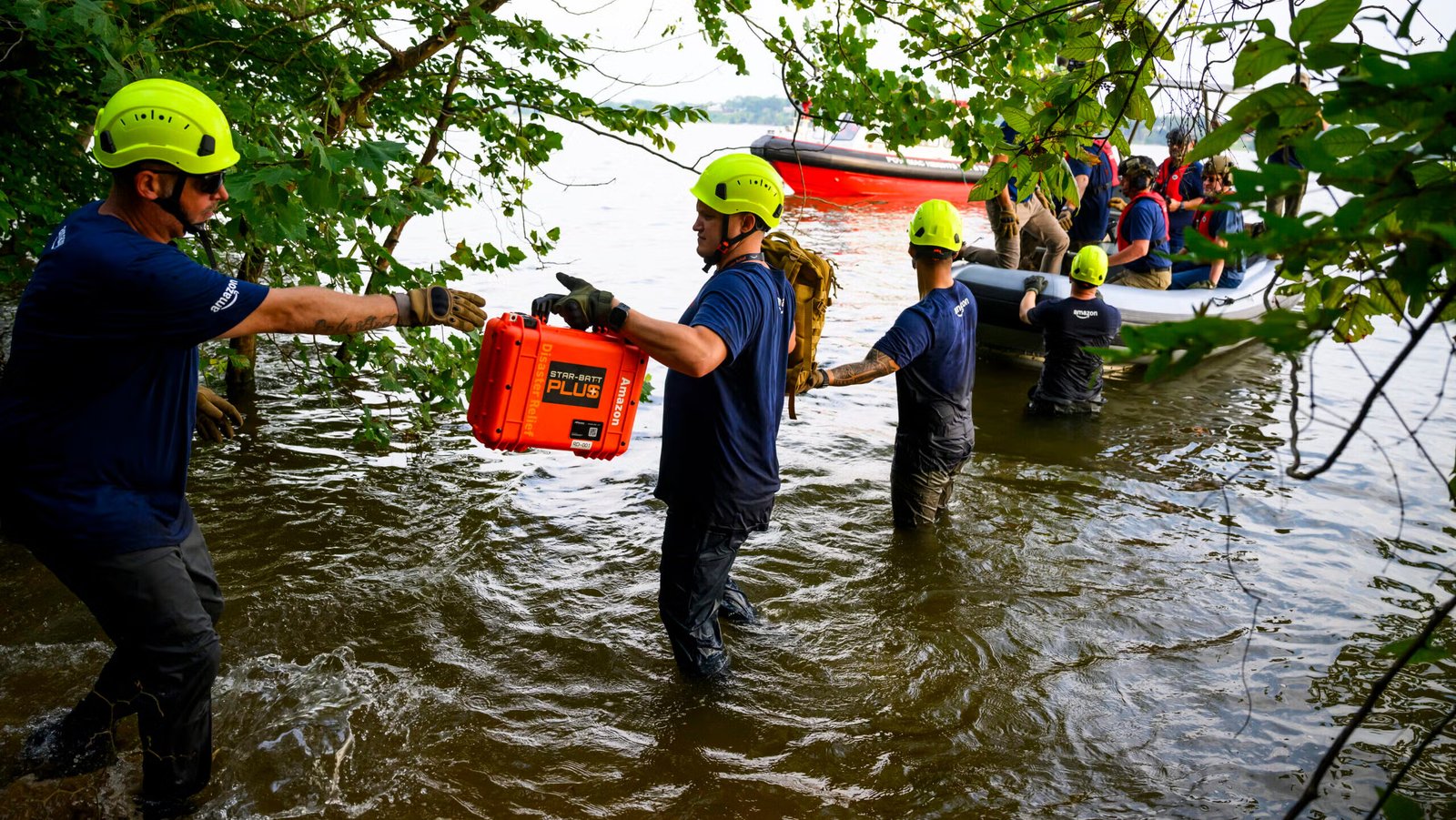
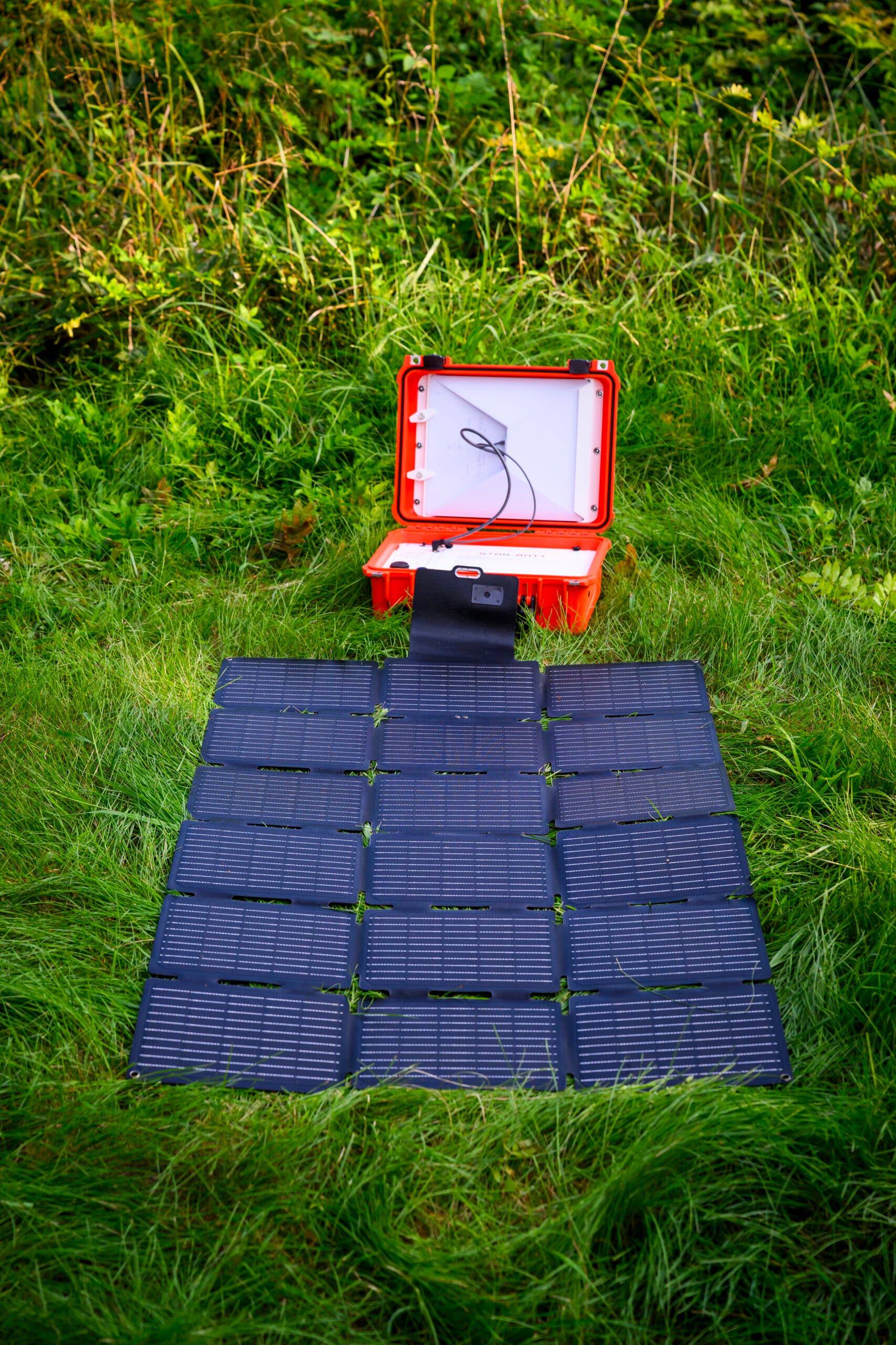
Along with nonprofit partners, Schweitzer and his team developed new, customizable rapid response technology systems to restore critical services, all in suitcase-sized packages that one person can carry and set up in just a few minutes.
“During disasters, responders need to understand the landscape, the impact, where survivors are, and who needs help,” said Rodney Cooper, who serves as national director for technology and programs with the Information Technology Disaster Resource Center (ITDRC). “During Hurricane Helene, everything was dark. Survivors could not reach out to each other.”
That’s exactly the kind of situation this new tech is made for: restoring services within hours, so communities don’t have to wait weeks to call loved ones or turn the lights back on.
Amazon’s rapid response tech includes 10-plus configurations that relief personnel can set up: solar microgrids, satellite Wi-Fi, water purification devices, even terrain-mapping drones. The drone systems alone can cost up to $250,000, but Amazon provides them to partners at no cost. And the tech is reusable: After a disaster response ends, nonprofits ship the systems back to Amazon for inspection, refurbishment, and restocking. Meaning one system can serve multiple communities, across multiple disasters.
The systems can power hospitals, emergency shelters, fire departments, and community centers. A single system can keep a 50-bed hospital running for 72 hours or serve more than 2,600 hot meals—and they’ve already been crucial for restoring communities after recent disasters.
Following the recent twin earthquakes in Venezuela, where telecommunications were completely severed near the epicenter in La Guaira, Amazon worked with nonprofit partners on the ground to deliver portable Wi-Fi systems to connect clinics, shelters, and community hubs. One system was placed on a car roof to create a movie night for kids. And in Jamaica, after Hurricane Melissa, portable solar batteries and satellite Wi-Fi units restored power and communications within minutes so doctors could coordinate patient care. Solar systems even allowed World Central Kitchen to power its food trucks and serve hot meals after dark.
“For Amazon, preparedness means prepositioning. It’s having the people trained. It’s having everything from pallets of diapers to satellite communications ready to go,” said Abe Diaz, senior manager for disaster relief at Amazon. “That means the time it takes for the community to get back on their feet is shorter, and ultimately that means recovery time is shorter.”
Amazon will make 2,000 of these systems available to nonprofit partners in 2027, with 800 ready to ship from the company’s disaster relief hub in Tennessee this hurricane season.
Preparation also requires coordination and practice. At a recent training exercise in a small Maryland town, Amazon brought together two dozen organizations—including local fire and rescue, nonprofit partners, and government agencies—to practice how people, technology, and partnerships can work together to strengthen disaster response.
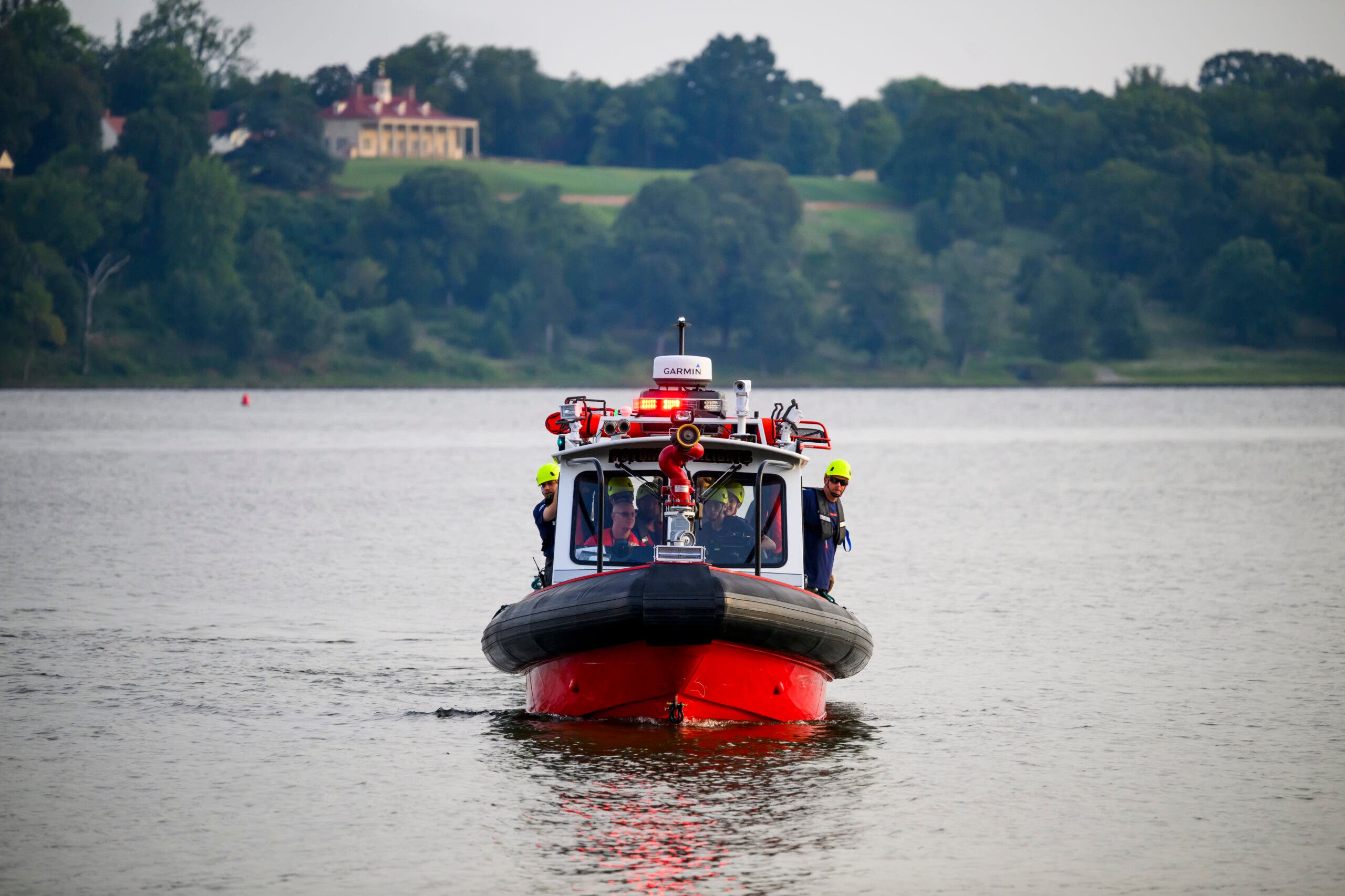
Participants launched into a series of hands-on missions, including a river crossing into an isolated flood-affected community, a simulated search-and-rescue mission, and helicopter-assisted aid delivery. Each mission was designed to put Amazon’s rapid response technology to the test in real-world conditions and allow local communities, companies, and government agencies to get hands-on experience with both the tech and each other.
“You don’t want everyone exchanging business cards and meeting each other in the middle of a disaster itself,” said Civil Affairs Major Alex Haseley, an emergency management specialist with the U.S. Army. “Events like this, we’re getting to meet each other, we’re building some trust, we’re figuring out how to contact each other on relatively short notice. Emergency management is such a magical mission: When people feel what it’s like to truly help a survivor, it’s like a drug and you want to keep doing it.”
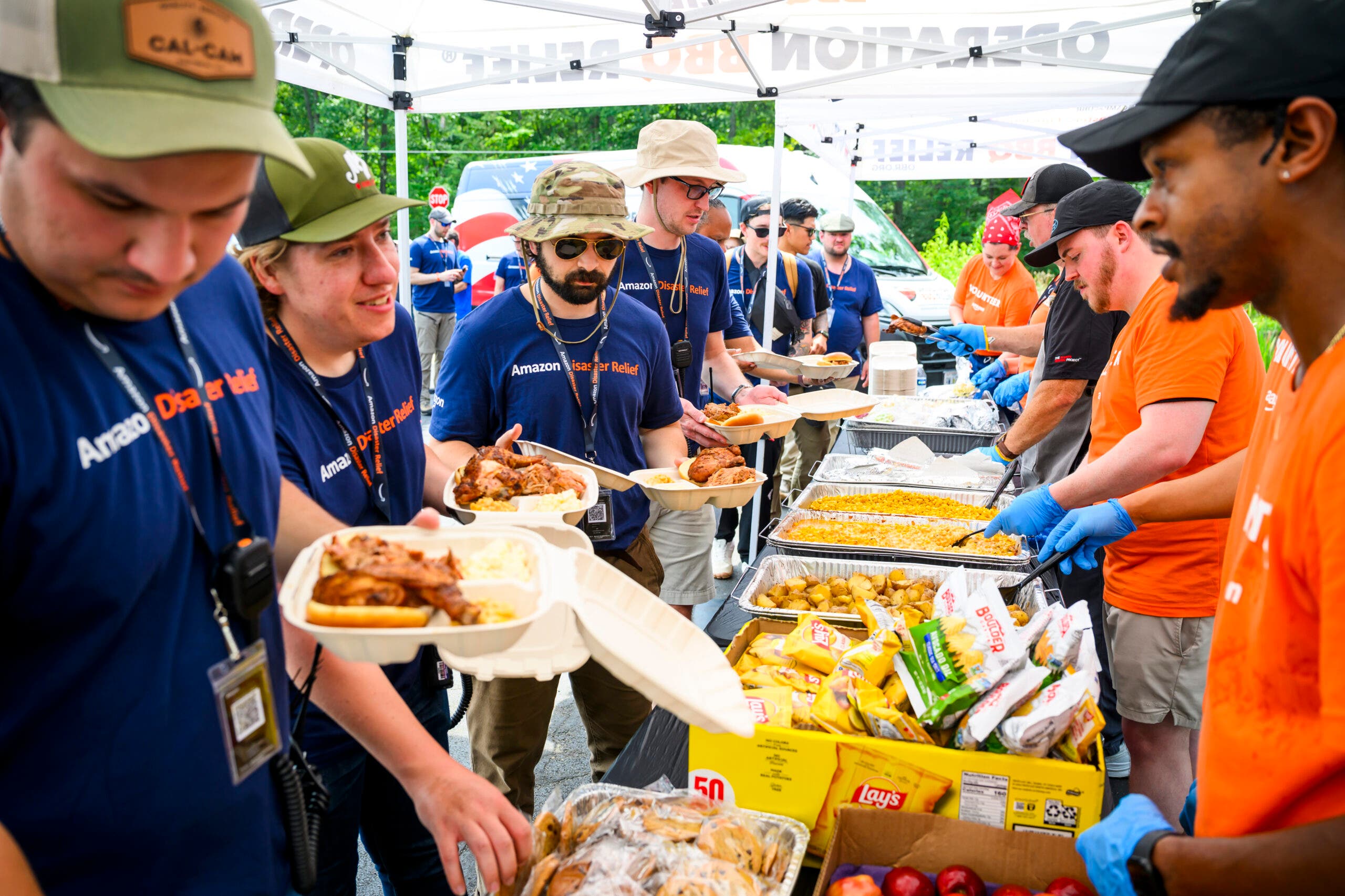
During a disaster, hot meals do more than sustain people—they restore dignity and normalcy when communities need it most. For the training exercise, nonprofit organization Operation BBQ Relief used Amazon’s technology systems to power hot-meal preparation for dozens of people, including police officers and firefighters who serve the town daily.
“A lot of times, the last thing you’re thinking about is nourishing yourself—you’re worried about your home, belongings,” said Chris Huggins, head of logistics and inventory for Operation BBQ Relief. “Barbecue brings hope and comfort—you’ve never sat down to a plate of barbecue and been sad, y’know? Taking five minutes to share a hot meal with a loved one is like saying, ‘Hey, there’s gonna be a better tomorrow. You’re not alone, and we’re here for you.’
This groundbreaking tech is a natural evolution of Amazon’s commitment to aid global communities threatened by sudden disaster. Since 2017, Amazon has donated and delivered over 30 million emergency supplies to support communities impacted by more than 200 disasters globally. Amazon leverages the same logistics network, aviation capabilities, and cloud technology that power its day-to-day operations to deliver rapid aid to communities facing crisis.
“When a major disaster strikes, every minute a community spends without power, clean water, or connectivity is critical,” Schweitzer said. “Amazon is uniquely positioned to repurpose our existing delivery network, fulfillment hubs, and tech capabilities to get essential aid where it’s needed in hours, so even when infrastructures fail, recovery can start sooner.”
When disasters strike, Amazon uses the same strengths that get packages to doorsteps to bring critical aid where it’s needed, fast. Since 2017, Amazon has donated and delivered more than 30 million relief items to support communities impacted by 200-plus disasters worldwide. For more information, visit AboutAmazon.com.
