

Opinions expressed by Entrepreneur contributors are their own.
Key Takeaways
- Under pressure, the brain defaults to automatic habits, so leaders fail not from lack of discipline but from environments that don’t support deliberate thinking.
- Sustainable behavior change comes from redesigning the environment around decisions — protected time, decision frameworks, fewer inputs — rather than relying on willpower.
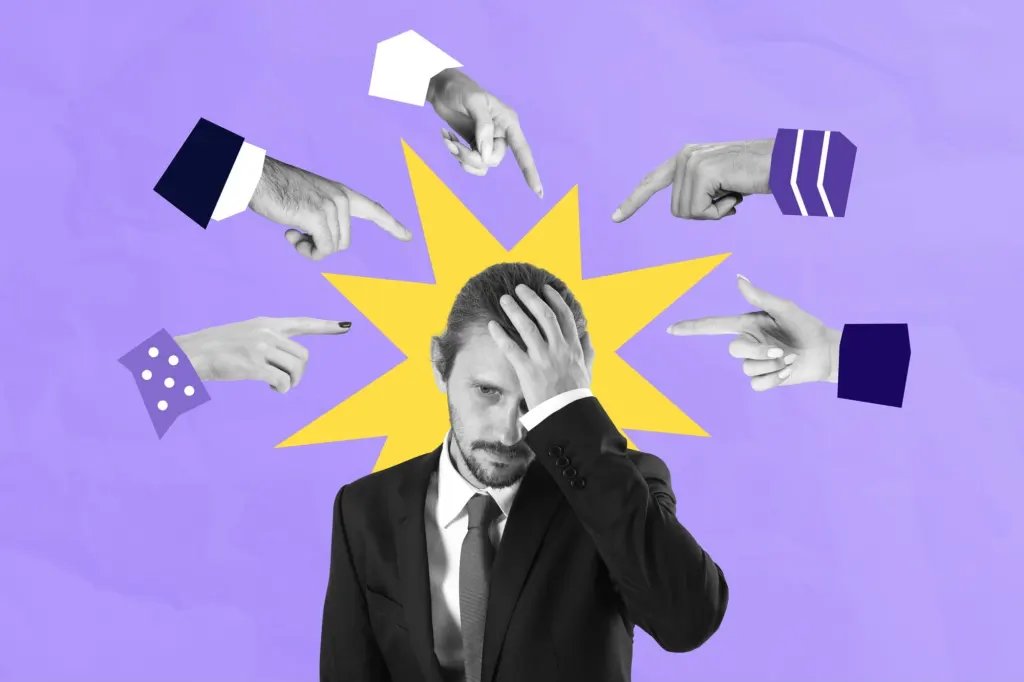
It is a familiar scene, whether you are standing in an operating room, a boardroom or a late-night war room before a major launch. The people involved are capable, experienced and fully aware of what success requires. Yet under pressure, something slips. A difficult conversation gets postponed. A reactive decision replaces a thoughtful one. Priorities drift toward what feels urgent instead of what matters most. Leaders fall back into patterns they themselves would recognize as unhelpful if given enough time and distance to reflect.
For years, we have explained these moments away as failures of discipline or accountability. But behavioral science suggests something more important is happening. Most leaders do not fail because they lack knowledge or intention. They fail because, under pressure, human behavior defaults to what is familiar, automatic and cognitively easy. That shift happens far more often than we realize.
Behavioral science offers a useful lens here. As Daniel Kahneman describes in Thinking, Fast and Slow, the human mind operates through two parallel systems. One is fast, automatic and shaped by habit. The other is slower, deliberate and analytical.
Leaders often like to believe they operate primarily through deliberate judgment. But under stress, fatigue, uncertainty and constant information overload, the automatic system quietly takes control. This is not a leadership flaw. It is how the brain conserves energy.
And in modern leadership environments, cognitive capacity is under constant strain. Every dashboard, Slack notification, meeting request, performance metric and stream of communication competes for attention. Over time, even highly capable leaders begin operating reactively rather than intentionally. The issue is rarely a lack of intelligence or ambition. It is a mismatch between intention and environment.
The leaders who change successfully understand this distinction. Instead of relying on motivation alone, they redesign how decisions happen in the first place.
Where most leaders get behavior change wrong
Most attempts at personal behavior change fail in predictable ways. First, leaders overestimate the power of awareness. Knowing what to do is not the same as consistently doing it, especially when decisions are being made under pressure.
Second, they underestimate cognitive load. Leadership today requires continuous context-switching, rapid judgment and emotional regulation across dozens of competing demands. That constant mental strain reduces the brain’s ability to engage in reflective thinking.
Finally, leaders often try to change behavior through willpower instead of structure. They expect themselves to make better choices repeatedly inside environments that were never designed to support those choices. That approach rarely lasts. Sustainable behavior change depends less on intensity and more on design.
Three fixes that work in the real world
1. Identify where your intentions consistently break down
Most leaders already know the behaviors they want to improve. The challenge is recognizing the exact moments where those intentions collapse under pressure. These moments are often surprisingly predictable.
It could be reacting defensively during disagreement. Avoiding difficult conversations until problems escalate. Constantly saying yes to short-term demands at the expense of strategic priorities. Or defaulting to urgency because slowing down feels uncomfortable. The goal is not broad self-improvement. It is precision.
Instead of asking, “How do I become a better leader?” ask:
- What situations repeatedly trigger reactive behavior?
- What decisions do I consistently rush?
- What patterns emerge when I am cognitively overloaded?
Behavior change begins with observing the moments where automatic patterns take over.
2. Reduce decision friction before pressure hits
Leaders often attempt to change behavior in the middle of chaos. That is usually too late. The brain defaults to efficiency under stress. The more cognitive strain we experience, the more likely we are to revert to familiar behaviors.
The most effective leaders reduce friction before critical moments arrive. That might mean creating protected thinking time before major decisions, limiting unnecessary inputs during periods of strategic work, or building simple systems that slow reactive behavior down just enough to let reflective thinking re-enter.Small structural changes matter more than most people realize.
A calendar buffer before difficult meetings can improve emotional regulation. Predefined decision frameworks can reduce impulsive choices. Turning off notifications during high-concentration work can restore cognitive clarity. These are not productivity hacks. They are behavioral design choices.
The environment surrounding a decision often determines the quality of the decision itself.
3. Replace motivation with environmental design
Leaders often ask themselves how to become more disciplined, focused or resilient. But relying exclusively on motivation is fragile, because motivation fluctuates.
Behavior becomes more sustainable when the environment supports the desired action. This is the core idea behind choice architecture, popularized by Richard Thaler and Cass Sunstein in Nudge: small changes to how choices are structured reliably change what people do.
This is where behavioral science becomes practical. Small environmental cues and structural adjustments can interrupt automatic patterns and make better choices easier to sustain.
For example:
- If strategic thinking matters, protect uninterrupted time for it.
- If better listening matters, create meeting structures that slow responses down.
- If delegation matters, redesign approval processes that reinforce unnecessary involvement.
- If health matters, remove friction between intention and action rather than depending on willpower at the end of an exhausting day.
The point is not perfection. It is consistency. Over time, these small adjustments compound. Better decisions stop depending entirely on effort and begin depending on structure.
From self-discipline to self-design
Leadership conversations often focus on mindset, grit or accountability. Those qualities matter. But they are incomplete explanations for why behavior changes — or fails to. Intelligence and intent are rarely the limiting factors. What shapes outcomes most consistently is the environment around the decision.
The leaders who adapt best are not necessarily the most disciplined. They are the ones most willing to examine their own automatic behaviors and redesign the systems around them accordingly. Because meaningful behavior change rarely begins with forcing yourself to think differently.
It begins with designing environments where better decisions become easier to make.
Key Takeaways
- Under pressure, the brain defaults to automatic habits, so leaders fail not from lack of discipline but from environments that don’t support deliberate thinking.
- Sustainable behavior change comes from redesigning the environment around decisions — protected time, decision frameworks, fewer inputs — rather than relying on willpower.
It is a familiar scene, whether you are standing in an operating room, a boardroom or a late-night war room before a major launch. The people involved are capable, experienced and fully aware of what success requires. Yet under pressure, something slips. A difficult conversation gets postponed. A reactive decision replaces a thoughtful one. Priorities drift toward what feels urgent instead of what matters most. Leaders fall back into patterns they themselves would recognize as unhelpful if given enough time and distance to reflect.
For years, we have explained these moments away as failures of discipline or accountability. But behavioral science suggests something more important is happening. Most leaders do not fail because they lack knowledge or intention. They fail because, under pressure, human behavior defaults to what is familiar, automatic and cognitively easy. That shift happens far more often than we realize.
Behavioral science offers a useful lens here. As Daniel Kahneman describes in Thinking, Fast and Slow, the human mind operates through two parallel systems. One is fast, automatic and shaped by habit. The other is slower, deliberate and analytical.
