

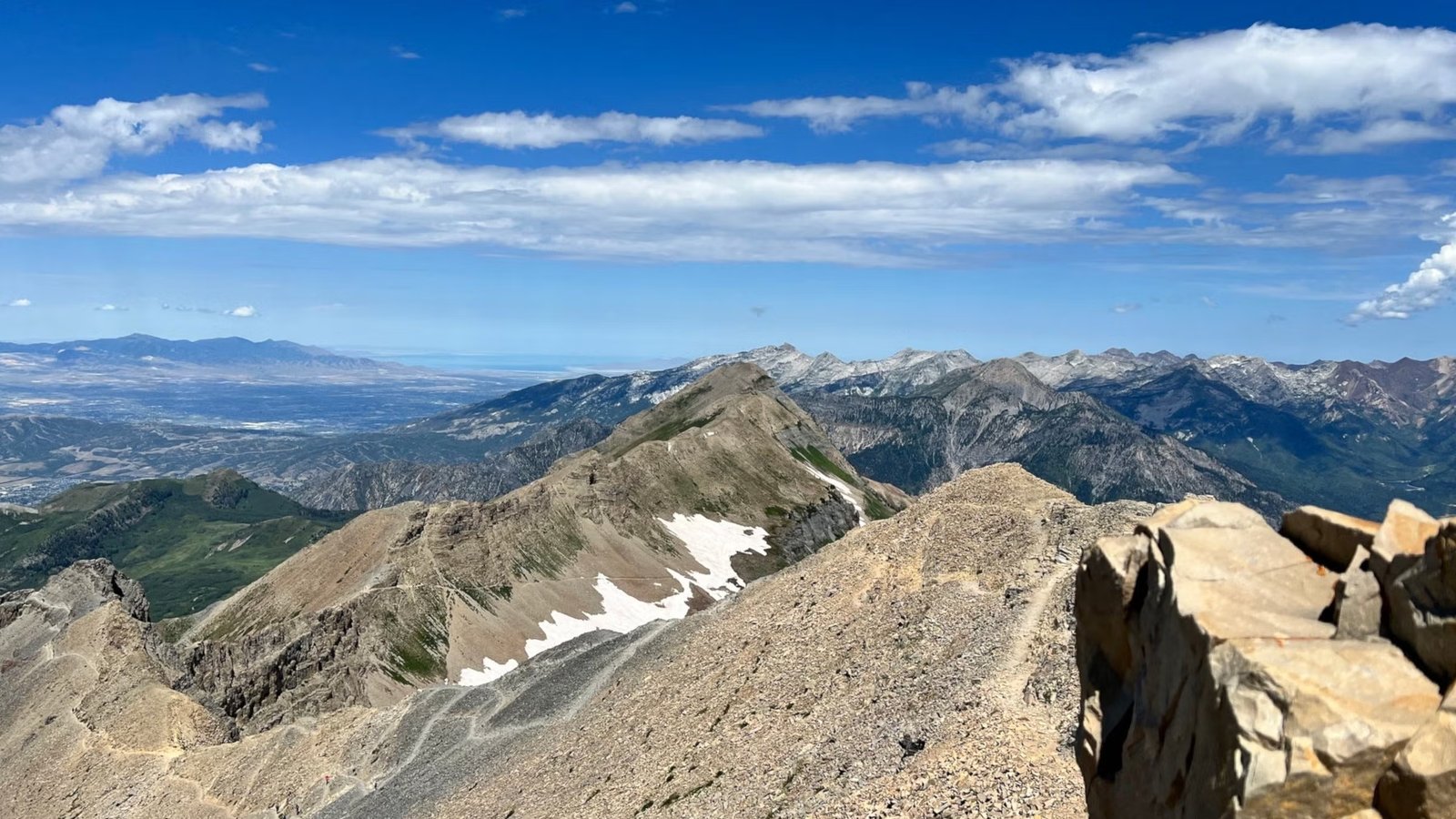
After a 19-year-old hiker was killed inside Mount Timpanogos’s iconic “Tin Shack,” backcountry safety experts explain why small trail shelters are often far more dangerous than staying out in the open.
Ridge on Mount Timpanogos (Photo: Maya Silver)
Published September 24, 2026 11:36AM
What to know: A hiker on Utah’s Mount Timapanogos died after lightning struck the Tin Shack, a metal structure where he and several other hikers were taking shelter from a storm. Shelters without electrical wiring or plumbing may give hikers a false sense of security, as they are not a safe place to escape lightning.
A 19-year-old died after lightning struck a metal shelter on Utah’s 11,752-foot Mount Timpanogos on September 18. Nine others were injured at the time of the incident.
According to the Utah County Sheriff’s Office (UCSO), all ten hikers summited the peak when a large thunderstorm swept over the area. As the storm erupted, the group found shelter inside of a small, steel structure known as the Tin Shack built in 1927 as a lookout location not far from the summit. A bolt then struck the building, shocking the inhabitants.
The UCSO Search and Rescue Team responded to the incident at 6 A.M. on the day of the storm. Rescue efforts were significantly impacted by ongoing storms and the location of the rescue, the agency said.
The 19-year-old was pronounced dead at the scene. Four of the injured hikers hiked down the mountain on their own before heading to the hospital for further evaluation.
Hikers most commonly summit Mount Timpanogos on one of two 14-mile routes. Both of those involve lengthy ridgeline climbs, leaving few opportunities to dip below treeline in inclement weather.
While lightning strike fatalities are relatively uncommon, high mountain peaks are more prone to thunderstorms. This tragedy comes about two months after a teenager died from a lightning strike on July 26 on Mount Blue Sky in Colorado. The boy was attempting to shelter his brother from the storm when he was struck and killed. Four others suffered injuries on the peak that day.
While hikers may instinctively seek shelter from storms inside lookouts, lean-tos, or other hard-sided structures, the reality is that those provide no protection from lightning, as they lack insulated electrical wiring or plumbing that could safely conduct the electricity from a lightning strike to the ground. According to the National Weather Service, the only other safe place to take shelter during a lightning storm besides a wired or plumbed building is a hard-sided vehicle.
In the wake of the incident, the UCSO urged hikers to remain vigilant about rapidly-changing weather conditions.
“If you hear thunder, you are close enough to the storm to be struck by lightning. Hikers should immediately move away from exposed ridgelines, peaks and other elevated areas and seek substantial shelter when possible,” officials wrote.
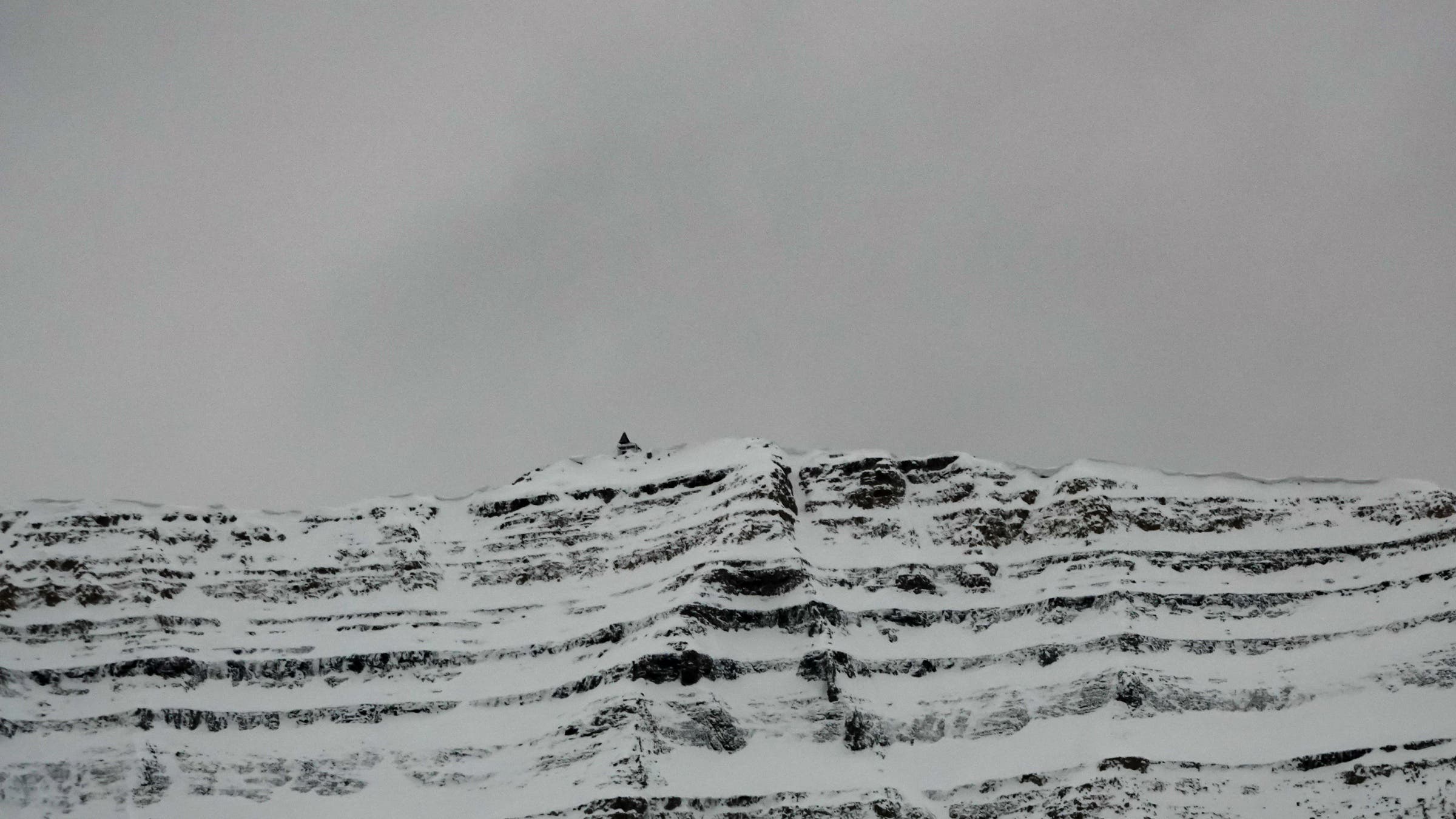
Common Lightning Safety Myths
No place outside is completely safe during a lightning storm. However, as meteorologist Ron Halle of the Lightning Safety Council and Kristin Calhoun, a research scientist with the National Severe Storms Laboratory told writer Corey Buhay in 2024, unlearning a few myths about lightning can help keep hikers safe.
Ditch the lightning position: There’s no evidence that crouching on your sleeping pad helps reduce the chance of you being injured by lightning. If lightning catches you on an exposed ridge or in an open field, focus on getting to a more sheltered area instead.
Don’t hide under tall trees: Sheltering under isolated trees can actually increase your chances of being struck, as tall objects can attract lightning strikes and up to 50 percent of lightning injuries are secondary. Instead, look for a patch of trees of about uniform height.
Metal doesn’t attract lightning—but it conducts it well: While metal objects like the Tin Shack aren’t more likely to be struck than any other object of the same height, if they do take a hit, the metal can conduct the electricity more efficiently, increasing your chances of taking a secondary hit.
