

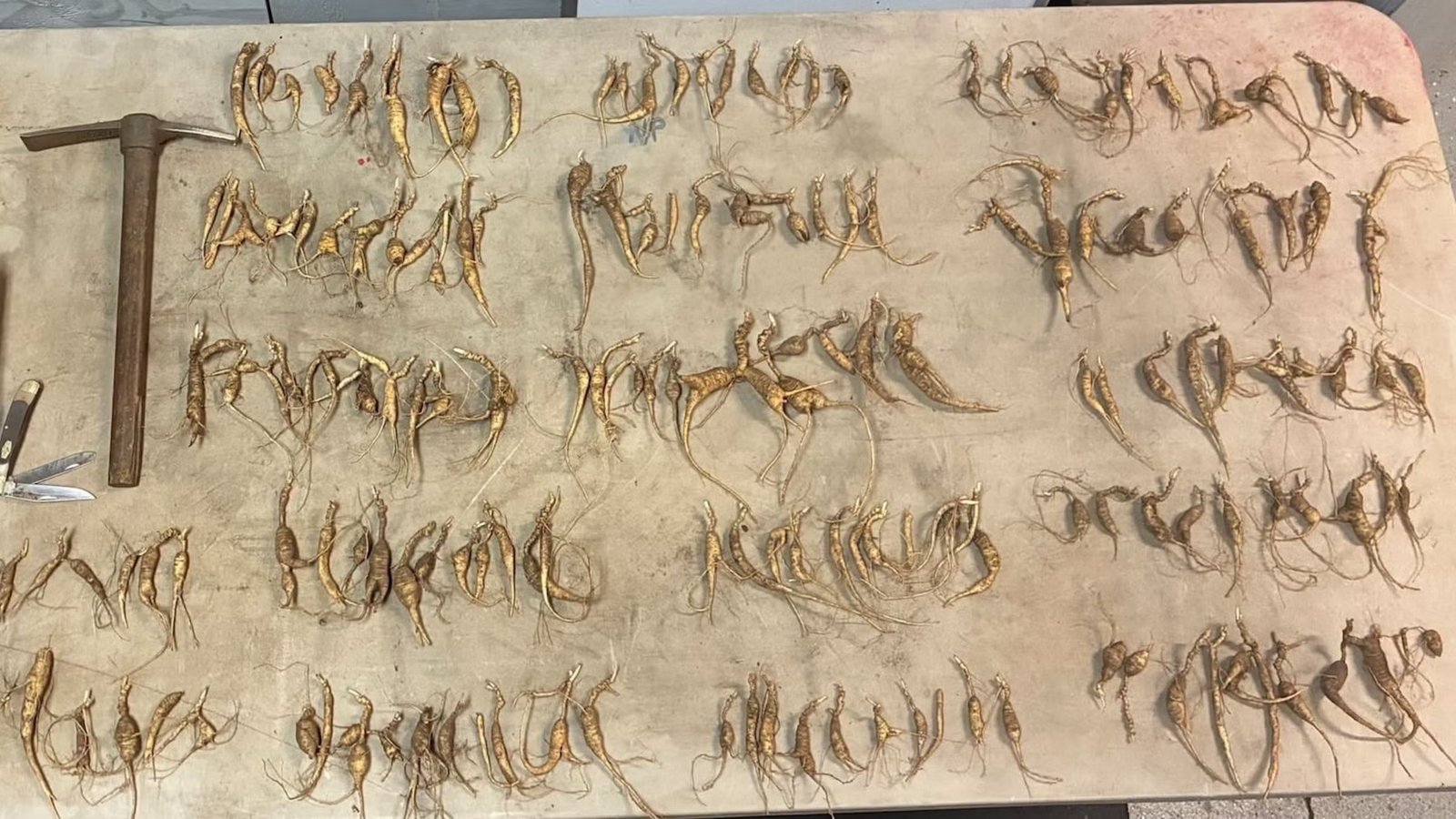
A bust in Appalachia highlights how understaffed national parks are struggling to protect “green gold” from an escalating underground market.
Like all plants, animals, and rocks in a national park, it’s strictly illegal to remove ginseng from the area (Photo: Courtsey of GSMNP)
Published October 5, 2026 04:54PM
What to Know: Rangers recently recovered 700 illegally poached ginseng roots from Great Smoky Mountains National Park. Uprooting the prized plant harms ecosystems and carries severe legal penalties, but staffing cuts make the crisis hard to stop.
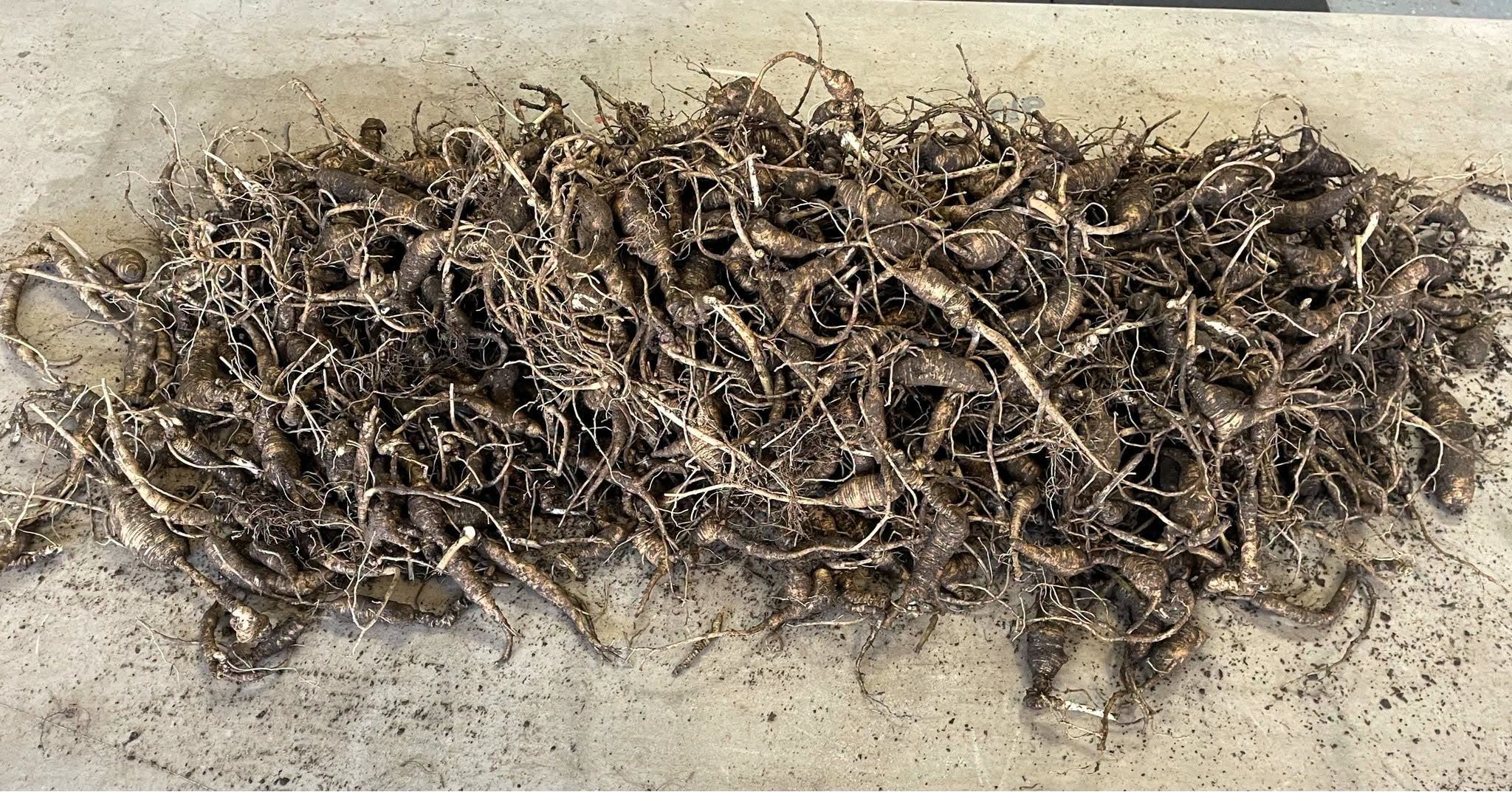
Rangers with the National Park Service (NPS) said in a September 30 statement that they recovered nearly 700 ginseng roots taken from Great Smoky Mountains National Park (GSMNP). The rangers believe two individuals illegally poached the plants.
The Park Service prohibits visitors from removing any plants, animals, or even rocks from NPS sites. A violation is punishable by a $5,000 fine or up to six months in prison.
“[Poaching] is a significant problem that this region has been facing for decades but has only gotten worse,” Will Harlan, the southeast director with the Center for Biological Diversity, told Outside. “Public lands are now our best strongholds for what’s left of ginseng, but even those are under siege.”
GSMNP officials did not specify whether the two suspects accused of uprooting the plant will be charged or face penalties. The NPS said in its statement that it will replant some of the recovered roots, but noted that only about one-third may survive.
“Free Money Out in the Forest”
Illegal harvesting of plants or animals is ecologically damaging, the park service noted. Animals rely on these plants for food, and removing them reduces genetic diversity in a plant population.
Wild ginseng has long been prized as a medicinal remedy, according to the Cleveland Clinic. People use the herb in teas and to treat ailments like indigestion. The U.S. Department of Agriculture says demand for American ginseng is high, and its use is growing in other countries such as China. Wild American ginseng is sometimes called “green gold,” and the West Virginia Division of Forestry writes that a dry pound can sell for more than $500.
Harlan said this makes the plant a coveted commodity and vulnerable to illegal harvesting on public lands, including inside GSMNP.
While some U.S. farmers raise ginseng, Harlan said the wild version is considered higher quality and therefore more valuable, fueling an underground market.
“For many folks in Appalachia struggling to make ends meet, there’s free money out in the forest if they can find some ginseng,” he told Outside. “If you know where to look, it’s still out there, but it’s barely hanging on.”
Historically, some national forests issued harvesting permits for the plant, but the U.S. Forest Service reports that some have pulled back these permits in recent years because of unsustainable practices.
Ginseng can take up to ten years to mature, and Harlan said its fragility requires strict regulations to protect the herb’s wild growth.
Why Budget Cuts Are Making Ginseng Poaching Harder to Stop
Harlan said that although rangers are trained to spot illegal harvesting, significant staffing reductions at national parks over the past two years have left fewer people to find perpetrators.
“This is just one of many problems they’re facing as their personnel has been literally gutted,” Harlan said. “It makes prioritizing ginseng poaching even more difficult.”
Park visitors can help the NPS by letting staff know if they see someone uprooting plants.
“These ginseng plants on our public lands belong to all of us, not just to a few profiteers,” Harlan said. “We want ginseng to flourish once more in the wild. We can’t let this continue to happen in our communities.”
