

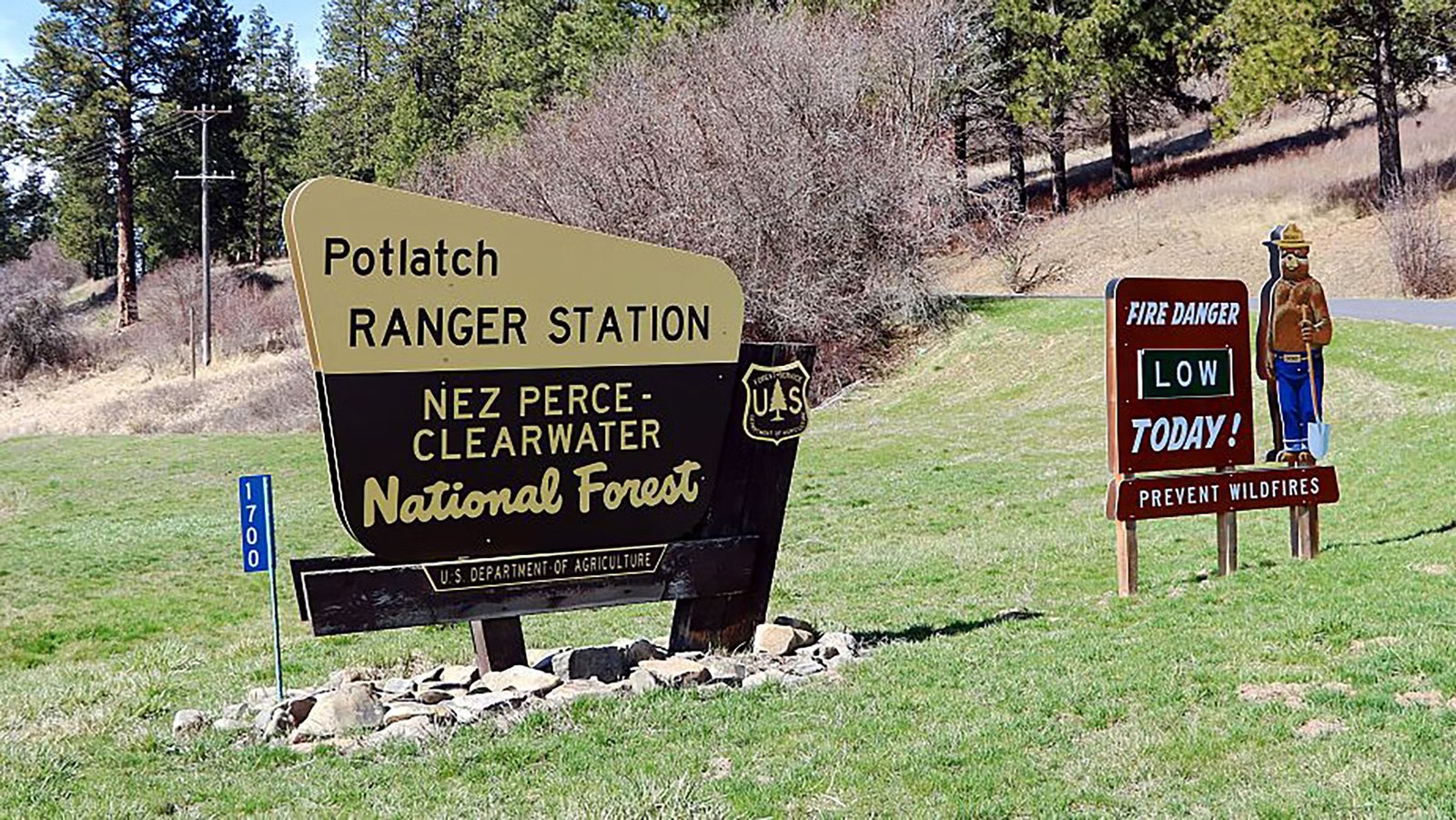
A new court ruling temporarily stopped the agency from moving its headquarters to Utah and closing nine regional offices. Critics warn the overhaul could weaken environmental protections across 193 million acres of public land.
A judge has temporarily halted plans to relocate the Forest Service headquarters (Photo: Don and Melinda Crawford/Getty Images)
Published October 15, 2026 03:36PM
A federal judge has temporarily blocked the Trump administration’s plans to move the US Forest Service headquarters to Utah and close its nine regional offices, halting a sweeping reorganization of the agency responsible for managing 193 million acres of public land.
On October 13, U.S. District Judge Vince Chhabria ruled that the Department of Agriculture cannot proceed with the proposed office closures or force employees to relocate while a lawsuit challenging the overhaul continues. The order also pauses similar changes across several other USDA divisions.
Erik Molvar, executive director of Western Watersheds Project, one of the plaintiffs in the lawsuit, praised the judge’s decision. Molvar told Outside that the proposed changes could weaken the agency’s ability to protect public lands.
“You can’t have responsible public lands management and enforcement of environmental regulations without staff inside the federal agencies,” Molvar said.
The Forest Service announced its restructuring plans in March. Under the proposal, the agency would move its headquarters from Washington, DC, to Salt Lake City, replace its nine regional offices with 15 state offices, and close 23 research facilities, consolidating research operations in Fort Collins, Colorado.
Forest Service Chief Tom Schultz said in March that the changes would reduce bureaucracy and put decision-making closer to the lands the agency manages.
Utah officials have also supported the plan. In a joint statement reported Wednesday by Utah News Dispatch, Governor Spencer Cox, House Speaker Mike Schultz and Senate President Stuart Adams called the ruling a “setback for common sense and responsible management of our public lands.” They argued that decisions affecting Western forests should be made closer to the communities that depend on them.
But labor unions, local governments, and conservation organizations challenged the restructuring, arguing that the USDA was violating congressional restrictions on how federal funds can be spent.
In his 40-page ruling, Chhabria found that the department was likely violating those restrictions by using appropriated funds to close offices and relocate employees. The judge did not determine whether the restructuring itself was sound policy.
What Does This Mean for People Who Use National Forests?
For now, the ruling does not directly change public access to national forests. But the proposed restructuring could have broader implications for how the agency manages its 154 national forests and 20 national grasslands, where millions of Americans hike, camp, climb and ski.
Molvar argued that replacing multi-state regional offices with state-based leadership could give individual state governments greater influence over how national forests are managed.
“Overall, I think this is part of a broader move to remove regulations that protect our public lands from industrial and commercial uses,” Molvar said. “So this would trend towards more logging, more clear cuts, more overgrazed lands, and lower quality recreational experiences and less native wildlife.”
What Happens Next?
In a statement to Outside, a USDA spokesperson said the department is reviewing the judge’s decision and “will file its response with the Court.”
The ruling, however, may provide only a temporary reprieve. The congressional spending restrictions underpinning the decision are scheduled to expire December 11. Congress could extend those restrictions, change them, or allow them to lapse, potentially opening a path for the administration to revisit its plans. The lawsuit itself remains pending.
Plaintiffs in the lawsuit heralded the judge’s decision, but acknowledged that the fight was likely to continue.
“This ruling is an important reprieve, but the fight continues as the case moves forward,” reads a statement from the Coalition to Protect America’s National Parks, one of the coalition of nonprofit organizations to join the plaintiff group.
Everett Kelley, president of the American Federation of Government Employees (AFGE), a labor union and member of the plaintiff group, said in a statement that the ruling bolsters his view that Congress told the USDA that it cannot uproot workers without first getting permission from elected officials.
“Today’s ruling keeps those workers on the job serving the American people, and AFGE and our allies will keep fighting for as long as it takes to make sure this administration follows the law,” Kelley said.
Molvar said Western Watersheds Project intends to continue challenging the restructuring.
“We’ll be continuing to litigate the case on the merits to kill this ill-conceived notion once and for all,” he said.
