

Updated October 19, 2026 04:22PM
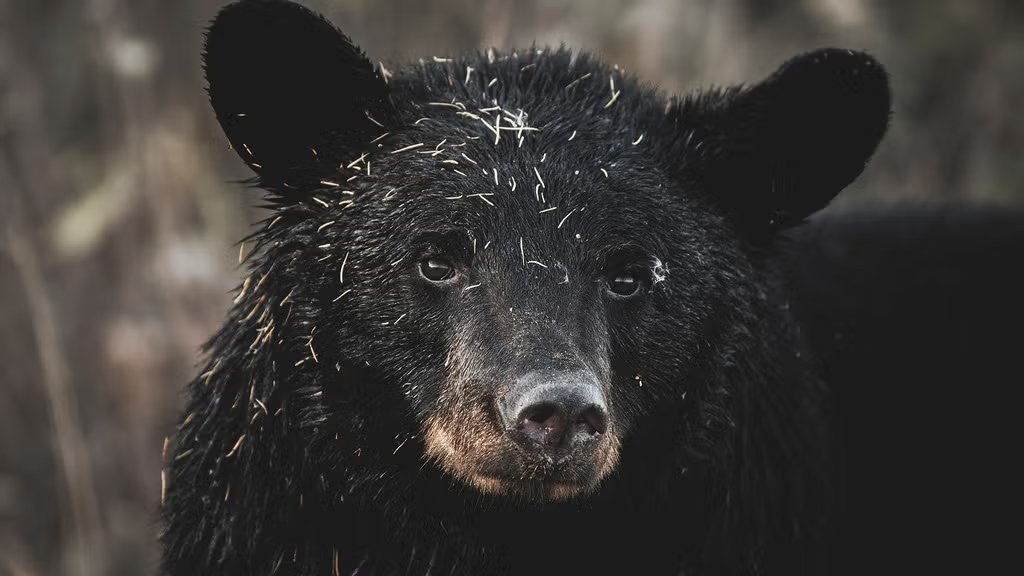
Montana state officials euthanized 14 black bears at a property in Bozeman in September after wildlife wardens found the animals had become so accustomed to human food that they posed a public safety risk.
According to a September 29 announcement from Montana Fish, Wildlife & Parks (FWP), staff responded to a report of suspected illegal bear feeding at a residence north of Bozeman. During their investigation on September 24 and 25, officials found 15 bears that were severely food-conditioned and habituated to humans. Fourteen of the bears were captured and euthanized, while one cub was transported to Montana FWP’s Montana WILD facility in Helena for possible placement at an accredited zoo.
The number of animals involved was highly unusual, according to Morgan Jacobsen, communications and education program manager at Montana FWP. Jacobsen told Outside that the investigation remains ongoing and officials have yet to determine how long the alleged feeding occurred, what the bears were eating, or why whether or not the feeding was intentional.
“This case is different from typical incidents involving bears getting into unsecured garbage or other food sources. It involves the possibility of deliberate feeding,” Jacobsen said.
Montana law prohibits intentionally providing supplemental food to bears. The investigation into what happened at the Bozeman property remains ongoing, and officials have not publicly identified anyone responsible for the alleged feeding.
What officials have established is that the bears were severely food-conditioned, meaning they had learned to associate people with an easy meal. And according to Chris Servheen, president of the Montana Wildlife Federation, who spent 35 years as the grizzly bear recovery coordinator for the U.S. Fish and Wildlife Service, it doesn’t take much for a bear to remember where it found food.
“One feeding is all it takes, if there’s a significant amount of food there,” Servheen told Outside. “Bears are information vacuums, and so every time they get food in a certain place, they’re going to remember that.”
A single substantial meal doesn’t necessarily make a bear dangerous, but it can teach the animal to return to a particular location Severheen said. When food remains available, bears may begin regularly visiting the property and eventually seeking food around other nearby homes.
Why Couldn’t the Bears Be Relocated?
Black bears regularly move through Bozeman and other Montana communities without causing problems, but wildlife managers become concerned when the animals repeatedly find food around people.
What begins with a bear tipping over a garbage can can eventually escalate to damaged property or attempts to enter vehicles, garages, and homes. Bears seeking human food can also become aggressive toward people, although Montana FWP has not reported any attacks involving the 14 bears euthanized near Bozeman.
In this incident, Jacobsen said the bears showed no fear of humans, no longer foraged, and caused property damage. Their behavior had become so established that wildlife managers determined they could not safely be returned to the wild.
Relocating bears with these behaviors presents several problems, Servheen explained. Adult bears have strong homing instincts and may travel considerable distances to return to familiar territory, including places where they’ve previously found food.
“Adults have a tremendous homing ability,” Servheen said. “We can take them 40 miles, and they’ll be back in a couple of days.”
Even if a relocated bear remains in its new habitat, it faces another challenge. Bears learn where to find food and how to survive within their home ranges, often beginning as cubs following their mothers. Moving them into unfamiliar territory can leave them struggling to find natural food sources while competing with bears already living there.
Placement at an accredited zoo is another possibility, but Jacobsen explained that Montana FWP must first find a facility with the space and resources to accommodate the animal. In this case, officials had coordinated with a zoo that potentially could accept a cub, but did not have room for an adult bear. That opportunity allowed Montana FWP to hold one cub at its Montana WILD facility rather than euthanize it alongside the others.
The cub’s age and the zoo’s available space, rather than evidence that it was less food-conditioned, determined why it was spared. Jacobsen did not have an update on its placement as of October 19.
Bear Conflicts Are Increasing Across Parts of the West
The Bozeman incident comes amid an unusually busy year for wildlife managers responding to bear conflicts in parts of the West.
In south-central Montana, wildlife officials reported roughly 400 bear conflicts by late September, compared with about 175 during all of 2025, according to Montana Public Radio. More than 200 conflicts had been reported in Red Lodge alone by late August, where officials were also investigating suspected intentional feeding.
Colorado has also experienced a sharp increase in reported bear activity. According to preliminary figures released by Colorado Parks and Wildlife, the state received 8,672 reports of bear sightings and incidents through August 31, compared with 3,680 during the same period in 2025. Those figures include sightings, not just dangerous encounters.
Poor natural food availability can contribute to these encounters, particularly in the fall, when bears enter a period of intense feeding known as hyperphagia. During this time, they seek out as many calories as possible to build fat reserves before hibernation.
Servheen cautioned against assuming that bears seeking human food are necessarily starving. He compared the appeal of an easily accessible, calorie-rich meal to walking into an ice cream store.
“It’s like putting yourself or myself in an ice cream store,” he said. “It’s not that you’re starving, it’s just that you’re near such a good, concentrated thing to eat. Why should you go anywhere else to get food when it’s right in front of you? Even during years when natural food is plentiful, bears will take advantage of an easy meal.”
How People Can Help Prevent Bear Conflicts
Preventing these situations requires more than reminding people not to feed wildlife, according to Alexander Metcalf, a University of Montana researcher who studies the human side of wildlife management.
In a 2021 study published in the Journal of Wildlife Management, Metcalf and his colleagues examined why Montana landowners do or don’t secure garbage and other food sources that attract bears. They found that people who had spoken with wildlife professionals were more likely to take precautions, while neighbors’ behavior and expectations also influenced whether residents secured attractants.
“Most of them already want to do the right thing, but they’re also busy people,” Metcalf told Outside. “Securing all of the attractants around your property, whether they’re put there intentionally or not, takes a lot of work, and fitting that into your busy life can be hard.”
Metcalf said communities can help by making it easier for residents to secure garbage, pick up fallen fruit, and remove other attractants rather than relying on public warnings alone.
Julie Golla, a conflict prevention specialist with the Montana nonprofit People and Carnivores, works with residents to prevent bears from accessing garbage, chicken coops, bird feeders, and other food sources around homes. Her organization helps people identify potential attractants and install preventive measures such as electric fencing.
“Just because there are bears doesn’t always mean that there’s a problem,” Golla told Outside.
Montana FWP recommends reporting bears that begin accessing food near homes as soon as possible. Jacobsen said early intervention can sometimes prevent food-seeking behavior from becoming habitual, giving wildlife managers options beyond euthanasia.
