

Published October 20, 2026 11:27AM
People have written books and made movies about the magic of hiking in New York’s Adirondack mountains, the largest publicly protected swatch of land in the United States at about 6 million acres. But the rugged, high peaks have seen some negative coverage, too—like when a hiker died of hypothermia on a solo hike up Mount Marcy, and the slew of near-daily nonfatal rescues where hikers run out of food and water, or lack sufficient gear, maps, or flashlights.
Many are drawn to the Adirondacks with the goal of becoming a 46er, someone who has summited all 46 High Peaks—traditionally defined as mountains taller than 4,000 feet—and taken on the toughest terrain. As an aspiring 46er myself—I just hit my tenth peak (Big Slide) last fall—I know how unpredictable weather in the region can be and how the trails differ from others in the state and in the Northeast. I’ve also witnessed the influx in traffic to trails post-COVID and have encountered eager, unprepared hikers on my descents.
One late afternoon, while descending Mount Marcy in a downpour after a roughly 16-mile hike, I ran into a group of hikers just heading up. That encounter and others prompted me to talk with search and rescue (SAR), who explained that the publicity of the region can draw in people who are unprepared, leading to higher rescues and recoveries. I asked what advice they’d give to hikers just starting out.
Here’s what they shared on how to safely enjoy the mountains in any season.
What Makes the Adirondacks a Popular Destination
The 46 mountains in the Adirondack High Peak region draw people in from all over the state (and beyond) eager. Adirondack Forty-Sixers, Inc., is a membership organization that recognizes those who have climbed all 46 High Peaks since 1925. While passionate, these peak baggers can sometimes push themselves beyond their limits or comfort zone, said Logan Quinn, forest ranger with the New York State Department of Environmental Conservation. Quinn has been a ranger in the state since 2013 and situated in the Adirondacks since 2016. “A lot of the people we rescue out of the High Peaks are aspiring 46ers,” he said.
Like many, I’ve long felt drawn to the region, though I didn’t jump straight into tackling high peaks. I spent my first visits exploring local
towns, hiking lower peaks, and kayaking, because I wasn’t yet comfortable in the backcountry. My hiking experience has grown alongside my knowledge of safety and preparedness.
Photos from the region regularly trend on social media, said John Bulmer, publisher of Adirondack Mountain News and co-founder of the nonprofit Adirondack Mountain Rescue. Viral photos attract less experienced hikers looking for the perfect shot—especially during leaf peeping season in the fall. “People see Indian Head and a lot of things online, and they want to go and see that, and there’s really no context involved in how hard it was to get there and the navigational skills it takes to take some of these photos,” he said.
The Elements Aren’t Always Kind to Hikers
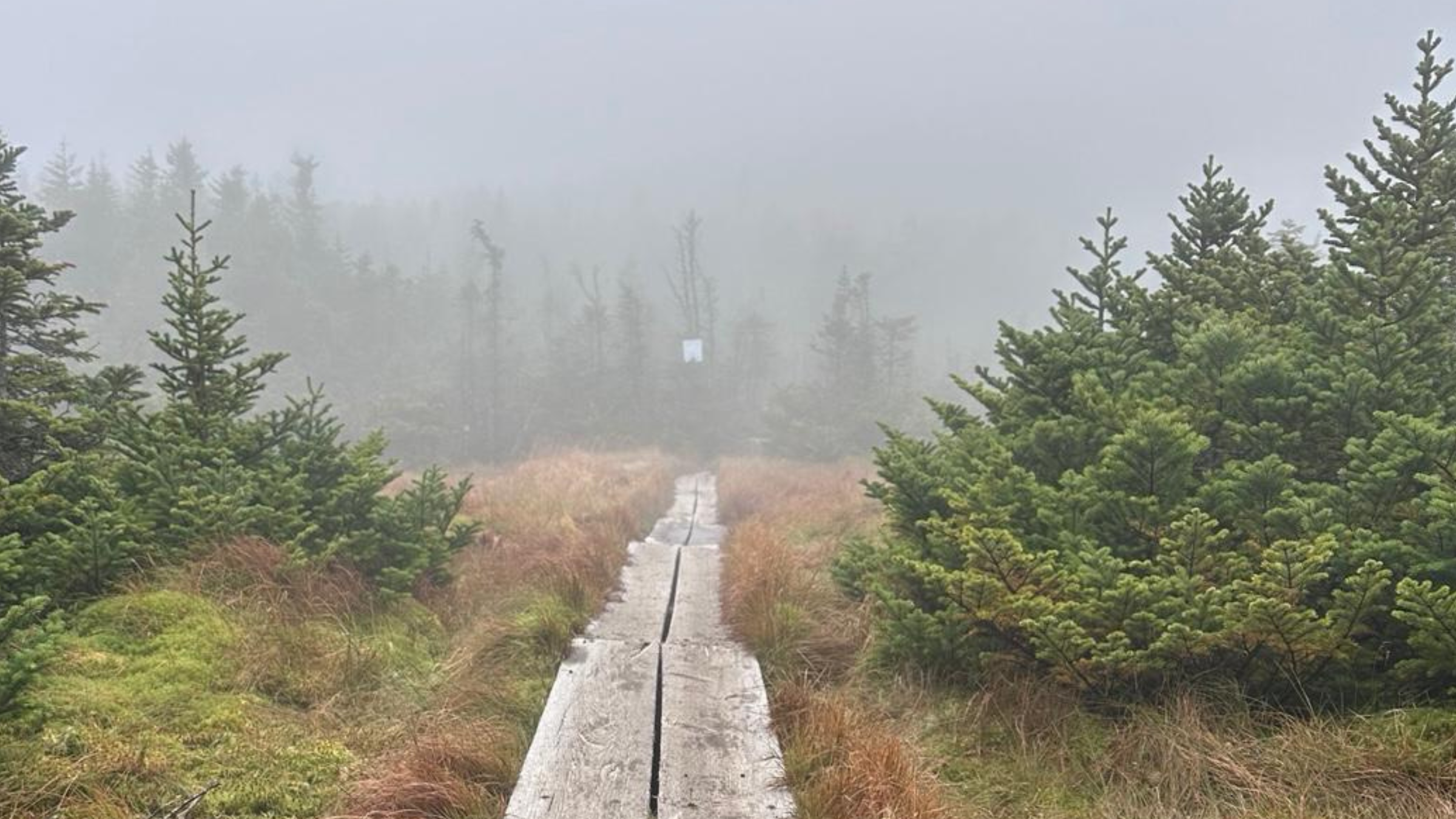
In the summer, visitors might encounter sweltering hot and humid days where normally dependable water sources have diminished to a trickle, or downpours and thunderstorms that only impact certain peaks. Come fall and winter, the temperature can drop drastically between nearby Lake Placid and a peak, with whipping winds and unexpected snow accumulation to account for. For those unaccustomed to the region, the seasons can be unpredictable and unruly, especially if you find yourself ill-equipped in the backcountry or atop a bald peak.
“You go out in the winter, you’re not prepared, you’re somewhere remote, your phone dies, your light dies. That’s a worst-case scenario,” said Bulmer, who was also vice chairman of the nonprofit New York State Federation of Search and Rescue Teams that assisted SAR teams. When people come to the range who have hiked other Northeast regions, like the Catskills or New Hampshire’s White Mountains, they’ll often encounter what’s infamously called the “Adirondack mile,” a term hikers use to describe how miles in the Adirondacks can feel much longer and harder than the distance suggests.
High peak trails are more than a century old, sometimes poorly marked, and covered in rocks and roots. They’ll send you straight uphill, gaining a significant amount of elevation over a short span. And if you hike in the melting snow or rain, there’s a chance the trail could become a downhill creek. All of these thing can lead to injuries or blowing through food and water quicker than expected.
“People can get a little overconfident in their abilities, and that might lead them to go out and try a mountain that they’ve done before during a period of inclement weather or during a time when conditions are very bad,” said Sam Fairchild, strategic coordinator
and interpretive educator with the Adirondack Mountain Club, a nonprofit dedicated to protecting the state’s wild lands and waterways. Plus, the remoteness of the peaks can be challenging for even experienced hikers, especially if you run out of food or the hike takes longer than planned, Fairchild added.
He pointed to Allen Mountain as a common culprit, an 18-mile hike he said is one of the most remote peaks in the Northeast. The peak made national news in winter of 2024 when an experienced young Canadian hiker went missing on a solo hike. His body was later recovered in the spring.
How to Prepare for the Adirondack Mountains
Outside of unpredictable weather and inadequate gear, experts agree at the most common reason for search and rescue calls is the dependence on cell phones.
“The reliance on phones to do everything—including being your light and being your only form of navigation—causes a lot of issues,” said Quinn. Each of the SAR experts I talked to harped on the importance of bringing these ten essentials as well as being aware of the unique scenarios that might be encountered in the Adirondacks.
These include:
- Navigation devices aside from cell phones (paper maps, compasses, a GPS)
- Headlamps with extra batteries
- Sun protection (clothing, SPF, sunglasses) even in winter
- First aid items
- Knife and gear repair
- A way to start a fire
- Something that can be used as shelter
- Extra food
- Extra water or purifiers
- Extra clothing (added layers, more socks, waterproof items)
They also recommended having additional gear to prepare for an unexpected night in the backcountry or a way to stay warm when waiting for a rescue, especially in winter when hypothermia can set in quickly.
Resources for Before You Go
There are resources hikers can check beforehand to prepare, such as the Adirondack Trail Conditions group Facebook group and the DEC website for notices like trail closures, air quality, and weather reports. For new hikers, the Adirondack Mountain Club offers trainings, from things like learning how to read a map to beginner backpacking classes.
The biggest piece of advice SAR experts can give, no matter the skill level, Logan emphasized, is to avoid hiking alone.
“If something goes wrong, you’re in it on your own,” he said. “So, my biggest advice, to those new and experienced, is please don’t go alone to these more remote places.”
