

Published October 24, 2026 03:12AM
Hiking boots have lost some ground to trail runners and low-cut shoes over the past decade, but don’t write them off just yet: If you have weak ankles or are prone to stumbles, an old-school hiking boot may be exactly what you need, especially if your trips often involve rough terrain or heavier loads. Besides providing protection from rolls and twists, a mid-cut boot can help lower your injury risk by supporting your foot and ankle and easing the fatigue and soreness that builds up over the course of a long backpacking trip.
We’ve gone through our favorite hiking boots of 2026 and picked our seven faves for hikers with problem ankles, four from our men’s list and three from our women’s roundup, both curated by Blair Braverman, the expert reviewer at our sibling site Backpacker. Our picks run the gamut from super-supportive leather lace-ups to lightweight mid-cuts with a sneaker-like feel. All earned our testers’ approval over hundreds of trail miles, so you can confidently buy the best hiking boot for your weak ankles.
Best Hiking Boots for Weak Ankles: At a Glance
Best All-Around Hiking Boots for Weak Ankles
La Sportiva Aequilibrium Hike GTX
Weight: 16.9 oz (men’s) / 13.4 oz (women’s)
Sizes: Men’s 37-47.5 (EU) / Women’s 36-42 (EU)
Pros and Cons
+ Out-of-box comfort
+ Versatility
+ Support
– On the pricey side
If you want the best hiking boot for weak ankles that money can buy this year—no matter how much money it costs—this is it. While it’s designed for three-season alpine use, we found it a perfect tool for rugged backpacking trips, thanks to a durable PU midsole with a polypropylene stiffener, a “bouncy and cushioned” PU-injected rubber outsole, and a reinforced toe and heel that looked “pristine” after more than 100 often-rough miles on the trail. Read the full review.

Best Value Hiking Boots for Weak Ankles
Keen Targhee IV Waterproof Mid
Weight: 20.1 oz (men’s) / 16.6 oz (women’s)
Sizes: Men’s 7-15 / Women’s 5-12
Pros and Cons
+ Excellent waterproofing
+ Durable
– Some break-in required
– Heavy
If you love an old-school hiker, the Keen Targhee IV Waterproof Mid is the hiking boot for you. This generously cushioned leather mid-cut shrugged off scrapes from rocks and comes with a lifetime guarantee against delamination of the sole. Its bulletproof waterproofing made it perfectly suited for wet, sloppy trail. Read the full review.

Most Versatile Hiking Boots for Weak Ankles
Arc’teryx Kopec Mid GTX
Weight: 12 oz (men’s) / 11 oz (women’s)
Sizes: Men’s 7-13 / Women’s 5-10
Pros and Cons
+ Lightweight
+ Excellent grip
+ Responsive
– Firm cushioning
One pound on your feet burns as much energy as three pounds in your pack, so we’d call this lightweight mid-cut hiking boot a calorie-saver. The Arc’teryx Kopec Mid GTX is a perfect do-anything boot, as comfortable on high-tempo day hikes as it is toting a pack with a week of supplies, but still wards off foot and ankle fatigue with its supportive midsole. Read the full review.
Best Hiking Boots for Heavy Loads
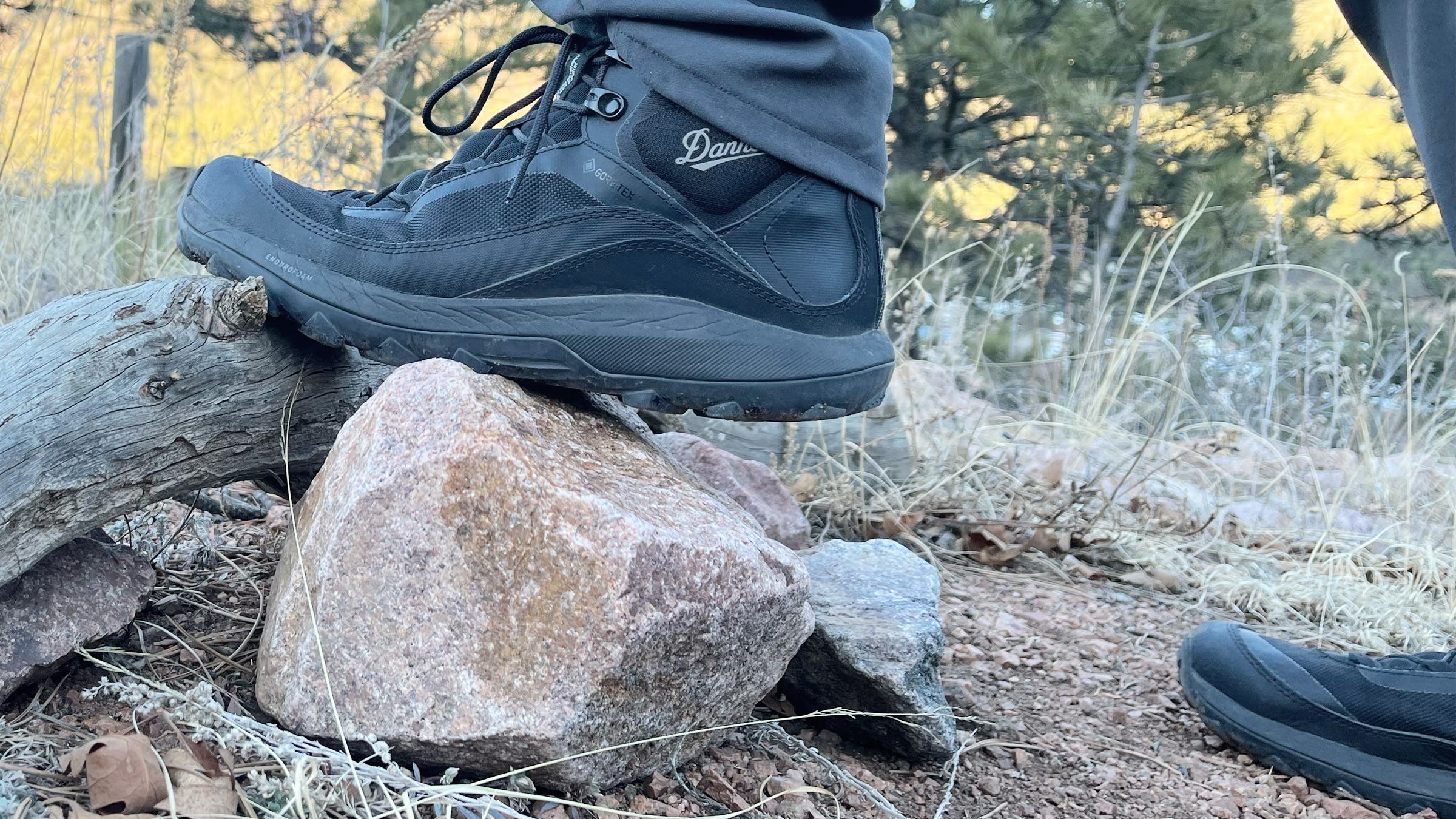
Danner N45 Mid GTX
Weight: 14.5 oz (men’s) / 11.5 oz (women’s)
Sizes: Men’s 7-14 / Women’s 5-11
Pros and Cons
+ Stylish
+ Supportive
+ Cushy and responsive ride
– Break-in required
Sometimes, your pack is just going to be heavy—think supply-intensive deep wilderness trips or family outings where you end up carrying other people’s gear. The Danner N45 Mid GTX hiking boot feels tailor-made for those missions, especially if you have weak ankles, with bouncy nitrogen-infused foam in the midsole, a TPU rock plate, and a breathable nylon-poly upper. It doesn’t hurt that its black-on-black design looks sharp, too. Read the full review.
Best Hiking Boot for Backpacking with Weak Ankles
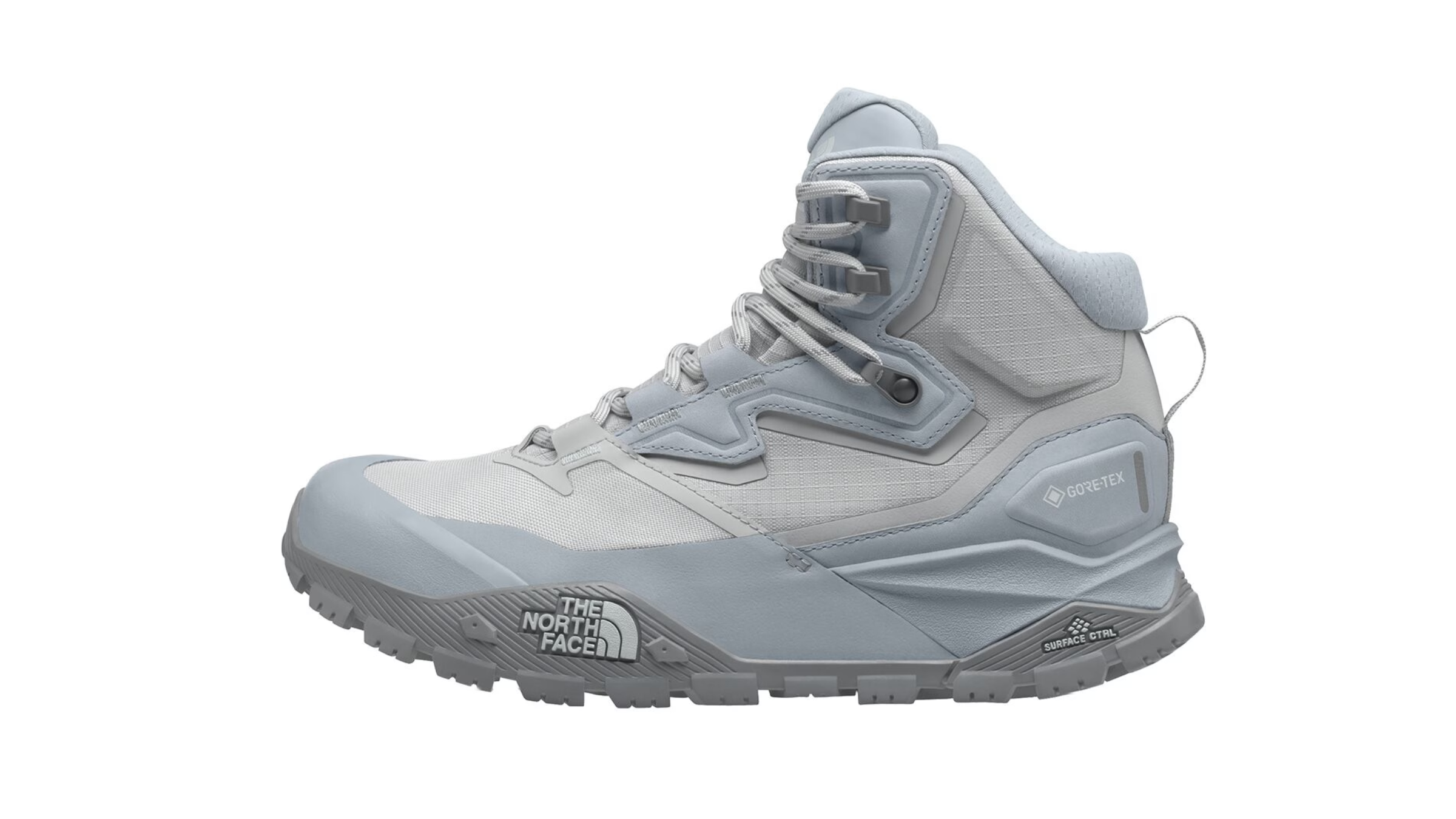
The North Face Offtrail Hike LT Mid GTX
Weight: 17.6 oz (men’s) / 15.9 oz (women’s)
Sizes: Men’s 7-14 / Women’s 6-11
Pros and Cons
+ Out-of-box comfort
+ Plush ankle support
– Too warm for hot weather
“Old-school substance without the old-school break-in period” is how our reviewer described The North Face Offtrail Hike LT Mid GTX. An EVA midsole paired with a flexible rockguard provided cushion underfoot, while a well-padded upper and heel cup kept the foot comfortable. The result? A supportive hiking boot for weak ankles that our testers said felt like “a firm hug” even when the trail got rough. Read the full review.

Best Hiking Boots for Traversing Rugged Terrain with Weak Ankles
Meindl Air Revolution Alpine 4.1
Weight: 24 oz
Sizes: 8-14, D & EE widths
Pros and Cons
+ Durable
+ Very supportive
+ Out-of-box comfort
– Too stiff for day hikes
– Expensive
The Meindl Air Revolution Alpine 4.1 isn’t for everyone: With its stiff sole, heavy weight, and aggressive tread, this mountaineering-adjacent hiking boot is best for rough terrain, heavy loads, and long stretches above treeline. But we were shocked by the out-of-box comfort and extreme breathability, too. Read the full review.
Most Supportive
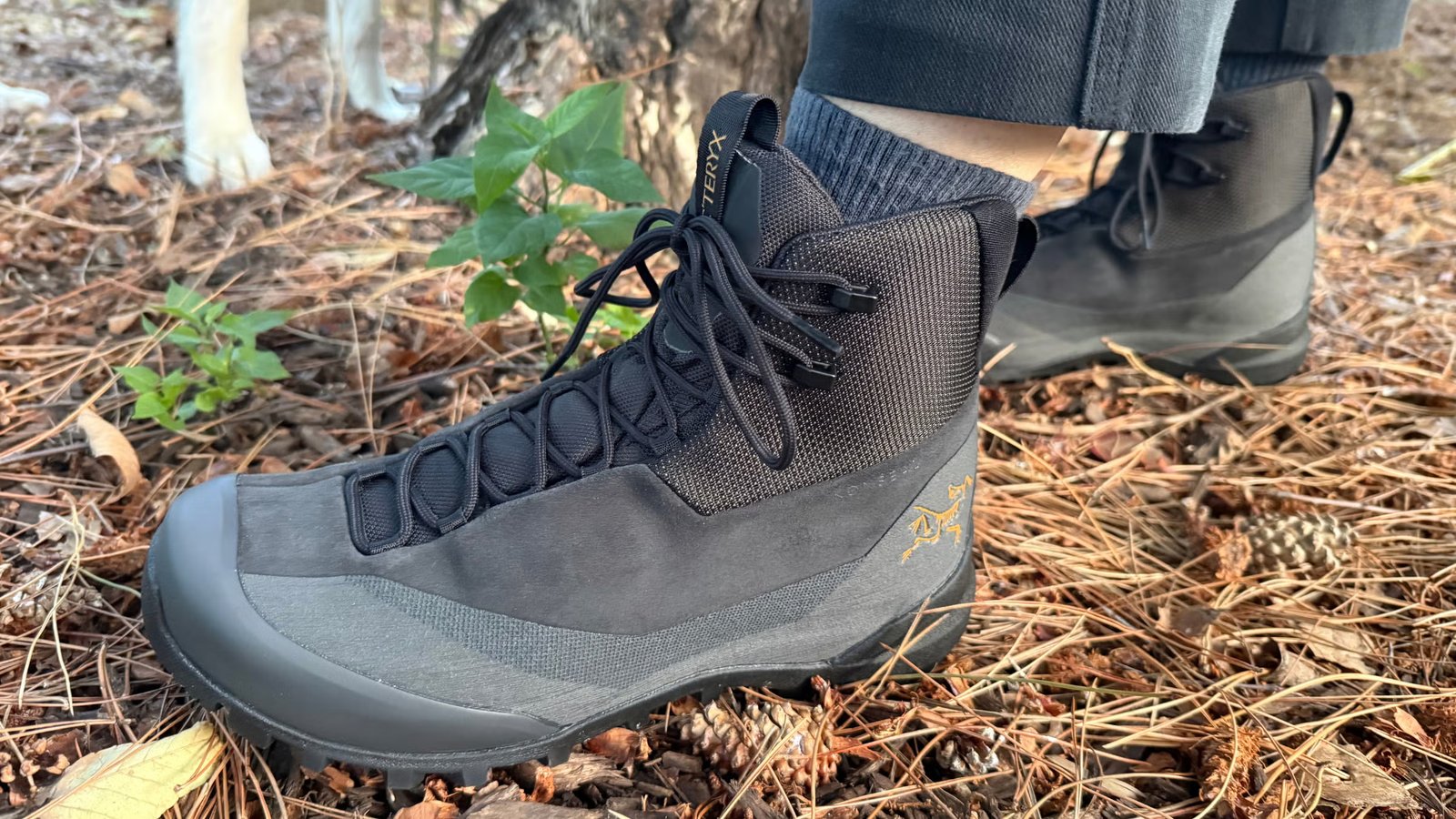
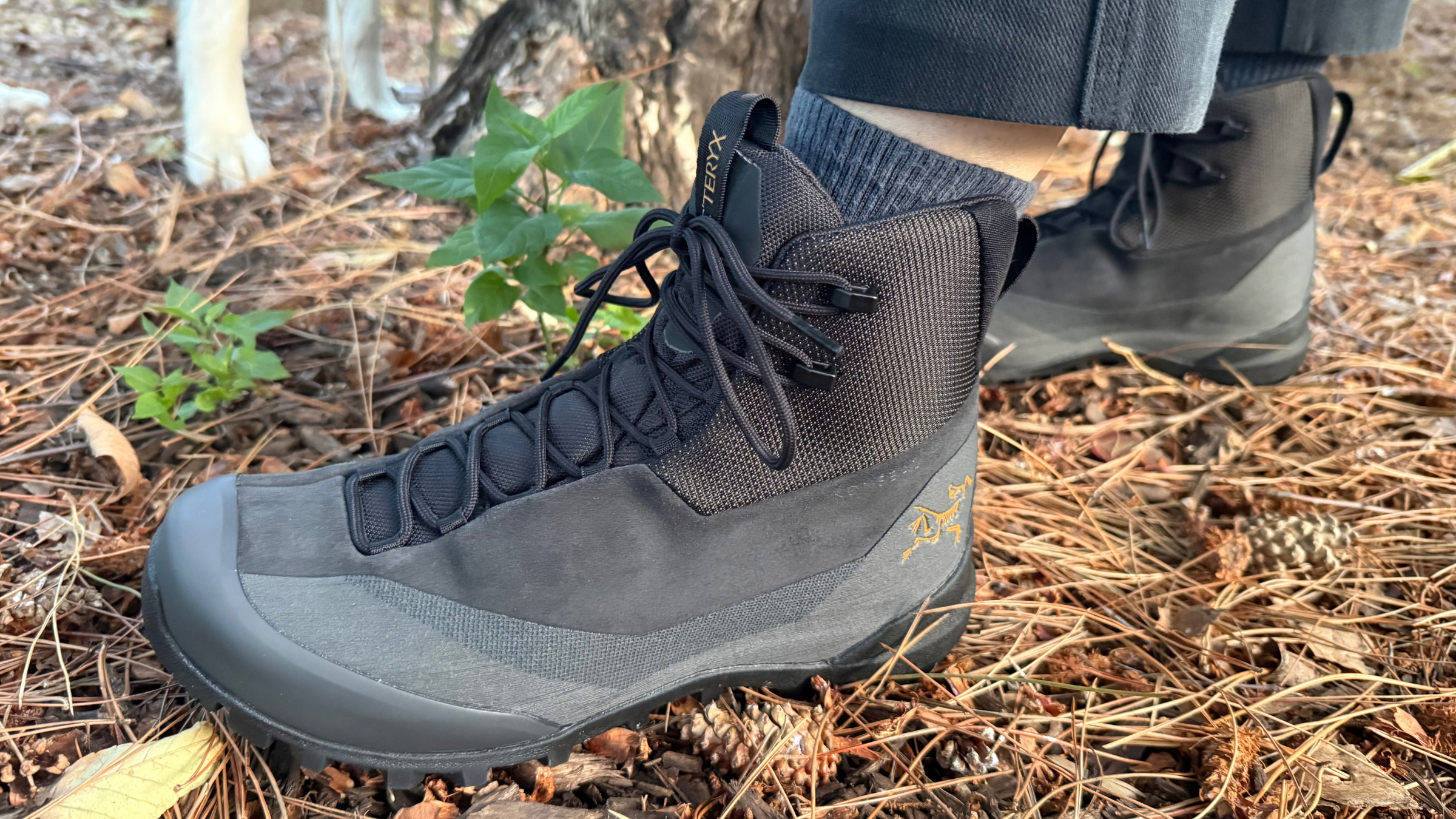
Arc’teryx Konseal Trek
Weight: 20.8 oz (men’s) / 20.5 oz (women’s)
Sizes: Men’s 7-13 / Women’s 5-10
Pros and Cons
+ Durable
+ Good-looking
+ Ankle support for heavy packs
– Tedious to lace properly
Think of the Arc’teryx Konseal Trek as James Bond’s car: Its slick looks conceal “an arsenal of protection,” as our reviewer noted. Among its tricks: a bonded Gore-Tex membrane that provides waterproofing while keeping the boot slim; a mid-height, lightly-padded cuff outfitted with a Kevlar exterior for durability even on talus-strewn slopes; and a carbon fiber shank worked into the EVA midsole, so your ride is both comfortable and stable. Read the full review.
Best Hiking Boots for Weak Ankles: Comparison Chart
| Product | Category | Price | Weight | Sizes |
| Keen Targhee IV (Men’s / Women’s) | Best Value | $190 | 20.1 oz (men’s) 16.6 oz (women’s) |
Men’s 7-15 Women’s 5-12 |
| Arc’teryx Kopec Mid (Men’s / Women’s) | Most Versatile | $140 | 12 oz (men’s) 11 oz (women’s) |
Men’s 7-13 Women’s 5-10 |
| La Sportiva Aequilibrium Hike GTX (Men’s / Women’s) | Best All-Around | $279 | 16.9 oz (men’s) 13.4 oz (women’s) |
Men’s 37-47.5 Women’s 36-42 (EU) |
| Danner N45 Mid (Men’s / Women’s) | Best for Heavy Loads | $250 | 14.5 oz (men’s) 11.5 oz (women’s) |
Men’s 7-14 Women’s 5-11 |
| The North Face Offtrail Hike LT Mid GTX (Men’s / Women’s) | Best for Backpacking | $220 | 17.6 oz (men’s) 15.9 oz (women’s) |
Men’s 7-14 Women’s 6-11 |
| Meindl Air Revolution Alpine 4.1 | Best for Rugged Terrain | $420 | 24 oz | 8–14, D & EE widths |
| Arc’teryx Konseal Trek (Men’s / Women’s) | Most Supportive | $280 | 20.8 oz (men’s) 20.5 oz (women’s) |
Men’s 7-13 Women’s 5-10 |
How to Choose Hiking Boots for Weak Ankles
First, look at the cuff: You want an upper that’s stiff enough to support your joint if you stumble or step on a loose rock, but not so stiff that you can’t maintain a natural stride on the tail. Which of those you prioritize depends on your objectives: Long days on relatively smooth trail call for softer support, while stiffer boots may help prevent injury on steep, loose ascents. Pay attention to the padding on the cuff, which should cradle your ankle rather than squeeze it.
Midsole construction can also make a big difference in how a boot feels on the trail: An EVA midsole will feel bouncier and softer, more akin to a running shoe, while a PU midsole will provide a somewhat stiffer, more supportive ride, though often at a weight penalty. A shank, often made of a material like carbon fiber, will provide additional stiffness and structural support to the sole, though it should still allow your foot to flex naturally.
Finally, pay attention to the outsole; while it may not play a role in supporting your ankle directly, a grippy tread can help prevent stumbles and slips, which can lead to injuries. Softer rubber will grip better on hard surfaces, though it will shorten the boot’s lifespan as it wears away faster. A harder, less pliable rubber may feel more slippery on surfaces like slickrock, but can grip well on soft trail, allowing its tread to “bite” into the path.
How We Test Hiking Shoes and Boots
- Number of testers: 15
- Number of shoes tested: 45+
- Number of miles: 700 and counting
Mostly we just let our testers do what they do best: walk. We called in dozens of different hiking boots and shoes and handed them out to 15 testers with instructions to put on some serious miles. They took short hikes and 30-mile backpacking trips, on-trail and off. They scrambled up peaks and down canyons, logging more than 700 miles in total. As they trekked along, we asked them to consider everything from fit to grip, cushioning to stability.
Because pack weight can influence all these variables, we had them hike with both light loads and heavy packs. And to understand how boots and shoes performed in different weather conditions and environments, we spread testers and samples across the continent, from coastal British Columbia to New England’s windy summits.
After at least two testers have tried every shoe, we have them fill out a detailed questionnaire. Then we send them back out with more shoes. The process is ongoing and endless. With every review we compare the results to all the other hikers we’ve tested over the years. Because ultimately we’re not just looking for the best new hiking boots for weak ankles, we want the best hiking boots for weak ankles, period.
Meet the Lead Testers
Category manager Wisconsin-based Blair Braverman is a long-distance dogsledder who loves hiking whenever she’s not mushing. Her longest backpacking trip was the 400-mile Oregon Coast Trail, and her favorite is Colorado’s Four-Pass Loop.
- Ryan Stuart started hiking at 16, when his family moved from Toronto to Calgary. After a decade exploring the Canadian Rockies, he migrated west to Vancouver Island and is now tromping his way around the coastal hikes and remote mountain routes that lace that region’s temperate rainforest. He’s been testing gear for Outside, Backpacker, and SKI for 15 years.
- Vermont-based weekend warrior Patrick Lowkes is always lining up his next adventure, which usually involves lots of miles at an aerobic clip. He spends his summer exploring the trails in the White and Green mountains.
- Bill Phipps is a mountain guide and climbing gym owner on Vancouver Island. He focuses on testing mountain boots and burlier backpacking boots.
- Montana-based wildland firefighter, environmental educator, and natural history filmmaker Chrissie Bodznick (@cbodznick) spent the summer testing boots on the East Coast, where she hiked in the woods, rocky shores, and salt marshes of Cape Cod.
- Rachael Drechsel (@r_drechsel) and Colleen Michelson are avid foragers and outdoors people based in Madison, Wisconsin, who scour the forest for mushrooms and hike daily with their pit bull Reuben (@boi_meets_bea).
- Danica Novgorodoff (@novgorodoff) is an artist and graphic novelist living in Kentucky. She is an avid hiker and trail runner, and enjoys camping, backpacking, and the occasional trip to a volcano or rainforest.
- Allison Bodznick is a university administrator and grad student in Boston. She’s mostly a short-distance hiker (unless there’s a hot spring at the end), as well as an adult-beginner skier and an urban gardener. She says she has never regretted a swim.
- Jenny Baker (@sheventuresearth) is the founder of Sheventures, an outdoor adventure camp for women in Chattanooga, Tennessee, and is a race director for the Georgia Jewel Ultra Trail Race. She loves the outdoors more than cake.
- Carrie Masters (@birdandtoad) is a chef in northern Michigan who runs Bird and Toad, a women-led food/art collective that features largely foraged ingredients. When she’s not cooking, she’s usually out on the trail.
