


Move over, canned fish. Vegetables in tins are chic now, and a pocket-sized feast ideal for the trail.
(Photo: Andrew B. Myers)
Published October 26, 2026 10:03AM
At the southern end of Idaho’s Teton Valley, just over the pass from Jackson Hole and adjacent to some world-class fly-fishing, sits an unassuming little structure stocked floor to ceiling with delicious things. At Food Shed Idaho, specialty grocer Cecily Costa helps her customers provision their outdoor adventures. Something she’s excited about right now: petite Sweet Prince tomatoes. They come in a tin slim enough to slip in your pocket—a game changer in itself. “Tomatoes generally don’t travel well for hikes or picnics,” Costa says. “I think these are going to do very well.”
The tins are new this year from Row 7 Seed Company, chef Dan Barber’s clap back to commodity-vegetable breeding, which prioritizes traits like yield and shipability over flavor. And vegetable quality begins with the seed.
“Even the organic vegetables you eat in this country come mostly from conventional seed, produced with chemical interventions,” Barber says. “We choose to start with organic seed. It produces a stronger, more delicious plant—and, we think, a more nutrient-dense one. We’re working on putting some science behind that last point, but the early indications are incredible.”
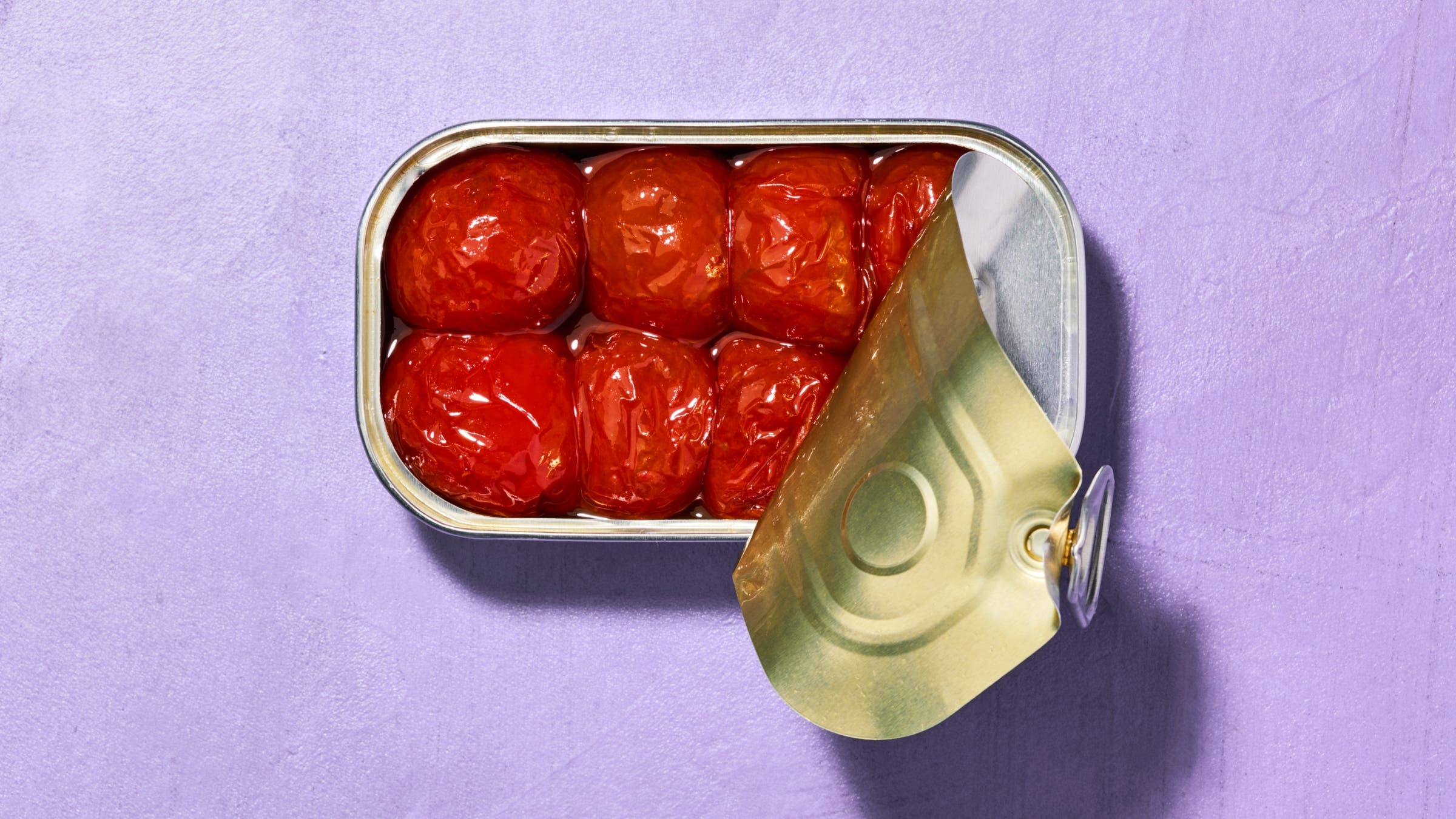
Row 7 seeks out innovative breeders using traditional cross-pollination and selection to develop flavorful new cultivars. Then the company partners with farmers it trusts to do justice to that breeding in the way they raise the produce, sold at Whole Foods and other grocers. Row 7 also sells its seeds in packets and, now, three of its flavor-forward varieties ready to eat, in chic little tins.
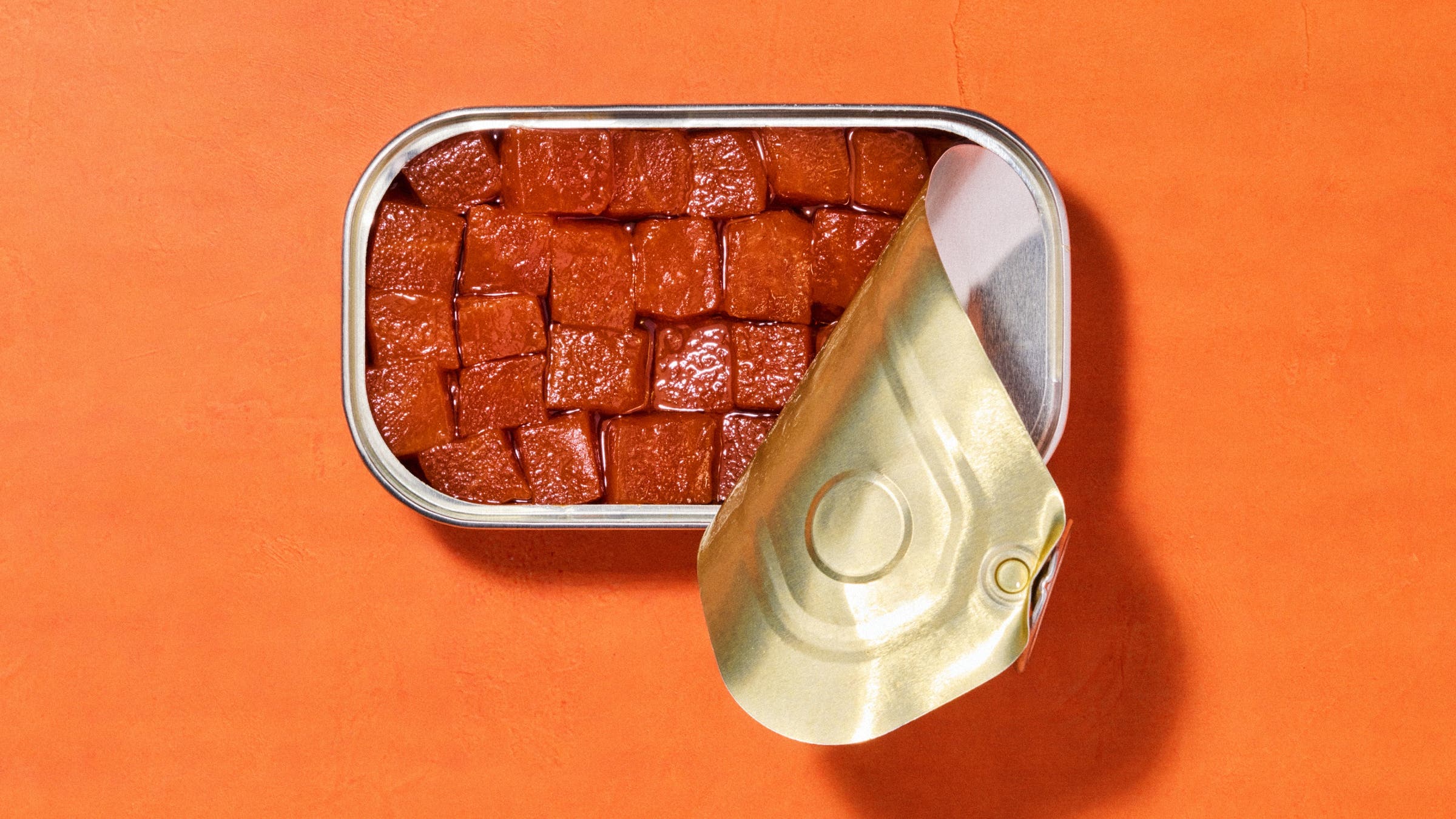
There’s that Sweet Prince, tinned at peak summer sweetness with a balancing, racy acidity. The Sweet Garleek, a garlic-leek hybrid, comes confited in extra-virgin olive oil, white balsamic vinegar, and Dijon mustard—“like leeks vinaigrette with the volume turned up,” says Row 7 co-founder Charlotte Douglas. And I have never tasted another beet remotely like the Badger Flame. That earthy flavor so many people don’t care for? Gone. This beet has a bright, surprising taste to match its golden color and comes in succulent little cubes you can toss into a salad, or snack on straight from the tin.
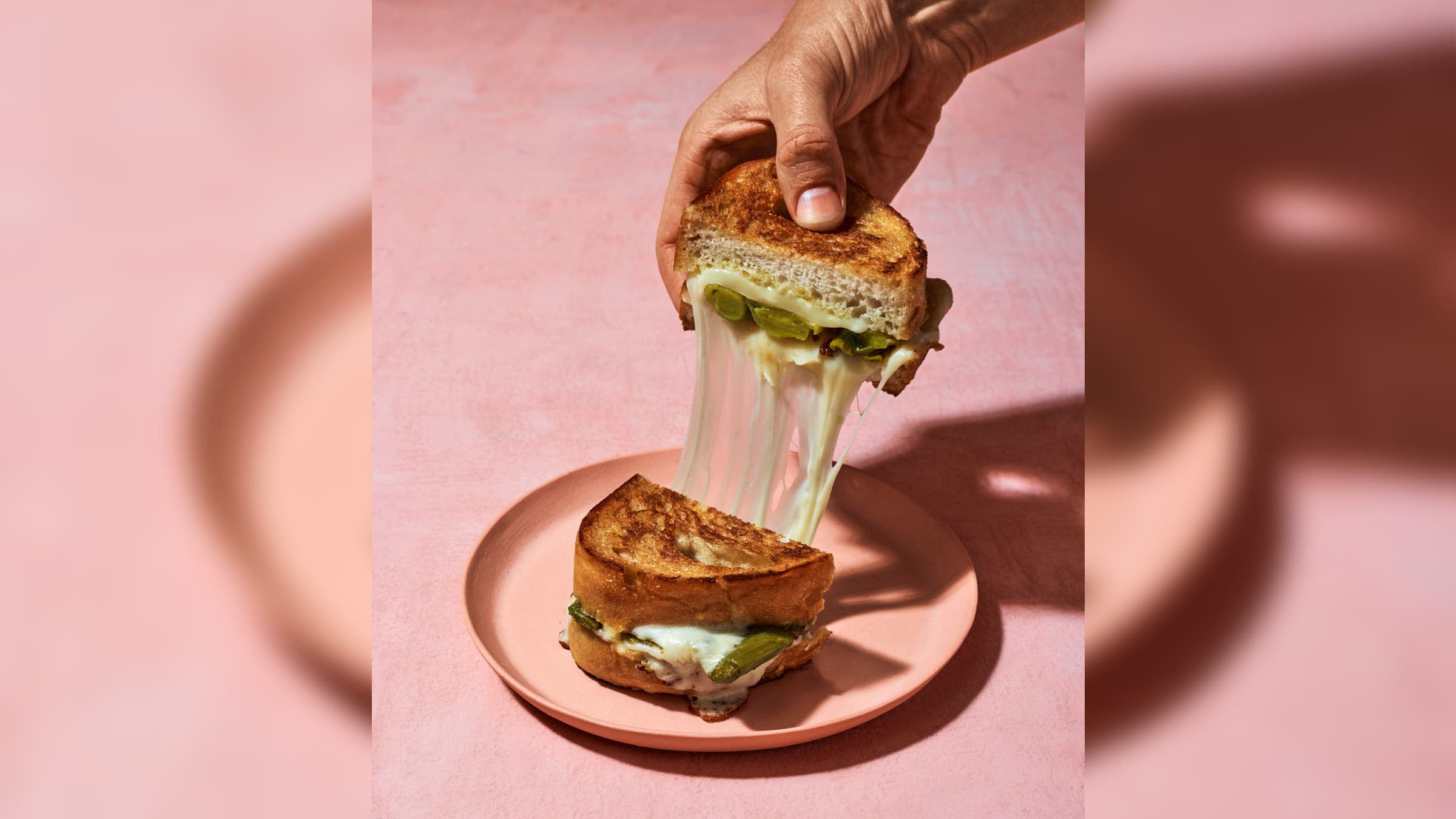
Row 7’s slender tins are portable and adorable—distinct, crucially, from the shape of can we associate with lank green beans. And the brand no doubt benefits from the cachet the format has acquired with the tinned-fish trend in recent years. But Douglas emphasizes the culinary benefits. “The format follows the function, really,” she explains. “A smaller tin size allows us more control over the cooking process. And we do think about it like cooking, not like processing. How do we best preserve flavor and texture?”
This kind of care applied to a canned vegetable may be something new in American grocery stores, but the practice of tinning certain treasured varieties during their fleeting weeks of peak ripeness has a long history in Spain (where eating fresh produce out of season might as well be illegal). I can think of no better example of this type of conserva than the “Cojonudos” White Asparagus from the Navarra-based company El Navarrico. Cojonudos translates as “awesome,” and that’s the word for these fat spears of white asparagus tinned with nothing more than water and salt. Navarran farmers tenderly mound dirt on the plants in early spring to prevent photosynthesis and the bitter vegetal edge that comes with it. The pale spears have an irresistible, nutty flavor that’s delicious straight from the can—as is the brine, infused with the essence of the vegetable and a way tastier source of electrolytes than Gatorade. (It also does wonders for a vinaigrette.)
You really shouldn’t let a drop of the brine or oil from any good conserva go to waste, if you ask Nacho Valle. When he was growing up in Valencia and working in the orange groves, “the workers were always opening tins. They have a piece of bread, they dunk the bread in the tin and they eat it.” After Valle moved to New York City, he and three Spanish friends would regularly gather over tins of fish or vegetable conservas, some bread or potato chips, and Spanish vermouth. In 2021, the four friends founded Lata (Spanish for “tin”) to sell their favorite tinned products; now they import them, too.
Lata’s online store carries the largest selection of plant-based conservas I’ve found anywhere. From Porto-Muiños, a family-owned outfit in Galicia that sustainably harvests edible seaweed, the Tapa of Piquillo Peppers with Sweet Kombu delivers an intense umami flavor to complement the sweetness of the tender red peppers. The Codium is a seaweed with a satisfying bite and a clean, briny flavor that make it a nice alternative to caviar. Lata also stocks the smoky Celery Root Whitefish from Canadian brand Seed to Surf, another plant-based product that gets a savory taste of the ocean from seaweed.
My favorite way to serve all of the above is the Spanish way, right in the tin, with potato chips for scooping. The classic Galician brand Bonilla a la Vista is the chip for that: olive-oil-fried, delicately crisp, just salty enough. The best part? They, too, come in tins.
Tinned Vegetables to Try
Porto-Muiños Tapa of Piquillo Peppers with Sweet Kombu
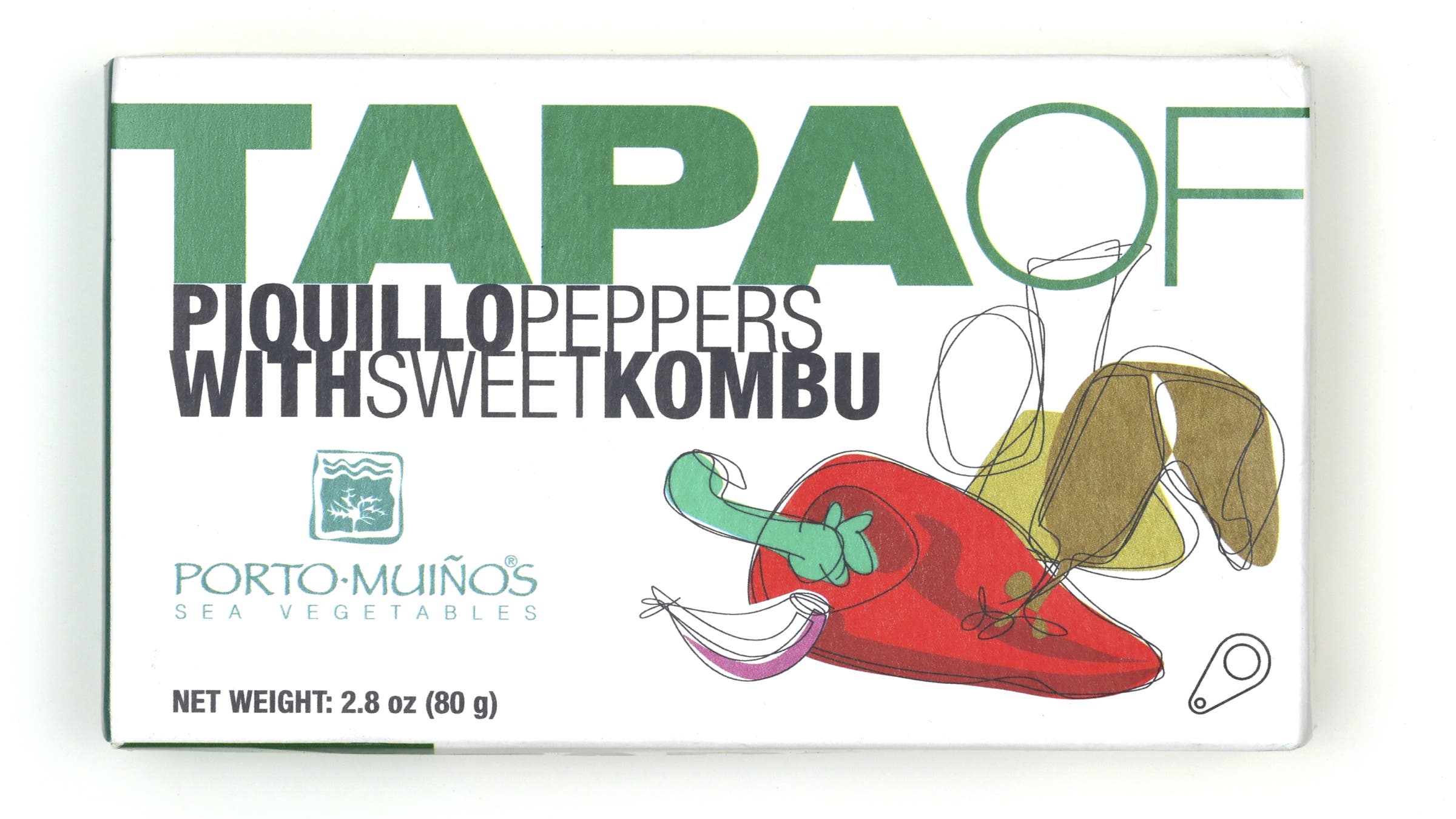
Umami from the seaweed makes a perfect pair for the pepper’s sweetness.
Porto-Muiños Codium in Brine
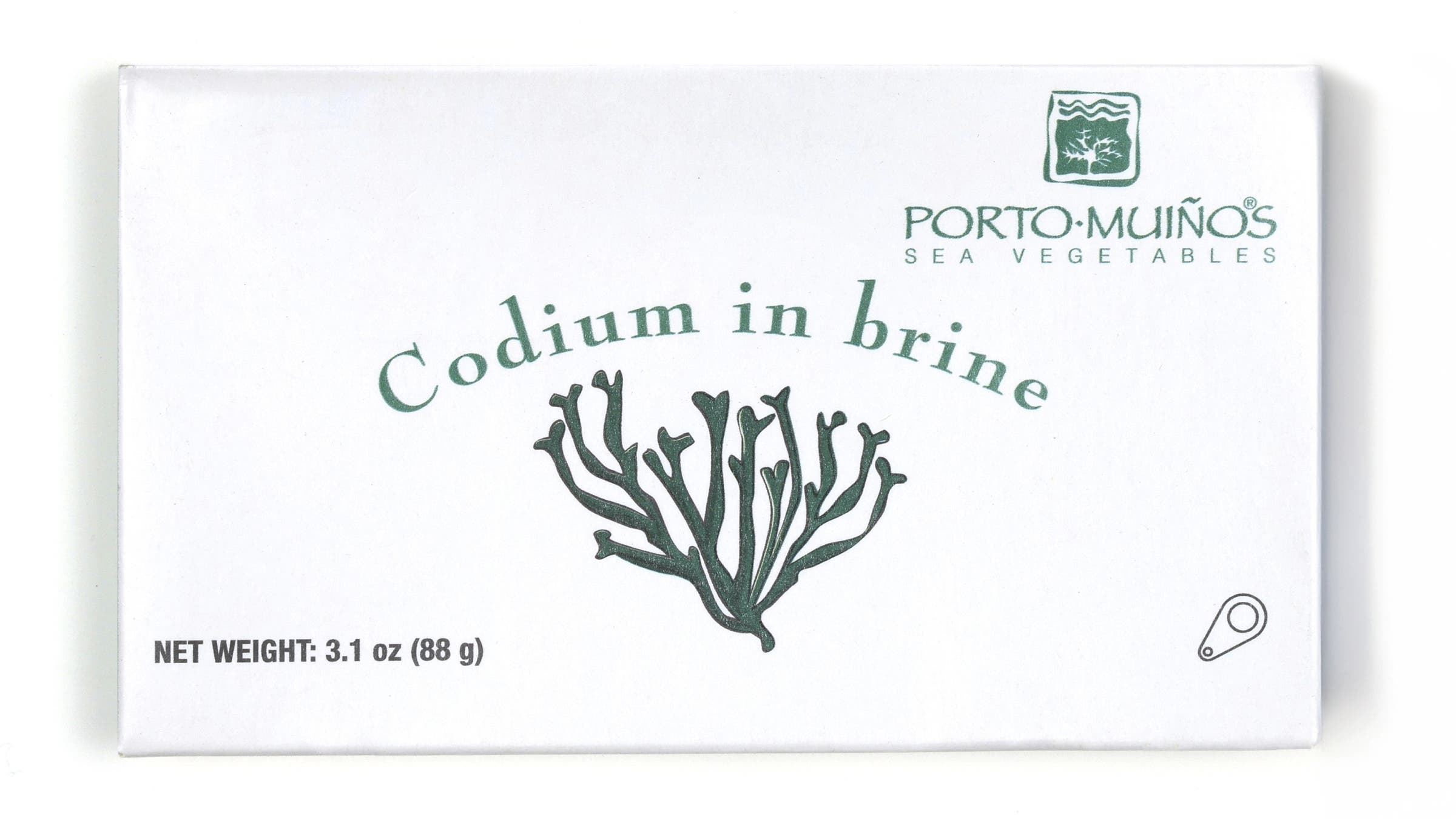
Grab potato chips and scoop right into the sustainably harvested, delicate, velvety seaweed for a briny caviar substitute.
El Navarrico Cojonudos White Asparagus
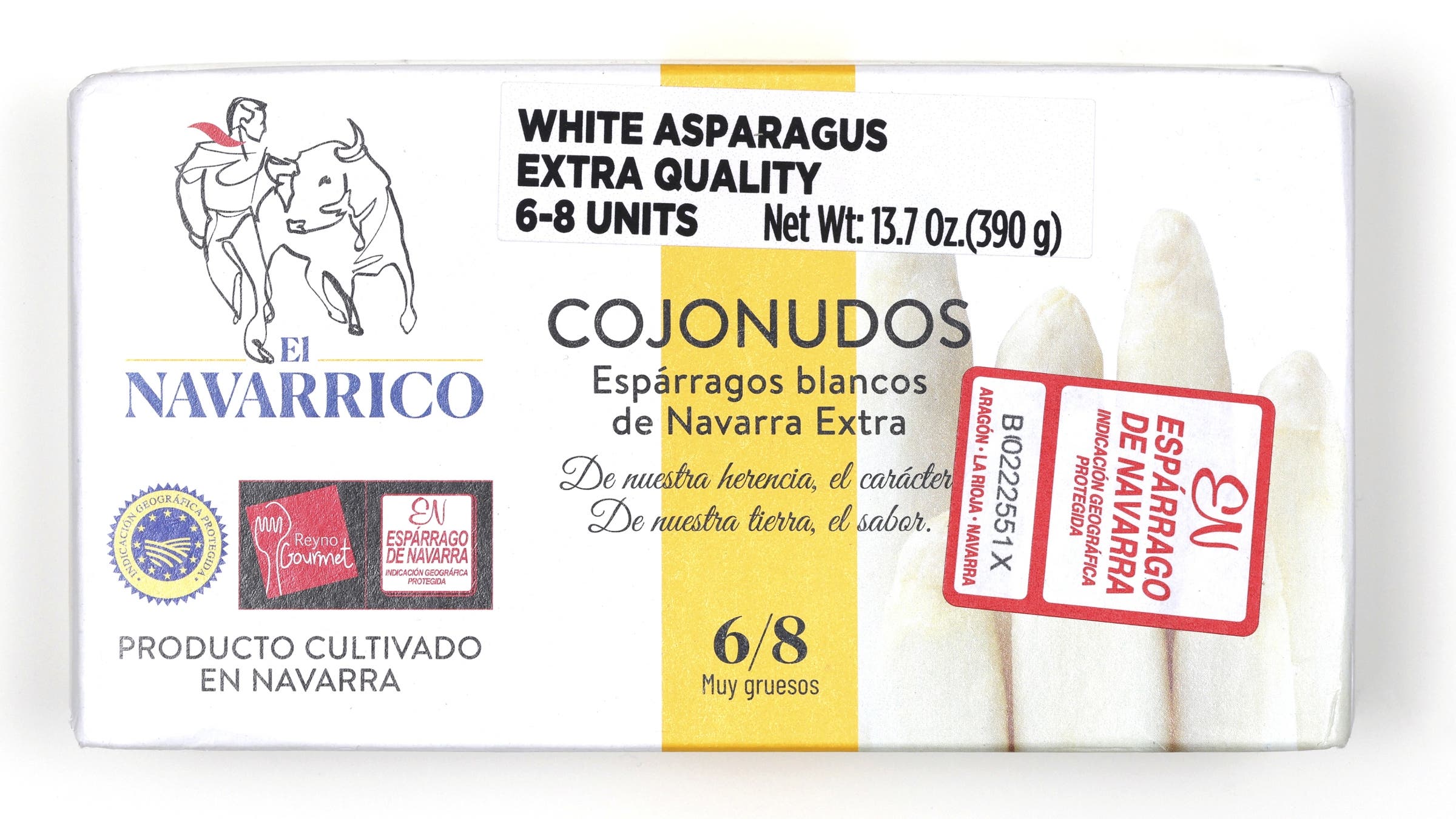
Fat, nutty spears of white asparagus grown in Navarra, Spain, packed in water and salt.
Row 7 Badger Flame Beets
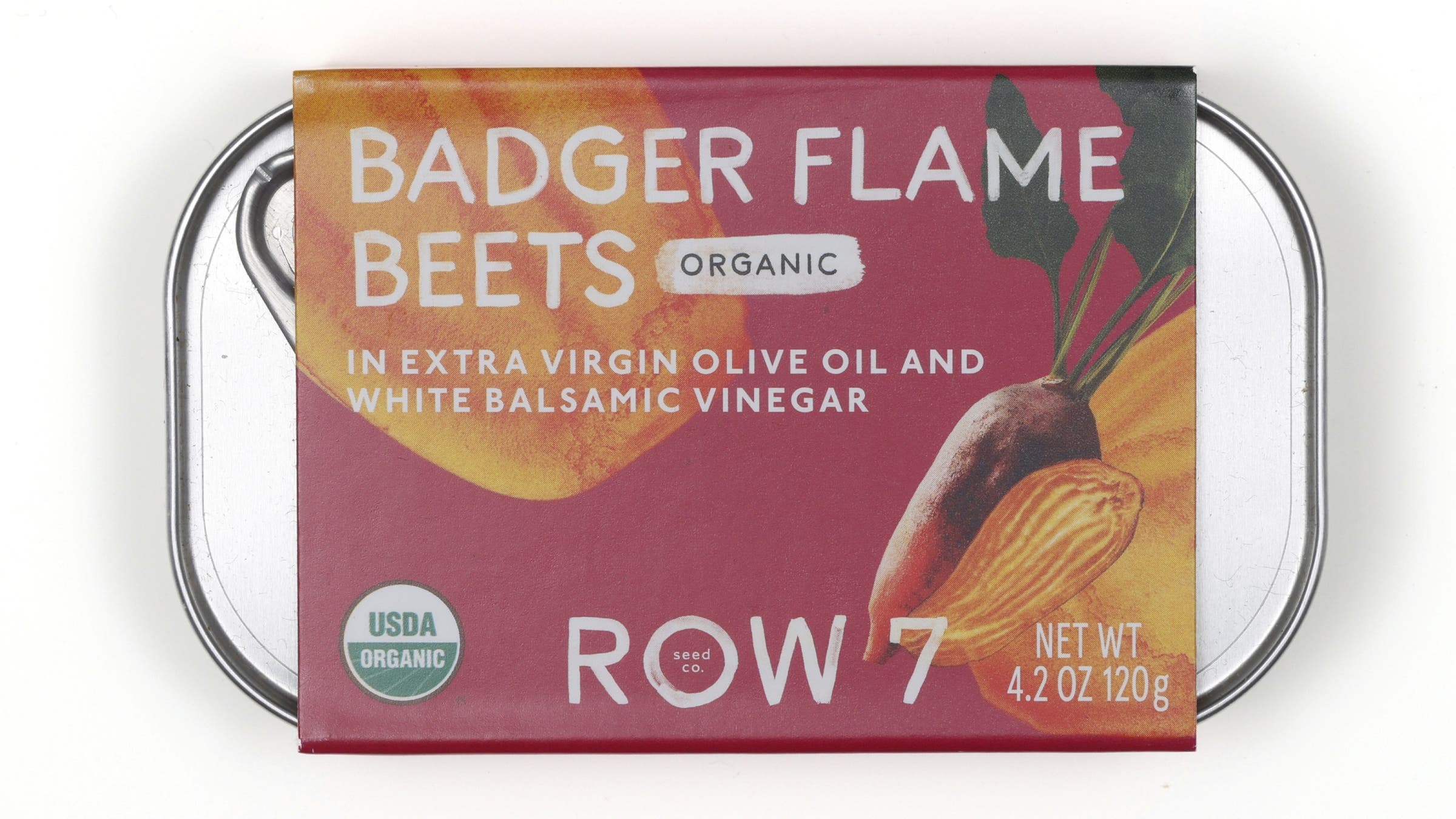
No earthy funk in these golden beets. Toss the bright cubes into salads or apps, or eat straight from the tin.
Seed to Surf Celery Root Smoked Whitefish
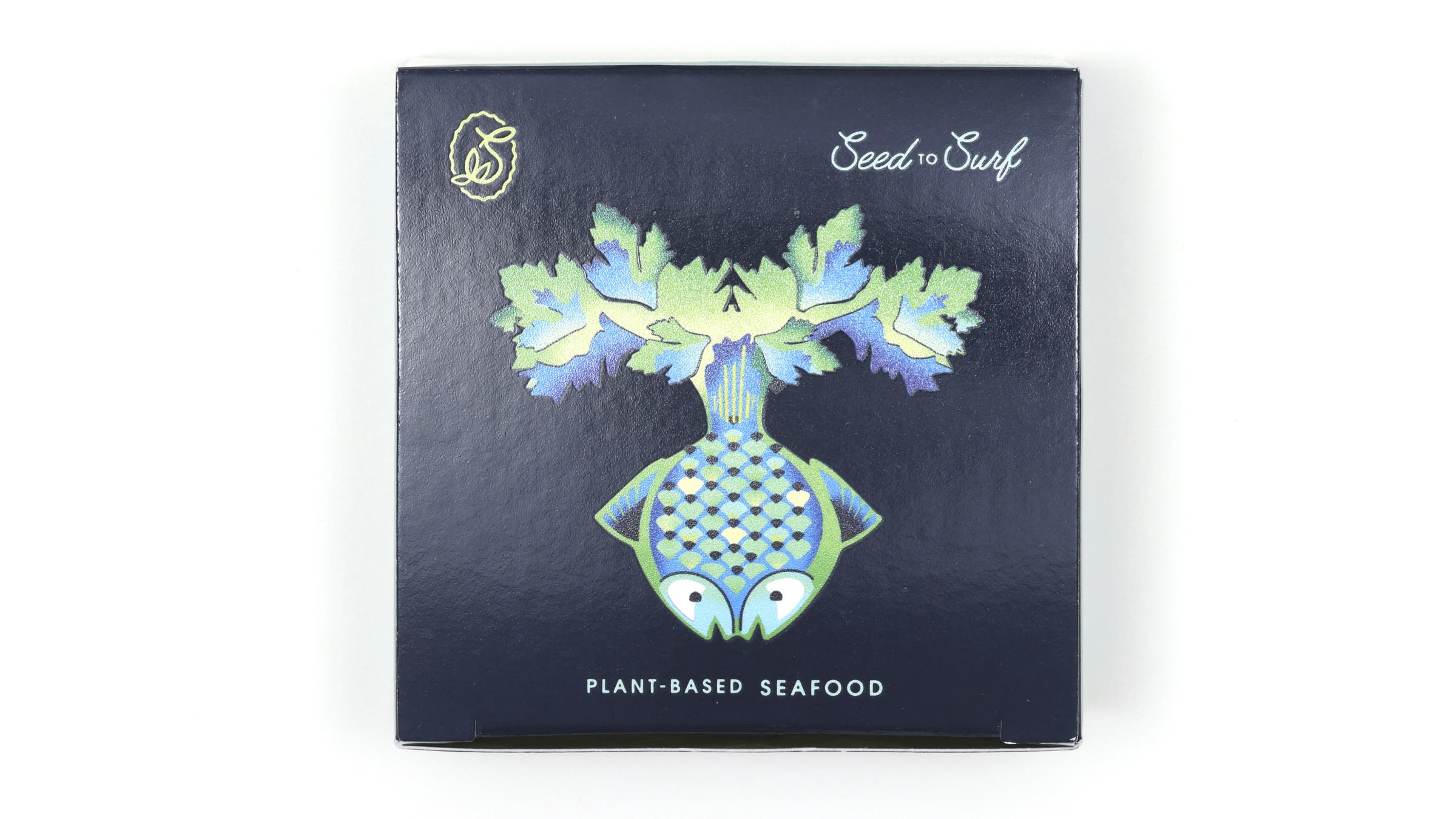
Seed to Surf has managed to make a flaky, smoky plant-based alternative to whitefish.
This article is from the Fall 2026 issue of Outside magazine. To receive the print magazine, become an Outside+ member here.
