

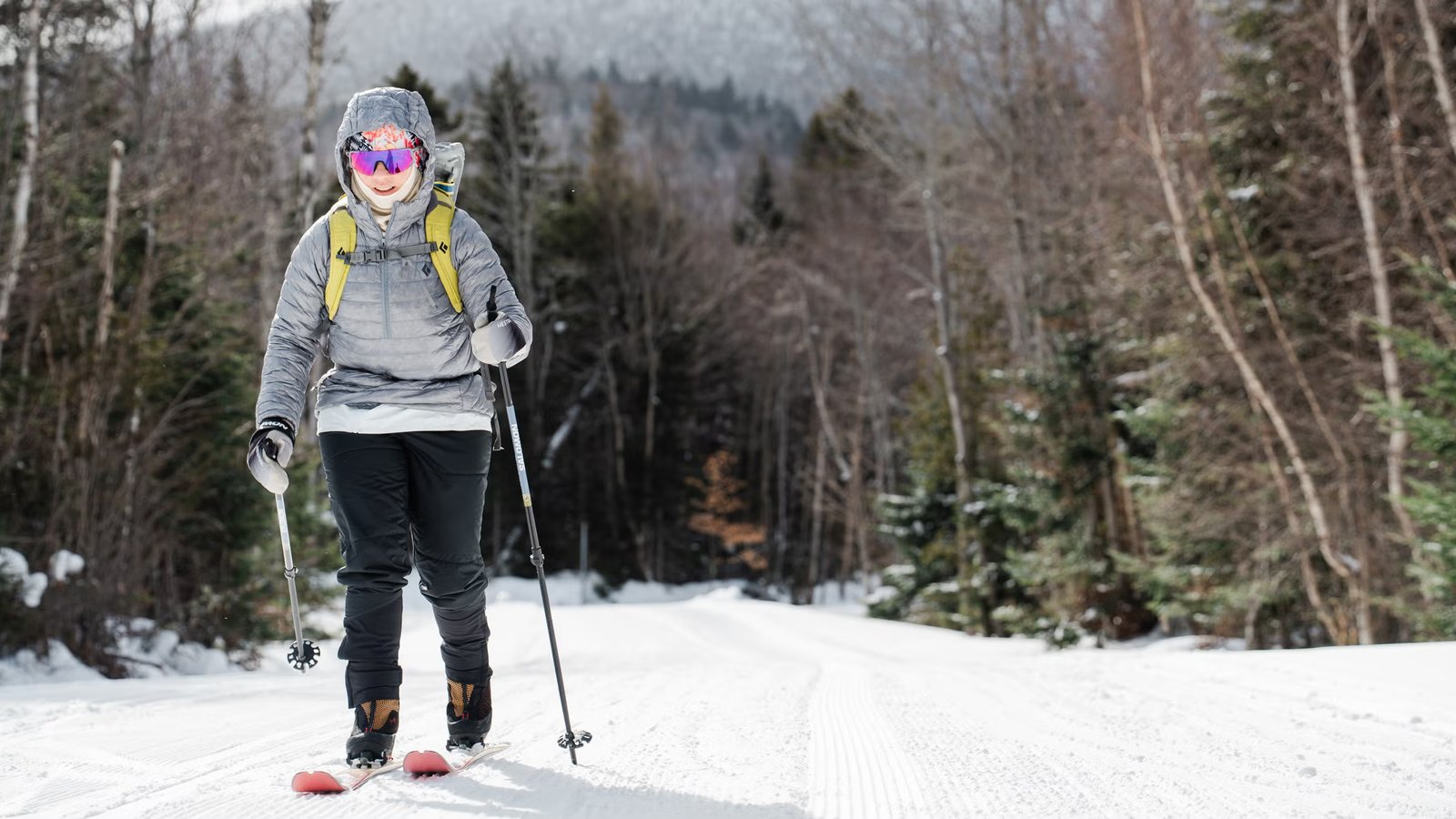
Published October 28, 2026 09:11AM
October 2026: The Best Down Jacket Overall is the Rab Mythic G Down Jacket for its top-tier warmth-to-weight ratio. For a budget-friendly option that will get the job done in less frigid climates, the Decathlon Simond Xplore Hooded Down Jacket is a solid pick.
Maximum warmth for minimal weight: That’s the value proposition of a technical down puffy jacket. For backpackers, climbers, mountaineers, and backcountry skiers, a compressible, warm puffy is an essential piece of kit.
Our testers evaluated 30 down puffy jackets that ranged in warmth, price, and feature set. They brought them to New England’s notoriously stormy summits, wore them during transitions on ski tours, and stashed them in backpacks while making miles in the backcountry. Here are the down jackets that impressed them when warmth mattered most.
The Best Down Jackets for Men and Women: At a Glance
Best Overall Down Jacket
Rab Mythic G Down Jacket
Weight: 9 oz. (women’s), 10 oz. (men’s)
Fill: 1000-fill goose down
Sizes: XS-XL (women’s), S-XXL (men’s)
Pros and Cons
+ Warm for weight
+ Light and packable
– Narrow cut
– Delicate fabric
The toastiest ultralight jacket we tested, the Mythic G doesn’t rely solely upon its 4 ounces of 1,000-fill goose down—though that did impress testers (higher fill ratings indicate warmer, loftier insulation for the weight). To boost its heat-trapping powers, the jacket uses a reflective fabric lining that works like a space blanket—but breathable and not crinkly. Placed everywhere but under the arms and over the head (two body zones that dump excess heat) the reflective lining makes this jacket warmer than the competition. Said one tester who used it ski-touring on northern Colorado’s Hahns Peak: “When a mechanical failure had us stopped for 30 minutes in 5 degree temps, this jacket kept me warm enough to stay relaxed and functioning.”
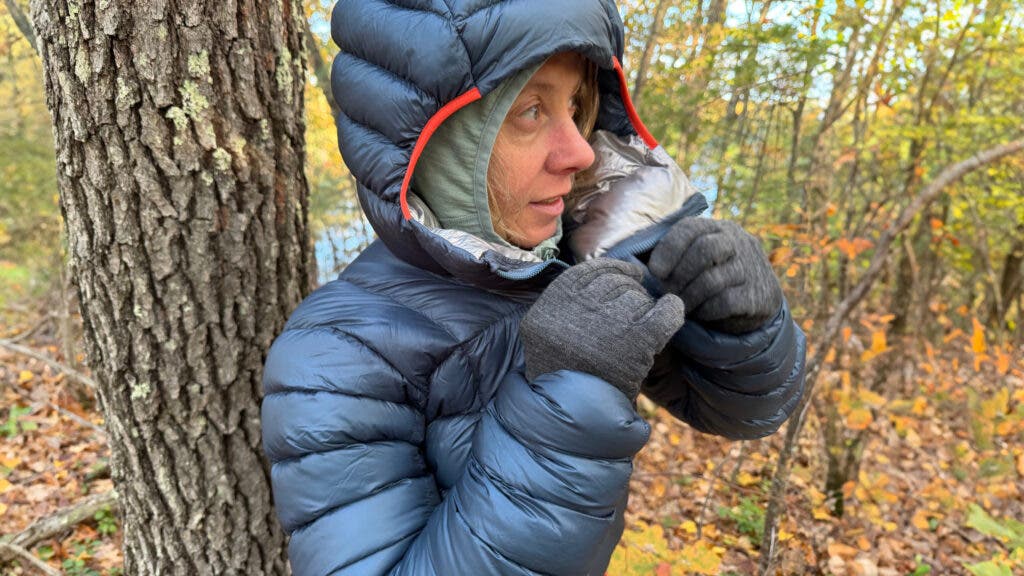
The full-coverage hood (a wire brim and elasticized edges hold it close to the face) helps seal in heat from the lips down. Two hand pockets hold a snack or smartphone. But testers report that the shell’s fluorocarbon-free DWR doesn’t repel real moisture (only brief exposure to light flurries), so to preserve the down’s insulating loft, this jacket is best worn beneath a waterproof shell during snowfall.
Between the 1,000-fill and a thin, 7-denier nylon shell and lining, the Mythic G is supremely packable, compressing down to the size of a 1-liter bottle and weighing just 10 ounces in a men’s medium. The tradeoff is abrasion resistance: Ski edges and sharp points will shred the material. One more ding? Its narrow, athletic, long-armed cut won’t fit everyone.
Best Value Down Jacket
Decathlon Simond Xplore Hooded Down Jacket
Weight: 10 oz. (women’s), 11 oz. (men’s)
Fill: 700-fill down
Sizes: XS-XXL (women’s), S-XXXL (men’s)
Pros and Cons
+ Very affordable
+ Relatively durable
– Not super warm
– Not particularly packable
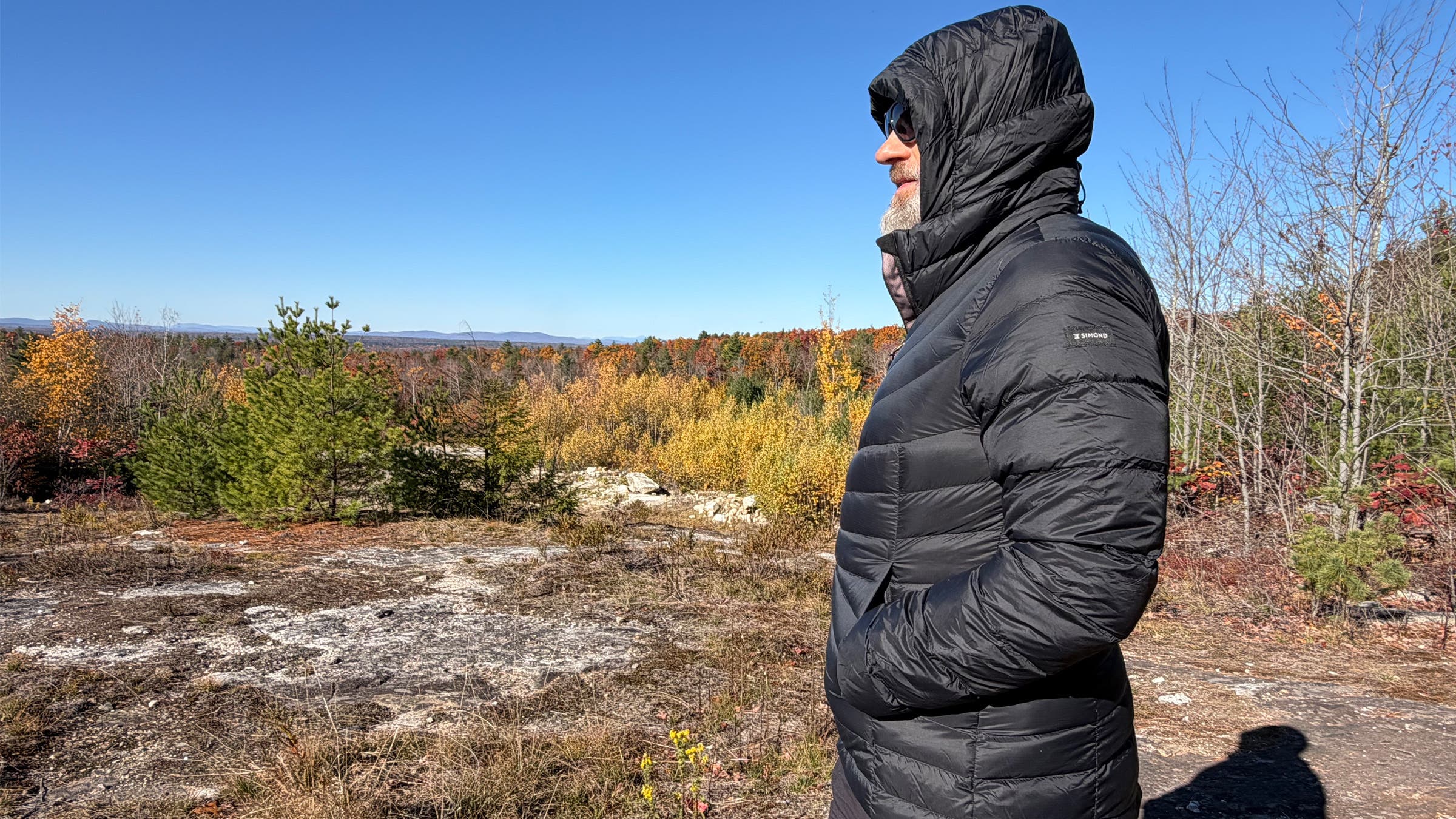
Down costs are rising, but this 700-fill down jacket remains an absolute steal at $119. After wearing it on a raw, 36-degree day with occasional flurries in Maine’s Mount Blue State Park, our lead tester deemed it a solid choice if budget is the primary concern. “It packs down to basketball size, and the fabric didn’t get shredded when my buddy’s dog jumped on me,” she said.
That 15-denier polyester shell and lining fabric also feels reasonably soft next to skin and features a PFC-free DWR that repels brief drizzle (heavier precipitation soaks through). Two enormous hand pockets hold mitts or a compact pair of climbing skins, and one interior drop pocket stashes a hat or gaiter.
But there are tradeoffs to a jacket this cheap—notably warmth. Testers don’t recommend it below 25 degrees while moving or 50 degrees while standing still. And fit is variable: The extra-roomy hood doesn’t seal in heat or stay in place effectively, and the whole jacket rides up when testers raise their arms (other jackets reviewed here use seams that allow for more mobility). But for spring tours or winter hikes in the South, this jacket performs well and doesn’t cost an arm and a leg.
Best Ultralight Down Jacket
Black Diamond Deploy Down .5 Pullover Hoody
Weight: 5 oz. (women’s), 5 oz. (men’s)
Fill: 1000-fill goose down
Sizes: XS-XL (women’s), S-XL (men’s)
Pros and Cons
+ Exceptionally light and warm
– Fragile fabric
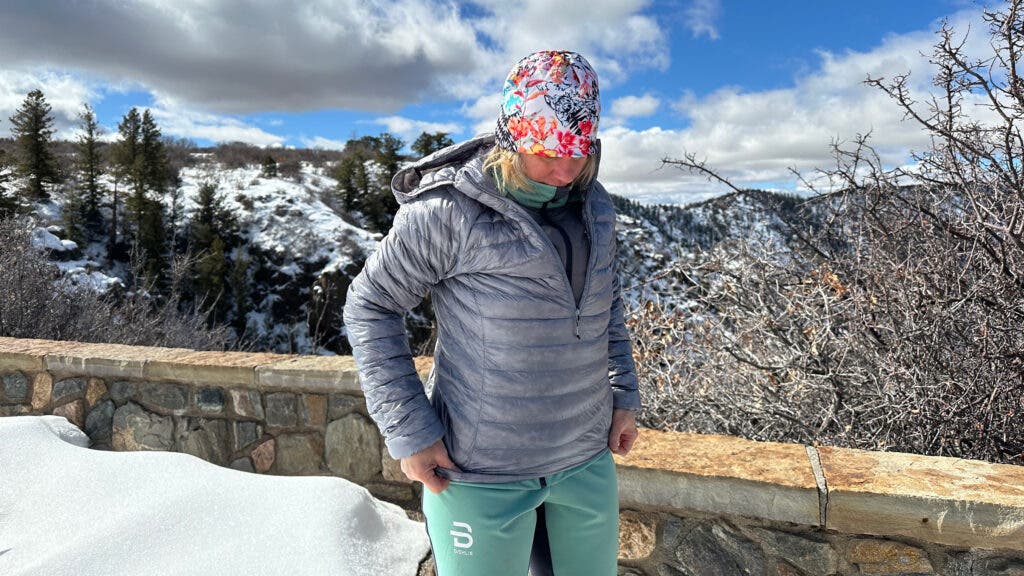
You simply won’t find a lighter, warmer emergency jacket than this 1,000-fill pullover. Weighing just 5 ounces, it’s small as a 12-ounce bike bottle when packed—yet it delivers enough warmth to keep testers outside in conditions that would otherwise call for retreat. “It saved the day on a 10-degree ski tour in Black Canyon of the Gunnison National Park, where I’d underdressed and might’ve turned hypothermic if I hadn’t stuffed this jacket in my shell pocket,” attested our category manager.
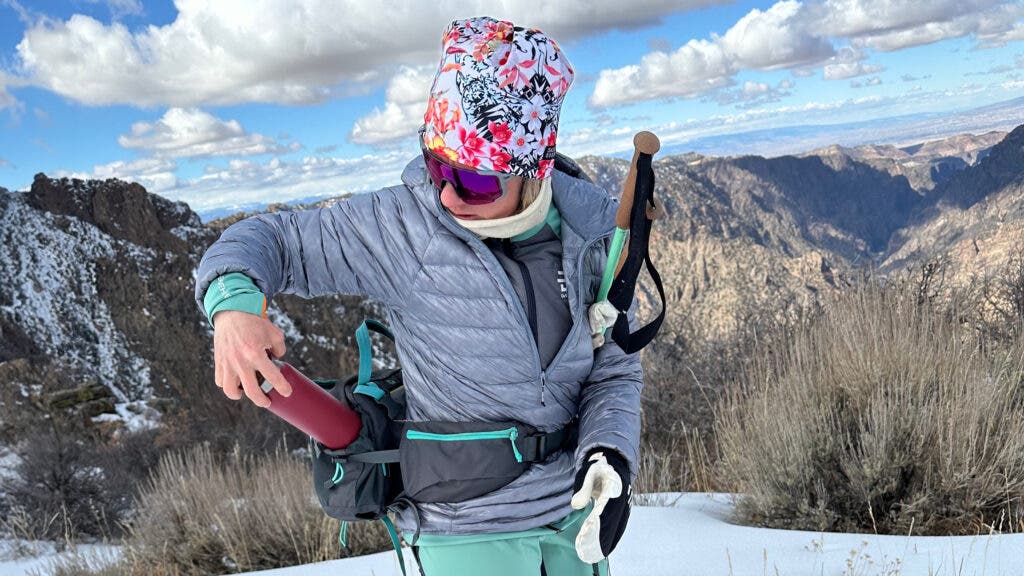
The pullover’s construction minimizes everything but the extra-lofty down: The chest-depth zipper saves weight, while the highly compressible, 4-denier nylon ripstop fabric trims extra ounces. The hood is helmet-compatible, and the sole pocket is an internal pouch that doubles as a storage sack. It’s a masterpiece of efficiency for the fast-and-light crowd, including gram-counting backpackers and ski mountaineers. Everyone else might prefer the Full-Zip Hoody, which costs $50 more, weighs an additional ounce—and provides two hand pockets.
In either iteration, testers were unanimous in recommending this jacket for missions that called for ultralight warmth. But the tissue-thin fabric begs careful use (our cautious users experienced no rips) and there’s not enough fill for extended winter weather (it contains 1.7 ounces of down compared to the Rab Mythic G’s 4.5 ounces).
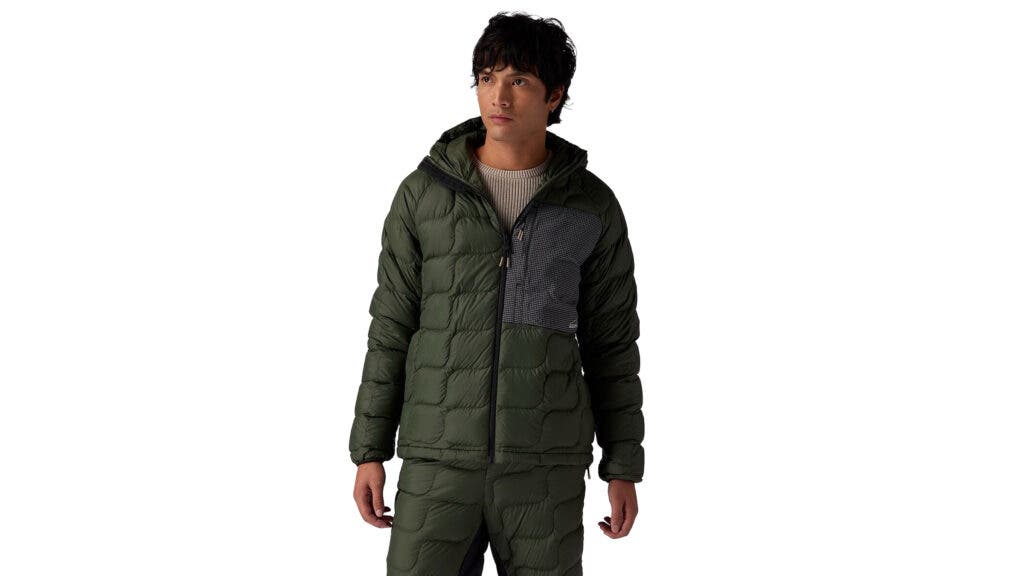
Paid Advertisement by Backcountry
Backcountry Waas ALLIED Down Hooded Jacket
This do-it-all puffy is warm enough to keep you protected from the elements and small enough to disappear into your pack when it’s not needed. Trusted by professionals (it’s worn by the 2026 Jamaica Bobsleigh and Skeleton Federation athletes) and loved by all, the jacket is fortified with RDS-certified 800-fill ALLIED goose down, packs into its own pocket, and only weighs 15 ounces. The internal dump pockets can also hold all your goggles, gloves, or extra layers and the adjustable hood seals in warmth without a helmet-specific fit. The whole jacket is designed for actual mountain use—not just its good looks.
Most Durable Down Jacket
Patagonia Durable Down Parka
Weight: 18 oz. (women’s), 21 oz. (men’s)
Fill: 800-fill RDS-certified down
Sizes: XS-XXL (women’s), S-XL (men’s)
Pros and Cons
+ Rip-resistant fabric
+ Many climbing features
– Relatively heavy
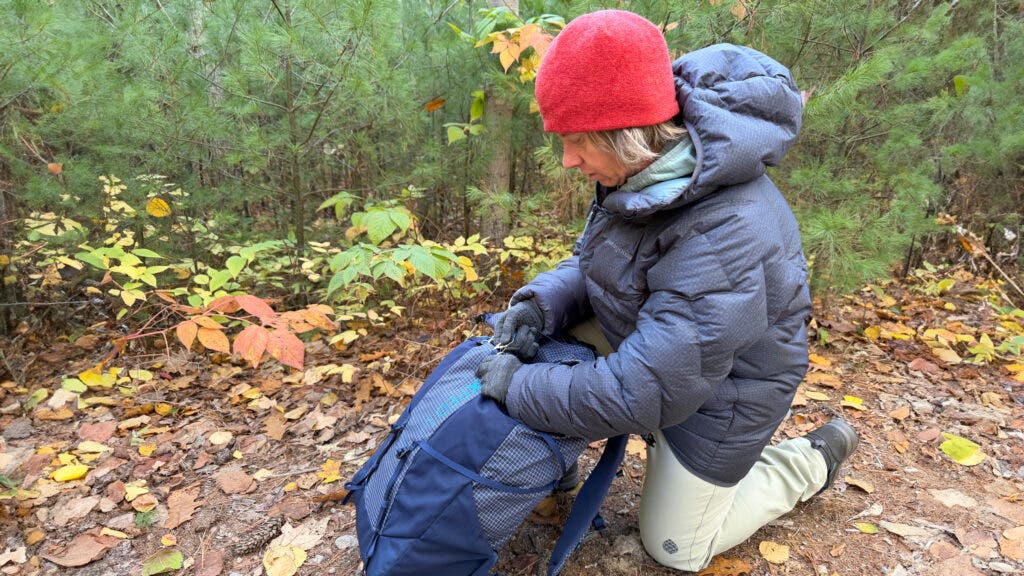
Yes, it weighs a few ounces more than most down puffies in its warmth class, but this jacket is far more robust: If you’re tired of slapping repair tape onto easily-shredded baffles, Patagonia’s Durable Down Parka might be your solution. Made with a high-tech ripstop fabric (98-percent recycled nylon and 2-percent recycled polyester) used in from Patagonia’s Workwear line, the ultra high molecular weight polyethylene blend foiled all attacks during testing. One user packed it beside a folding saw with no repercussions; another shouldered a pair of race-tuned skis and experienced no rips or scuffs.
The features are optimized for climbing, with a two-way zipper that allows access to a belay loop (also appealing to our equestrian tester, who opens the hem while on horseback) and two massive interior drop pockets that hold climbing shoes or a pair of skins. The helmet-compatible hood includes a draft collar that hugs and warms the neck. Even the fabric’s PFAS-free DWR finish proved more robust than most; it easily protected the 800-fill down from flurries. The warmth kept one tester comfortable through a 30-minute pack repair while touring in Maine’s Mahoosuc Mountains on an 18-degree day. Thanks to discontinuous baffles, compressibility is better than expected, given the burly fabric: This jacket becomes camp pillow-sized when packed.
Best Hybrid Down Jacket
Arc’teryx Cerium SV Hoody
Weight: 15 oz. (men’s), 13 oz. (women’s)
Fill: 1,000-fill goose down and 40 gsm Coreloft Silver
Sizes: XS-XXL (women’s), XS-XXL (men’s)
Pros and Cons
+ Warm in wet conditions
+ Snag-free shell fabric
– Expensive
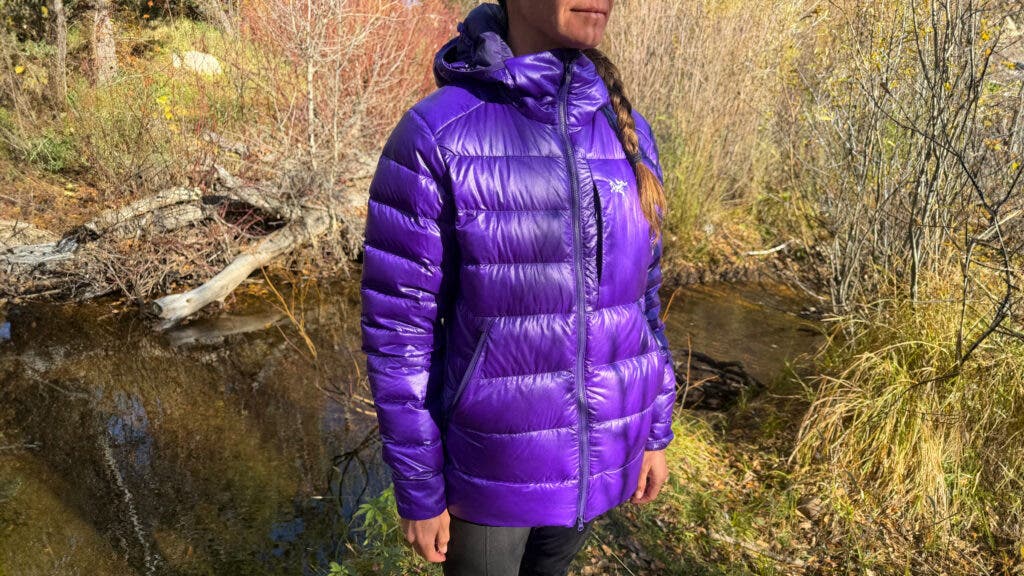
Like the Mythic G, this uber-plump insulator is stuffed with nearly four ounces of premium, 1,000-fill goose down. But unlike other jackets on this list, the Cerium SV gets a boost from recycled polyester insulation in high-moisture areas like the hood, shoulders, underarms, and cuffs. That hybrid construction makes this jacket shine in soggy weather and sweat-producing activities (where extended wear might soak goose down).
Our tester experienced both conditions as a Search and Rescue volunteer in Colorado’s Park Range, where the urgency of her missions often prevent her from making frequent layer changes. “I kept this jacket on during short bursts of effort that got me sweating, with no harm to the fill. Everything stayed lofty and very warm,” she said after multiple missions in 35- to 0-degree temps.
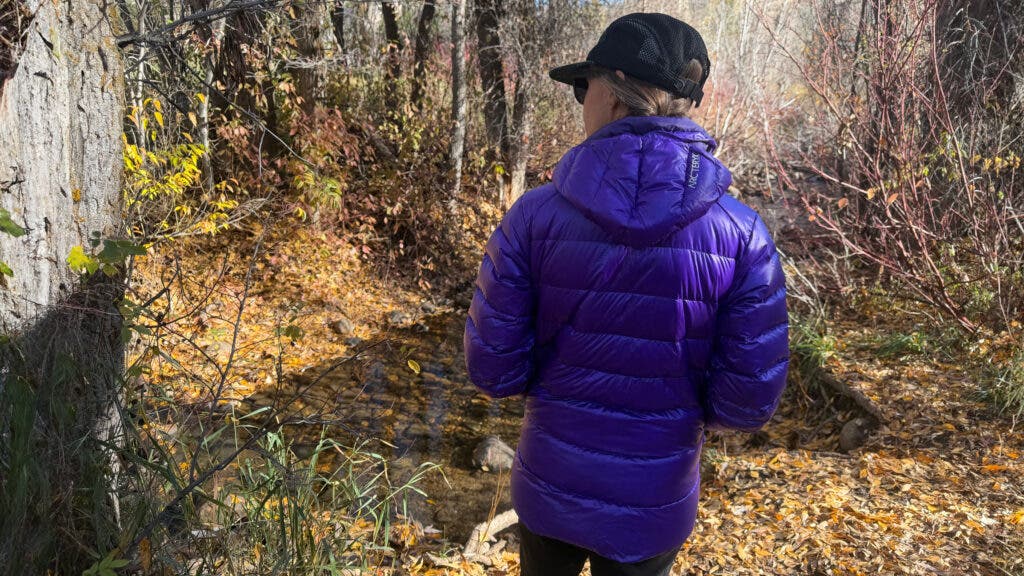
A combination of box baffles with stitch-through construction reduces cold spots. Our tester also praised the work-ready shell fabric: The 20-denier Pertex Diamond Fuse material uses a mini-ripstop weave and rhomboid-shaped filaments that lock tightly together to prevent snags and abrasion better than typical face fabrics.
Pockets are plentiful, with two for hands, one on the chest, and two interior open-topped pouches that hold a pair of mitts. The high collar on the helmet-compatible hood adeptly seals in heat around the neck. This supertoaster fulfills most items on users’ wish lists: It’s not frustratingly fragile but is impressively packable, lightweight, durable, warm. The one downside? Price.
Most Weather-Resistant Down Jacket
Outdoor Research Helium Down Hoodie
Weight: 14 oz. (women’s), 15 oz. (men’s)
Fill: 800-fill RDS certified down
Sizes: XS-4X (women’s), S-XXL (men’s)
Pros and Cons
+ Waterproof zones
+ Good value
– Heavy relative to warmth
– Not very compressible
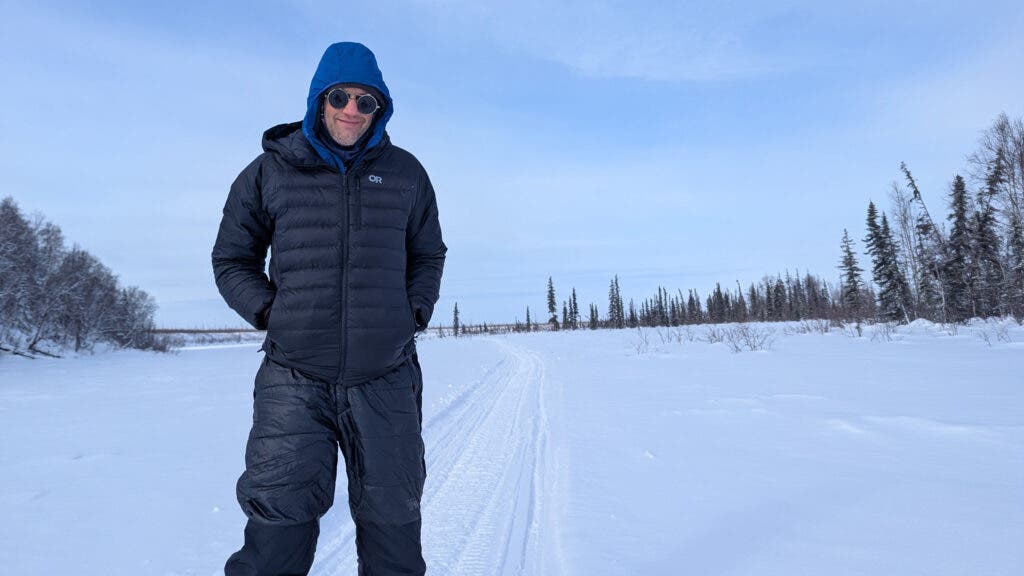
The Helium Down Hoodie thrilled our tester in Alaska, where outings often include the kind of soaking precipitation that shrivels other, less weatherproof down constructions. “It has a tough, waterproof fabric on the shoulders and arms which gives it a bit of a softshell feel and makes it a good choice for camping in snow,” he reported.
That 2.75-layer Toray Dermizax material on the shoulders and hood is not only waterproof, but also rugged—it shouldered ski edges without issue. The rest of the jacket, clad in bluesign-approved, 20-denier recycled nylon ripstop, also proved robust enough to survive standard camp chores without mishap—but it’s merely water-resistant, so testers topped it with a proper shell during sustained precipitation.
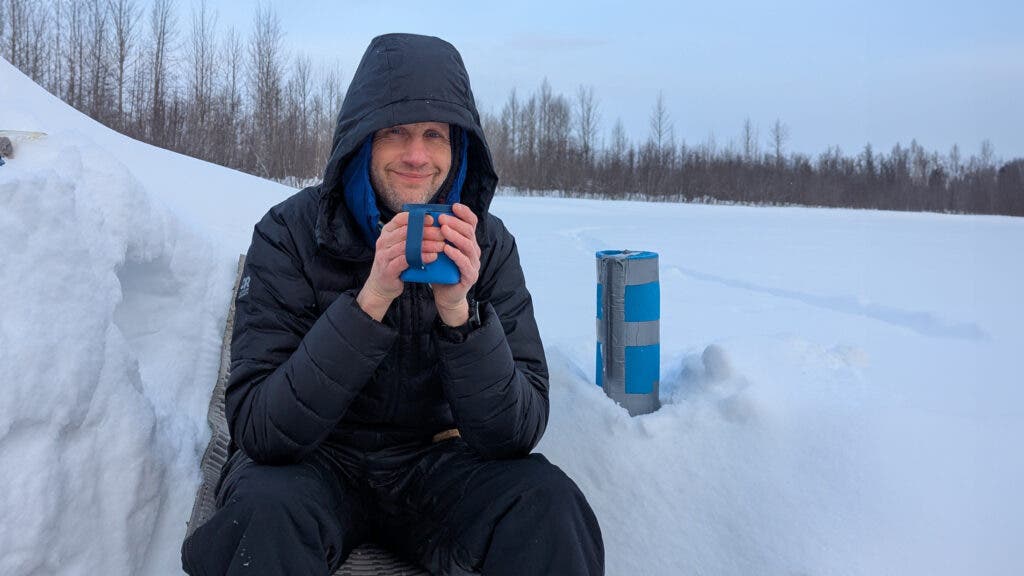
About 3 ounces of 800-fill down provides moderate warmth, keeping testers cozy below freezing while dealing with winter camping chores. Five total pockets (two hand, one chest, and two unzippered interior dump pouches) provide abundant small-item storage. “The hand pockets are lined with fleece and helpful when warming my hands after completing cold camp tasks,” added our AK tester.
Tradeoffs are compressibility (basketball-size when stored) and weight at roughly a pound in men’s size large. Yet it offers an all-around blend of durability, warmth, and weather protection—at an approachable cost.
How To Buy
Down puffy jackets vary widely in cost—yet differences between models aren’t always visually obvious. Here’s how to tell what you’re getting.
Fill Power
The magic of goose (and sometimes duck) down is the fineness of the plumes. These puffs of fluff grow beneath the birds’ quilled feathers and feature tiny filaments that are exceptionally good at trapping air. That cloud of air (not the down itself) is what makes this material an effective insulator
But those down plumes vary in their ability to hold in heat. Efficacy is measured in fill power, which compares down’s loft: Extremely fine plumes take up more air and measure higher for loft—resulting in more insulating power. What that means for jackets: Four ounces of 700-fill down won’t keep you as warm as four ounces of 800- or 1,000-fill down, but those premium products are less abundant: They’re only found on the oldest geese. So yes, they cost more. If you want the most possible warmth for the least possible garment weight, you’ll want to prioritize the higher fill products.
Climate
Down only works when it’s dry. Synthetic insulations maintain their loft when wet, but soaked plumes collapse into clumps and lose the air-trapping structure that keeps wearers warm. Some jackets build in weather protection for their down, ranging from DWR fabric finishes to waterproof down treatments that resist moisture. When shopping, consider the moisture levels for your intended activity and geographic location: Residents of the relatively dry Rocky Mountains typically encounter snow with low moisture content; adventurers on the West Coast often deal with soaking slush.
Warmth, Durability, and Weight
Consider activity. Your Goldilocks solution depends largely on how much you’ll move in your down jacket and how abrasive its environment will be. Using sharp tools? Look for armored fabrics. As for warmth, more isn’t always better: The loftiest jackets are great for periods of inactivity through the coldest winter temperatures. But their bulk makes them trickier to layer beneath a shell (which should be generously sized to accommodate an uber-puff) and their warmth can be overkill for mild conditions or even light activity (sweat can moisten the down and render it ineffective as an insulator).
How We Test
- Number of testers: 18
- Number of products tested: 31
- Tester Age Range: 15-71
- States Represented: 8 (California, Colorado, Wyoming, Idaho, Minnesota, New Hampshire, Alaska, Maine)
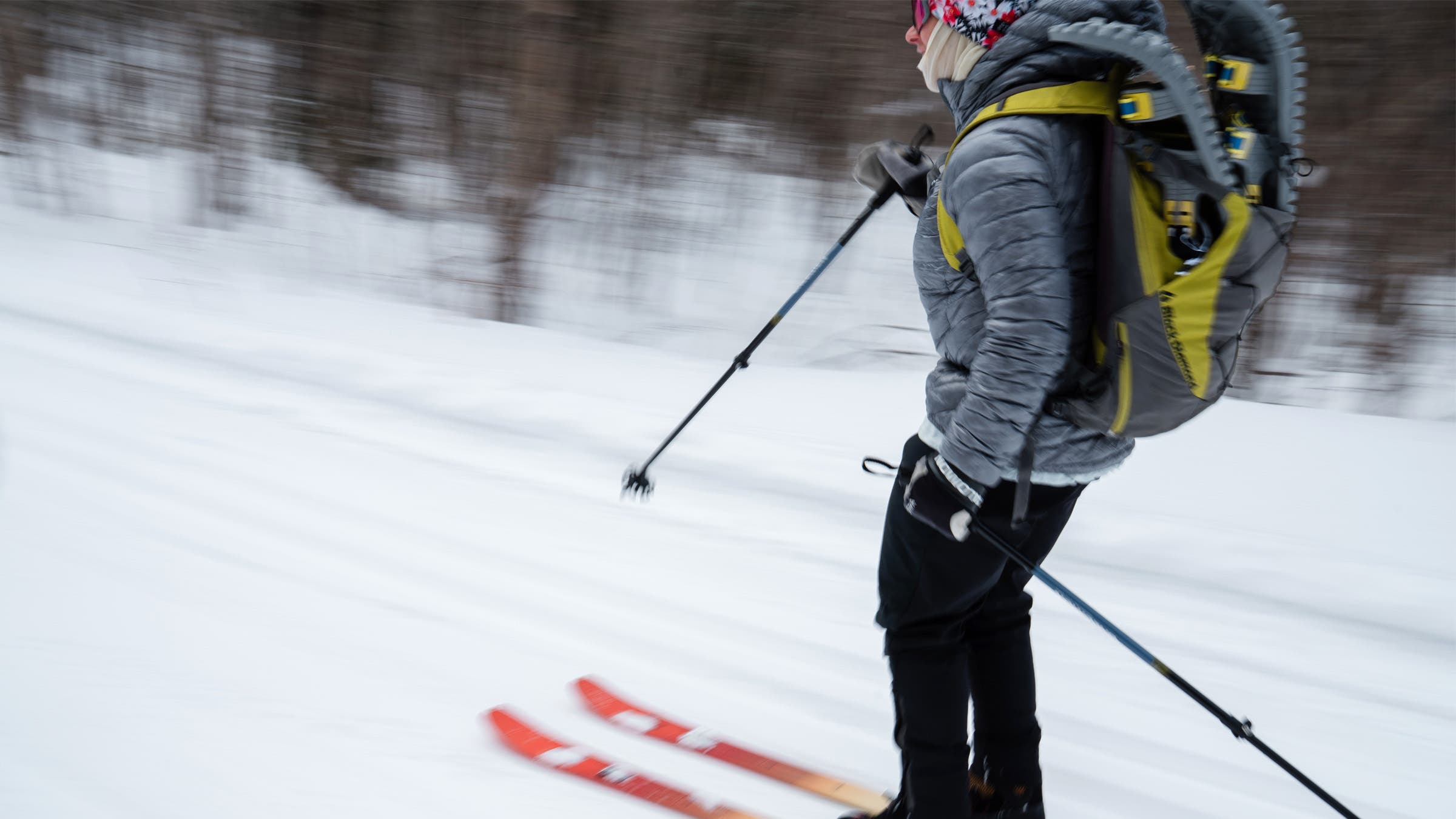
Testing down jackets might seem like easy duty, if it’s all about sitting around feeling cozy. But our testers didn’t take the easy route: Our adventurers tested their limits—and the jackets—in challenging weather conditions that rarely guaranteed comfort. These situations presented real challenges to moisture-phobic insulation and fragile fabric.
The SAR volunteer on our test roster didn’t have the luxury of coddling her test jacket while on rescue missions. Our Alaska tester couldn’t be certain he’d experience the kind of dry weather that down loves best. And our gal in Minnesota reliably found the single-digit temperatures that separate great insulators from lookalikes.
Meet Our Lead Tester
Kelly Bastone moved to the Colorado Rockies in 1998 and has pursued outdoor sports ever since. A freelancer who writes about gear and other outdoor topics for publications such as Backpacker, AFAR, and The Red Bulletin, Bastone has contributed many gear reviews to Outside over the years. An avid skier (resort, Nordic and backcountry), fly-fisher, mountain biker and mushroom forager, she gets the news she needs from the weather report.
