

Key Takeaways
- Leopold wanted to build a regenerative cookie brand with a taste that appeals to consumers.
- She raised about $700,000 to get Joy Supply off the ground earlier this year.
- The business drew rapid inbound interest and is expanding its retail presence.
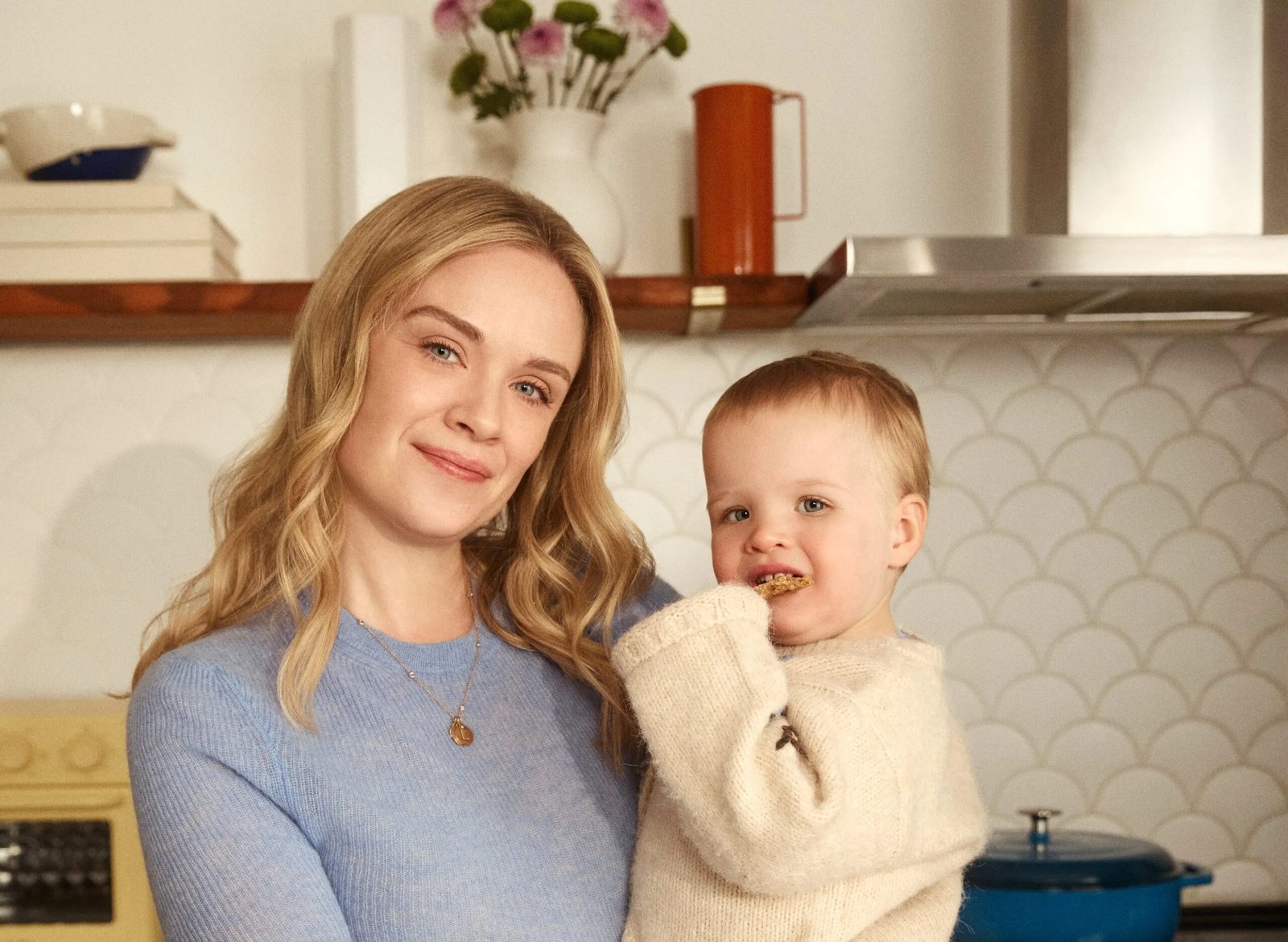
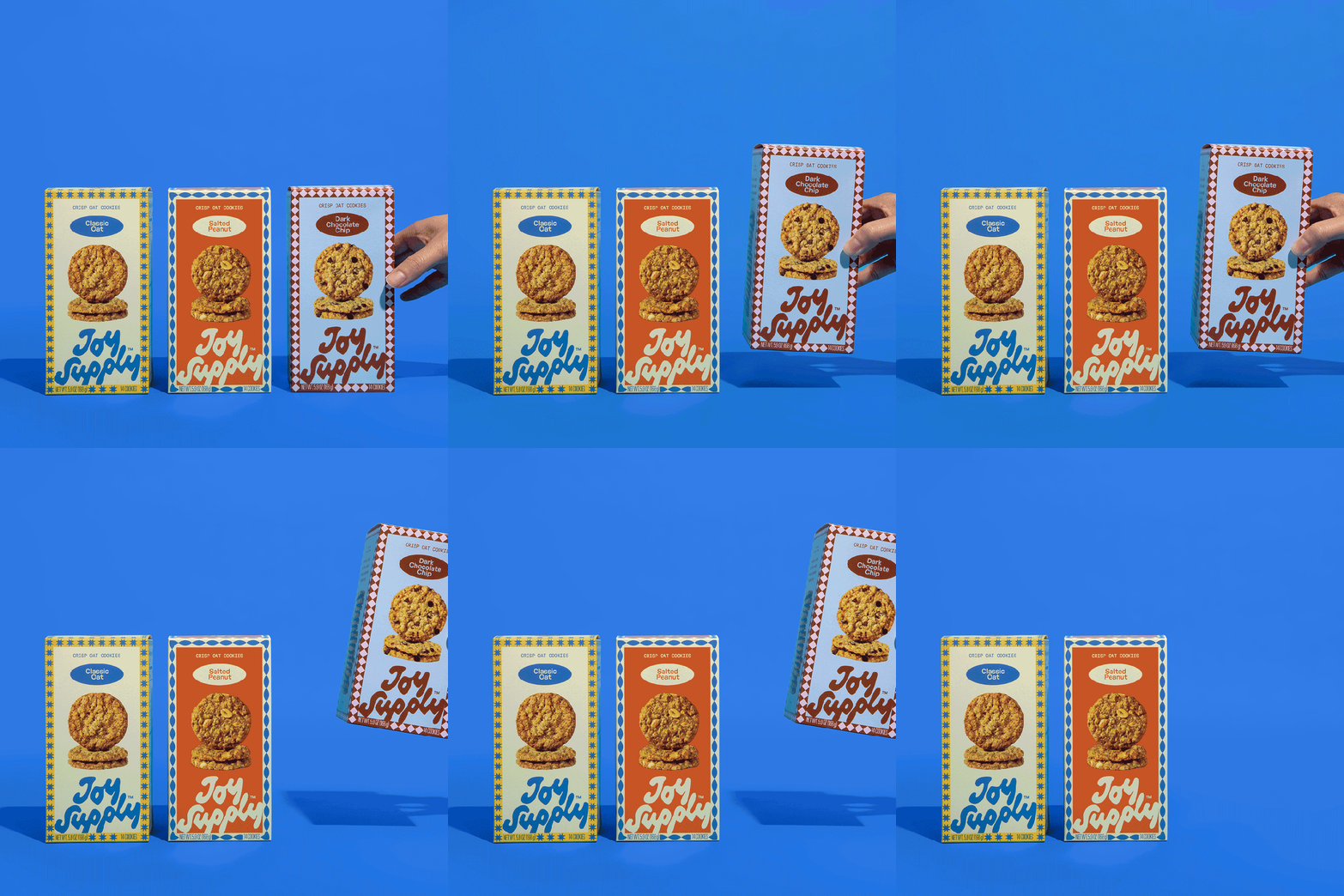
This as-told-to story is based on a conversation with Lindsay Leopold, founder of Brooklyn, New York-based crispy oat cookie brand Joy Supply, which uses regeneratively farmed U.S. ingredients. Joy Supply launched in May 2026 and did about $20,000 in pre-launch sales in month one. Currently, the brand is available at Nordstrom’s holiday market, Westside Market, Big Night and additional select grocery stores in the New York City area. The piece has been edited for length and clarity.
I’ve built a career in food over the past 12-plus years. I worked in restaurant kitchens in New York and in food media test kitchens. I’ve done a lot of product development for national brands and meal kits like Home Chef and Sakara Life. At this point, I’ve developed over 100 SKUs in different categories. So I’ve seen a lot of different things come to life, and I’ve always loved that process.
But I was seeing this sameness happen. Even though it feels like we’ve never had more brands and products, the bar is pretty low for entering, thanks to AI and all these online resources. More people are able to be entrepreneurs, which is amazing. But at the same time, there is a lot of sameness as a result of that.
Burning out on product development before a new idea
So I was feeling a little burnt-out on product development. Then I became a mom. Because I have a culinary background, I always cooked everything for myself. I always baked everything. I was rarely the person who was buying any center aisle foods. But becoming a mom changed everything. Obviously, I didn’t have time to do that anymore. So I wanted to get my daughter a snack and realized there wasn’t just a traditional, nostalgic home-style cookie on the shelf. And I started thinking, Why can’t we have that? Why do the options have to be either ultra-processed or super healthful?
I had the idea in April 2025. I was taking a couple months after leaving Sakara to figure out what I wanted to do next, and I thought that I wanted to get into sustainable agriculture or ag tech. A friend who invests in sustainable agriculture said they were betting big on regenerative. That was the light bulb for me to say, Well, I can make this Trojan horse product that’s super delicious and just so happens to use these better ingredients so that the more cookies we sell, the more acres we can grow in a more sustainable way. So that has been my internal mission to keep me going.
Balancing a personal mission with consumer demand
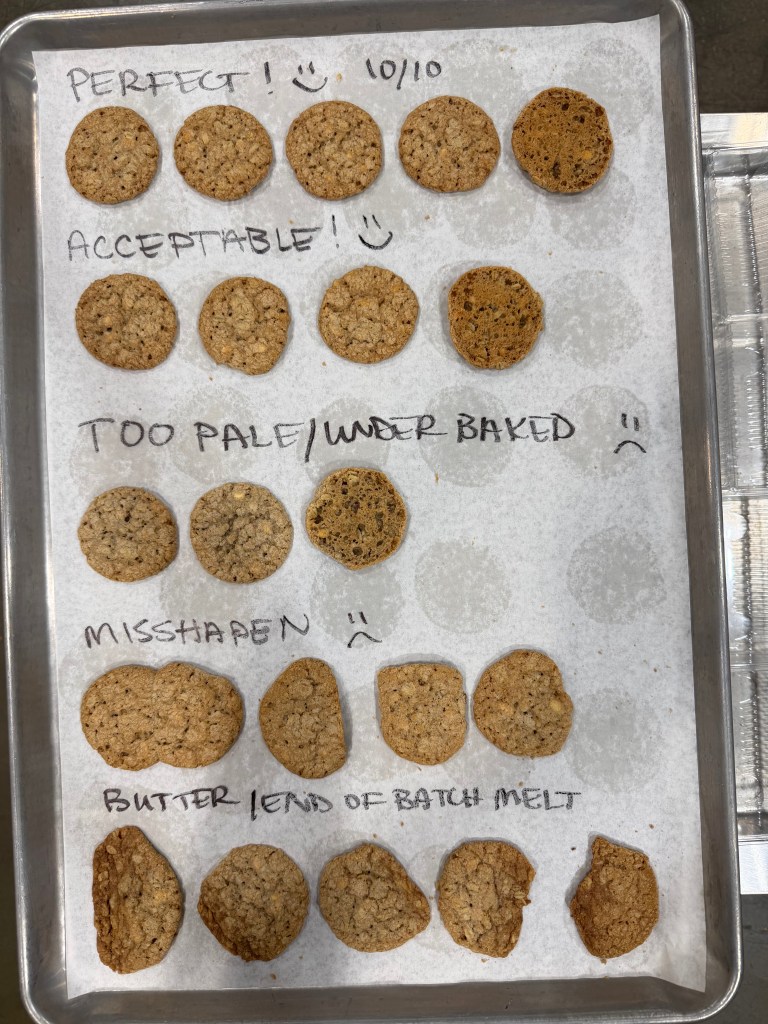
But that’s definitely a hard sell. When people are eating cookies, they just want to enjoy them and not be preached at. Over time, I’ve had to balance my own personal mission with what people want to see when they’re eating a delicious cookie. Because I’ve been in the food industry for a long time, I have run the product development process many times. I knew how to set up my timeline and how many weeks each step might take. I was really ambitious because I was used to working for companies with more resources. Initially, the goal was to launch by the holidays 2025, but that wasn’t possible. We launched about a year later in May 2026.
I did raise money because I wanted to move quickly. We raised about $200,000 from friends and family to launch in May. We did about $20,000 in pre-launch sales in month one. Then, over the summer, we raised about an additional $250,000, and after that another $450,000, with funds from the first institutional investor, Sling Ventures. So in total, we raised about $700,000.
The challenge of partnering with the right manufacturer
Finding the right manufacturing partner has been one of the biggest challenges. I found my first co-manufacturer close to New York City. I did a nationwide search, but I liked the idea of working with someone in my backyard. The partner was very capable of producing high-quality products, but as I got closer to our launch date, I realized I was having to do a lot of the legwork: ordering my own ingredients and doing a lot of training on the floor because they were short-staffed. Ultimately, I got the sense that they didn’t want to take on a new client. They were more interested in doing the R&D and capitalizing on that.
So then I went on Keychain and found a new co-packer in Massachusetts. They’ve been great because they’re very small. They produce high-quality products, are organic certified, and they’re really buttoned up in terms of their operations. But they are small and expensive. So now I’m at this inflection point again. We’re moving out of specialty retail, and this all happened very quickly since we just launched. Now we’re targeting supermarkets. To do that, we have to lower the price point, and I wouldn’t have the margins to make it work. I’m producing about 10,000 boxes per run now. We’re doing that once a month, and it’s taking the manufacturer a week. If we 4X our production, then suddenly we’re their only client, and that feels problematic.
So I’m starting the search again. But it’s difficult. It’s an interesting industry because it’s so old-school, and they don’t do a good job of advertising themselves. These are manufacturers that are used to working on the floor and creating products. So a lot of it is word-of-mouth. I’ve been asking industry contacts and people who have worked with me before. Also, a lot of facilities have gone completely gluten-free or very allergen-friendly, which is amazing for those products. But it’s been interesting to see how hard it is to find someone who will work with all of our ingredients.
A Bon Appétit Pantry Awards leads to inbound interest
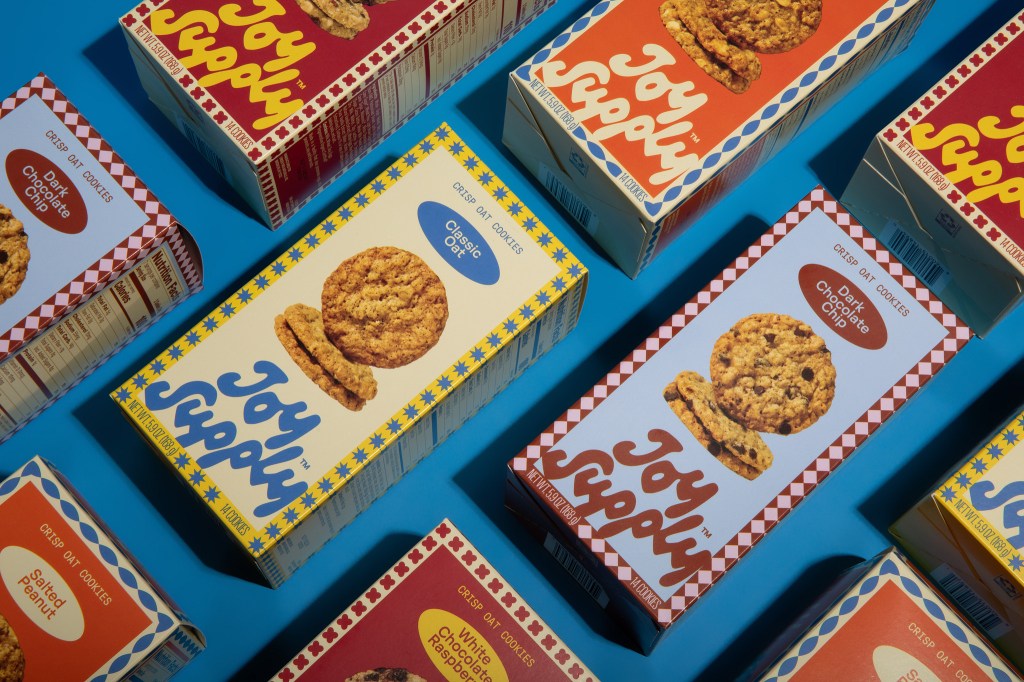
When it comes to retail, we haven’t had to do a lot of outreach. But we were very lucky to win a Bon Appétit Pantry Award. The publication featured us online in June as one of their favorite new snacks, and that caught the eye of a big box retailer and Nordstrom. Then when we won this award in September, that led to more inbound interest. We’re launching in Central Market Q1 next year. So that’s our first more traditional supermarket chain, and I’m very excited to get more data from that.
I’m a solopreneur and I have a couple of fractional people, but I’m still the only full-time employee. So I’ve had to think through my sales strategy. We were hitting new retail accounts fairly hard, but in our little specialty boutique way, over the summer. And Q4 for me is going to be more of a D2C focus. Ahead of the holidays, I’m planning a really nice gift box with three flavors that we’re going to be launching with a bow for a beautiful gifting experience. I haven’t really promoted the website very much at all because of my vision for a mass market grocery store brand. But obviously you have to be everywhere and do both of those things. So I’m excited to see how these digital efforts go. Then Q1 2027 will be focused on our next wave of retail partners.
I keep thinking about how the food world is so small and networking is so important. Networking feels like one of those softer skills that in the past I might have laughed off or not taken that seriously. But the more I lean into my network, the more opportunities come up. So I’d encourage entrepreneurs breaking into the food space to say yes to things, take the call and be open to speaking with other founders. It’s a bit of a karmic relationship: More doors have opened to me as I’ve gotten more involved with the CPG community.
Looking forward, I’m excited to get Joy Supply into more people’s hands. For me, it’s not even about seeing the product on the shelf. It’s all about that moment when you get to share the cookies with someone else, or maybe you’ve had a bad day and you just want to crush a box in front of your TV. Or when I get a text from someone at midnight being like, “Oh my gosh, what do you put in these cookies? They’re so good.” That’s the little reminder I need — that this isn’t just a business and a product. It’s a cookie that someone’s actually eating and enjoying.
Key Takeaways
- Leopold wanted to build a regenerative cookie brand with a taste that appeals to consumers.
- She raised about $700,000 to get Joy Supply off the ground earlier this year.
- The business drew rapid inbound interest and is expanding its retail presence.
This as-told-to story is based on a conversation with Lindsay Leopold, founder of Brooklyn, New York-based crispy oat cookie brand Joy Supply, which uses regeneratively farmed U.S. ingredients. Joy Supply launched in May 2026 and did about $20,000 in pre-launch sales in month one. Currently, the brand is available at Nordstrom’s holiday market, Westside Market, Big Night and additional select grocery stores in the New York City area. The piece has been edited for length and clarity.
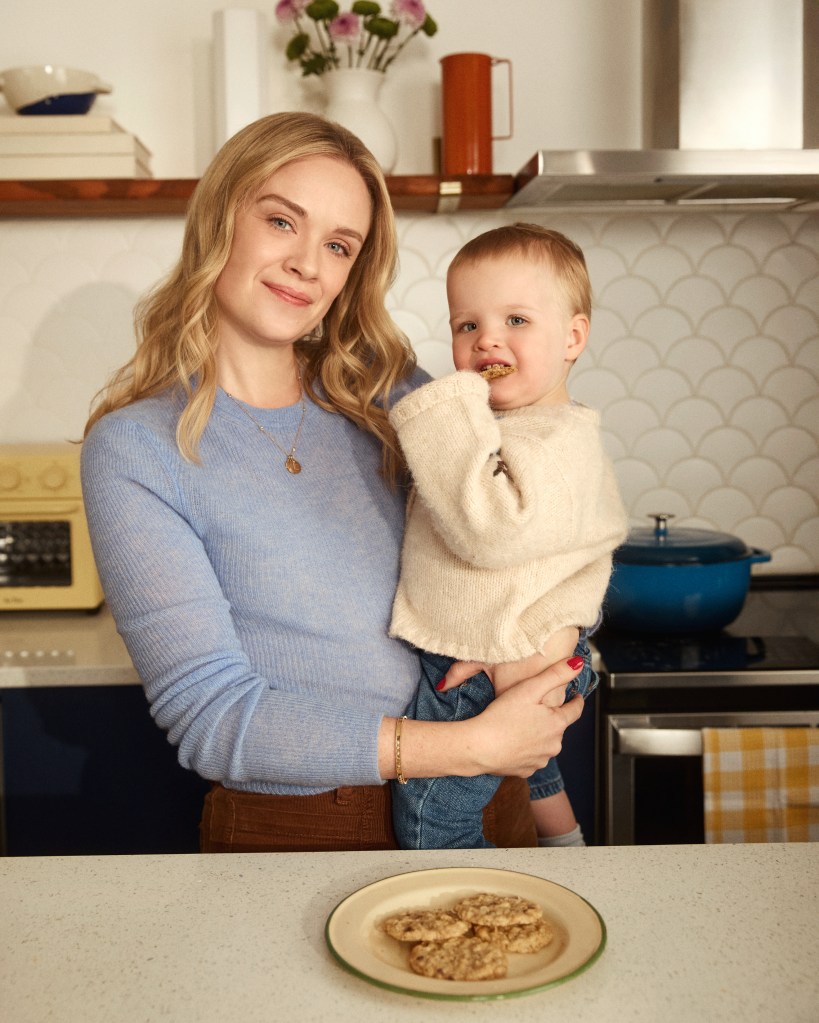
I’ve built a career in food over the past 12-plus years. I worked in restaurant kitchens in New York and in food media test kitchens. I’ve done a lot of product development for national brands and meal kits like Home Chef and Sakara Life. At this point, I’ve developed over 100 SKUs in different categories. So I’ve seen a lot of different things come to life, and I’ve always loved that process.
But I was seeing this sameness happen. Even though it feels like we’ve never had more brands and products, the bar is pretty low for entering, thanks to AI and all these online resources. More people are able to be entrepreneurs, which is amazing. But at the same time, there is a lot of sameness as a result of that.
