

Key Takeaways
- GoDaddy CEO Aman Bhutani says he won’t read work he believes was written by AI.
- Employees can use AI to clarify unfamiliar language, but he expects them to write their own narratives.
- He suspects AI use if he encounters unusually polished prose.
Writing and editing are the most common uses of AI among U.S. workers. In Gallup’s May 2026 survey, 51% of workplace AI users said they used the technology for those purposes.
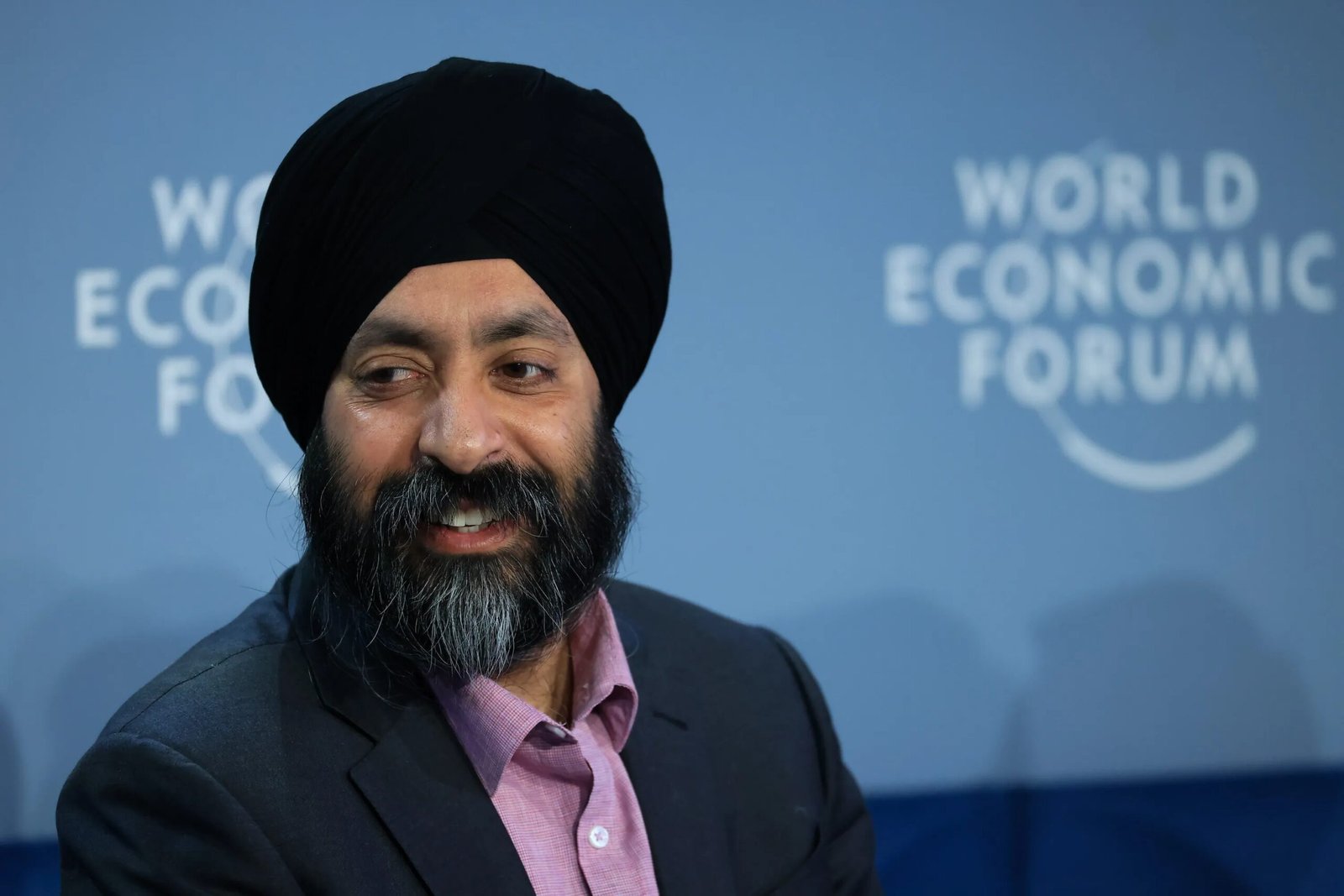
Now the CEO of $15 billion GoDaddy, the world’s largest domain name provider, is pushing back against those popular use cases. In a new interview with Business Insider, GoDaddy CEO Aman Bhutani said he won’t outsource his writing to AI, and he has little patience for employees who send him AI-written work.
“If somebody sends me a document and I can tell pretty quickly it was written by AI, I don’t read it,” Bhutani said in the interview. “Because if the person couldn’t take the time to write it, then I definitely shouldn’t take the time to read it.”
Bhutani said there is a difference between using AI for clarification and letting it completely take over the writing. Workers can turn to the technology to better understand an unfamiliar word or phrase, but they must be able to turn their own ideas into a clear narrative, he said.
Turning ideas into compelling narratives is a critical skill, Bhutani added. Employees who write documents on their own are continuously practicing “the art of iteration,” or refining their written work and improving over time.
“What I’m really looking for is: What was the original observation? What was the original hypothesis, and what got you interested in this idea? Why do you think it matters? Right?” he said. “Because AI only knows what the internet already knows. It doesn’t know what we know deep inside us, and there are ideas coming from us all the time.”
How Bhutani detects AI-written text
Bhutani looks for a few tells when reading someone’s work. He notes that many of his colleagues speak English as a second language, so he is suspicious if they submit unusually polished prose.
Length can also raise a red flag. Some pieces run too long, while others are short but written in a recognizable “punchy and clear” tone that marks AI.
Researchers at Florida State University have found that common words such as “delve,” “intricate,” “realm” and “underscore” can be signs that AI wrote a block of text, especially when these keywords appear repeatedly.
AI also has some common stylistic habits. For example, it offers repeated contrast formulas: “It’s not just X — it’s Y.” It also relies on flowery metaphors, such as describing a subject as an “intricate tapestry.”
AI additionally yields perfect grammar and a plethora of em dashes. It provides an overly uniform structure, with similarly sized sections, repeated lists and conclusions that restate the introduction. It also generates inflated language, with grand claims and elaborate wording.
However, those clues alone aren’t proof that AI wrote a piece of text. AI detection tools like Turnitin can misidentify human writing. Turnitin advises against using its results alone to take action against a writer.
Key Takeaways
- GoDaddy CEO Aman Bhutani says he won’t read work he believes was written by AI.
- Employees can use AI to clarify unfamiliar language, but he expects them to write their own narratives.
- He suspects AI use if he encounters unusually polished prose.
Writing and editing are the most common uses of AI among U.S. workers. In Gallup’s May 2026 survey, 51% of workplace AI users said they used the technology for those purposes.
Now the CEO of $15 billion GoDaddy, the world’s largest domain name provider, is pushing back against those popular use cases. In a new interview with Business Insider, GoDaddy CEO Aman Bhutani said he won’t outsource his writing to AI, and he has little patience for employees who send him AI-written work.
“If somebody sends me a document and I can tell pretty quickly it was written by AI, I don’t read it,” Bhutani said in the interview. “Because if the person couldn’t take the time to write it, then I definitely shouldn’t take the time to read it.”
