

Key Takeaways
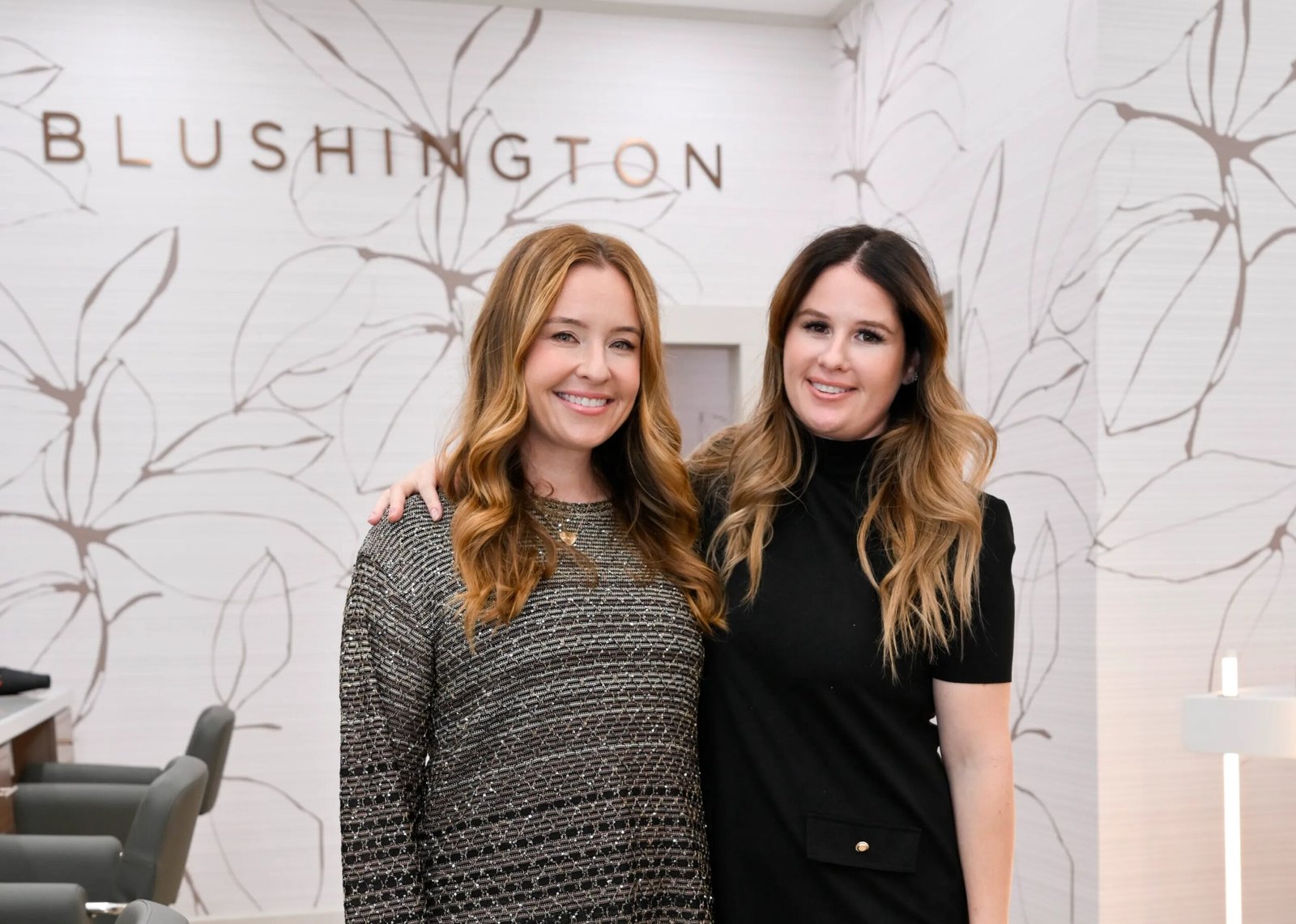
- Stephi Cohen’s struggle to find affordable makeup services for a family event sparked the idea for Blushington, a hair, makeup and skincare lounge.
- After closing all locations due to the pandemic, Cohen and her sister Nicki Maron rebuilt Blushington around franchising.
- The company now has two franchise locations and one corporate location.
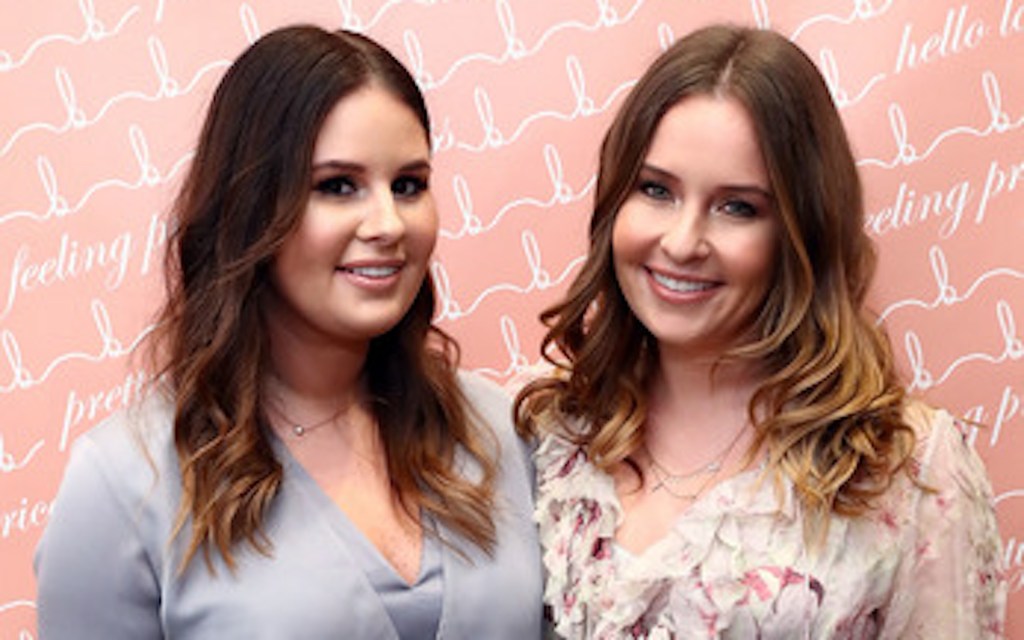
Fifteen years ago, Stephi Cohen and Nicki Maron encountered a common problem. The two sisters were getting ready for a special event, their younger sister’s bat mitzvah, and their family had all come over. Their house was packed, and they couldn’t afford to have a makeup artist and hair stylist cater to everyone.
“We started to think, well, you can go to Drybar and get your hair done,” Cohen says in a new interview with Entrepreneur. “But where can we go to get our makeup done?”
That’s where their “aha” moment happened. They thought that there should be a makeup place similar to Drybar but expanded, where customers could go to get their hair, makeup and skincare done, without having to pay the high price of a professional makeup artist coming to their homes.
Cohen called the business Blushington. She was just 21 years old at the time. Maron, her older sister, was 23 years old at the time and helped behind the scenes while pursuing a television career. She eventually joined the business full-time.
Today, the sisters are co-CEOs of Blushington, a company they report has a seven-figure run rate. Getting there meant rebuilding around a franchise model after temporarily closing their doors due to the pandemic.
This interview has been edited and condensed for clarity and concision.
The beginnings
Stephi, what were you doing before you started Blushington?
Stephi Cohen: I went to the University of Arizona and studied a combination of communications and retail. I studied abroad in London and graduated early because I was ready to start my career. I always loved beauty and fashion — I have three sisters, and I was the one who was especially interested in that world. So, I worked in retail, but when I graduated, I wasn’t sure exactly what I wanted to do. I knew I wanted to be my own boss.
Nicki, how did you become involved?
Nicki Maron: I was working in television marketing as Bill Lawrence’s assistant on Cougar Town. Working for him taught me about the power of grassroots marketing. While Stephi was developing the idea, I was helping her behind the scenes. Eventually, I realized I was probably spending more time working with her than working for Bill, and that wasn’t right. I needed to make the jump.
Also, I was thinking about how we could introduce the business to people who regularly needed their makeup done, including actresses like Courteney Cox. I was entrepreneurial, and I saw the same need Stephi saw: People didn’t have access to quality makeup applications at an affordable price.
The experience
What did you want customers to feel when they walked in?
Maron: We watched Pretty Woman as kids, and that scene where she’s treated badly in the store stayed with us. We wanted Blushington to be the opposite of that. There wasn’t a place where different generations of women could get their makeup done and feel that the artists were really listening to them. That was a big part of what we wanted to create.
Cohen: Nicki was there from the beginning, even when she had another job. She helped with everything. Having someone I trusted so much made a huge difference.
An unusual name
Where did the name Blushington come from?
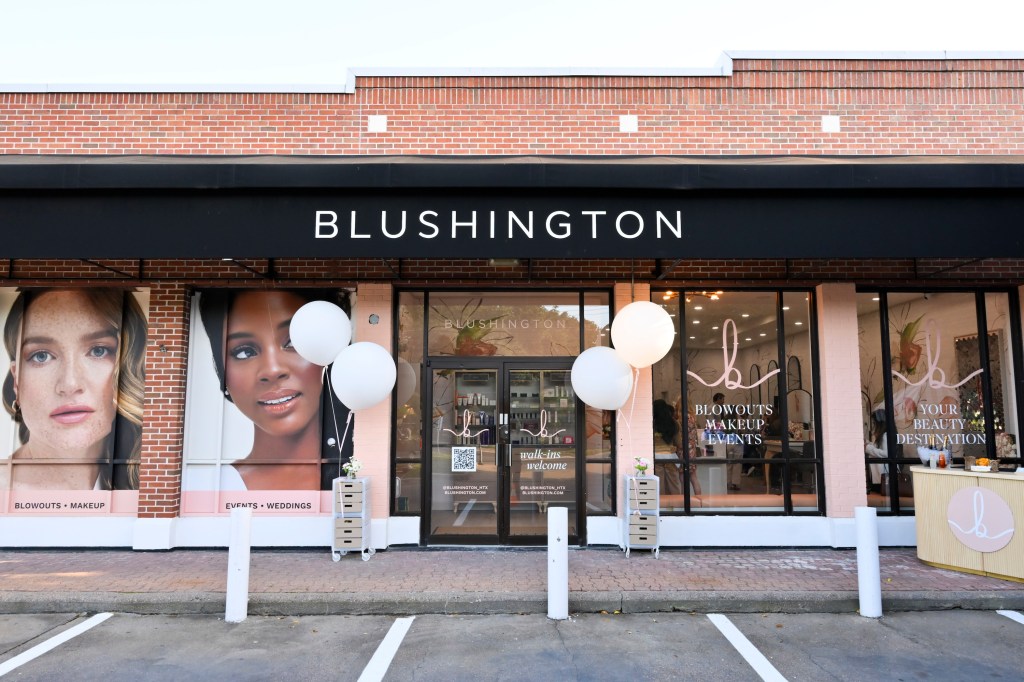
Cohen: I had just come back from studying abroad in London. I liked names like Lexington and Kensington, but other names I considered were already trademarked. I wanted something that felt international, even though it was really two girls in Los Angeles. We combined “blush” with that kind of ending and came up with Blushington. Nobody had the name, so we could trademark it. Almost everybody in the family disliked it at first.
Maron: Myself included. I didn’t understand it. I give Stephi a lot of credit for trusting her instincts. If it had been up to me, we probably wouldn’t have gone with Blushington, and that would have been a mistake.
Identifying customers
How did you find out whether other people shared your frustration?
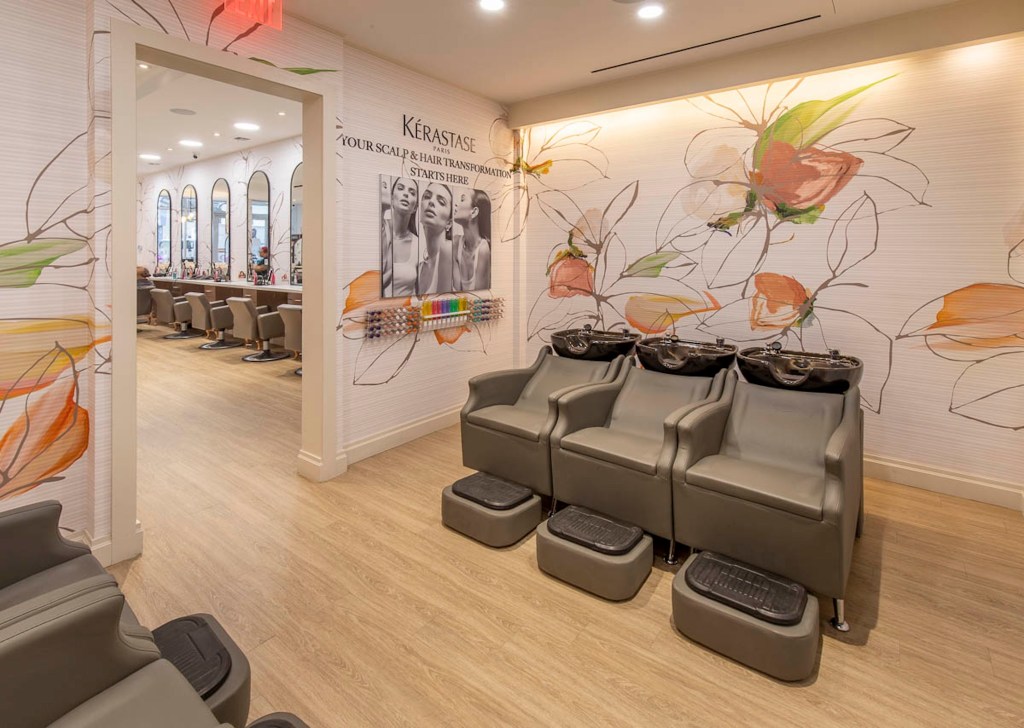
Maron: We listened to friends and family. It wasn’t just us. It was our cousins, aunts, grandmothers and friends coming into town. There wasn’t a place that put service first in the way we wanted. The stores were modeled after our mom’s vanity. We wanted them to feel like a home away from home. We say that walking into Blushington should feel like a warm hug.
Stephi also believed makeup didn’t have to be reserved for weddings, prom or other special occasions. We launched services like Eyes Only for people who didn’t want a full face of makeup but still wanted to look and feel good.
Turning the idea into a store
What were the first concrete steps you took to get the business started?
Cohen: First, I asked people what they thought of the concept and tried to get their buy-in. Then I worked on a business plan. After that, we started looking for a location. I was driving down Sunset, near Drybar, and saw a “For Lease” sign. I thought, “This is a sign — I have to call.”
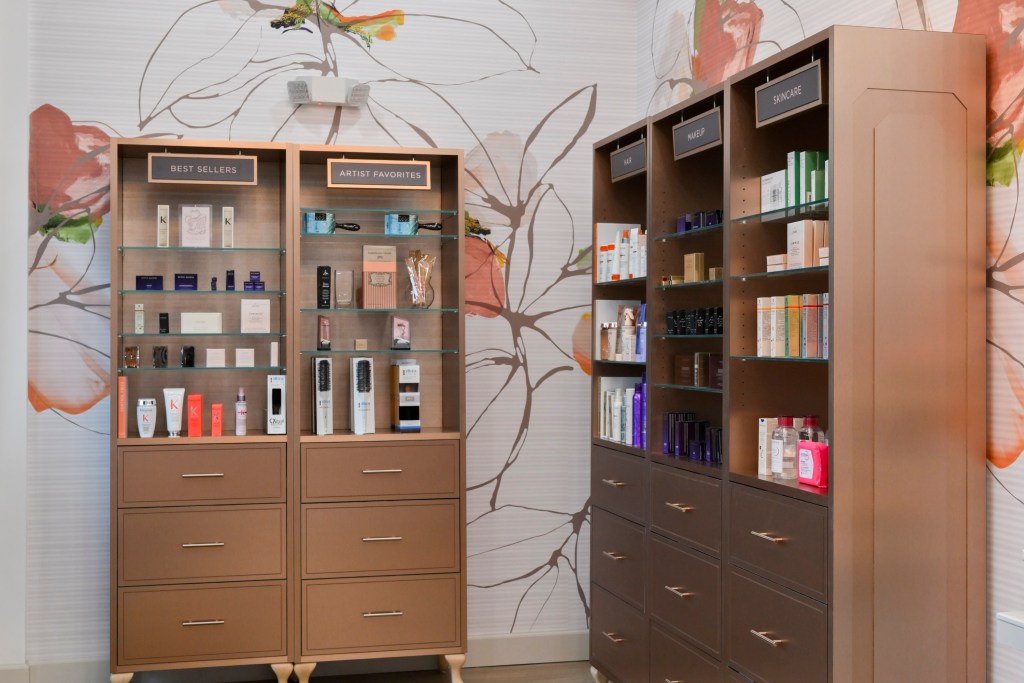
The space was a little bigger than we originally wanted, but it worked out well. From there, we needed architects and had to figure out the buildout. You learn as you go, and you surround yourself with people who have more experience than you do. For me, creating the space was the most exciting part. Then came finding the brands and sticking to our approach to product selection.
What did that approach look like?
Cohen: We weren’t going to buy an entire product line just to carry a brand, and we still don’t. At the time, bigger brands often required you to meet a minimum or bring in the full line. We pushed back. We wanted to choose the products that made sense for our artists and customers.
Finding investors and first customers
How did you fund the first location?
Cohen: We brought together a board and a few investors who helped fund the buildout and the start of the business.
The pitch was that nobody was doing what we wanted to do. Investors could see the demand for blowout bars, and we were showing them a similar opportunity for makeup applications. Our product selection, artistry, pricing and overall model helped make the case.
How did you find those investors?
Maron: You call everyone you know. You say, “This is what I’m doing. I need to find the right people to help me, and let’s do it together.”
Cohen: We talked to friends and family and kept getting the word out. Eventually, publicity helped bring people to us, rather than us always having to look for them. But in the beginning, we pounded the pavement.
How did you get your first paying customers?
Cohen: When we opened in 2011, Drybar was right next door. We had a great relationship, and people getting their hair done would come to us afterward for makeup. That helped introduce the business. We still believe in getting out into the community. Sometimes that means literally standing on the street and handing out cards. Nicki will do that herself.
Location matters, too. We want to be near complementary businesses — fitness, wellness and other places our customers already visit. Someone might finish a workout and come to us for a blowout.
Making beauty an everyday service
Who did you imagine your typical customer would be?
Maron: The women who were in the room for our sister’s bat mitzvah. Someone like me who didn’t know much about makeup, someone like Stephi, who knew a lot, our mom and our grandmother.
I was a college soccer player. I didn’t wear makeup. Stephi would do my makeup, and our younger sister would do our hair.
That customer hasn’t really changed. She’s multigenerational. A mom comes in, and then her daughter comes in.
How did that influence your pricing?
Cohen: We wanted to change the idea that getting your makeup done was only for a special occasion.
I had very bad acne in high school, and I understood what makeup could do for my confidence. I wanted to bring that experience to our customers.
It could be for a date, or it could simply be because you want to feel good about yourself. Keeping services affordable makes it easier for customers to come in more often, rather than only for a big event.
Maron: That remains part of our approach. You can get hair and makeup done under one roof for less than $200.
Closing all locations
What happened when the pandemic arrived?
Maron: We signed a flagship space in New York City on March 11. On March 13, we closed our doors. It was one of the worst days of our lives. We had spent years building this family business, putting our hearts into it. We had to close all our locations and let our team go. Then we had to ask ourselves whether we should keep going at all.
Rebuilding through franchising
How did you decide to continue?
Cohen: Not being able to provide income for our employees was one of the hardest parts. Before we could even figure out what we were going to do, we were worrying about them. We had to decide: Do we close the business, or can we come out of this stronger? Ultimately, we felt the franchise model was the best model for us.
Maron: During the pandemic, we created an online Blushington Academy. We certified artists across more than 40 states, and we have more than 250 artists in our portal. We wanted to support artists when people weren’t getting their hair and makeup done and we also saw more people wanting to become their own bosses. Franchising made sense because Stephi and I live in Los Angeles. Someone who lives in another city knows that community better than we do.
What does the business look like now?
Maron: We have one corporate location in New York City and two open franchise locations in Boca Raton and Houston. Both franchisees were customers first. Karen, our first franchisee, had visited our Dallas and New York locations. Courtney, our Houston franchisee, had been emailing us about franchising since 2015.
What franchisees are buying into
Why would someone choose a Blushington franchise instead of starting an independent business?
Maron: Running a business on your own is difficult. In a franchise system, you have support. Our franchisees have Stephi, me and our team. We can help with real estate selection, marketing and operations because we’ve spent years learning how those things work. We also believe in the combination of blowouts, makeup and skincare in one appointment. Customers save time, and franchisees are working with an established concept and brand.
What affects the cost of opening a location?
Cohen: The investment includes the buildout, inventory and the products we select. We offer incentives for veterans and multi-unit owners. Our lounges also aren’t just service spaces. We host private parties and rent out the space, so that influences how we design and build them.
What did you need to demonstrate before asking someone to invest in a franchise?
Maron: We needed to show that customers wanted multiple services under one roof. We’re seeing close to two services per appointment. Someone comes in for a blowout and adds makeup or lashes. People don’t want appointments in different locations, long waits, inconsistent quality or an overwhelming product selection. Our business is built around making that easier.
