

Published November 24, 2026 03:43AM
Skiers and boarders are gushing about El Niño again. The 2026-2027 winter won’t involve just any ENSO but a so-called Super El Niño. Potentially the biggest one on record, with exceptionally warm ocean temps on the West Coast hopefully sending a turbocharged jet stream across the U.S. According to my skiing friends, bartenders, and Trader Joe’s clerks, this could become the most memorable El Niño of our lives. Maybe.
While early signs do suggest that an epic season might be coming, we won’t know for sure until frequent storms continue to dump snow. It’s also uncertain where these potential storms may fall, though an El Niño typically sends winter weather toward the southern half of the country. Another question is whether a chance at great conditions warrants the risk of pricey reservations. And let’s be honest, we’ve all been burned before. Especially in recent years.
Climate change is shifting weather patterns, making snow forecasts more challenging. Rising global temps are causing more rain to fall at higher elevations. Meanwhile, skiing mega-corps have acquired most big-name resorts around the country, driving up lift tickets and inviting allegations of price-fixing. Plus, mountain town gentrification and nationwide inflation have skyrocketed the cost of lodging and meals out.
The estimated expense of an annual weeklong ski trip for a family of four now ranges from around $5,000 to over $15,000! That’s roughly the same budget as a small destination wedding, if you married a new person every single year. No surprise, last season’s poor Western conditions saw many Americans separating from the ski industry, with winter resort visits reportedly falling 9.1 percent below the ten-year average.
Despite the rising rates, there are still ways to plan an affordable ski trip. As a member of a self-certified band of dirtbag skiers (along with my friends, bartenders, and Trader Joe’s clerks), I’ve spent years chasing powder on the cheap. During winter road trips around the country, I’ve slept inside my pickup cap, searched for seedy motels, earned backcountry turns, and skied lesser-known resorts. Here are a few ideas for budget-friendly ski trips, plus some tips for finding more options on your own.
Ski “Down the Road” in Colorado
Colorado is considered the main character in U.S. skiing, typically accruing the most resort visits each year. Many of the best-known ski mountains are here, including Breck, Keystone, Steamboat, etc. The state is home to the two mega-pass conglomerates, the Epic Pass controlled by Vail and the Ikon Pass controlled by Alterra. Full passes cost over $1,000, plus staying in premier destinations often involves eye-popping price tags.
For years, friends and I explored the state with the reasonable but sadly discontinued Rocky Mountain Super Pass Plus. Other seasons, I ventured across the West using the early Mountain Collective Pass (today’s version is pricier but still includes top resorts). We mostly skied the big famous mountains while learning to stay down the road in cheaper towns. After the corporate-acquisitions era of recent decades, it seemed like affordable skiing road trips might be a thing of the past.
Then came the Indy Pass in 2019-2020, which has become an impressive and economical multi-pass focused on independent and smaller resorts. The concept is not just staying further out but skiing down the road, too. New customers must join a waitlist. In the meantime, glancing at the Indy resort map can lead you to many budget destinations.
Down the road from Aspen, near Glenwood Springs, consider Sunlight Mountain. The smaller acreage means smaller prices, crowds, and stats—yet it still has steeps. Being lower in elevation, you’ll want to watch the weather to catch the best conditions, a sound practice in general.
Further west, at the edge of the Rockies, try skiing off the Grand Mesa at Powderhorn. Instead of Crested Butte, go up the road to the ridiculously high-elevation Monarch Mountain, helpful if the storms are running warm. And far to the south, away from all big resorts, check out Wolf Creek, known for capturing the most snow in Colorado.

Lesser-Known Mountains: West Virginia’s Alleghenies
Another way to find bargain skiing is to bypass the famous Rockies or Sierra and aim for lesser-known mountain ranges. This approach was thrust upon me when I left NorCal, where I grew up, and moved to the Midwest for grad school. Later, my wife and I relocated to the Southeast for her professor job.
When it comes to the East, what has been called the “Ice Coast” now supplements or exceeds its natural totals with advanced snow-making equipment. A good example is Western North Carolina. Outside Boone, the fun Beech Mountain is the East’s highest ski resort, with a microbrewery resting atop its 5,506-foot summit. Their weekday 4-hour flex pass is among the best deals in the Southern Appalachians. Meanwhile, toward the northern side of that range, Vermont has several budget options, including Burke Mountain, Jay Peak, and Smugglers’ Notch.
My favorite area in the East is currently the Alleghenies in West Virginia. Now owned by Alterra, Snowshoe has the biggest name, terrain, and associated expenses. About two hours north, an affordable alternative is a trio of resorts around Canaan Valley. Modernized Timberline Mountain has fast lifts, solid terrain, and ski-in lodgings that attract weekend D.C. crowds. Midweek is quieter and includes gift-card rebates.
The valley’s unique outlier is White Grass, an inexpensive ski touring area with 1,200 feet of vert, a mix of groomed and natural trails, and several peaks to skin up and ski off. The middle-ground gem is old-school Canaan Valley Ski Resort, a state park property with a reasonable lodge on-site plus all the best-of-budget features: slow creaky lifts, moderate stats, and mandatory traverses to reach the widespread and tree-lined trails.

Ditch the Mountains? Snake River Plain, Idaho.
While living cash-strapped in St. Louis, Missouri, I learned to be extra-creative about winter sports. Outside the city, I skied with new pals at tiny Hidden Valley. (“Still looking for it,” we’d joke, but we were happy to have anything.) Graciously, the locals shared some surprising options around the Midwest. Chestnut Mountain overlooking the Mississippi River in Galena, Illinois. Sporty Granite Peak in Wisconsin. The lake-effect Mount Bohemia on Michigan’s Upper Peninsula, where a window ticket costs about the same as an early-bird season pass—approximately $100!
Ditching the “biggest-mountains-or-nothing” mindset can lead you to other deals around the country. In recent years, my investigation into the mysterious cross-continental journey of Native explorer Moncacht-Apé led me repeatedly to Idaho. Simultaneously, I was scouting for future skiing around the unsung Snake River Plain, which may fall on the edge of this season’s El Niño storm tracks.
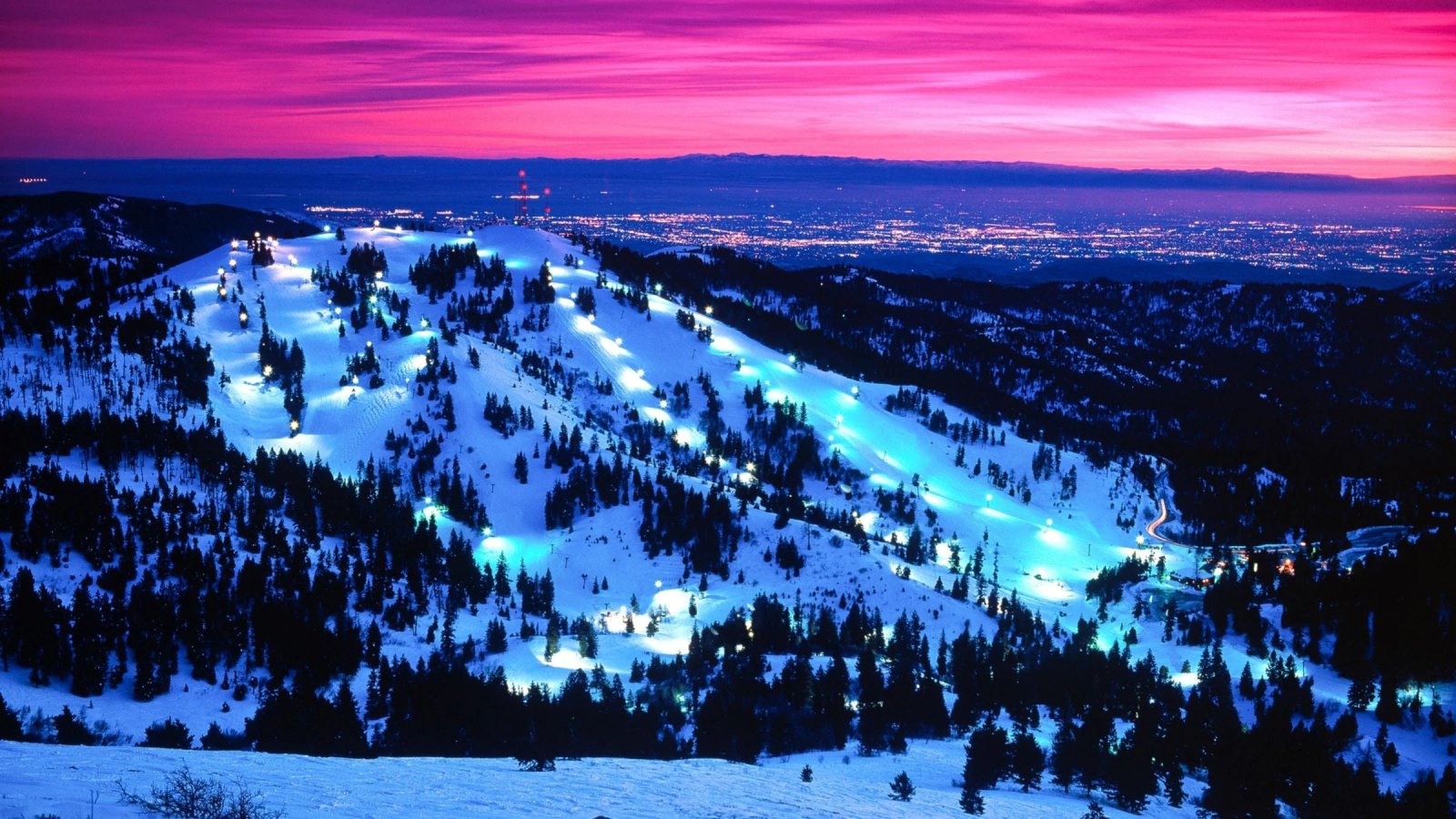
Located on a ridge north of Boise, Bogus Basin is a nonprofit ski area with vast acreage, fast lifts, and solid terrain. That said, its lower base elevation, around 6,000 feet, mandates condition peeping. About 16 miles downhill, the booming city of Boise is primarily a summer destination, meaning there’s usually a glut of affordable lodgings during winter.
Staying in such warm-weather hotspots, including college sports towns, is another way to consistently pull off cheaper ski trips. With this approach, glancing around the Snake River Plain reveals several more budget options. South of Twin Falls, there are two smaller areas: Magic Mountain and Pomerelle. Rising above Pocatello, aka the friendly college town called “Pokey,” you’ll find the challenging wildcard of Pebble Creek.

Ski Lake Tahoe, Stay in Reno
Once you start searching for winter deals, you’ll discover some pretty fun choices. Along the winding Mt. Rose Highway, there’s a pair of hidden resorts within striking distance of the “Biggest Little City in the World.” Just 30 minutes from downtown Reno, the closest option is Mt. Rose, a local favorite with Tahoe’s highest base at 8,260 feet. The scenery is top-notch, and the higher elevation often leads to better snow.
Everything else is middle-of-the-pack, and, as we’ve seen, aiming for this level is a reliable way to find affordable skiing. The crowds at Mt. Rose are smaller, particularly midweek. The terrain and stats are solid. The pricing is manageable, especially for Tahoe and when factoring in daily specials like two-for-one Tuesday or Ladies Thursday.
The situation is similar at the smaller Diamond Peak, about 15 minutes further downhill near Incline Village. The lakeside views are expansive, though the prices aren’t quite as good and the lower 6,700-foot base means you should monitor temps and conditions.
For the cost of driving, you can skip expensive Tahoe lodging and usually find ridiculously low winter rates around Reno. I once snagged a high-rise casino room for $30 per night. After the slopes, I stretched my legs under garish neon lights. Before I knew it, I was watching a free acrobatics show at Circus Circus. It felt like appearing in my own chillier version of Fear and Loathing in Las Vegas, except hold the raw ether and swap in the natural high of budget skiing.
