

Published November 24, 2026 02:36PM
Canned seafood has long been a staple of the outdoor menu: It’s portable, nutritious, and adds a ton of flavor to simple meals. And it’s not just for hikers and campers. Canned and pouched seafood has been steadily rising in popularity in recent years, thanks in part to its protein, omega-3 fatty acids, and convenience. But while tuna can be a great choice for your health, how do you know if it’s a good choice for the environment?
Thanks to pioneering efforts to establish sustainable fishing practices—and make them transparent for consumers—it’s easier than ever to find options that support our complex marine ecosystems. Here’s why it matters.
What’s Wrong
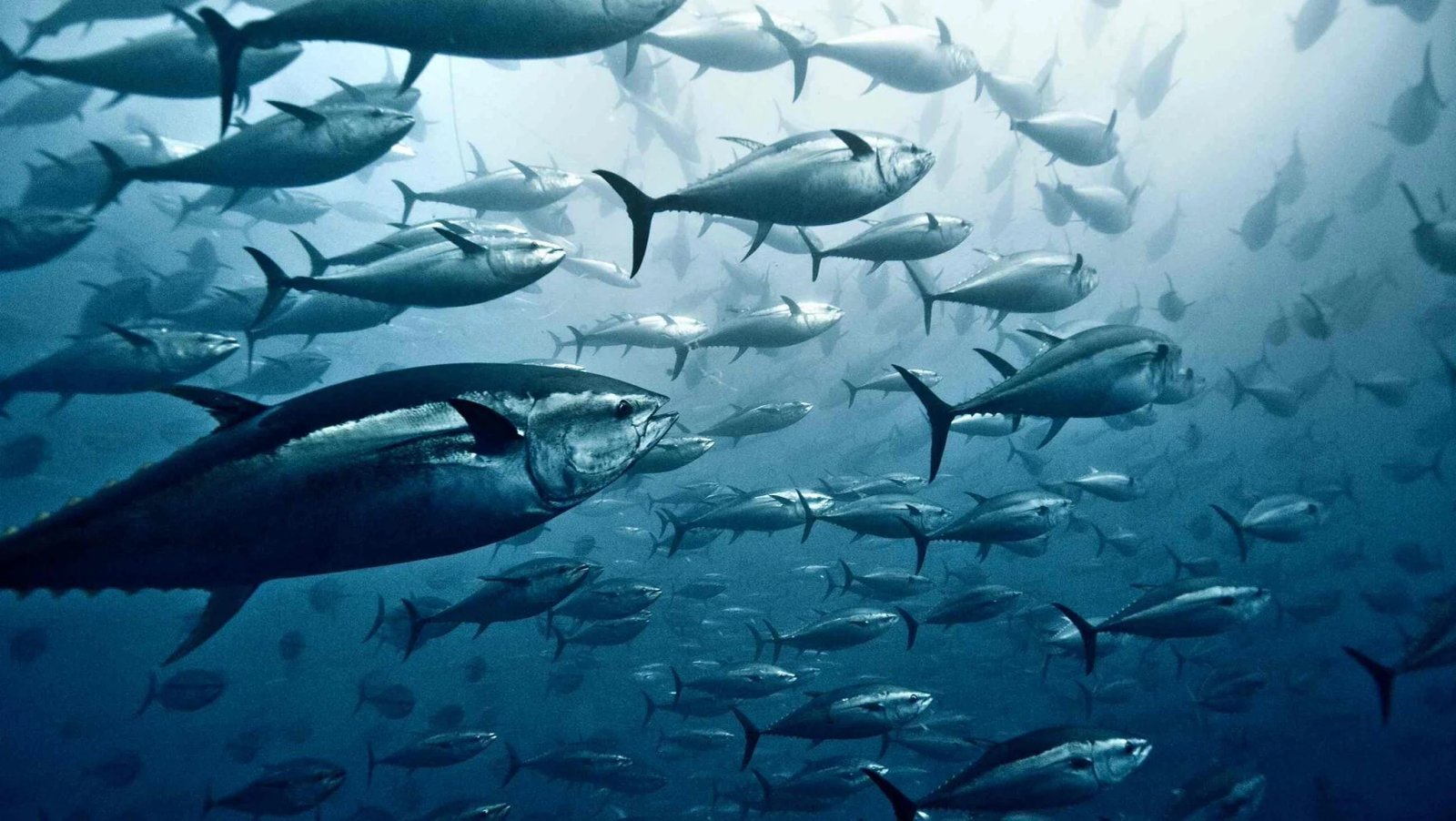
According to the most recent data from the National Seafood Association, canned tuna is the third most popular seafood in the United States. That means a lot of tuna harvested from the world’s oceans, making harmful fishing practices even more harmful due to the enormity of the scale. This puts tuna and other fish populations at risk, and unfortunately, these practices still dominate the industry.
Purse seine fishing, which is responsible for about 66% of global tropical tuna catch, per the International Seafood Sustainability Foundation, can be harmful, especially when used in conjunction with fish aggregating devices (FADs). This method involves using a large wall of netting—up to 6,500 feet long and reaching around 650 feet in depth—to surround an entire school of fish. Non-selective mass fishing practices can deplete a population before it has a chance to properly reproduce, especially since it indiscriminately removes juvenile tuna from the ecosystem, threatening healthy repopulation.
Another key threat from large-scale industrial fishing is bycatch, or the unintentional harvesting of non-targeted species. Some of the species most impacted by the tuna industry include sharks, sea turtles, and marine mammals like dolphins. Net-based fishing with FADs is the most common culprit, since FADs don’t discriminate between which types of fish they attract. Bycatch also frequently occurs with longline fishing, which uses baited lines an average of 28 miles long. Animals caught as bycatch often do not survive.
A Better Way
How can things be done differently? Wild Planet is a case study. Since 2004, Wild Planet has focused on sourcing seafood through responsible fishing practices. Its wild albacore and skipjack tuna showcase how responsible fishing and high-quality products can—and should—go hand in hand.
All of Wild Planet’s tuna are caught individually using pole-and-line or trolling methods. Pole-and-line is exactly what it sounds like: one pole, one line, and one fish at a time. Trolling is similar, with multiple lines towed behind a slow-moving boat. Both the bait used and the speed at which the boat travels are specifically chosen to attract the targeted species. In both methods, fish are hauled in immediately, so non-targeted species can be quickly released.
The benefits of these inherently selective methods are twofold. First, they allow Wild Planet to specifically target tuna while minimizing bycatch of other marine species. Additionally, the company’s responsible fishing operations are able to further select what kind of tuna is being harvested. Wild Planet sources younger migratory tuna near the ocean’s surface, avoiding juvenile fish, who are key to repopulation efforts, and older, larger tuna that tend to accumulate higher levels of mercury. It’s an approach that’s better for you and the planet.

Trusting the Science
The Monterey Bay Aquarium Seafood Watch Program has a name for foods like this: Super Greens. It’s an exclusive list—it currently includes only 10 foods—that points to pole-and-line caught tuna as an option that’s high in omega-3s, low in mercury, and harvested with the ocean in mind.
The Monterey Bay Aquarium has a unique relationship with Wild Planet. The brand has not only been following the aquarium’s guidance since the beginning, but the institution is actually key to the company’s origin story. It was at a Monterey Bay Aquarium exhibit on fragile ocean ecosystems that Wild Planet founder Bill Carvalho was inspired to build a different kind of seafood company.

The Aquarium, in turn, is inspired by the efforts that many in the industry have taken in response to its suggestions. “Some of these companies have been with us from the very beginning,” Shawn Cronin, market engagement director for Seafood Watch said in 2024. “They make it easy for people to choose responsible seafood day-to-day, helping move the needle through their sourcing and by directly engaging in global improvement initiatives. It’s not an easy commitment to make.”
That emphasis on doing what’s right and trusting the science continues today. It’s the kind of thinking that guides the way Wild Planet fishes as well as the types of fish it sells. In addition to tuna, Wild Planet also sells mackerel, anchovies, and sardines. These smaller, lower-food-chain species can be more abundant and offer another responsibly sourced seafood option, while delivering plenty of protein, omega-3s, and flavor.

If you’re looking to incorporate more sustainable seafood into your life, the same principles extend beyond tuna. Always look for labels that call out pole-and-line caught, troll caught, and/or FAD-free fishing. Other information, like the specific species and where it was harvested, lets you know that the company knows—and cares—where its fish come from.
You can find out what sustainability tastes like for yourself. From now until December 22, Outside readers get 20% off everything on Wild Planet’s website with code OUTSIDE20. Because even though the impact of our choices might be harder to see when it’s an ocean away, it’s no less important.
Founded in 2004, Wild Planet is the first large-scale sustainably focused canned seafood company in the U.S. Committed to protecting marine ecosystems for future generations, Wild Planet sources 100% wild-caught seafood using the highest sustainability standards, delivering nutrient-dense, minimally processed products that are as close to nature as possible. Learn more at WildPlanetFoods.com.
