

Published March 16, 2026 02:29PM
Search-and-rescue (SAR) teams recently conducted half a dozen operations over the course of one weekend at a popular Nevada desert hiking destination. Between March 13 and 15, responders rescued five hikers and one climber in Red Rock Canyon, a sandstone canyonland roughly 20 miles west of Las Vegas.
Although no one suffered serious injuries, Las Vegas SAR Officer TJ Keller told Outside, the busy weekend serves as a reminder that even highly accessible wilderness areas demand serious preparation. Keller is a member of the Las Vegas Metropolitan Police Department (LVMPD) SAR team and rescued an 80-year-old hiker who was lost on March 13.
“The trail his group was on thinned out, goat trail-style, and they lost track of it,” Keller told Outside.
The man left his party to hike alone, Keller said. Keller and other SAR officers searched for the lost man through the night, using helicopters and thermal imaging. When rescuers found him the next morning, the man was dehydrated and suffering from mild hypothermia, but otherwise unharmed.
Three other rescues also took place on March 13. In one incident, a rock climber fell and suffered a leg injury. In another case, a hiker slipped on a trail and broke an arm. A third hiker became dehydrated, and although not lost or injured, was unable to continue hiking.
On March 15, Keller said his team was called out for two more hiker rescues. While six rescues are an unusual amount for one weekend, Keller said the number isn’t unprecedented.
“We could go months or weeks without rescues, and then we could have three in a day,” he said. Keller added that three things likely led to the uptick in rescues. It was the first warm weekend in Red Rock this spring, and there were more hikers and climbers in the canyon than usual. Due to its proximity to a major metropolitan area, the Nevada desert often attracts unprepared hikers. But the trails and terrain pose challenges to everyone.
A Wilderness in Las Vegas’s Backyard
The sandstone canyons of Red Rock Canyon National Conservation Area are a perfect storm for unprepared hikers. Red Rock is just 20 miles from downtown Las Vegas, a major metropolitan city and tourist destination, making it an easy half-day outing. But the region is still a sprawling, rugged wilderness area with rough terrain and dramatically varied topography.
“Lots of hikers fall into the trap of thinking, ‘Oh cool, there’s a loop, I can hike 100 yards from the road, and it’s gorgeous,’” Keller said. “But you have to remember that even though it’s easy to access, this is still wilderness.”
Both the park’s elevation and temperatures can vary dramatically. On the desert floor, elevations are as low as 3,600 feet, but the highest reaches of the park are above 8,000 feet. The slopes of Mount Charleston, which borders the park, stretch even higher, up to an 11,916-foot summit.
In the summers, temperatures routinely soar above 100 degrees Fahrenheit, and in the winter nights, they often drop below freezing. During the March shoulder season, the canyon experiences both heat and cold. Sometimes daytime temps stay in the 70s, but nights dip into the 40s.
Missing the Appropriate Gear or Fitness
The six incidents over the weekend involved different hikers and terrain. But Keller said all the rescues were due to a lack of preparation.
“The common theme here is that each party didn’t have the appropriate something, whether that’s the appropriate level of fitness, the appropriate equipment, or the appropriate research on their planned route,” Keller said.
In March, visiting the high desert requires the right gear, plenty of water, and correct clothing. Visitors should also download a GPS map for when cell service cuts out. Failing to research a route in Red Rock can be disastrous because the terrain varies so dramatically. Some trails start out as mellow, flat hikes, but eventually turn into steep, rocky scrambles, requiring hikers to use their hands to navigate around boulders or up narrow canyons.
Keller advised Red Rock hikers to plan ahead, research trails, weather, and conditions, and bring proper hiking gear.
Lost at Night? Don’t Forget Your Phone Light.
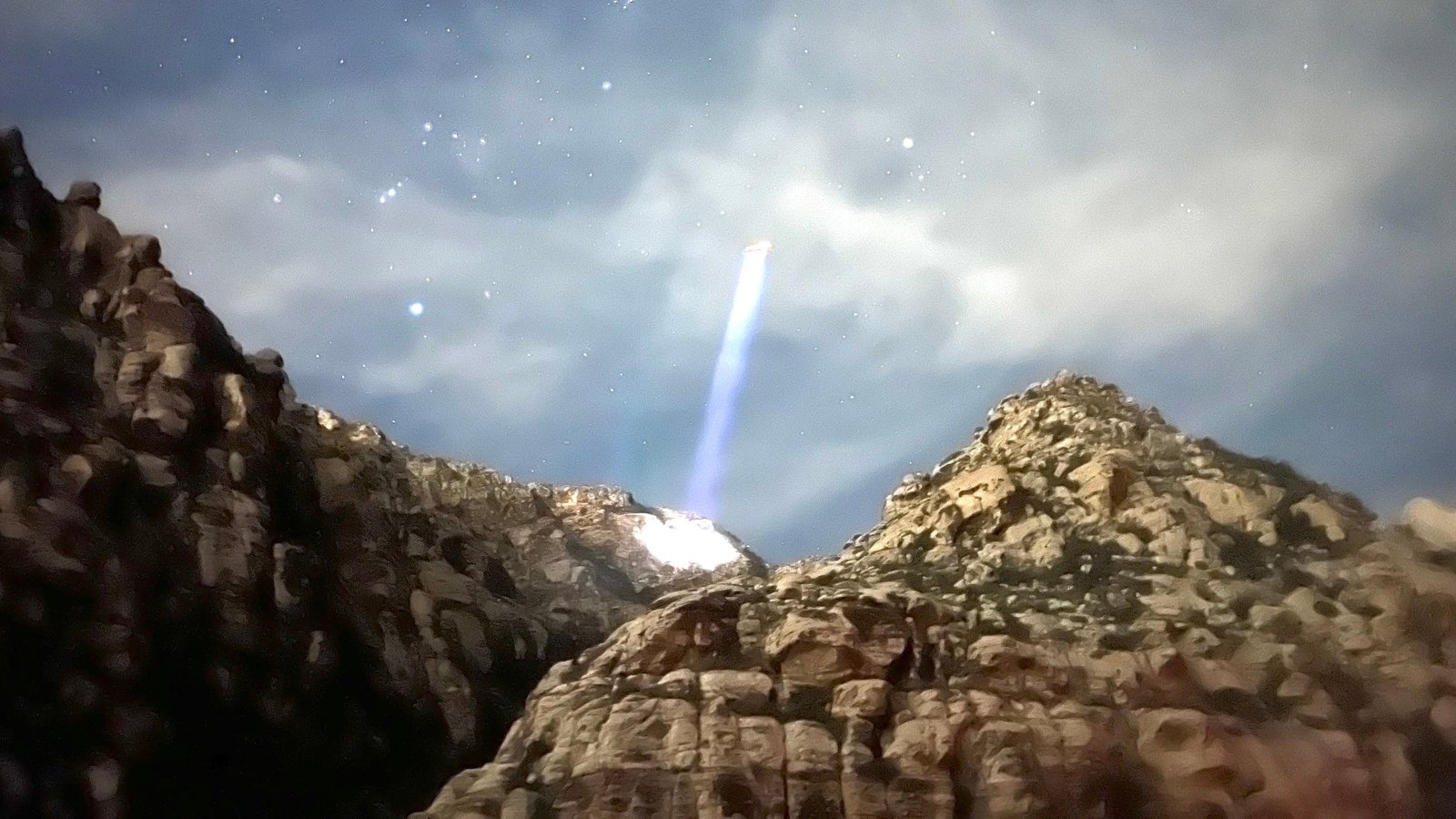
In the case of the 80-year-old man lost overnight, Keller also noted a simple missed opportunity: using a phone to signal for help. The lost hiker didn’t have cell service, but his phone’s light would have appeared on the SAR team’s thermal cameras. The hiker, he said, did not flash the light.
“Had he flashed his cell phone light, we could have potentially found him during the night,” Keller said. “His phone was fully charged, so he had the capability, and he said he knew we were looking for him, but he never even thought about using the phone light.”
For any hiker who becomes stranded overnight, Keller advised keeping this simple, life-saving tactic top of mind. It also serves as a reminder of Red Rock’s deceptive nature. Although the glowing lights of the Las Vegas Strip are visible, if you don’t come prepared, you can still find yourself entirely in the dark.
