Where to go, what to see, and how to document astronomical events this year.
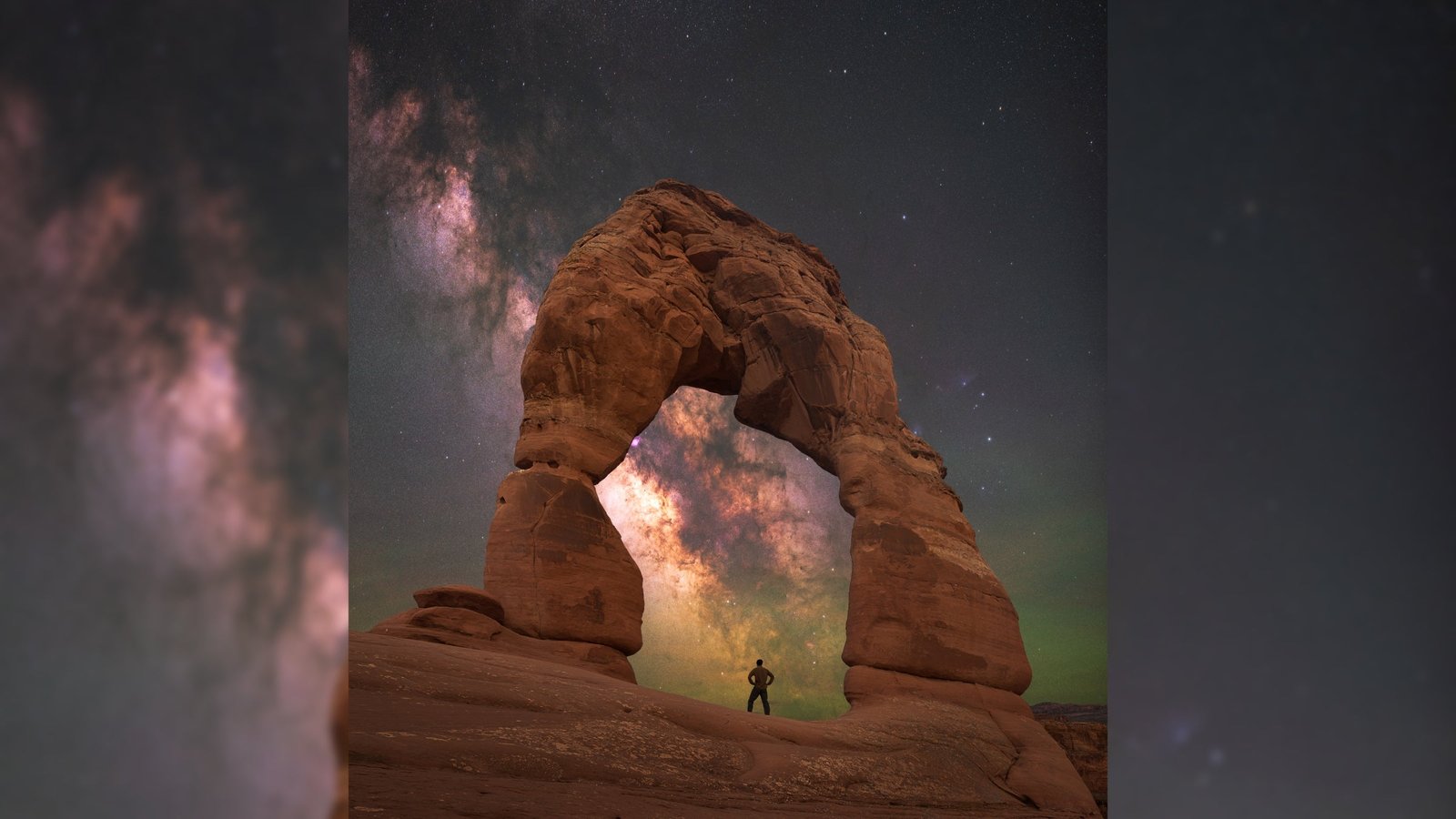
Delicate Arch in Arches National Park, Utah (Photo: Marcin Zajac/Utah Office of Tourism)
Published March 16, 2026 10:52AM
I Spent More than a Decade Chasing the World’s Darkest Nights. Here’s Why Dark Sky Tourism Is More than Just a Trend.
From stargazing to aurora hunting, travelers are chasing an increasingly rare resource: natural night.
4 Night Sky Events to See This Year
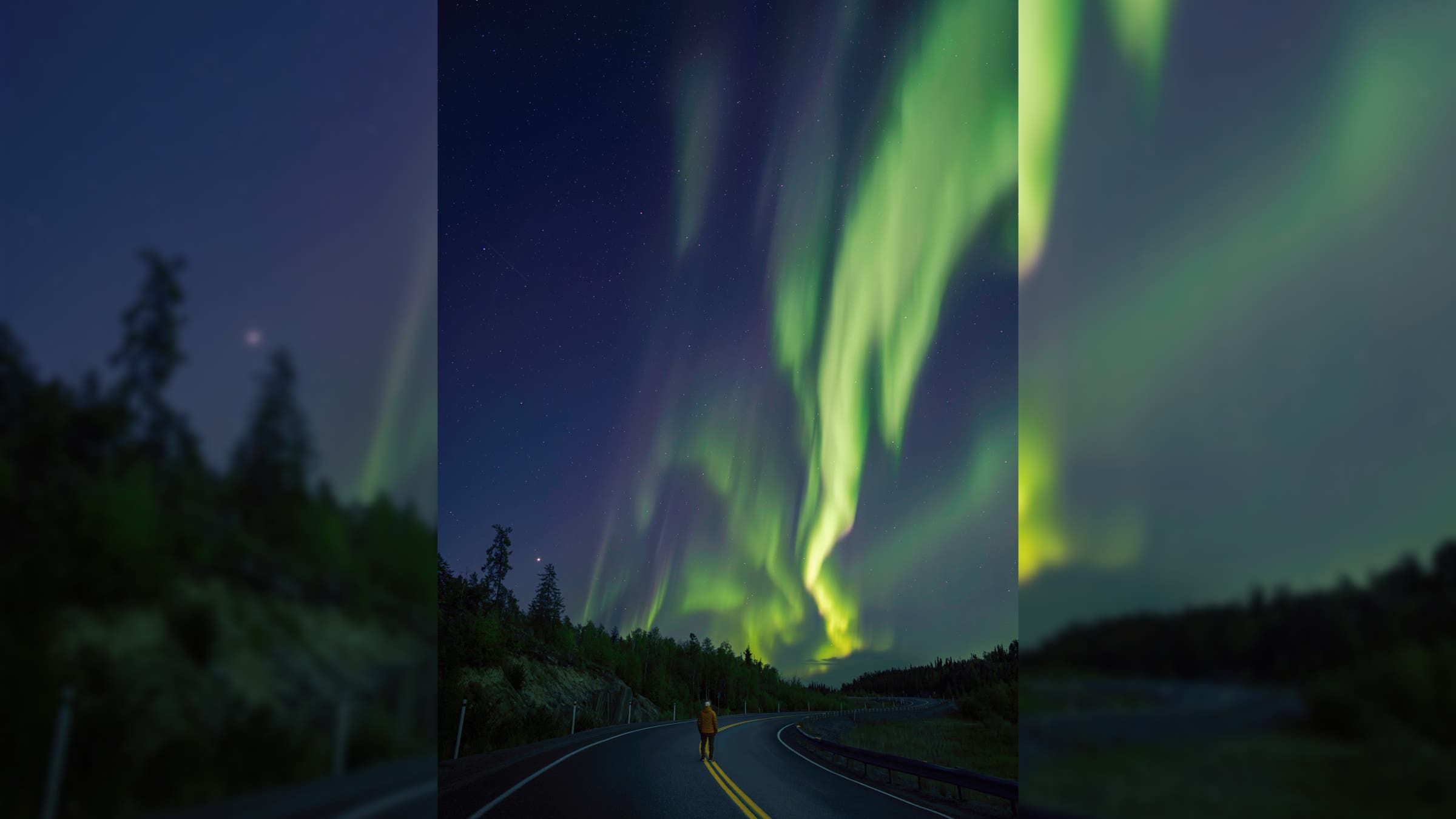
- March 20: The equinoxes often trigger an uptick in aurora activity around the world. Track on apps like My Aurora Forecast, or plan a northern lights adventure for March or September.
- August 12: See a total solar eclipse above adventure getaways like Greenland, Iceland, and Spain—but act quickly. Many accommodations and events are selling out.
- August 12–13: This year’s Perseid meteor shower will see near-perfect conditions with a new moon from August 12 to 13; U.S. sky-watchers could observe 100-plus shooting stars per hour.
- November 24: The next supermoon (a full moon at or near the closest point in its orbit) of 2026 appears on November 24; it’s followed by another luminous supermoon in late December.
These Are the Best Places for Astrotourism in 2026
From a total solar eclipse to “star-beds” on an African safari, 2026 is shaping up to be a landmark year for travel. These are the destinations I’m watching for the most spectacular views on Earth.
Your Seat to the Stars
NEMO Stargaze Evo-X Folding Reclining Camp Chair

A camp chair designed for looking skyward.
Sky-watching requires a lot of upward gazing, and that posture can wreak havoc on your neck and shoulders—something I’ve learned the hard way. To watch the heavens without a side of neck strain, I recommend a reclining camp chair like the NEMO Stargaze seat (from $180). A folding frame makes it quick to pack, and the cozy, hammock-like seat lets you peer toward space comfortably. I’m still a blanket-first stargazer, but this is a great backup option, especially in places with bugs galore. —Stephanie Vermillion
Pro Tips for Shooting the Night Sky (No Matter What Equipment You Have)
Capturing the Milky Way doesn’t require thousands of dollars in gear. Here is my simple guide to using your smartphone—or camera—and the dark sky to take professional-quality photos.