

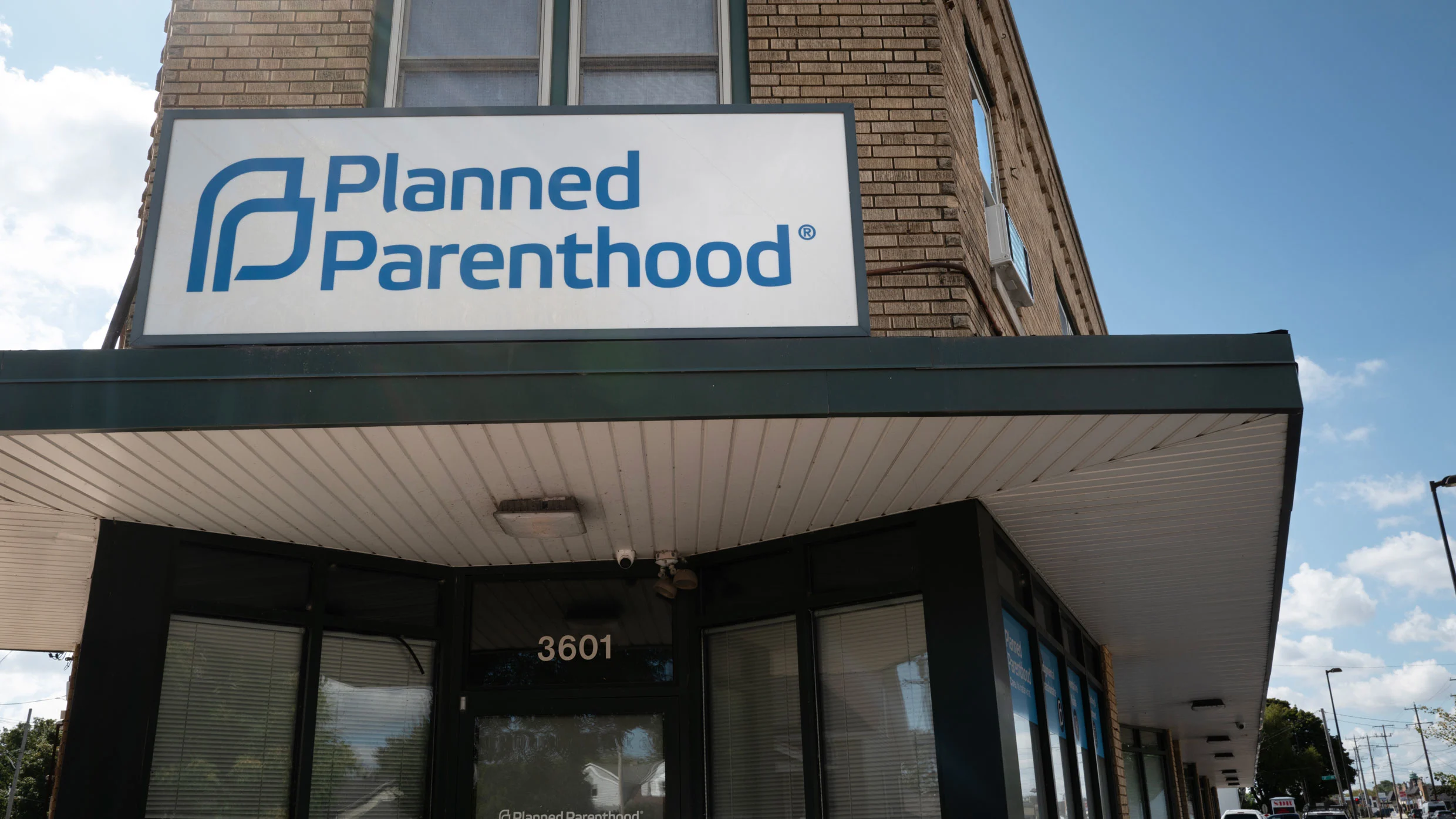
A Planned Parenthood affiliate just settled an investigation by the Equal Employment Opportunity Commission over claims of discrimination against white employees, in a notable example of the agency’s ongoing focus on DEI-related discrimination.
The $500,000 settlement will put an end to an EEOC investigation against Planned Parenthood’s Illinois chapter, which was initiated by employee complaints that the organization allegedly “segregated employees by race, subjected white employees to harassment, and engaged in disparate treatment against white employees regarding terms, conditions, and privileges of employment,” according to the agency.
The EEOC found that Planned Parenthood had weekly gatherings based on race-based affinity groups, which employees of other races were barred from attending, and that employees were either required to join those sessions or participate in diversity trainings on a weekly basis. According to the EEOC, those trainings perpetuated the idea that white people “do not feel racism the same way” that people of color do, and that “white supremacy is exerted at every level of oppression (individual, interpersonal, organizational, and societal).” Planned Parenthood also reportedly gave Black employees time off that was not granted to white employees.
As the federal agency that enforces anti-discrimination laws, the EEOC argued that the Planned Parenthood affiliate’s actions were a violation of civil rights law. “Title VII guarantees equal treatment for every employee and prohibits race discrimination in America’s workplaces,” EEOC chair Andrea Lucas said in a statement. “Those protections equally apply to white workers. There is no DEI exception to Title VII’s requirements.” The two parties came to an agreement after the EEOC’s investigation found “reasonable cause” that Planned Parenthood had harassed and discriminated against white employees; aside from the settlement fee, the organization also dismissed the manager who had reportedly overseen the DEI initiatives that were the target of the EEOC’s investigation.
In a statement to NPR, the current head of Planned Parenthood of Illinois suggested that the DEI practices in question had been introduced under previous leadership. “In the time since this complaint was filed, and since I came on board as President and CEO in 2025, I have overseen significant change at the organization, including across the leadership team,” Adrienne White-Faines said. (When reached by Fast Company, Planned Parenthood of Illinois was not immediately available for comment.)
There have been reports of racial discrimination across Planned Parenthood over the years, both at the national level and across individual affiliates like the subject of the EEOC’s investigation—though these allegations have largely stemmed from Black employees. The claims of racism and broader issues with workplace culture have also fueled organizing efforts, leading both national offices and affiliates to unionize. In a 2021 op-ed for the New York Times, Planned Parenthood president and CEO Alexis McGill Johnson sought to distance the organization from its controversial founder Margaret Sanger, who had engaged with white supremacy groups and was a former proponent of eugenics. “We are committed to confronting any white supremacy in our own organization, and across the movement for reproductive freedom,” she wrote.
The settlement with Planned Parenthood also reflects a broader shift at the EEOC and signals how the agency will pursue reverse discrimination claims going forward. Under the Trump administration, the EEOC has set its sights on rooting out discrimination against white workers, by focusing on what Lucas has characterized as “unlawful” DEI programs. Employers do open themselves up to legal challenges when they explicitly limit participation in affinity groups to one group of workers, for example. But former EEOC officials have argued that the agency’s efforts could have a chilling effect even on entirely legal programs that promote diversity, equity, and inclusion in the workplace.
The investigation into Planned Parenthood is just one example of how the EEOC could reshape corporate DEI and encourage even progressive organizations to disavow or divest from those programs, despite claims of bias from employees of color. A major investigation currently underway has targeted Nike, alleging discrimination against white employees and job applicants. The case could prove significant if the EEOC chooses to bring a lawsuit—which, in turn, could prompt far more scrutiny of organizations like Planned Parenthood and Nike.
