

Learn about the National Parks Access Pass for people with permanent disabilities, including how chronic conditions like diabetes qualify for a lifetime pass.
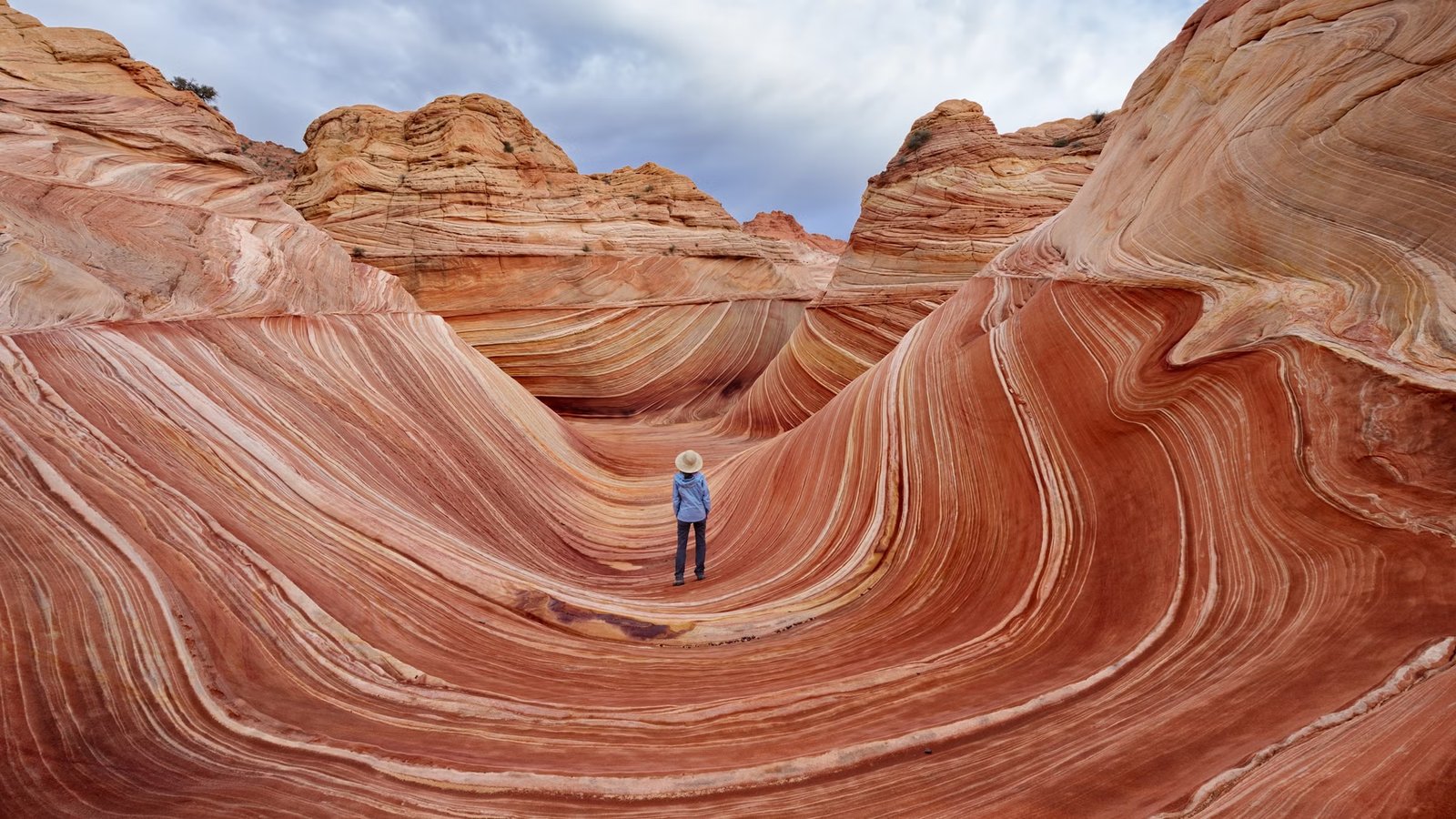
The Access Pass provides free lifetime access to national park sites around the country (Photo: Sumiko Scott/Getty Images)
Published March 28, 2026 06:17AM
People with permanent disabilities may qualify for a free lifetime pass to U.S. national parks and more than 1,000 federally managed recreation sites. The National Parks and Federal Recreational Lands Access Pass waives entrance fees for medically eligible U.S. citizens and residents, providing access to all 433 sites managed by the National Park Service (NPS).
Though iterations of the modern Access Pass have been around for decades, the topic recently generated a glut of attention after a woman named Kate Kirby, 29, posted an Instagram video on March 22. It showed her applying for and receiving her Access Pass at Arches National Park. Kirby was diagnosed with type 1 diabetes at the age of ten and openly discusses her health journey online. Following her video, the topic gained traction on social media, with some videos amassing millions of views.
“For me, the pass is meaningful beyond the financial benefit. It has helped me come to terms with the fact that I am dealing with a lot more than the average person,” Kirby told Outside. “But disabled doesn’t mean incapable. I love getting to explore our national parks and knowing that anything is possible for me.”
The pass also covers entrance and day-use fees at federal recreation sites, including national parks, for those with physical, mental, or sensory impairments. There is no exhaustive list of conditions covered by the pass. Lifelong impairments like cerebral palsy, multiple sclerosis, blindness, deafness, autism, and ADHD, as well as severe chronic illnesses like diabetes or heart disease, are covered. Speak with a doctor to see if your condition is considered a permanent disability.
Applicants can apply for and pick up their pass in person at more than 1,000 federal recreation sites nationwide. To receive a pass by mail, order online here. For a digital pass, apply through recreation.gov.
A person who has been issued an NPS Access Pass is typically allowed to bring three additional adults in one vehicle to national parks free of charge. Along with valid photo identification, occupants must also provide a statement from a licensed physician stating that a permanent disability severely limits aspects of their daily lives. Other documents, such as those issued by a state agency, the Veterans’ Administration, or Social Security Disability Income, also qualify.
“The program exists intentionally to increase access for people with permanent disabilities,” Kirby said. “It’s not about taking something you don’t need; it’s about providing a small benefit to people with permanent disabilities and recognizing that they often face huge mental, physical, financial, and emotional burdens on a daily basis.”
The Americans with Disabilities Act, a federal civil rights law that prohibits discrimination against people with disabilities in everyday activities, covers a variety of conditions. Diagnoses include a physical or mental impairment that substantially limits one or more major life activities, such as cancer or autism. The Centers for Disease Control and Prevention reports that an estimated 70 million Americans, about one-in-four, are diagnosed with a disability.
People like Emily Jensen say that the Access Pass has helped them to regain a sense of independence following a life-changing diagnosis. At 30, Jensen was diagnosed with type 1 diabetes in November 2024. Her diagnosis forced a sudden recalibration of her life. As a Montanan used to spending her time snowboarding, mountain biking, and running whitewater in remote backcountry terrain, she was forced to rethink how she moved through the places she loved best.
“Just as I started learning all of my body’s new phases and requirements, there was a level of anxiety, especially in the backcountry, knowing that in an emergency, it might take too long to get care,” Jensen, now 31, told Outside.
Type 1 diabetes is a chronic autoimmune condition in which the body doesn’t produce enough insulin, a hormone produced in the pancreas that regulates blood sugar. Those with the condition have to monitor their glucose levels and manually take insulin every day, making backcountry travel out of service more challenging.
For those with chronic conditions like Jensen, free access to national parks can serve as a compromise, allowing access to both wilderness areas and medical care at an affordable rate.
“National Parks have amazing backcountry opportunities, but also front-country access to camp and explore in a space closer to help,” Jensen said. “It’s such a life-changing and expensive chronic disease. The Access Pass is just a small win.”
Kirby added that caring for national parks and public lands comes in many forms.
“Simply visiting and respecting our national parks is a form of support. I hope conversations like this will broaden people’s understanding of what disabilities look like. I also hope more people with permanent disabilities have been encouraged to visit our amazing national parks,” she said.
