

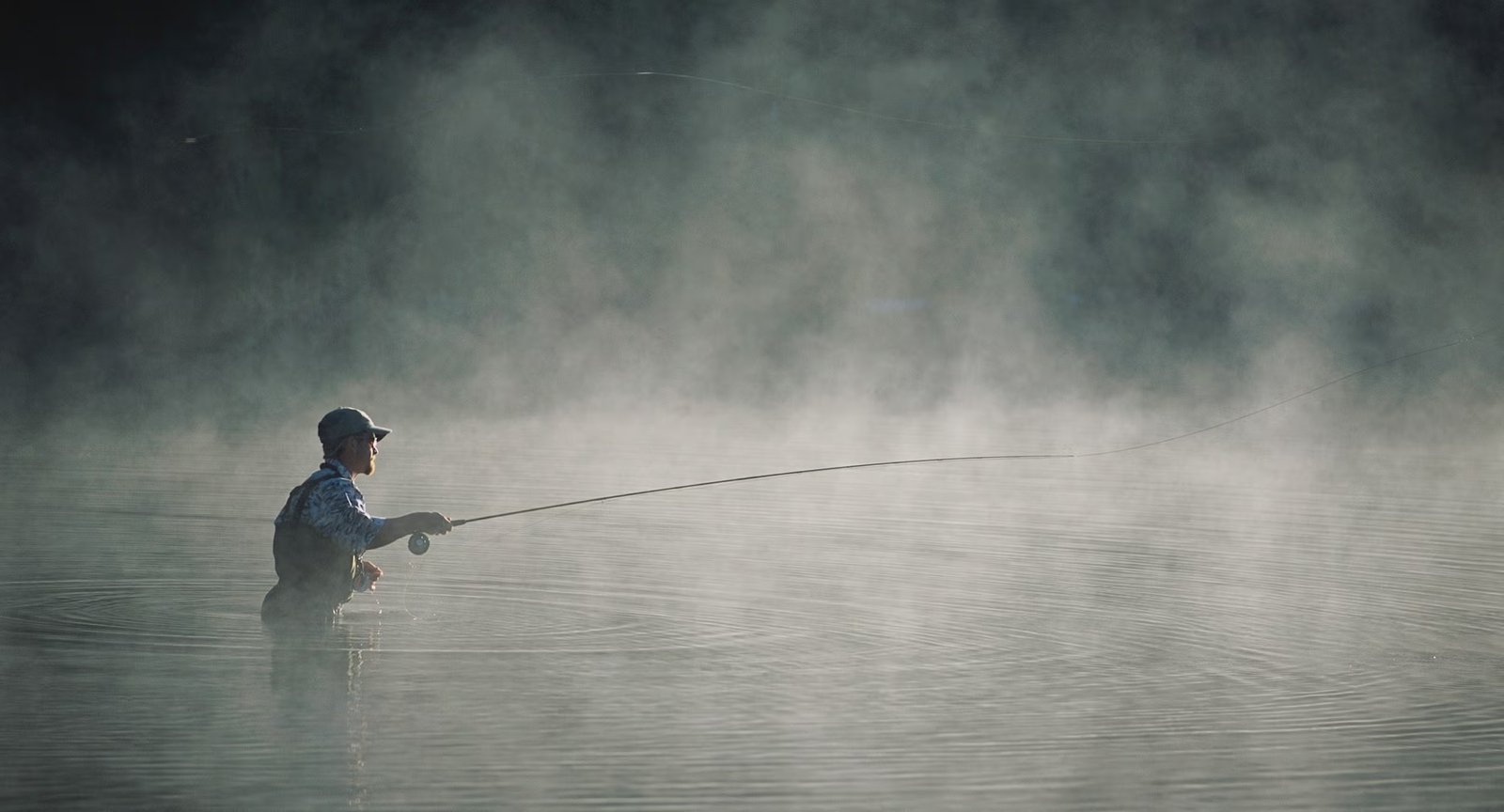
Author Mark Kurlansky explains in his upcoming book, “To Catch a Fish,” what the sport reveals about our deep connection to the unseen side of nature.
(Photo: Lee Cohen/Getty Images)
Published March 29, 2026 06:50AM
The following is an excerpt from the new book, To Catch a Fish, by Mark Kurlansky.
I have been fishing for as long as I can remember… and writing about it almost as long. I have caught bluefish and stripers in New England; trout in Idaho, New York, and Spain; barracuda in Senegal’s winding Saloum River; salmon in Alaska, Scotland, Japan, and Russia; and other fish in other places. When I go somewhere, I look for a fishing opportunity. When I look at water—a river, a stretch of ocean, a lake, or even a pond—I always wonder what fish are there and what they are eating. Some of us find a connection with nature by chasing deer in forests or watching birds in flight.
Fishing connects us with a mysterious side of nature that we cannot—at first glance—see. That is part of the attraction: We are trying to outsmart unseen wildlife. Though we cannot see them, we try to predict their movements; it’s like hunting lions in the dark. I’m drawn to the intrigue of trying to penetrate an unknown world. It is a complicated world, difficult to understand, with an order to it and natural laws.
The Secret to Catching a Fish
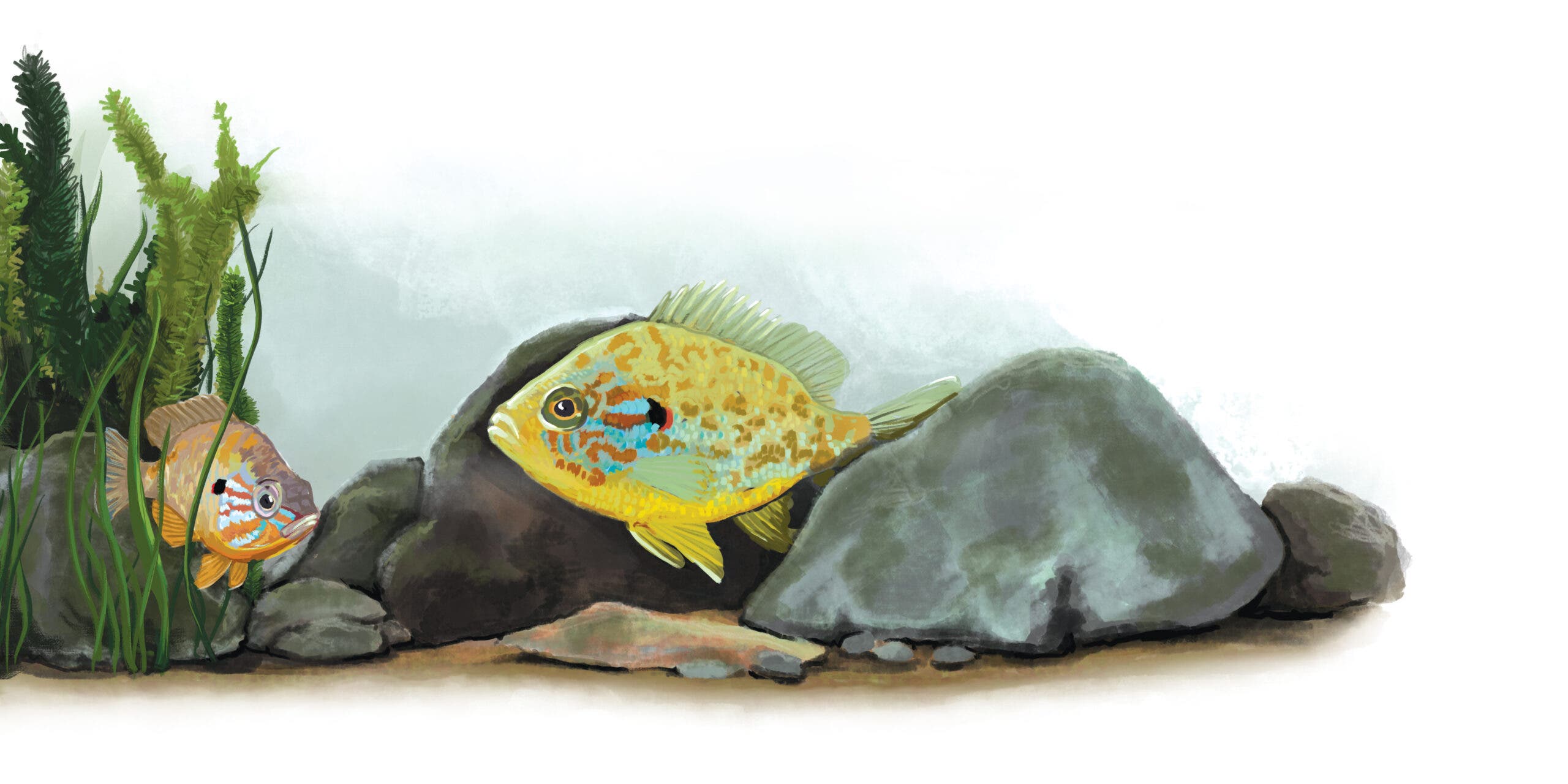
We can catch fish because they are hungry much of the time. If there were a thought bubble floating over a fish’s head, it would probably read, Food! Food! I want some food! Finding food is one of the main activities in a fish’s life.
To catch a fish, you have to know what they like to eat and what time of day is mealtime. It is often said that early morning is the best time to catch fish, but this is not always true. Sunset is often a good time. Midday sometimes works, depending on the weather. Fish do not have eyelids, and so they do not like strong sunlight. In a river, you will find them in the shade along the banks. In the Dominican Republic, commercial fishers sometimes place a palm tree, floating upright and attached to a buoy, in the middle of the ocean. Fish are attracted to the shade of the tree. Fish are picky about their food. Some eat worms, some smaller fish, some frogs, some mice, some insects.
But you have to know what kind of fish, frog, or fly they like to eat, and that may depend on the season or even the lighting. You also have to move that food through the water in a believable way and place it where the fish like to swim. It may be a current, a deep trench, or a shallow shelf. Or a place where something that fish like to eat is hatching. There are many reasons why a fish will pick a certain place in the water, just as a mammal has a favorite spot in the forest.
But sometimes all you have to do is arouse the fish’s curiosity with a certain kind of movement, a bright color, or a metallic shine. To catch a fish, you have to think like a fish—like the particular fish you’re after. That is why fishing is fun—the brain contest (followed by the brawn contest). The novelist John Steinbeck once wrote, “Anyone who pits his intelligence against a fish and loses has it coming.”
But don’t sell fish short. They are not only fast, graceful, and beautiful, they are cunning. Most of the time, you will lose. That is why winning is fun. It’s like playing baseball. If you get a hit a third of the time, you are a star. The rarity is why getting a hit feels so good. And the fish always has the home-field advantage.
Mark Kurlansky is a former commercial fisherman, journalist, and the New York Times bestselling author of Cod, Salt, The Big Oyster, and dozens of other books of fiction and non-fiction. To Catch a Fish is his newest release. He’s won numerous awards, including the James A. Beard Award, ALA Notable Book Award, and New York Public Library Best Books of the Year Award, and his writing has appeared in The New York Times Sunday Magazine, Audubon Magazine, Food & Wine, The Los Angeles Times, and more. He lives with his wife and daughter in New York City.
