

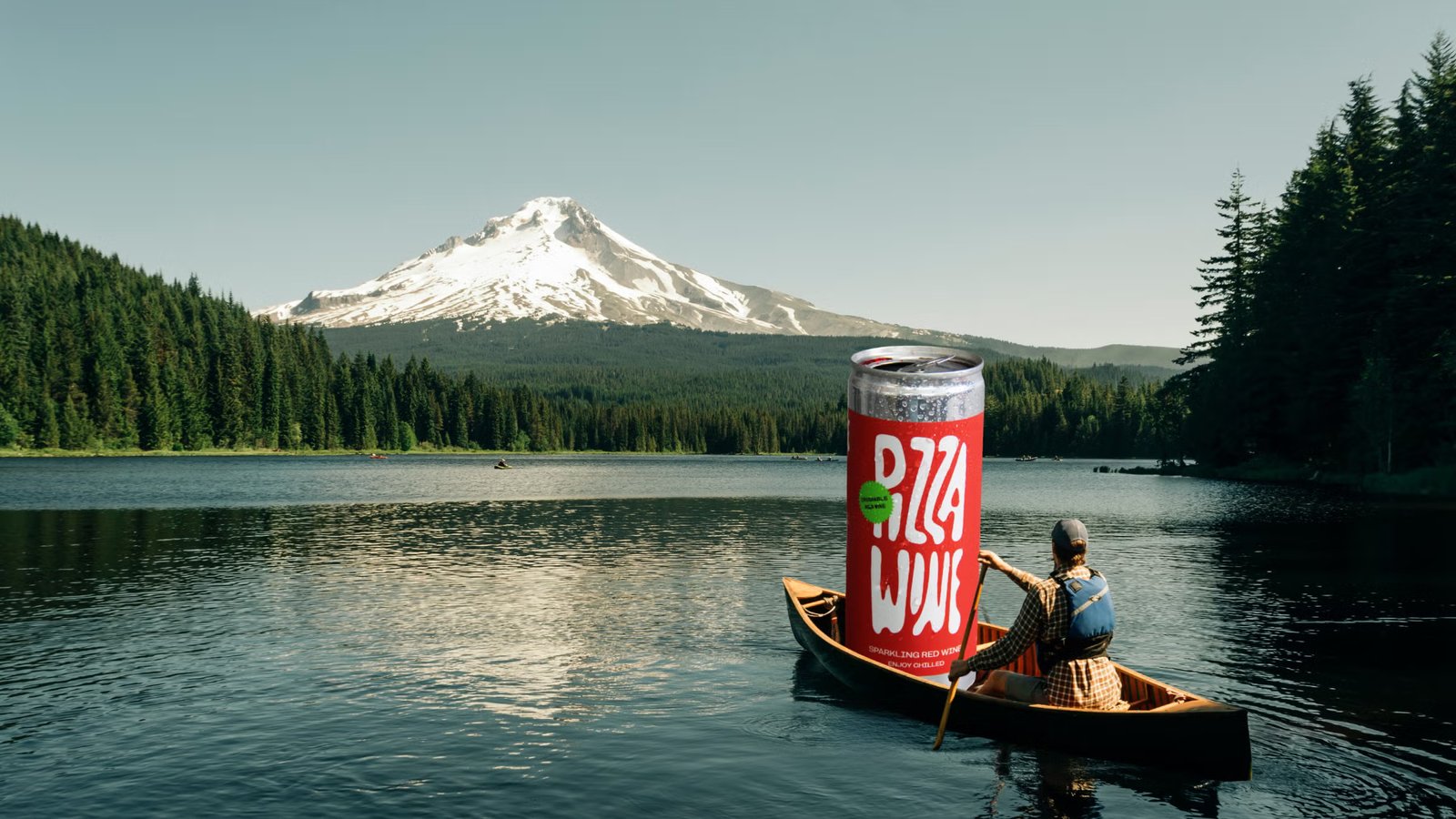
Portable, packable, and—finally—delicious, a new generation of canned wine brings better grapes to the great outdoors.
(Photo: Cavan Images/Getty Images)
Published March 30, 2026 12:30PM
Years ago, when a camper or biker wanted to take a can of wine along on an adventure, there was only one choice to be made: red or white? Today, shelves are stocked with cans of wine in a range of styles from sparkling to rosé to orange wines, often listing grape varietals and specific appellations. Most importantly, the wine inside is, by and large … actually good.
“We’ve seen improvements in every aspect of canned wine, from the makers of the cans themselves to the makers of the wine and finally, to people’s interest,” says Tim Buzinski, proprietor of Artisan Wine Shop in Beacon, New York.
In warmer months, Buzinski’s customers are often looking for canned wine to cap off a hike up Mount Beacon, or to stash in their kayak for a day on the Hudson River. In the winter, those cans are easily slipped into backpacks for the two-hour train ride from the Hudson Valley into New York City.
We’re in a golden age for active people who love great wine, as higher-quality juice is becoming more accessible and portable than ever. That’s thanks to a confluence of factors, not least of which is advancing can liner technology that make acidic beverages, like wine, more stable inside the package. There is also a glut of better wine grapes available to canned brands that don’t have their own vineyards, making premium wine more affordable for consumers. And finally, drinkers and winemakers alike have finally had an epiphany: Great wine can come in a can just as easily as a bottle. Together, these developments explain why premium canned wine sales are growing at a time when the overall wine industry has been sluggish.
“Good juice can live in a can!” insists Tiquette Bramlett, a former vineyard president who founded the Henderson Ave canned wine brand in 2025. “No, you can’t age it for 15 years, but if you want something great and easy to drink this year, you have something in your fridge or pantry that you can take anywhere.”
Plus: Cans are lighter to ship than bottles, reducing wines’ greenhouse gas emissions. They’re also infinitely recyclable—just empty, rinse, and pack ’em out of the backcountry.
Henderson Ave Dry White
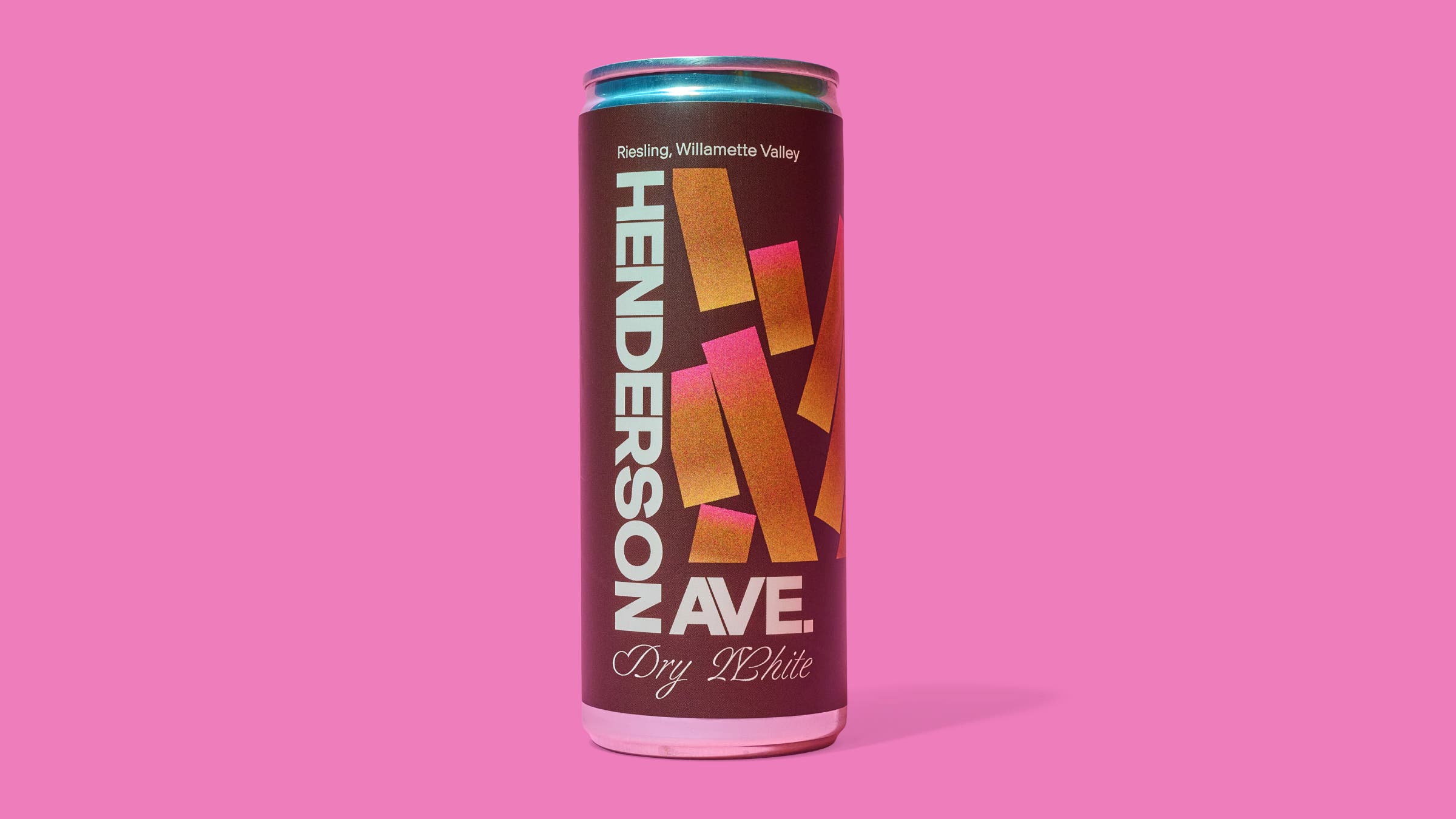
The Riesling grapes that make up 100% of this easy-drinking white from Henderson Ave are sourced from Miranda Vineyard in Dundee Hills, Oregon. The resulting wine is quenching and effortless—layered white peach, jasmine, lime pith, and an intriguing minerality.
Just Enough Cabernet Sauvignon
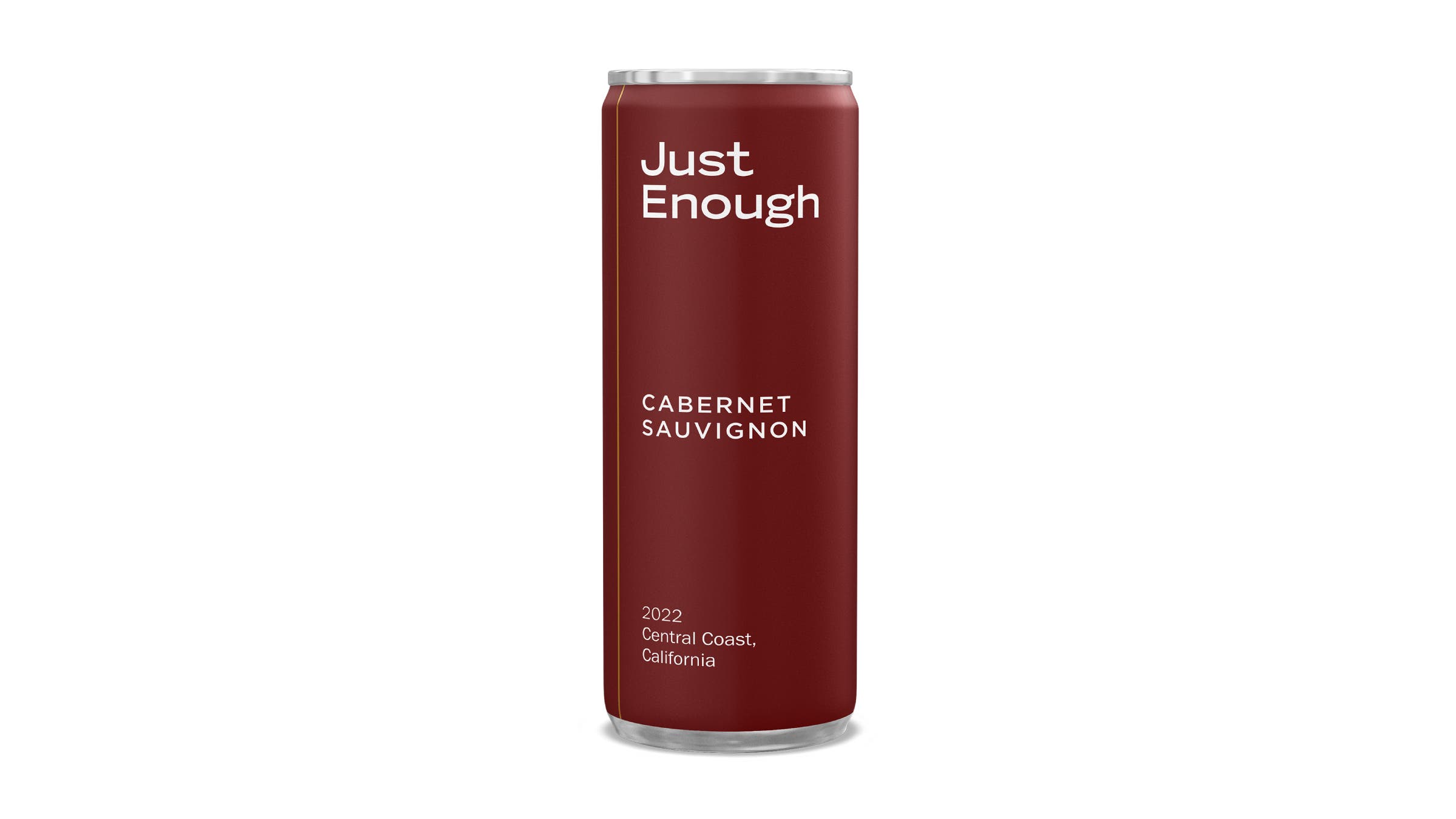
The perfect can for times when you want just one glass of a bold red alongside campfire dinner, Just Enough’s cab sauv sources grapes from California’s Central Valley. Expect all the classic jammy fruits, plus a tannic bow that pulls the finish together.
Pizza Wine
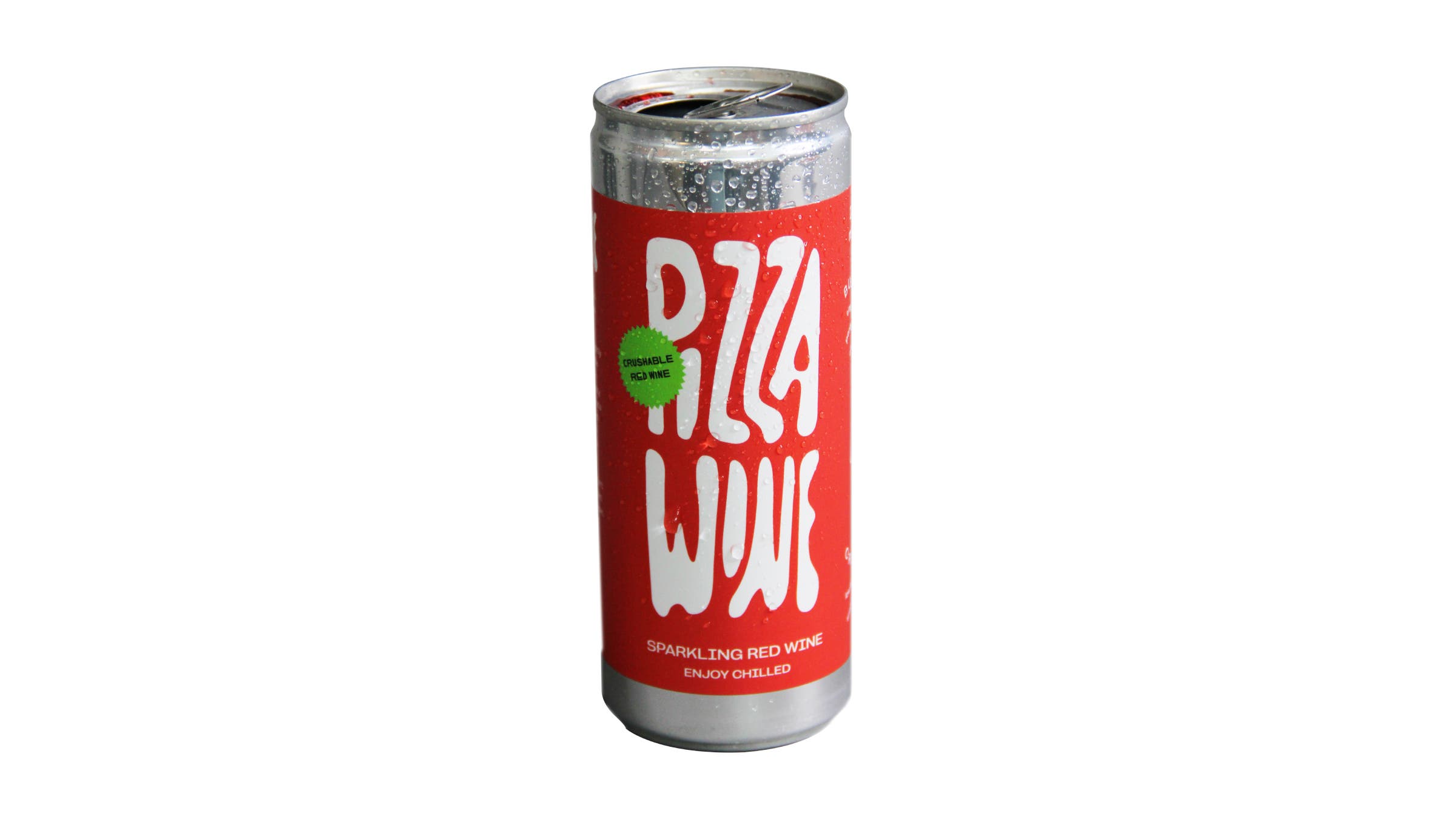
If you’re eating pizza, well … this chillable, sparkling red is a no-brainer. Technically it’s a blend of three hybrid red varietals grown in New York’s Lake Erie viticultural area, but you don’t need to know that in order to enjoy these light-bodied, dark-fruity bubbles that effortlessly cut through the richness of cheese and pepperoni.
Sipwell Rock Steady
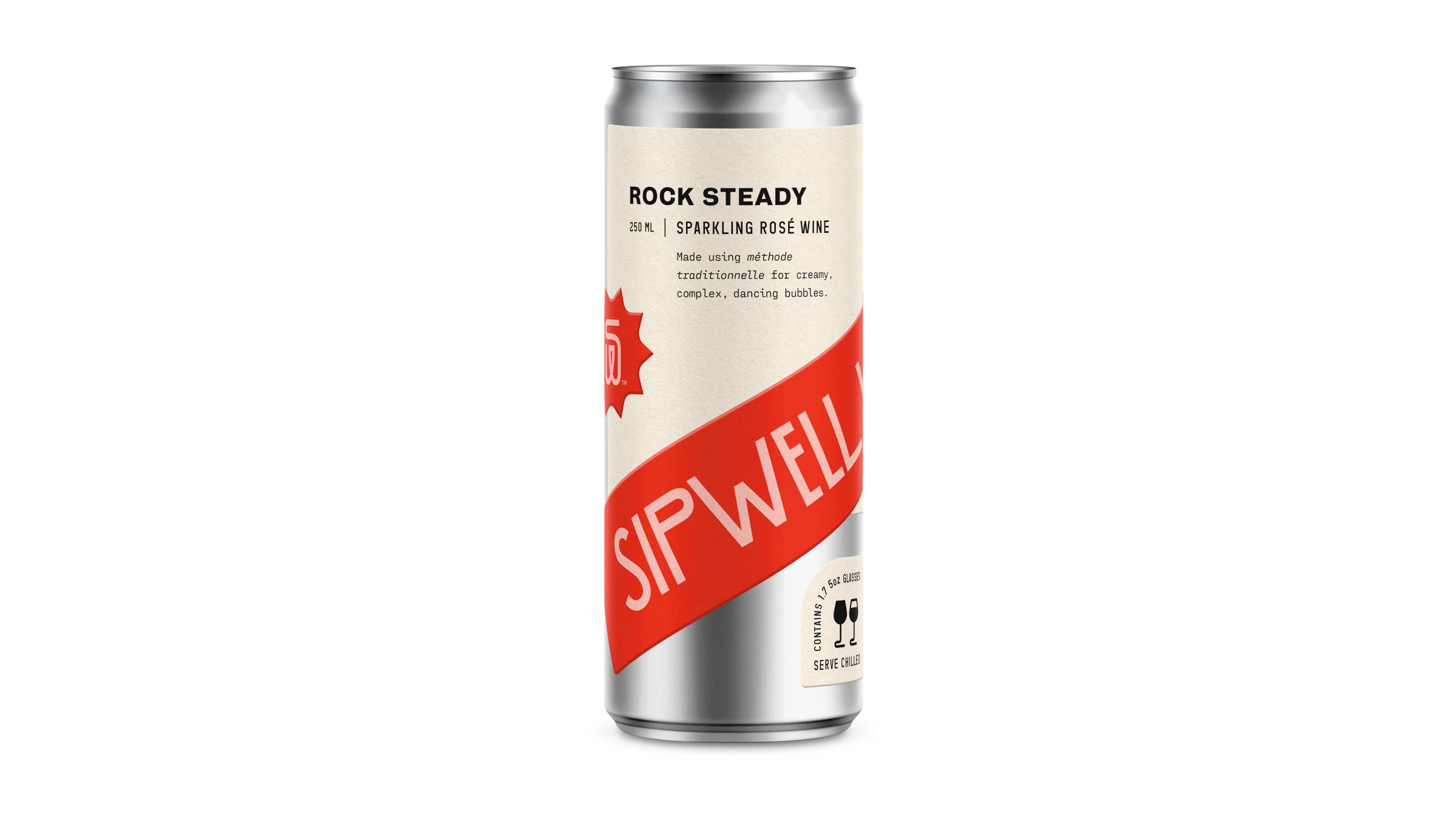
Winemakers use Champagne-method conditioning to produce delicate carbonation in this effervescent rosé made from pinot noir grapes organically grown in California’s Sonoma Coast. The texture is spritzy, but the bubbles are gentle enough not to totally scrub red-berry flavors from the palate.
Avinyó Petillant Blanc
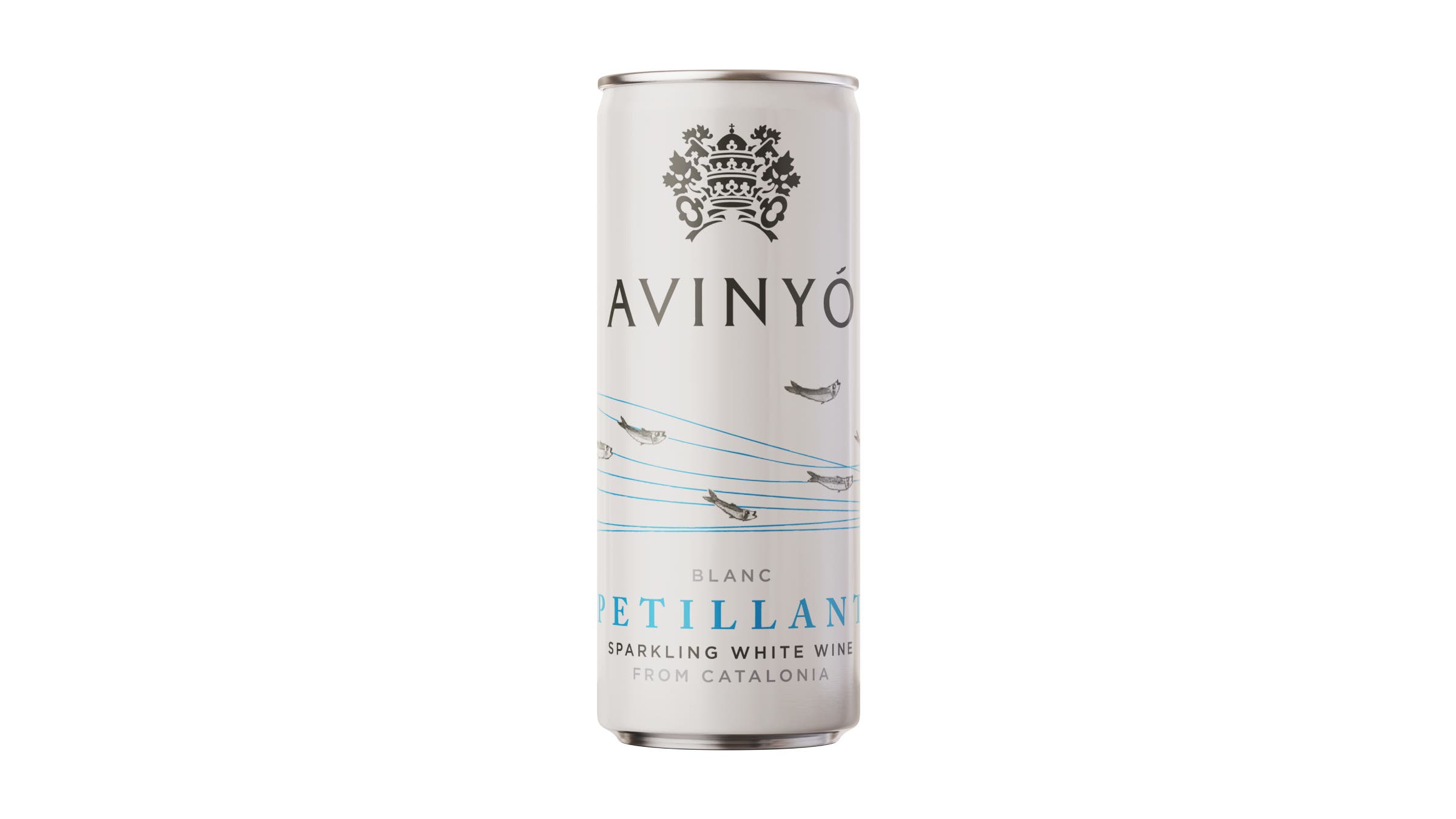
Like its French counterpart pétillant naturel, vi d’agulla is a Catalonian wine characterized by natural, fine bubbles. The grapes in this can are the real deal: a blend of organically farmed estate vineyards produce a lively, perfect-for-warm-weather refresher.
This article is from the Spring 2026 issue of Outside magazine. To receive the print magazine, become an Outside+ member here.
