

Published April 25, 2026 03:30AM
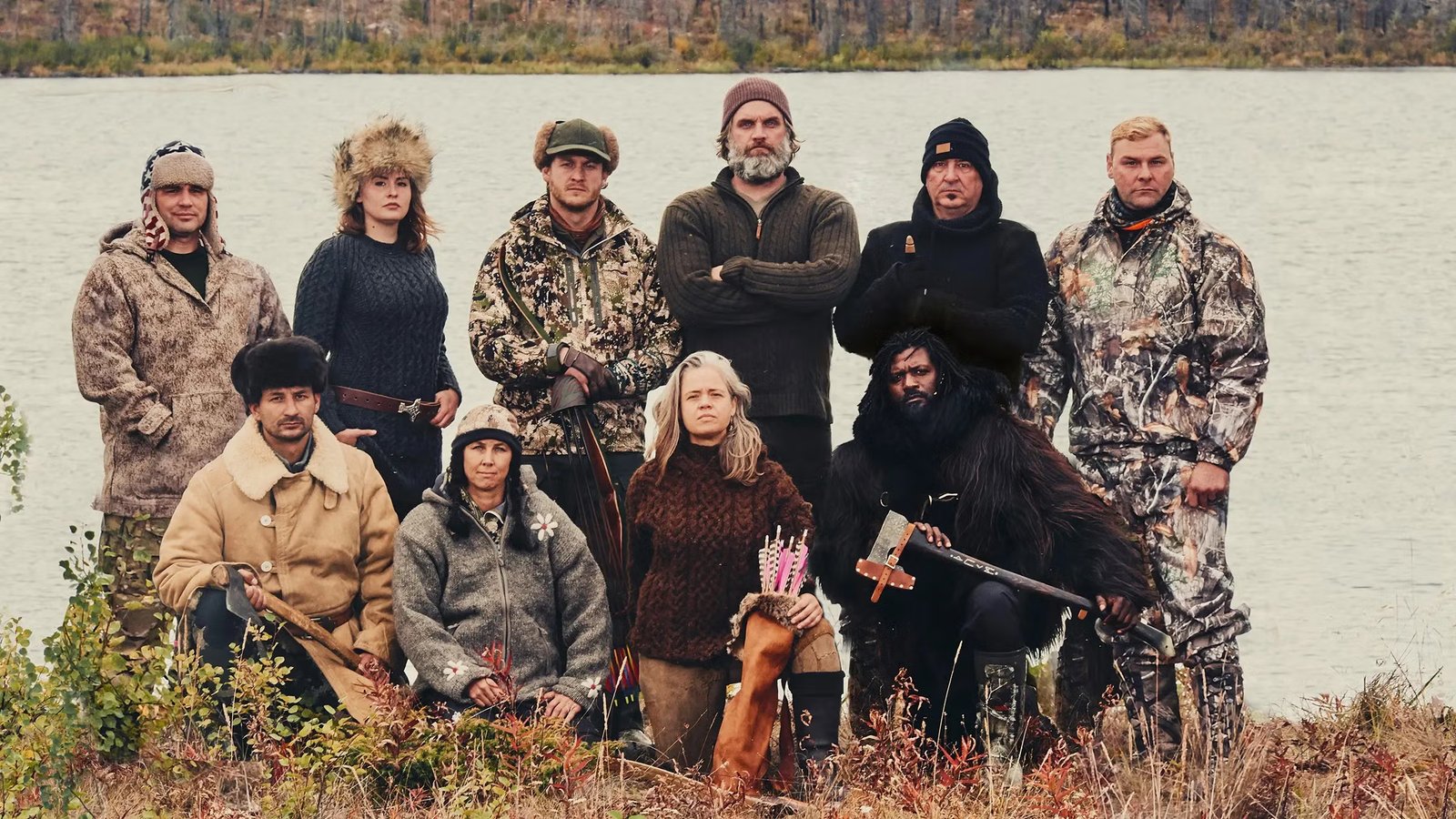
After 12 seasons of Alone (and with a 13th on the way), it’s clear that we can never get enough of shelter construction, foraging, hit-or-miss hunting, slow starvation, and the frustrating but fascinating depths of human loneliness. For those who’ve binged to the limit and still want more, we’ve assembled this list of movies, TV shows, books, podcasts, and albums that are by turns instructional, inspiring, and entertaining. All, however, speak to our craving for stories of solitary survival—and, often, triumph. They should keep you going until season 13 hits, allegedly in June.
Movies
The Revenant
Any movie in which Leonardo DiCaprio gets mauled by a grizzly bear is one to watch. But The Revenant isn’t just about how, in 1823, frontierman Hugh Glass (DiCaprio) was left for dead by his companions after that attack, then crawled 200 miles to Fort Kiowa for help, all of which would be a satisfying survival tale in itself. No, it’s also about Glass’s post-recovery quest for revenge against those who abandoned him (and killed his son). Will he go grizzly on them, or has his time in the wilderness sated his hunger for death?
Cast Away
After a FedEx plane crash in the Pacific, Chuck Noland (Tom Hanks) washes up on an isolated, windswept tropical island, where he has to learn to fish, crack open coconuts, make fire, and perform amateur dentistry, with no companion other than Wilson, a scene-stealing volleyball. There’s a good reason this is everyone’s favorite feel-good survival story: it’s just realistic enough to give us all hope we’d make it through with Hanks’s good cheer.
All Is Lost
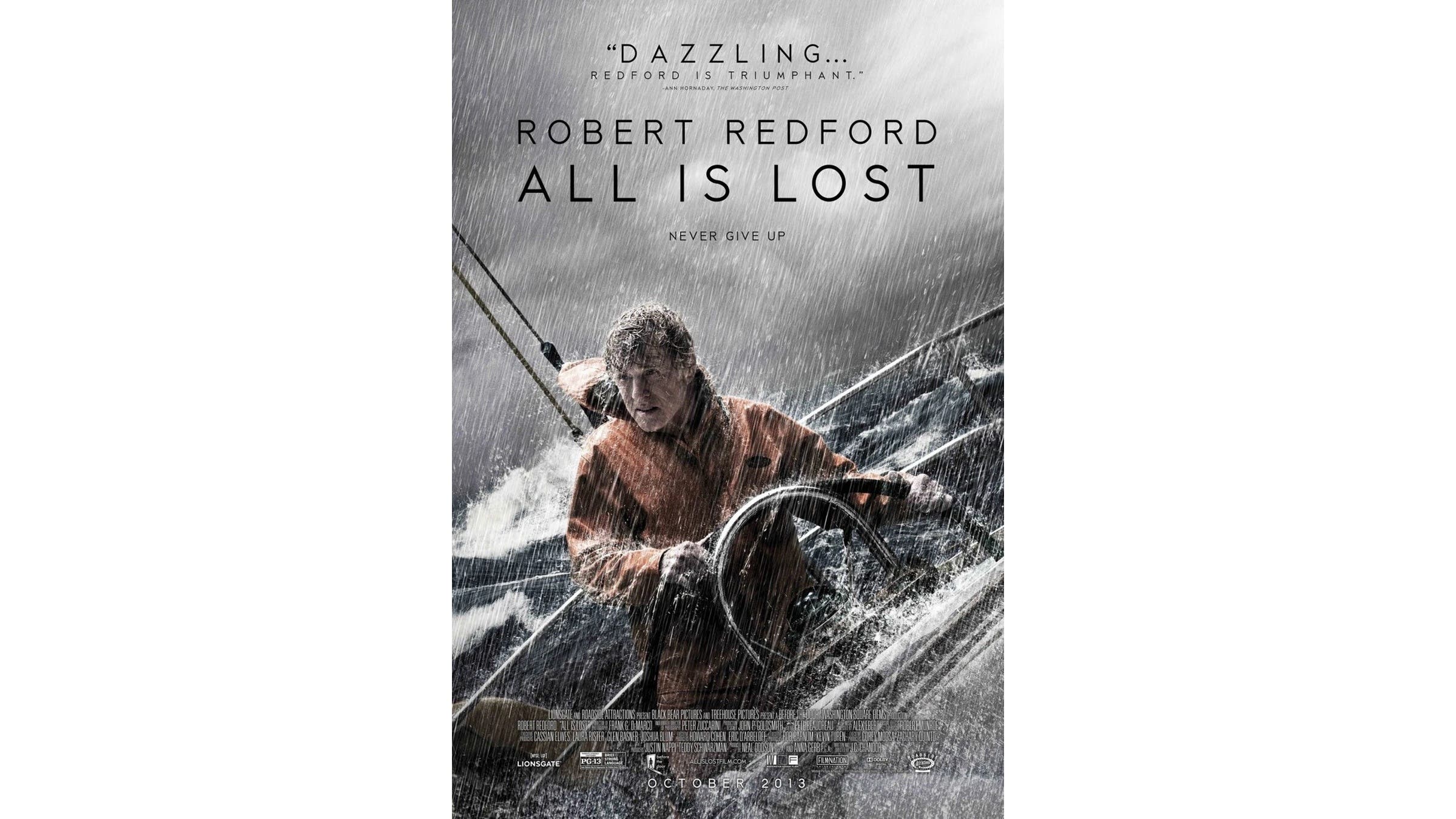
Ratchet Cast Away up a notch and you’ve got 2013’s All Is Lost, starring Robert Redford as a man on a solo sailboat jaunt for whom everything goes wrong in the Indian Ocean. With almost no words spoken, and no other actors’ faces seen, the movie shows our resourceful sailor dealing practically with misfortune after misfortune, fighting back with ingenuity and persistence against what seems like inevitable doom. Is all lost? Only one way to find out.
The Wall
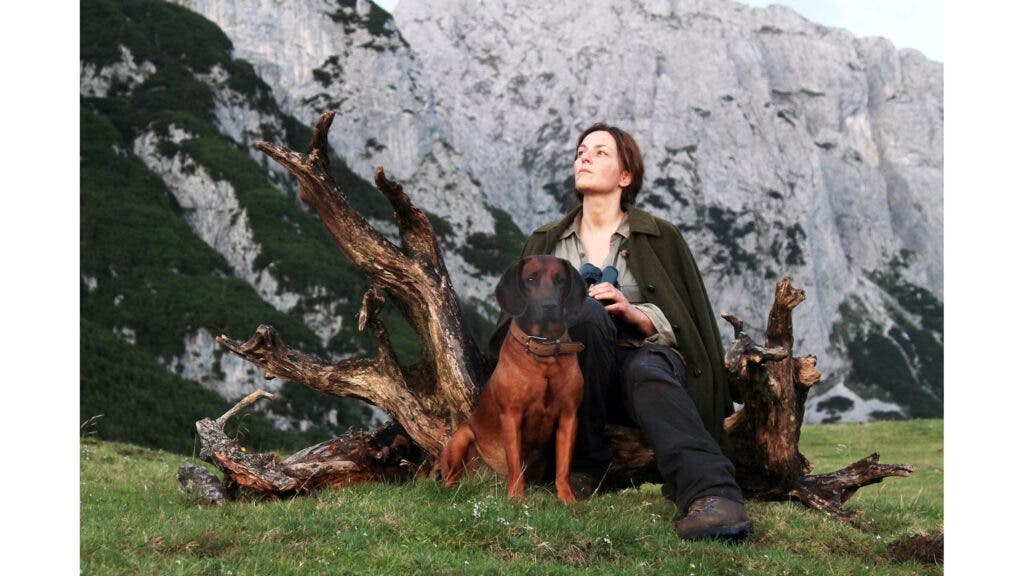
While visiting her friends’ hunting lodge in the Austrian Alps, an unnamed woman discovers that an invisible, impenetrable wall has descended around the region, cutting her off from the rest of the world and apparently killing every human on the outside. With miles to roam—and a dog, a couple of cats, and a cow as companions—she must learn to fend for herself, to grow food, and to come to grips with her new reality, one she has little hope of altering.
Wings of Hope
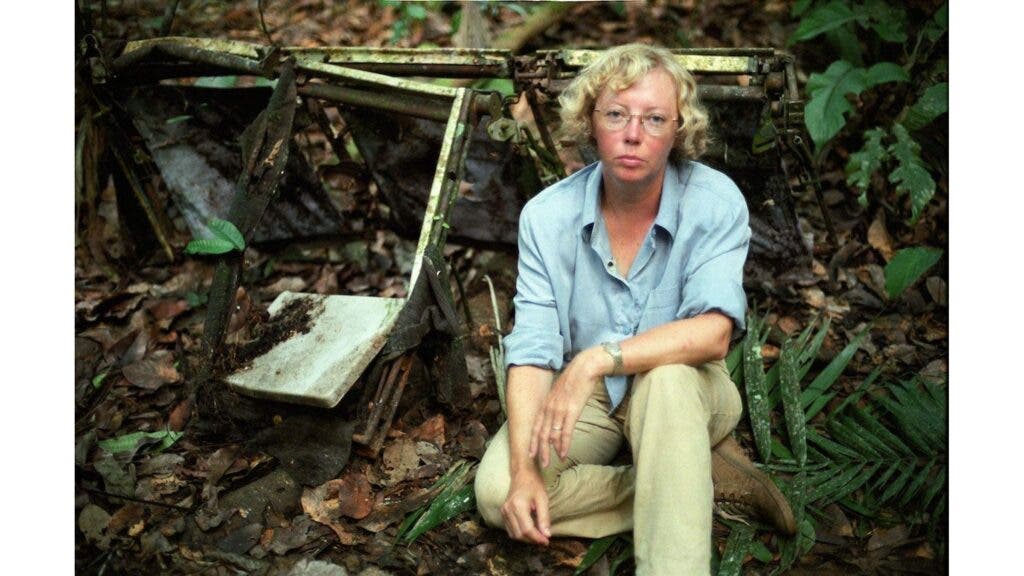
Real-life survivors of plane crashes are depressingly few, but among them Juliane Koepcke stands out. On Christmas Eve 1971, 17-year-old Koepcke was flying into the Amazon from Lima, Peru, when lightning struck her LANSA Flight 508, sending it down and killing 91 aboard—all but her. Koepcke had a broken collarbone, a concussion, an eye injury, and gashes, and then had to survive 11 more days, menaced by insects in the rainforest. Who better to document her story than Werner Herzog, who was himself scheduled to be on Flight 508?
Books
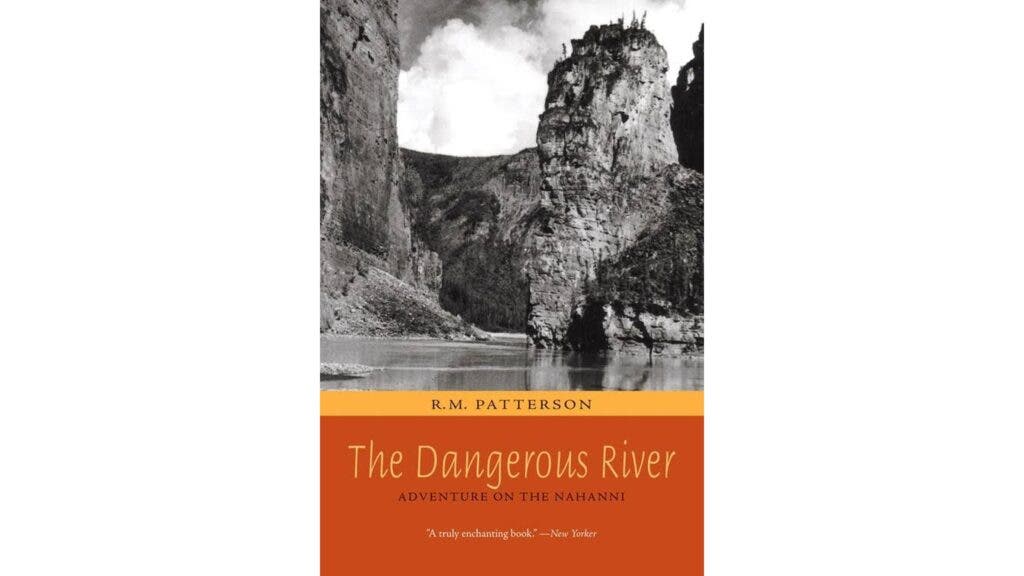
The Dangerous River
One hundred years ago, the Nahanni River, in Canada’s Northwest Territories, was one of the most remote places on Earth. That didn’t stop R.M. Patterson, a British banker and World War I veteran, from heading there in search of gold and, more important, adventure. His tales hit all the Alone points—cabin building and canoe portaging, bears and moose, hypothermia, and near-asphyxiation—in prose that is never less than elegant and beautiful.
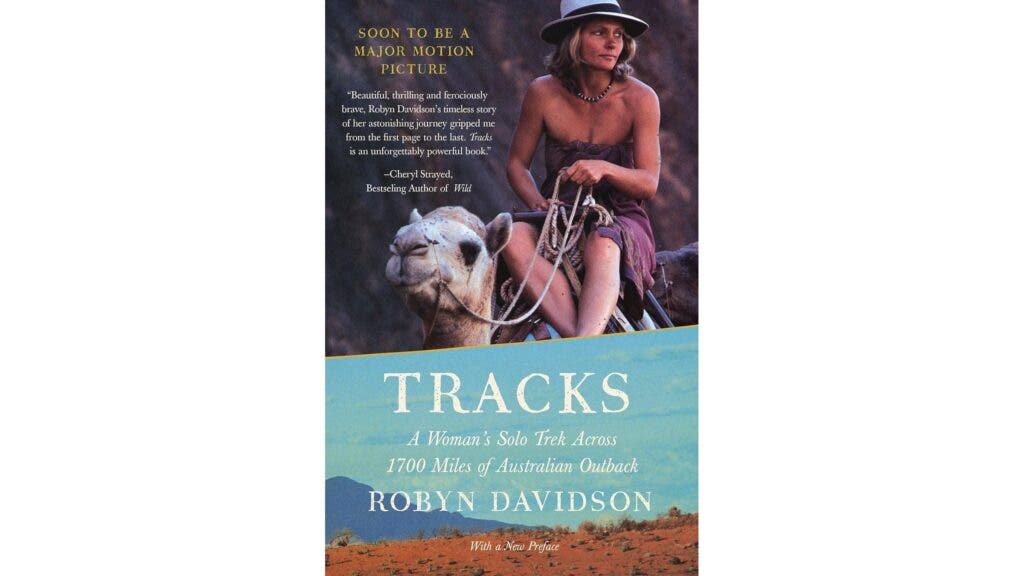
Tracks: A Woman’s Solo Trek Across 1700 Miles of Australian Outback
In 1977, Robyn Davidson set out to cross one of the world’s least forgiving environments, alone but for her dog and a few less-common companions: camels. Over many months, she encountered drunken misogynists, a National Geographic photographer, various racists, and Aboriginal people who helped her understand and navigate the landscape. But mostly, her journey is a solitary one, in which she ponders her own life and differing conceptions of time.
The Last One
Imagine being a contestant on Alone, except that while you’re trapping rabbits and fighting musk oxen the rest of the world has it even worse: the apocalypse. That’s the premise of Alexandra Oliva’s 2016 novel The Last One, which explores the distressingly thin line between reality TV and reality. How do you know when you’ve left one and entered the other?
Jungle
In 1981, Israeli backpacker Yossi Ghinsberg followed two friends and an Austrian “geologist” into the Amazon in search of (you guessed it) gold but wound up (you guessed it) alone. For three weeks, he wandered in search of settlements and people, fighting off a jaguar, almost drowning, sinking into bogs, watching his foot start to rot, and (you guessed it) hallucinating. But he lived!
Audio
Real Survival Stories
Though it’s not solely dedicated to solo survival, this podcast often features individual efforts in the wilderness, featuring the voices of, say, a guy who almost died in a corn silo or a French acrobat who got lost on an East Timor mountain, only to be saved by … ghosts? Narrated with dramatic precision by the British actor John Hopkins, these are tales engineered for suspense and catharsis.
Fox Confessor Brings the Flood
Neko Case’s wondrous fourth album is not necessarily about survival and solitude, but it conjures up that old, weird America, a land of cannery accidents, hobo preachers, and animal spirits, where everyone is, in one way or another, on their own. Put it on in an echo-y old house, or through a long road trip, and feel the magic wash over you, and you alone.
The Lonely Hour
Alone fans know that, next to finding food, loneliness is the contestants’ biggest challenge. Enter The Lonely Hour. Across dozens of episodes, host Julia Bainbridge’s podcast explored facets of solitude: the difference between loneliness and being alone, conquering it and embracing it, going solo by choice versus by circumstance. Her guests—poets, chefs, comedians, new mothers—all have wisdom to share.
TV
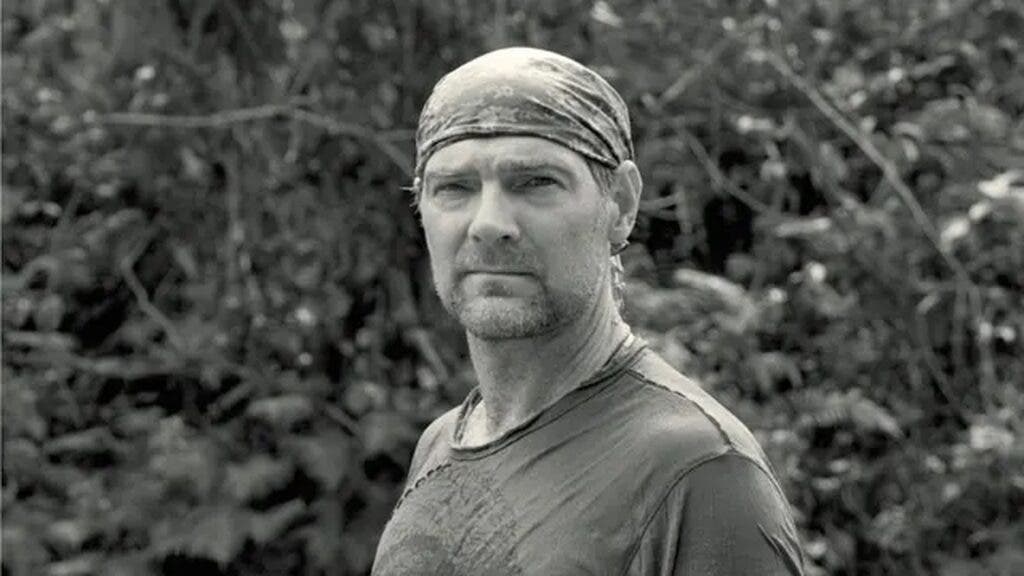
Survivorman
I’ll say it: Les Stroud invented modern-day survival television. In 2005, long before Alone and a year ahead of Bear Grylls’s slick Man vs Wild, this Canadian cameraman started venturing out into the wilderness—the Sonoran desert, the Arctic, the ocean off Belize—with not much more than his clothes, a multi-tool, a harmonica, and 50 pounds of camera gear. The primary goal: survive. The secondary goal: produce a gorgeous, compelling record of how that truly looks, sounds, and feels. Stroud is as practical as he is honest—despite his expertise, you can often see the effort wearing on his psyche. And yet he pulls through each harrowing experience, with no prize at the end but the chance to see his family, and to return to the wild to do it all over again.
