

Published May 1, 2026 03:31AM
It’s been a challenging period for America’s public lands, as the Trump administration moves to strip protections, reopen more acreage to development, and chip away at the very idea of conservation. Still, public land advocates have recorded victories.
Across the country, nonprofits, state and local governments, and willing landowners are adding acreage to national parks, forests, and community green spaces, proving that while Washington can make public lands harder to protect, it has not stopped people from expanding them.
Outside spoke with David Patton, vice president and managing director of the Center for Community Impact at Trust for Public Land, about recent acquisitions of public lands.
“We are not seeing a lack of interest in public lands,” Patton told Outside. “People still love having high-quality outdoor spaces, and it’s up to us as a community to continue to advocate for them.”
He cited a 2025 report showing that outdoor recreation contributes $1.2 trillion to the U.S. economy and sustains five million jobs. National parks, often seen as a measure of the public’s appetite for public lands, welcomed 331.9 million visitors.
Patton explained that federal lands are most often expanded through the Land and Water Conservation Fund, a dedicated program created by Congress in 1964 to help meet growing national demand for access to nature and outdoor recreation. “The Land and Water Conservation Fund is alive and working,” he said.
Passed in 2020, the Great American Outdoors Act allocates $10 billion to deferred maintenance in national parks and on public lands over five years. The Land and Water Conservation Fund has since received $900 million annually from royalties paid by energy companies drilling for offshore oil and gas in American waters.
How Are Public Lands Growing in 2026?
- Purchases by the Land and Conservation Fund: the federal government’s program for purchasing land to set aside for conservation and recreation
- Conservation easements: a private owner works with a land trust or government entity to set aside land for conservation
- Nonprofit purchases of inholdings—private parcels located within the boundaries of public land
- State- or local-led acquisitions
Some states have built on that model with their own funding mechanisms. Great Outdoors Colorado, for example, is supported by a portion of state lottery proceeds. Washington’s Wildlife and Recreation Program is funded through state-issued bonds, while Tennessee’s Local Parks and Recreation Fund draws on a dedicated share of real-estate recordation taxes.
At the same time, communities are often willing to step up, approving significant local funding measures that reflect the value they place on public lands as part of their quality of life.
Since 1996, when its current records begin, Trust for Public Land has helped communities across the country pass 687 ballot measures, generating more than $112 billion in voter-approved funding for parks, public lands, and conservation, Patton said.
“Even when federal policy shifts and funding sources diversify, local land conservation can continue,” Patton said.
One of the regions Patton is most excited about right now is a swath of 13 states spanning from southern New York to northern Mississippi with historical ties to extractive industries. “Communities are transitioning away from reliance on legacy industries like coal and seeking ways to reinvent their economy while maintaining their quality of life,” Patton said. His organization is currently in discussions with communities there about how investing in public lands can help create a vibrant, sustainable outdoor recreation economy.
Still, Patton is clear-eyed about the stakes. “There are worrying developments in Washington, where officials are advancing proposals to reduce our public lands, either by transferring them to states, selling them to private interests, or some combination of the two,” Patton said. “The fact is, we need more public lands, not less.”
Against that backdrop, recent expansions matter all the more, he said. Here are eight of the most important public lands increases:
A Long-Fought-Over Stretch of the California Coast
In February 2025, after more than two decades of litigation, advocacy, and development pressure, conservationists won a major victory when the last remaining undeveloped stretch of coastline near Malibu became public land.
Deer Creek Beach, a 1,241-acre parcel previously owned by the Mansdorf family, is a prime coastal mountain habitat where cougars and coyotes still roam. It includes two miles of untouched shoreline along Highway 1. “Deer Creek was the rarest and largest conservation opportunity on the Southern California coastline in a generation,” Patton told Outside.
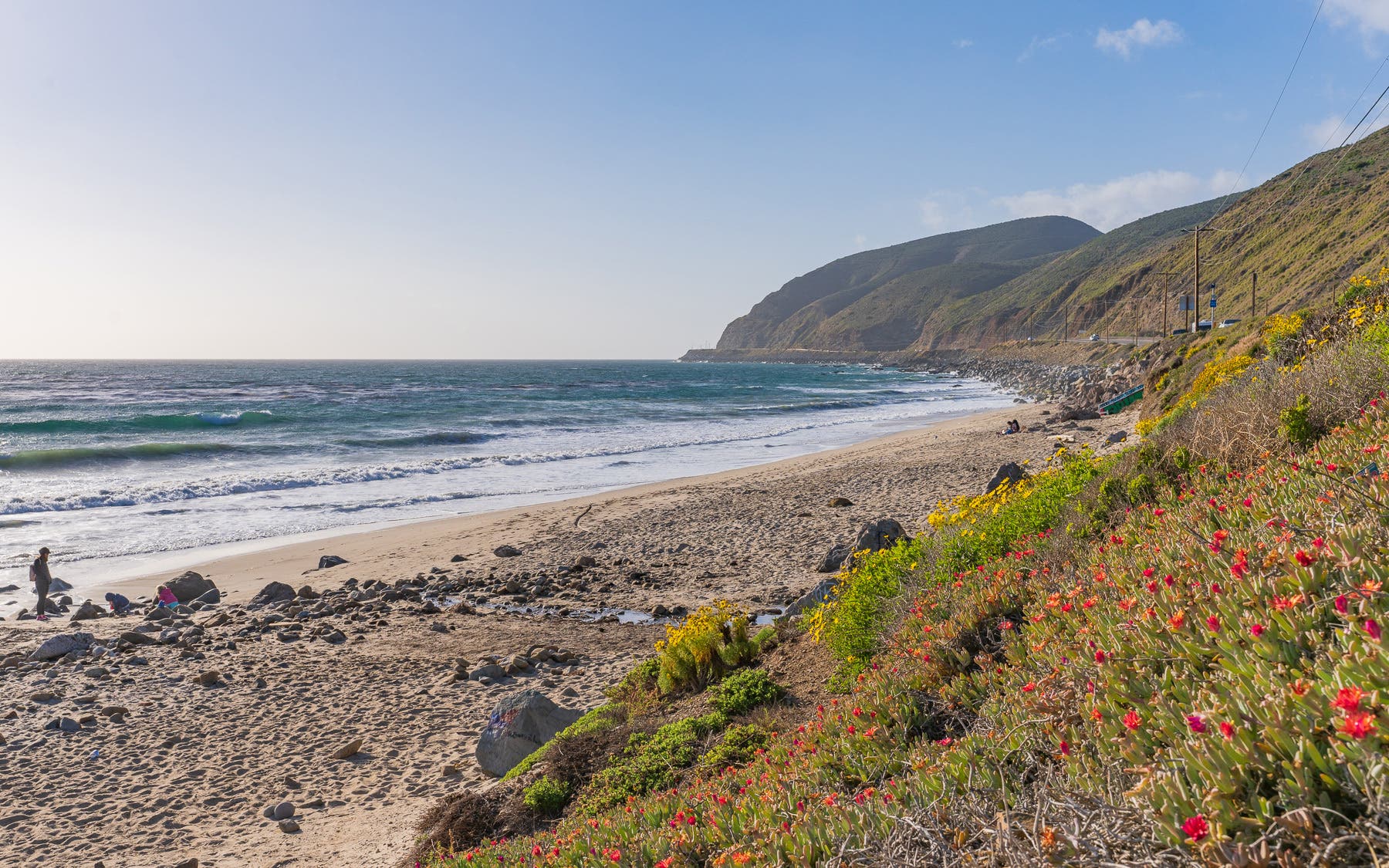
The acquisition was a multiyear effort involving numerous individuals and organizations, including local elected leaders, the Santa Ynez Band of Chumash Indians, the Santa Monica Mountains Conservancy, the Mountains Recreation and Conservation Authority, the National Park Foundation, and the Trust for Public Land.
Deer Creek Beach was added to the Santa Monica Mountains National Recreation Area, which is managed by the National Park Service. The $27.7 million purchase was funded through the Land and Water Conservation Fund.
Patton said the deal will expand outdoor access for the roughly 8 million people living nearby. Deer Creek Beach also contains a segment of the proposed Coastal Slope Trail, a 70-mile recreation network that would link Point Mugu State Park and Topanga State Park across Los Angeles and Ventura counties.
Huge Forests in Montana and Idaho
Some of the biggest recent gains in public land came through conservation easements on private working forests in Montana and Idaho.
In December 2025, in northwest Montana near Glacier National Park, the Montana Great Outdoors Project permanently protected 53,000 acres of working forest. This acquisition was part of the project’s second phase; 33,000 acres had been secured in the first phase.
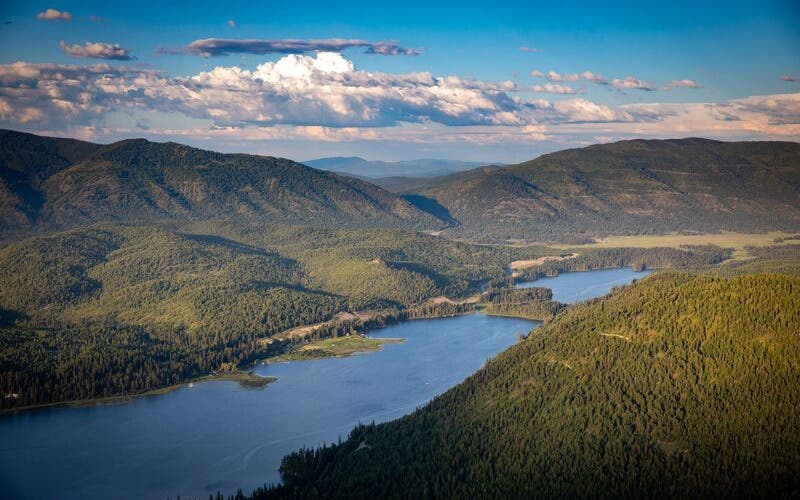
The project—a joint effort between the Trust for Public Land, Montana Fish, Wildlife, and Parks, and Green Diamond Resource Company—ensured continued public access to the popular elk hunting grounds between Kalispell and Libby. “It’s a non-traditional approach to conservation that balances recreation with sustainable forestry,” Patton said.
Other recent deals include 13,403 acres in Montana’s Flathead and Lincoln counties, 22,000 acres in northern Idaho through the Spirit of Mount Spokane Forest Legacy Project, and 10,846 acres in northern Idaho through a deal with Stimson Lumber.
A National Park in Arizona
In April 2025, Arizona’s Pima County, working with the Trust for Public Land, used money from the Land and Water Conservation Fund to purchase two parcels totaling 47 acres in the foothills of the Tucson Mountains adjacent to Saguaro National Park. The addition extended protection for threatened Sonoran Desert habitat and safeguarded the iconic saguaro cactus, which can grow to 60 feet tall and live for more than two centuries.
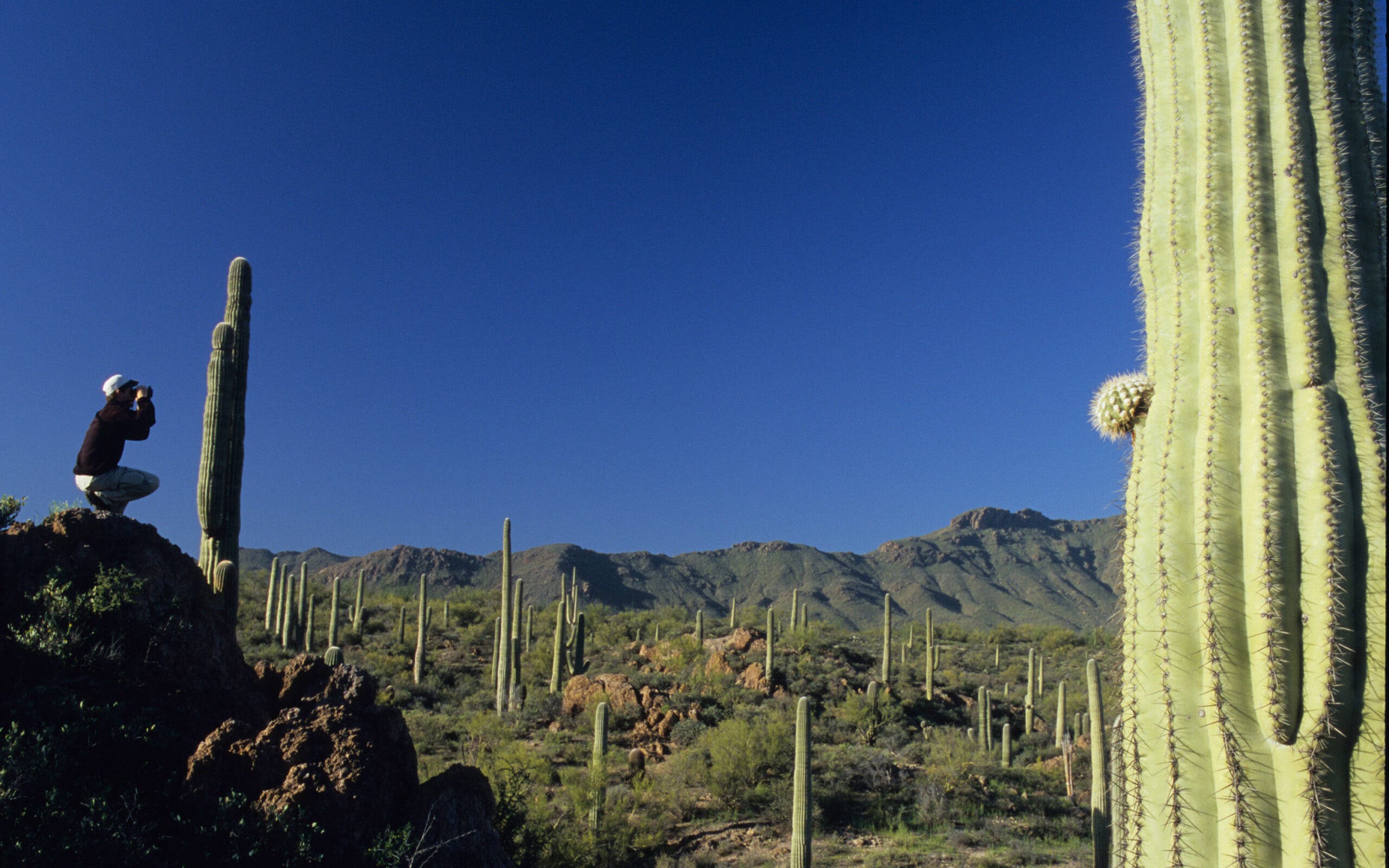
The total acreage added was small, but crucial—it secured a public access corridor between Saguaro National Park and Sweetwater, a 900-acre preserve with 16 interconnected hiking, mountain biking, and horseback riding trails in a landscape otherwise hemmed in by subdivisions.
Then, in December, Pima County purchased another 20 acres of privately held land adjacent to Sweetwater to complete the connection. “It’s taken years of work to get here,” Patton said. “Sweetwater is an amazing access point that was really needed in that part of the park.”
Two New Wildlife Management Areas in Louisiana
Last year, Louisiana created two new Wildlife Management Areas (WMA): the 1,642-acre Bogue Chitto WMA, near Bogue Chitto State Park about 65 miles north of New Orleans, and the 426-acre Flatwoods Savanna WMA, an old-growth longleaf pine ecosystem between the towns of Reeves and LeBlanc.
Wildlife Management Areas are public lands managed to protect habitat, sustain game and non-game species, and provide public access for hunting, fishing, and other outdoor recreation. In Louisiana, the Department of Wildlife and Fisheries manages them.
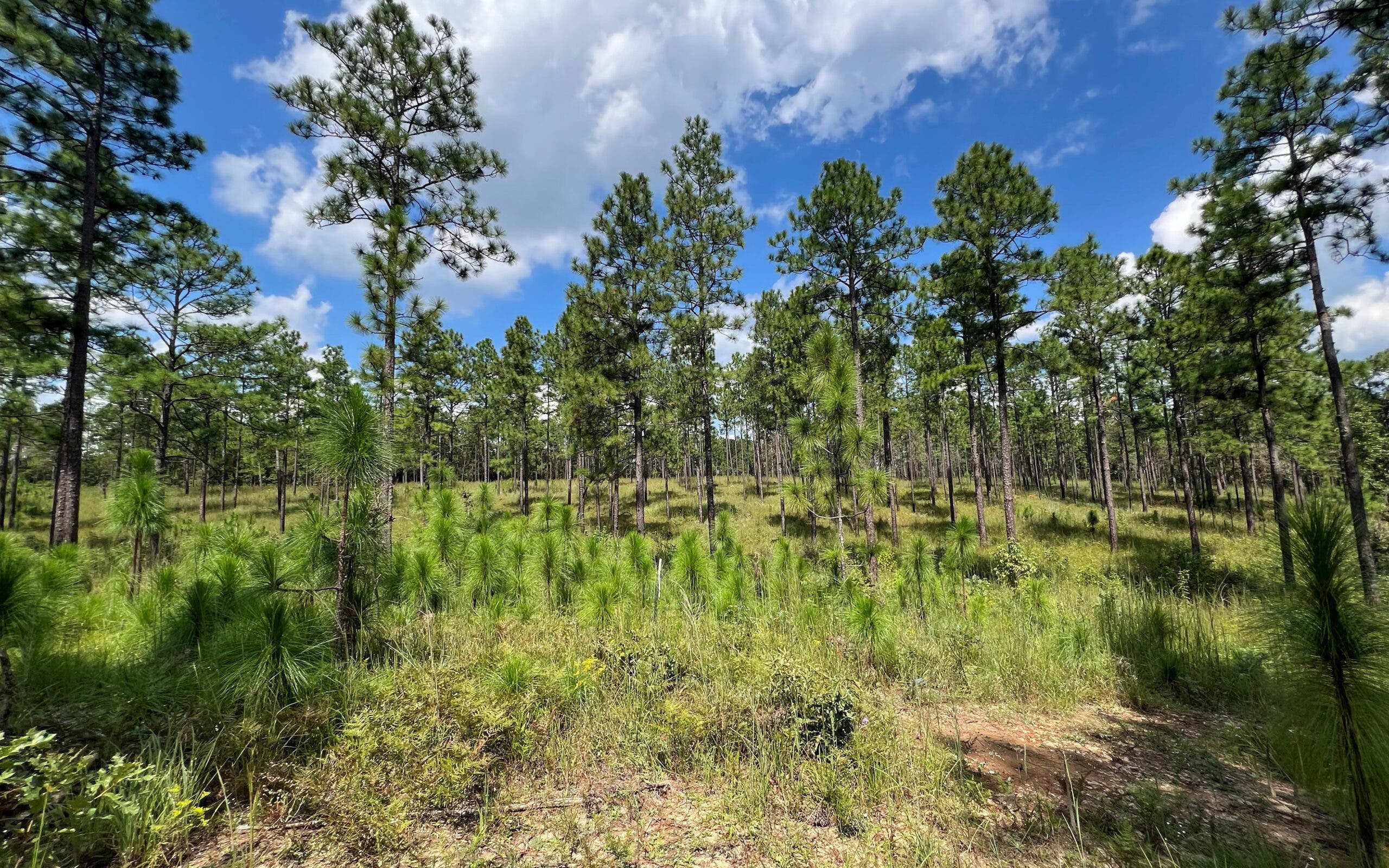
Funding for both new WMAs came through the Louisiana Outdoors Forever Program, which was established by the state legislature in 2022 to support outdoor conservation projects.
The same program also helped fund a major expansion of Bogue Chitto State Park. In partnership with the Trust for Public Land, Louisiana State Parks acquired 800 acres adjacent to the park, increasing its size by 45 percent to more than 2,593 acres.
Bogue Chitto is one of Louisiana’s most biodiverse rivers. The park’s expansion, taken together with the new Wildlife Management Areas, significantly increased wildlife habitat, recreation space, and protected land in Louisiana in a single year.
Lake Tahoe’s National Forest Sees a New Trail
At the end of 2024, more than 3,500 acres in California’s Sierra Nevada were protected and added to the Tahoe National Forest. Trust for Public Land, in partnership with Truckee Donner Land Trust and Bear Yuba Land Trust, managed the $7.6 million purchase from Sierra Pacific Industries, funded by the Land and Water Conservation Fund.
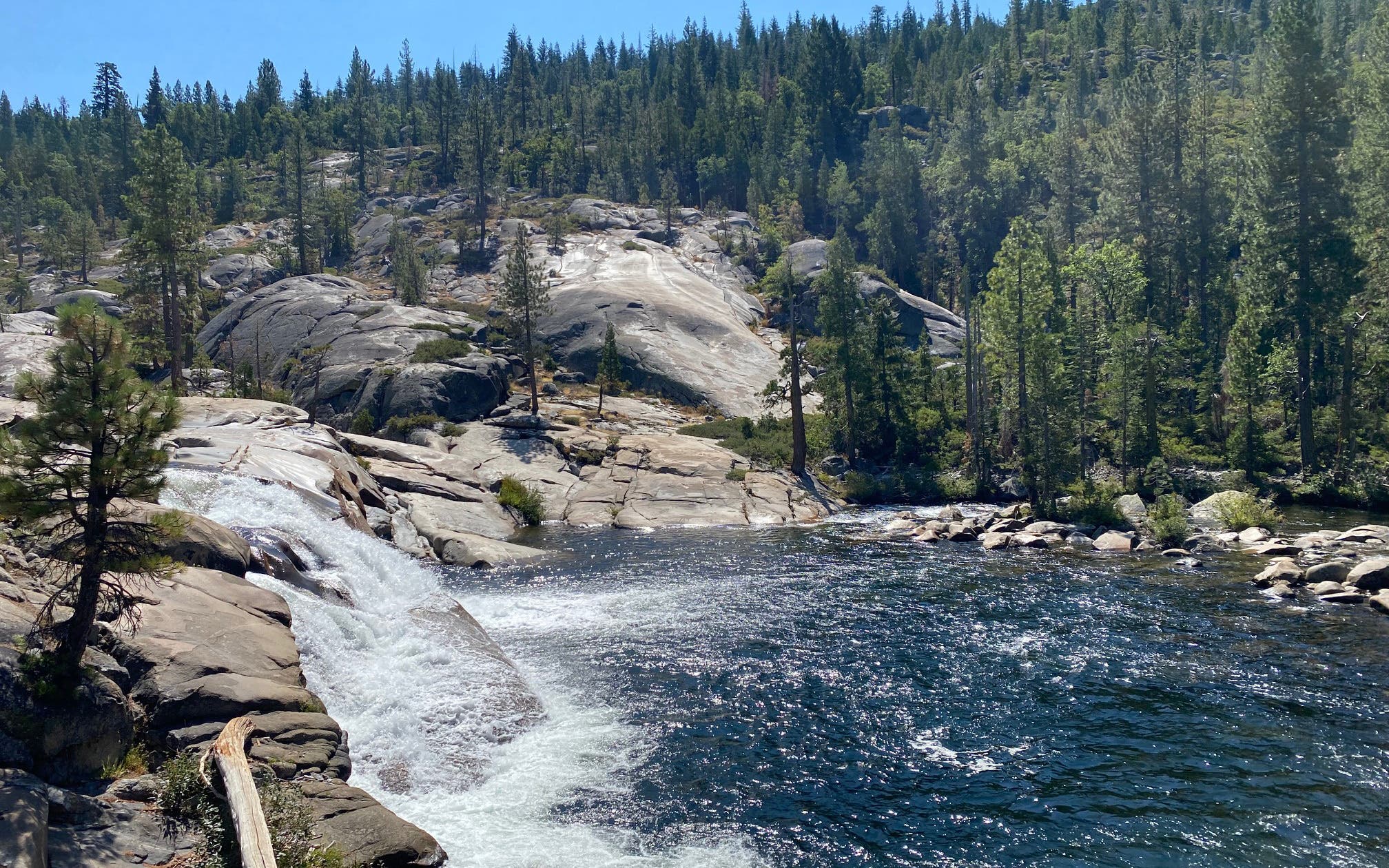
The acquisition did more than add acreage. It protected a critical habitat corridor that includes 56 identified wetlands, four Sierra meadows, four miles of intermittent and perennial streams, the headwaters of the South Yuba River, and two significant watersheds.
It also secured 22 miles of the planned 72-mile Pines to Mines Trail, a long-distance route that will cross the Pacific Crest Trail, ultimately connecting Nevada City and Truckee by going up and over the Sierras.
The Biggest National Forest in the Pacific Northwest Got Even Bigger
In January 2026, the Okanogan-Wenatchee National Forest, located on the eastern flank of the Cascade Range in Washington, grew by 11,520 acres. Chelan County, Chinook Forest Partners, and local community organizations worked with the Trust for Public Land to broker a $22 million deal with private landowners, paid for by the Land and Water Conservation Fund.
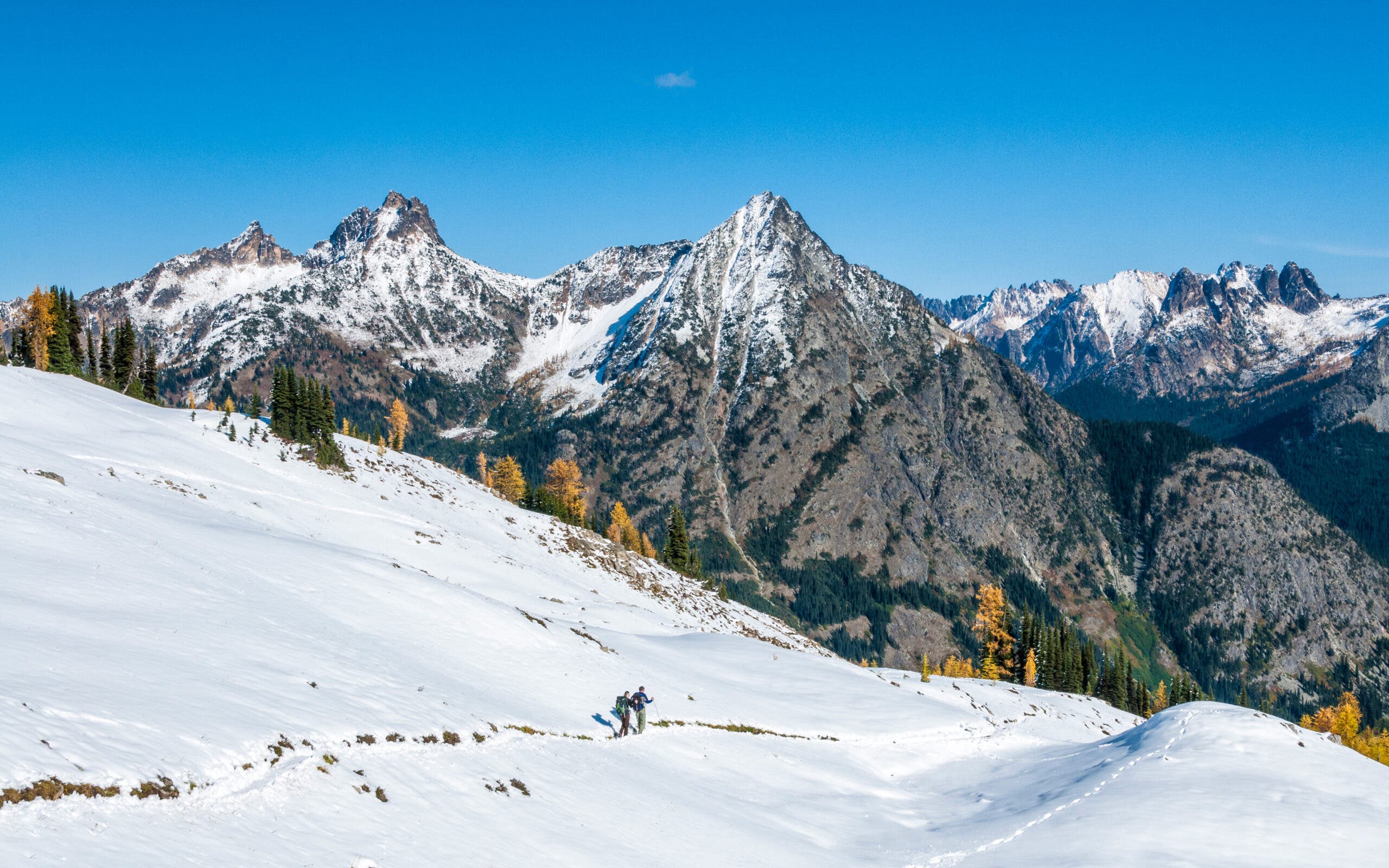
The significance of the purchase was not the size of the parcel—a mere fraction of Okanogan-Wenatchee National Forest’s 3.8 million acres—it’s the richness of the ecology. The land acquired is part of the Upper Wenatchee watershed, funneling rainfall and snowmelt into the Columbia River Valley. It’s both a critical wildlife corridor and a cornerstone of the region’s outdoor recreation economy. The new parcel contains part of Horse Lake Mountain’s summit and multiple vital links between trail systems.
Patton said converting more of the Upper Wenatchee watershed into public lands is a priority. The area has long been a checkerboard of public and private lands, which complicates not only wildlife health and recreation access, but also wildfire management.
A Vulnerable Section of the Appalachian Trail Receives Protection
Not every important land deal is huge. Last year in western Maryland, just three acres were protected to safeguard a popular stretch of the Appalachian Trail (AT) near Weverton Cliffs. The section of trail technically runs through South Mountain State Park, but a quarter-mile of it was located on an inholding—a privately owned parcel within the boundaries of public land.
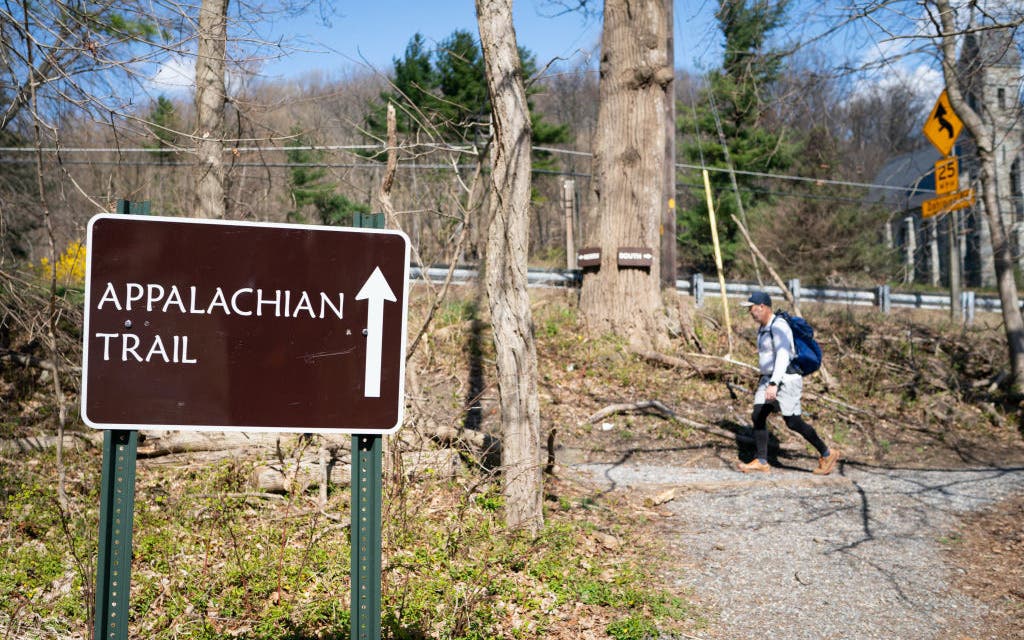
Inholdings are risky because they leave even commonly used land vulnerable to development or access conflicts. The Appalachian Trail Conservancy and the Trust for Public Land worked with the owner to purchase the three acres at market value. The organizations then launched a fundraising campaign, raising $93,000 in gifts and grants to cover the cost.
The land is now permanently public and managed, like other sections of the AT in the area, through a partnership among the Appalachian Trail Conservancy, Maryland State Parks, and volunteers with the Potomac Appalachian Trail Club.
An Acquisition Creates the Largest Park in the U.S. Virgin Islands
Conservationists and outdoor advocates celebrated a major win outside the continental U.S. in the summer of 2025. U.S. Virgin Islands governor Albert Bryan Jr. and the territory’s Department of Planning and Natural Resources, working alongside the Trust for Public Land, permanently protected 2,469 acres in the northwest corner of the island of St. Croix.
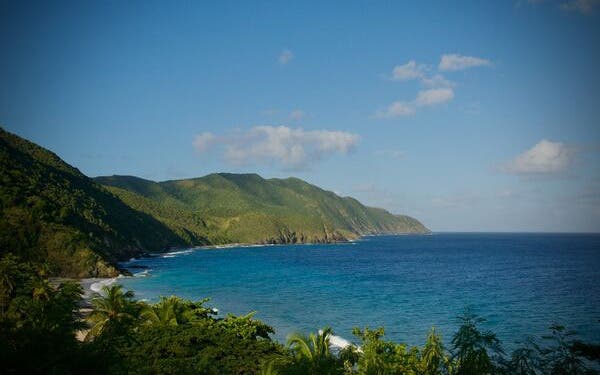
The resulting Maroon Sanctuary Territorial Park is the largest in the U.S. Virgin Islands. It covers four percent of St. Croix’s landmass and includes some of the island’s most contiguous forest and coastal land. The park protects part of Maroon Country, where escaped slaves found refuge in St. Croix’s steep, forested interior in the 1700s. It also preserves the Annaly Bay tide pools and helps safeguard the Cane Bay reef and other scuba diving sites along the island’s north shore from pollution and sediment.
The acquisition is part of groundbreaking legislation passed in the U.S. Virgin Islands in 2022 to create a territorial park system, giving the local government a formal way to preserve important land from development and manage it for conservation, culture, and public recreation.
The $17.5 million purchase was funded by a National Oceanic and Atmospheric Administration grant made possible through the Inflation Reduction Act.
