

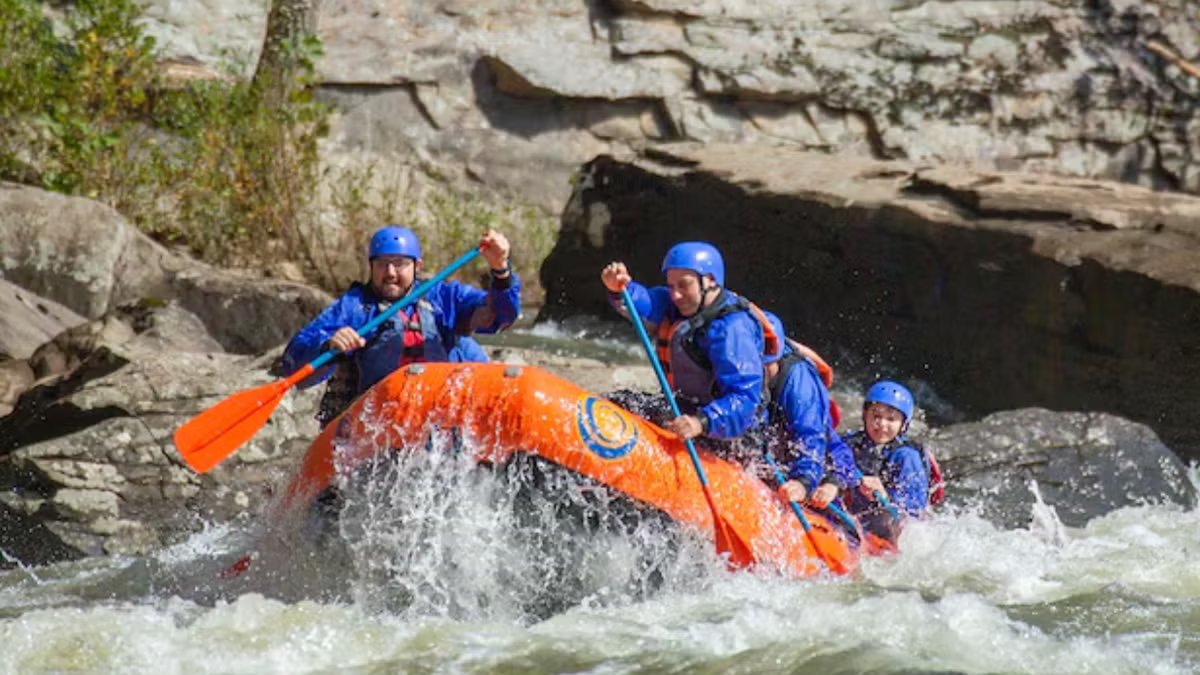
I hadn’t heard the phrase “taking the waters” until I was invited to the Greenbrier, a National Historic Landmark hotel located in West Virginia’s Allegheny Mountains. Although it’s been said for centuries in European spa towns (i.e., prendre les eux in France, heilwasser trinken in Germany), the phrase didn’t pick up in America until the 18th century, right around the time when the Greenbrier first opened in 1778. For decades, presidents, celebrities, and wellness seekers arrived at this grande dame hotel, eager to relax and socialize while taking in all the healing and therapeutic goodness of the resort’s famously mineral-rich hot springs.
However, when I arrived with my husband and two kids, it was clear the meaning of the phrase was undergoing a very active overhaul.
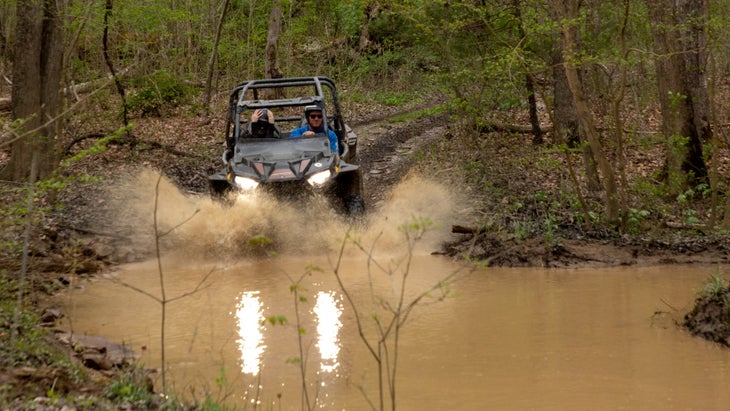
There were still the formal dinners, the patterned carpets, and the white-glove-level treatment from the resort’s highly tenured staff, but instead of a hotel filled with bathrobe-wearing tourists, I found myself surrounded by travelers like me who were there for an adventure. Posters for white water rafting trips and Polaris RZR driving adventures hung behind the concierge desk in the Dorothy Draper designed lobby. The guided fly-fishing excursion was booked up, we were told, but there were still spots available for the aerial adventure course and the mountain bike trail ride. Paintball was an option before kayaking if we wanted, or we could do the mountaineer experience (archery, tomahawk throwing, etc.), followed by falconry instead.
History surrounded me—including framed photos of presidents and movie stars who once frequented the hotel to sip sundowners and bathe in the thermal springs—but so did adventure. Guests lined up for a walking history tour of the hotel’s once-secret Cold War bunker while others sauntered through the halls dressed for a day of mountain biking. At the end of the day, everyone met up for mint juleps beneath the grand chandeliers of the lobby bar, where they swapped tales from their day just like the original hot-springs-seeking guests once did, only today, those stories had a thrilling twist to them.
“We’re seeing a shift in how our guests want to experience the resort,” says Cam Huffman, director of public relations for the Greenbrier. “Guests are still looking to us for a relaxing escape in the mountains, but relaxing doesn’t mean ‘doing nothing,’ like it once did. More and more Greenbrier guests want something that will get their adrenaline pumping a bit. They want adventures and they want spa time, which is why we’ve added activities like paintball and rafting trips. Our guests are looking for balance, more than ever.”
But the Greenbrier isn’t the only historic resort in America where active pursuits are intertwining with—and even overtaking, in some cases—leisure.
Iconic Resorts for Adrenaline Junkies
In Indiana, the French Lick Resort just debuted its first-ever (and much-requested) catch-and-release fishing pond as well as new hiking trails. The resort opened in 1845 as a mineral springs resort, but now hosts regular pickleball tournaments, archery competitions, and even a collegiate baseball spring training.
In Glenwood Springs, Colorado, the Glenwood Hot Springs Resort dedicated a portion of its historic 1888 Grand Pool for lap swimming and now offers overnight packages that include snow skiing and access to the Glenwood Canyon Adventure Park. Out in Arkansas, the 1886 Crescent Hotel launched a new adventure package that gives mountain bikers a discounted stay between Sundays and Thursdays. They also have a partnership with the local park system that allows hotel guests who show their room key on a hike to the Grotto Cave free access inside.
Even former leisure-only properties by the sea have amped up their active offerings, like the historic Casa Marina Key West, Curio Collection by Hilton, which just transformed their private beach—the largest in Key West—into a full-service launching pad for parasailing, jet skiing, kayaking, and sportfishing excursions. The grande dame hotel opened as a seasonal retreat in 1920, but now it’s open year-round and is attracting a new breed of tourist with its twist on “taking the waters.” Dubbed “America’s First Seaside Resort,” New Jersey’s Congress Hall started as a boarding house in 1816 for summer sojourners, but now boarding is one of the most popular options for summer guests staying at this year-round resort. The Beach Shack’s new surfing package includes access to the biking trails and beach activities, of course, but it also comes with a private lesson with an expert instructor.
The Data Behind the Shift: Why Modern Travelers Demand History with Their Adventures
Americans are getting more adventurous while traveling, according to a recent study from the Adventure Travel Trade Association, the largest global network of adventure travel leaders, which found the vast majority of American travelers are now “open to adventures.” In the 2026 study, the ATTA found that 66 percent of travelers seek to experience activity and nature alongside local culture and lore.
“Historic properties are especially appealing to travelers who are motivated as much by story and sense of place as by activity,” says Heather Kelly, director of research and knowledge for the Adventure Travel Trade Association. “What our recent research shows is that guests want to hike, raft, or bike, but they also want context. History, heritage, and connection. Staying in a property with character deepens the entire journey, turning a day of outdoor activity into a more meaningful, place-based experience.”
At the Omni Homestead Resort and Spa in Hot Springs, Virginia, that sense of place is palpable as rivers and cascading waterfalls loom in the distant hills. Kayaking is on the rise, according to Mark Houseman, director of recreation for the resort, who noted that the Cascades Gorge hike remains a favorite activity for guests staying at the 250-year-old property. “Fly fishing has also seen notable growth,” Houseman adds, “with a significant increase in interest and participation since 2023.”
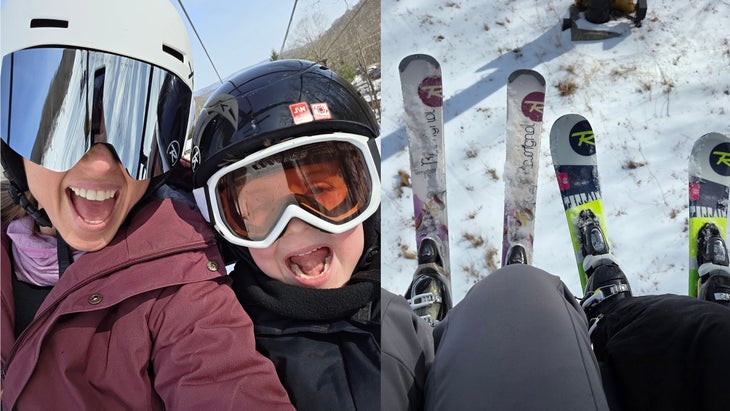
My son learned to ski when he was six years old at the Omni Homestead, where we hit the slopes only because he was too young for ziplining or axe-throwing, and it was the wrong season for kayaking. “We’ll for sure be back,” was our final statement as we checked out. Unlike the resort’s earliest visitors, I’m not typically one for returning to places I’ve been before, and yet, I found myself wholeheartedly planning a return trip for the next season, when my children would be older and we could take the waters … the new way.
The post These 7 Historic Resorts Are Now Epic Adventure Hubs appeared first on Outside Online.
