

The new budget aims to promote “visitor-facing roles,” but critics argue the cuts will gut the agency’s science and conservation capabilities.
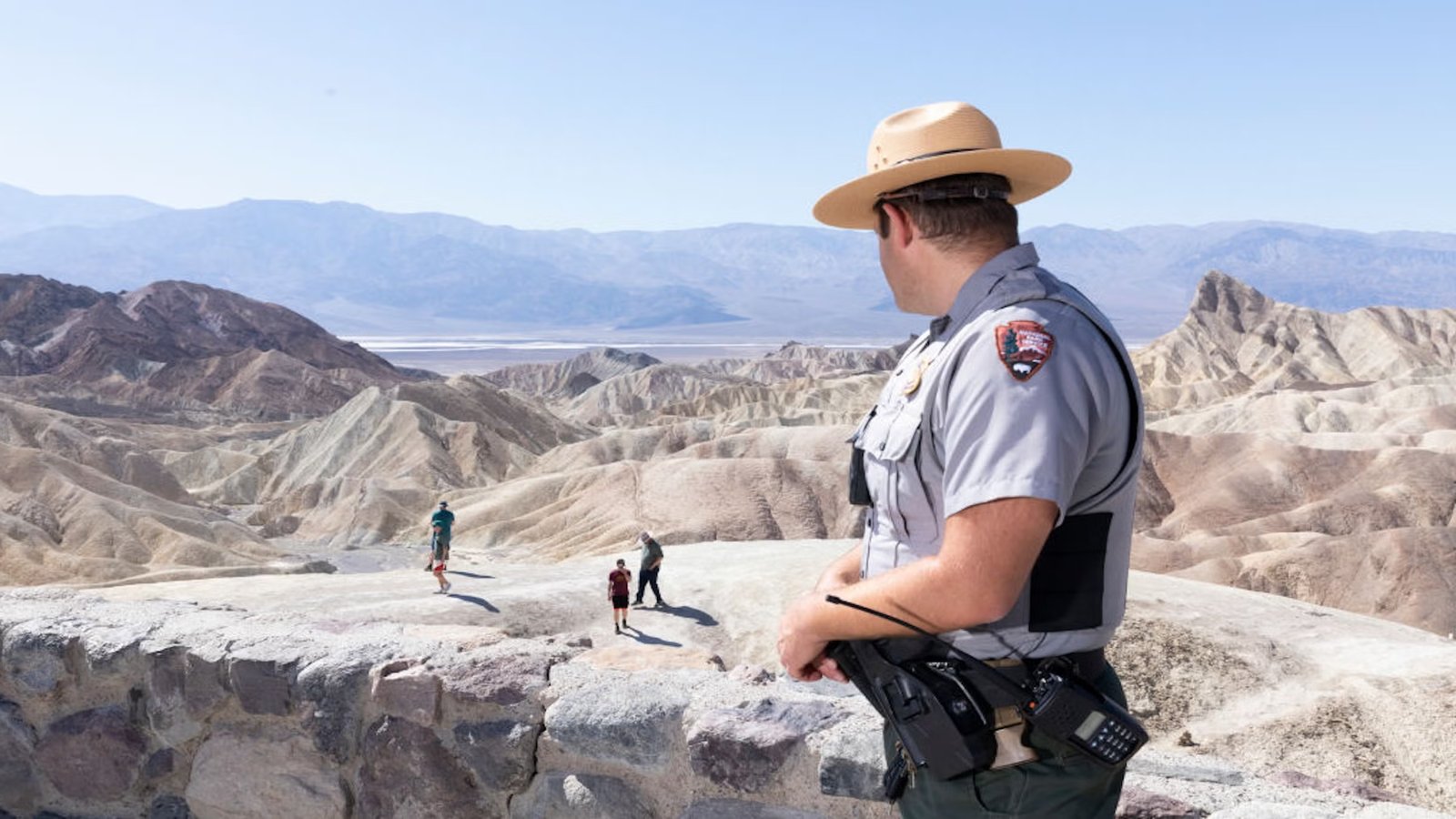
Death Valley Park Ranger Spencer Solomon performs his daily duties around Zabriskie Point on September 26, 2024 in Death Valley National Park (Photo: The Washington Post/Getty Images)
Published May 1, 2026 03:12PM
The debate over the Trump administration’s budget for national parks is heating up, and thousands of federal public lands jobs are hanging in the balance.
The proposed 2027 budget for the Department of the Interior (DOI)—the federal agency that manages the majority of American public lands and employs roughly 70,000 people—will slash nearly a third of the annual budget for the National Park Service (NPS). The proposal would reduce the NPS operating budget from $3.2 billion to $2.2 billion, putting thousands of the agency’s employees at risk, according to the proposal, in an effort to streamline “burdensome administrative processes.”
In an April 29 hearing on Capitol Hill, Sen. Martin Heinrich of New Mexico, ranking Democrat on the Energy and Natural Resources Committee, blasted the Trump administration about the proposed cuts.
“This budget request makes clear this administration is not committed to keeping the Park Service intact,” Heinrich said. “This budget would decimate the management of our national parks and monuments.”
Heinrich wasn’t done.
“What this budget proposal tells me is that this administration does not prioritize our national parks, our public lands; does not care about remembering and telling our nation’s history; does not value our wildlife; and does not prioritize our Tribal communities,” he added.
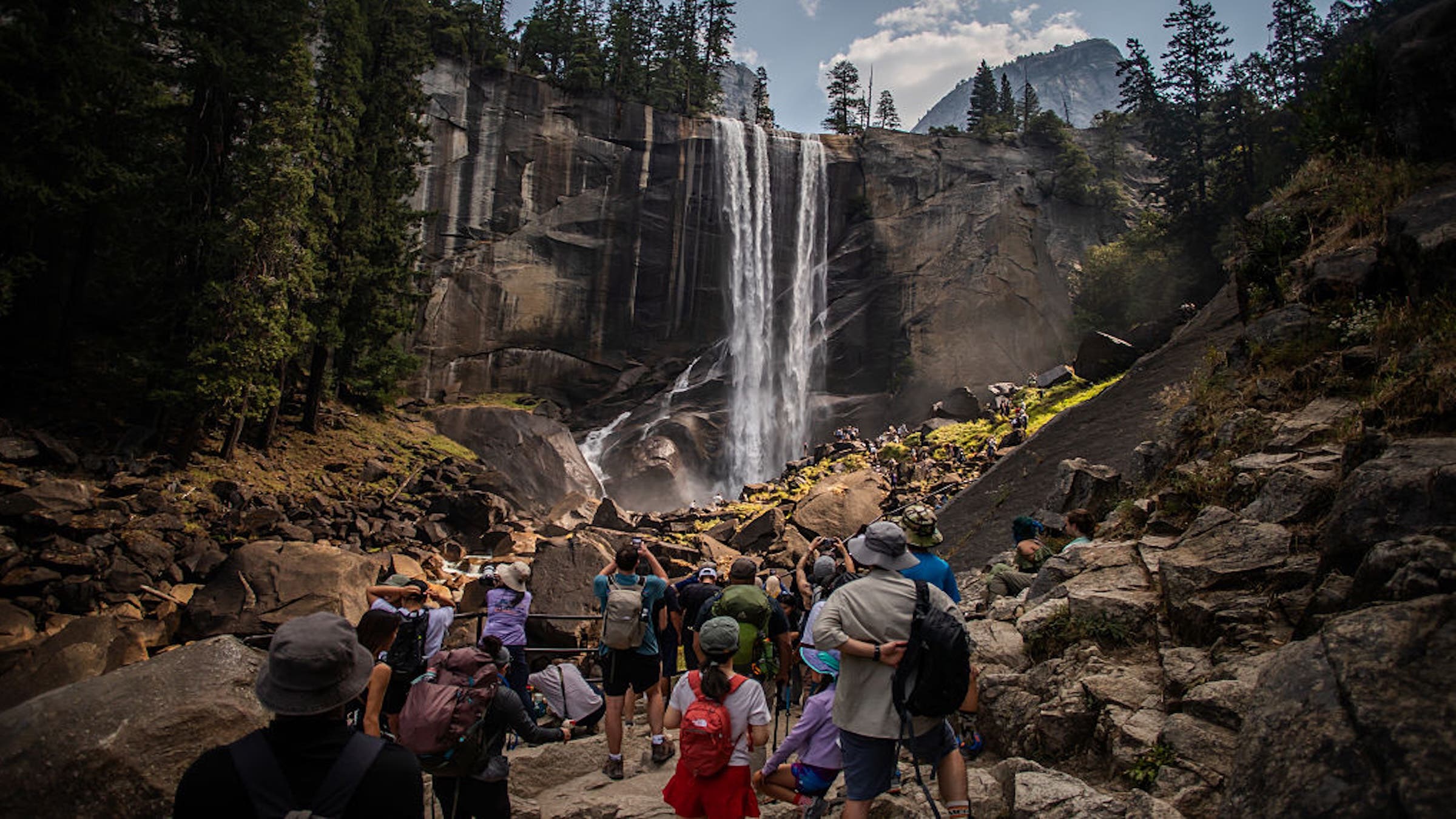
The proposed plan would bring the NPS workforce down from 16,000 to roughly 13,000. While the cuts are focused on back-office support, not on-site jobs like park rangers, opponents of the budget argue it could have a crippling trickle-down effect. That means there could be unmanaged overcrowding in Yosemite, frozen permitting systems in the Grand Canyon, and less scientific research to ease human-wildlife conflict in Yellowstone. At a time when 26 parks saw their highest visitation on record, these cuts could lead to large crowds and thinly stretched NPS crews.
Outside contacted the DOI, NPS, and the Office of Management and Budget, the agency responsible for drafting the budget, for comment, but did not hear back in time for publication.
Although the DOI said its budget proposal wouldn’t target NPS staff working inside the parks, Heinrich argued the loss of park regional supporting roles would cripple the NPS.
“It doesn’t matter whether a particular wildlife biologist or archaeologist or botanist or historian works at one specific park or supports multiple parks from a regional office,” Heinrich said. “Eliminating those positions means our national parks will go without the science-based management and conservation they need, and that the American people have frankly come to expect.”
In his opening remarks defending the proposal, Secretary of the Interior Doug Burgum argued that the budget “reflects President Trump’s priorities to pursue American energy dominance, deliver services more efficiently, uphold law and order, and make federal land safe and accessible for all Americans.” Burgum said the budget focused on “unification, not consolidation.”
“We are unifying without cutting corners,” he added. “We’re unifying to improve efficiency.”
In February 2025, the Trump administration began laying off roughly 5,000 public lands employees, including 1,000 NPS workers, and 4,000 other employees of the Bureau of Land Management and the U.S. Forest Service. The budget proposal for fiscal year 2027, if passed, would result in an additional 2,920 full-time positions being cut from NPS.
On April 2, the DOI sent out a memo announcing a plan to realign the NPS workforce, placing more employees in “visitor-facing roles.” The realignment plan also offered both deferred resignations and voluntary early retirement opportunities.
Congress will continue to debate the fiscal year 2027 budget proposal, including the DOI budget, throughout the summer and will likely vote on a final version by the fall, before the 2027 fiscal year begins on October 1. If Congress does not agree on a budget by then, the legislature will need to pass a continuing resolution to fund the government, or the federal government will shut down again.
