

Published May 2, 2026 05:30AM
Packing for a national park trip usually follows a predictable checklist: hiking boots, water bottle, snacks, maybe a board game for you and your buddies to argue about around the campfire. But depending on which park boundary you cross, some pieces of backcountry gear can become federal contraband.
The National Park Service (NPS) maintains a large, nuanced, and sometimes heavily debated list of prohibited items that can vary from park to park. Because national parks are federal land, violating these regulations is usually classified as a misdemeanor. Most minor infractions end with a citation and a fine of a couple of hundred dollars, but violators could face up to $5,000 in fines, six months in prison, or both.
From essential safety gear to seemingly harmless campsite luxuries, here are ten common items that could earn you either a hefty fine or a swift escort out of the park.
A quick disclaimer: Not every one of these items is banned from all parks. Each national park site is different. Before you visit, check out the respective site’s “Plan Your Visit” webpage for more information.
1. Bear Spray
Depending on which national park you’re standing in, a can of bear spray could be either an essential piece of safety equipment or illegal contraband. If you’re visiting a national park in grizzly country, like Yellowstone, Glacier, or Grand Teton, rangers ask that you carry bear spray in the backcountry. But in other national parks, like Yosemite, Sequoia, and Kings Canyon, that same canister of bear spray is an illegal weapon.
Why the Ban
The logic behind this rule comes down to differences among bear species. California’s Sierra Nevada mountains are home exclusively to black bears, which are more pest than predator. They’re generally skittish and easily deterred by yelling, waving your arms, or clapping. (Japanese black bears, on the other hand, are an entirely different story.) The grizzly bears encountered in Wyoming and Montana are much more aggressive and often require the heavy-duty chemical deterrence of pepper spray.
2. Weapons
Carrying a firearm inside a national park site is generally legal, as long as the gun owner complies with federal, state, and local laws. You just can’t carry firearms into federal facilities, such as gift shops or visitor centers.
Why the Ban
Firearm possession in national parks is protected by a 2010 federal law. However, that legislation did not extend to other types of weaponry. So, ninja stars, swords, crossbows, and nunchucks must all be left behind.
Other Surprising Items Banned from Some National Sites
- Flare guns, tasers, and stun guns
- Bows, crossbows, and spear guns
- Firecrackers, blasting caps, dynamite, and hand grenades
- Throwing stars and brass knuckles
- Billy clubs, blackjacks, and nightsticks
- BB guns, compressed air guns, and pellet guns
- Handcuffs and handcuff keys
- Explosives, fireworks, and grenades
3. Outside Firewood
Firewood itself isn’t banned from national parks, but any wood from outside of park boundaries is usually banned. Most parks have a strict “buy it where you burn it” policy, prohibiting the use of wood brought from more than ten to 50 miles away.
Why the Ban
Invasive insects, such as the emerald ash borer and the Asian longhorned beetle, can hitchhike on transported firewood and decimate forest ecosystems that lack natural defenses against them.
4. Drones
The NPS issued a system-wide blanket ban on unmanned aircraft in 2014, and it remains in place today. While some parks allow visitors to fly drones in highly specific scenarios, you must apply for a special use permit beforehand.
Why the Ban
The ban was enacted following a string of high-profile incidents, including one drone crashing into a Yellowstone hot spring and another harassing bighorn sheep in Zion. The NPS listed several critical reasons for the restriction, including noise pollution, visitor safety, severe stress to wildlife, and the potential for civilian drones to interfere with aerial emergency operations.
5. Hammocks
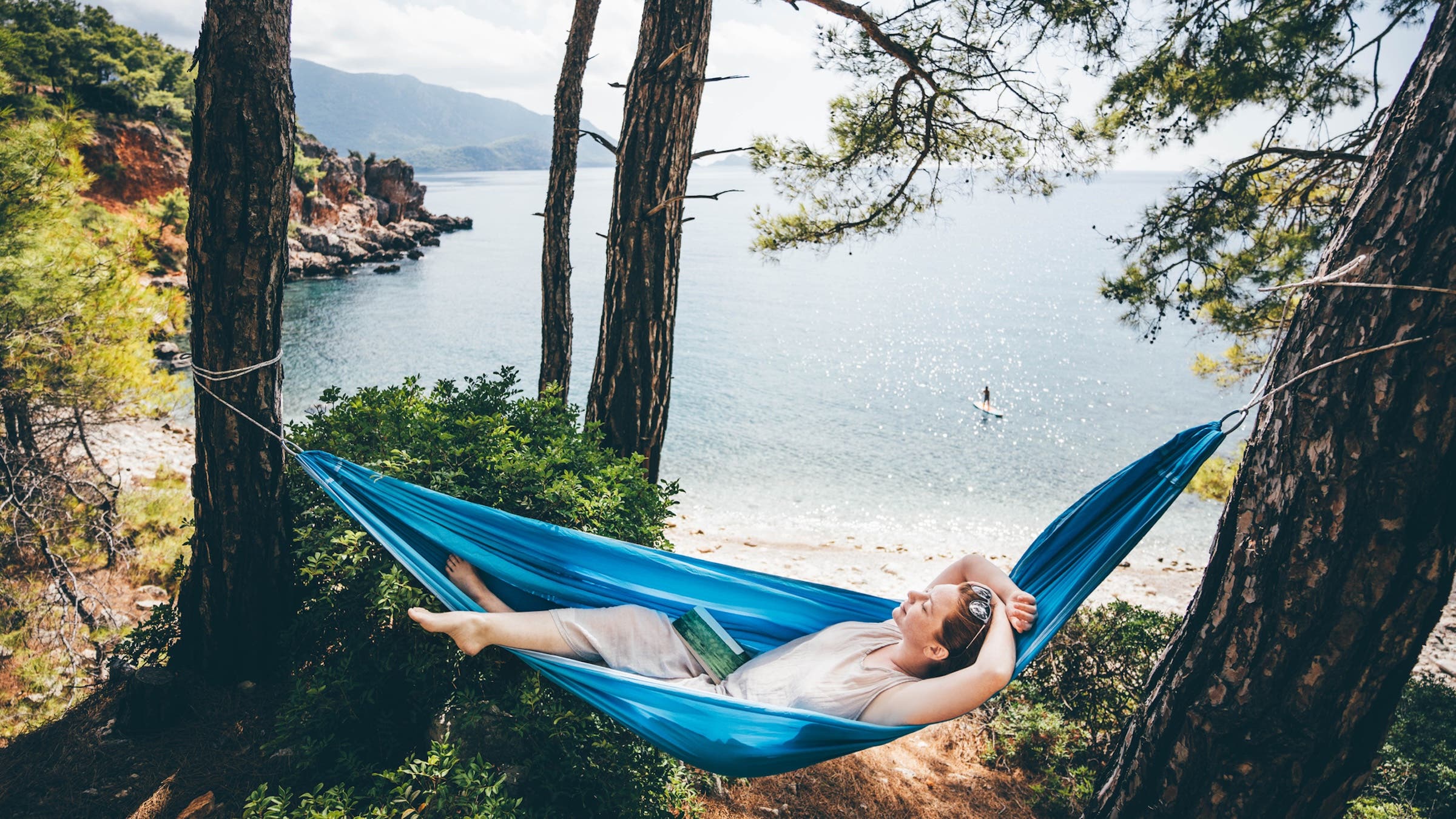
Stringing up a hammock between two trees might seem like a low-impact way to relax in the woods, but many national parks have implemented strict rules on where and how you can hang hammocks. Other parks, like Zion and Bryce Canyon, have banned hammocks from the backcountry entirely.
Why the Ban
If hung improperly, hammock straps and ropes can strip bark from trees and other vegetation, cutting off their water and nutrient supply and leaving them vulnerable to pests, fungi, and bacterial infections. If hung from trees that are too small, hammocks can also bend or snap a tree entirely.
6. Marijuana
People can legally purchase and consume marijuana in states like California, Colorado, and Washington. However, the substance is illegal on federally managed land, including national parks found in those respective states, such as Yosemite, the Rocky Mountains, and Mount Rainier.
Why the Ban
Because marijuana remains classified as a drug under federal law, possessing it inside a national park is a federal misdemeanor. Park rangers aren’t required to acknowledge a state-issued medical card or that the marijuana was bought legally at a nearby dispensary. If they find it, visitors may be subject to citations, confiscation, and a mandatory court appearance.
Other Items Banned from Some National Sites
- Aerosol sprays and compressed gases
- Chlorine, liquid bleach, turpentine, and paint thinner
- Flammable liquids like fuels, gasoline, and lighter fluid
- Unidentified powdered substances, liquid soaps, and bubbles
- Open alcohol containers
7. E-Bikes on Singletrack
The NPS recently relaxed its policies to allow e-bikes on paved and dirt roads, but the types of e-bikes allowed and where they can be ridden vary widely from park to park. Also, even in parks where e-bikes are allowed, all e-bikes, even gravel or mountain-bike-style models, are banned on singletrack trails and off-road.
Why the Ban
The rules surrounding e-bikes have led to massive confusion and heated debate. Some argue that the heavy frames and motorized torque of an e-bike can accelerate trail erosion, and the extra speed they allow can lead to accidents on tight, multi-use trails.
8. Dogs in the Backcountry
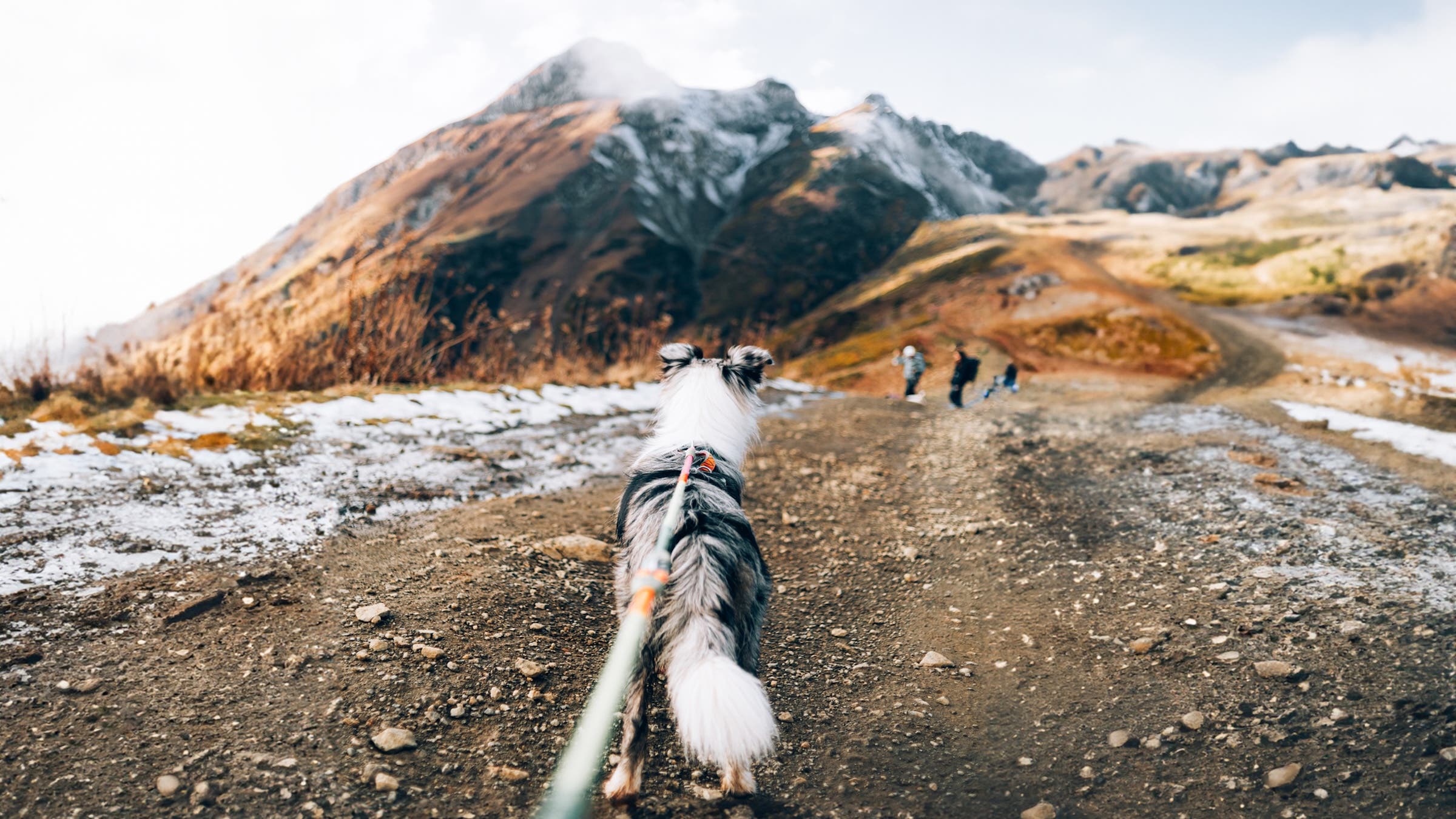
While pets are welcome in developed national park areas, like paved scenic overlooks, campgrounds, and parking lots, they’re almost universally banned from hiking trails, beaches, and the backcountry. There are exceptions, like Acadia National Park, which allows dogs on most trails.
Why the Ban
The NPS enforces this rule to protect both the local wildlife and your pet. Even the best-behaved dog leaves behind predator scent markers that can disrupt local wildlife behavior, and a dog can also trigger aggressive, defensive responses from large animals like moose, bears, or mountain lions, putting both the owner and the dog in danger.
9. Geocaches
Geocaching, a global outdoor treasure hunt in which participants use GPS coordinates to hide and find small containers, is a popular hobby, but the NPS has a strict “no physical caches” policy. Visitors can still geocache inside a national park, but only by EarthCaching. In this virtual version of the game, the cache is a unique natural feature, such as a rock arch or hoodoo, that the hunter simply observes without leaving anything behind.
Why the Ban
The ban exists because traditional geocaching inherently violates the NPS’ Leave No Trace Seven Principles. In some instances, geocaching may cause a person to travel off-trail, trample fragile vegetation, disturb soils, and literally “leave” something behind.
10. Balloons
Most parks, particularly those with marine or fragile desert environments such as the Everglades in Florida or California’s Death Valley, strictly prohibit the possession of inflated balloons.
Why the Ban
Helium balloons are notorious for escaping, and when they eventually deflate and fall back to earth, they become trash and a hazard to wildlife. Sea turtles, birds, and desert tortoises frequently mistake the brightly colored, shredded latex or mylar for food, which can cause fatal digestive blockages. Water balloons are also banned in most areas because the tiny, fragmented pieces of latex they leave behind are nearly impossible to fully clean up.
Other Sporting Gear Sometimes Banned at NPS Sites
- Work tools like axes, drills, hammers, screwdrivers, scissors, wrenches, and saws
- Bikes, skateboards, roller skates, and scooters
- Ropes, climbing gear, and harnesses
- Golf clubs, baseball bats, ski poles, lacrosse and hockey sticks, and pool cues
Don’t Learn the Hard Way
Navigating the patchwork of NPS regulations might seem difficult, but it just comes down to doing your homework. Because rules can vary wildly between a protected desert in California and a grizzly habitat in Montana, never assume your standard backcountry packing list applies everywhere.
Before you load up the car, always check the “Plan Your Visit” section of your specific park’s website. It takes five minutes, and it might just save you a massive headache at the entrance gate.
For more information on what items are allowed at which national parks, check out the following NPS resources:
