

From Black beach resorts built during segregation to Indigenous stewardship, food sovereignty, and overlooked explorers, our summer 2026 issue examines the people reclaiming space in America’s outdoors—and the communities working to make the circle wider.
(Photo: Emiliano Granado)
Published May 18, 2026 09:57AM
The best description of hell I’ve ever heard came from José Andrés.
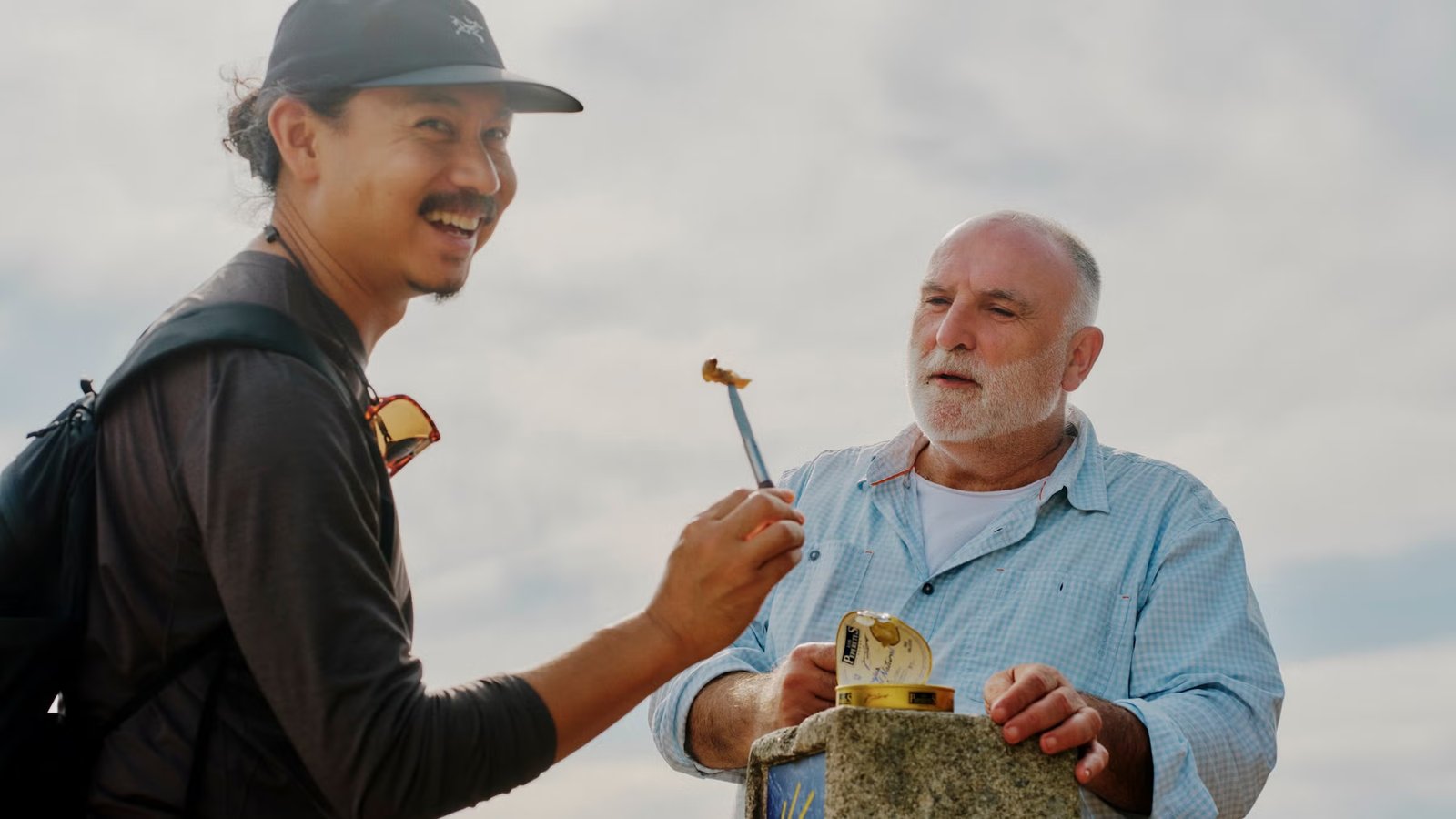
We were talking about trail snacks. He had packed navajas, razor clams hand-harvested on Spain’s Atlantic Coast (what I’m eating from his pocketknife in the photo above). But for this stretch of the Camino de Santiago, he considered the Galician empanada to be the perfect food. Flat, baked, stuffed with tuna or cod. A portable feast. “You put it in the bag, boom,” he said. “Great for travelers.”
Then he told me about the cathedral.
Somewhere in a church in Santiago de Compostela, he said, there is a carving depicting hell. And hell, in this particular rendering, is not fire and brimstone. Hell is a man hanging upside down by his feet, hands bound behind his back, while other people offer him empanadas. He cannot eat them.
The problem isn’t necessarily hunger. The problem is that the man is cut off from the act of somebody making something and passing it to somebody else. Hell is being outside the circle.
I was walking the Camino with José and his wife, Patricia, who were celebrating their 30th anniversary the way they’ve celebrated the last several: on foot. José—the chef and humanitarian whose World Central Kitchen has served more than 500 million meals in disaster zones around the world—is our cover story this issue. And if you spend any real time with him, you notice that he is, relentlessly, a man handing things to other people. Making sure there is a circle, and that nobody stands outside it.
That’s the thread running through this issue: who’s been left out, and who’s working to make sure they’re welcomed. In our America’s Next 250 package, which celebrates the people and ideas making this country’s outdoor experiences brighter, Gloria Liu reports on the Black entrepreneurs who built resorts like the original Ebony Beach Club under Jim Crow—beaches their communities were legally barred from—and the surfers and organizers picking that work back up today. Sheeka Sanahori tells the story of Ocmulgee Mounds in Georgia, an ancient Muscogee capital city that could become America’s 64th national park, co-stewarded with the nation that was forcibly removed from it two centuries ago. Martha Cheng’s dispatch from Hawai‘i follows the farmers and fishpond keepers rebuilding a food system on an island that imports 90 percent of what it eats. And Mike Bezemek’s detective story about Moncacht-Apé, the Yazoo explorer who crossed the continent a century before Lewis and Clark, is really about helping history catch up to a man it shut out.
The thing about that image of hell is that it’s not really about the man hanging upside down; he’s not the message. The message is for everyone else—the ones with free hands. The question is whether you’ll notice. Whether you’ll do something about it. Look around your trail, your beach, your park, your table. See who’s been left out. And pass the empanada.
See you out there.
Kevin Sintumuang
Editorial Director
Scout Report
Jeep Anvil 715 Concept
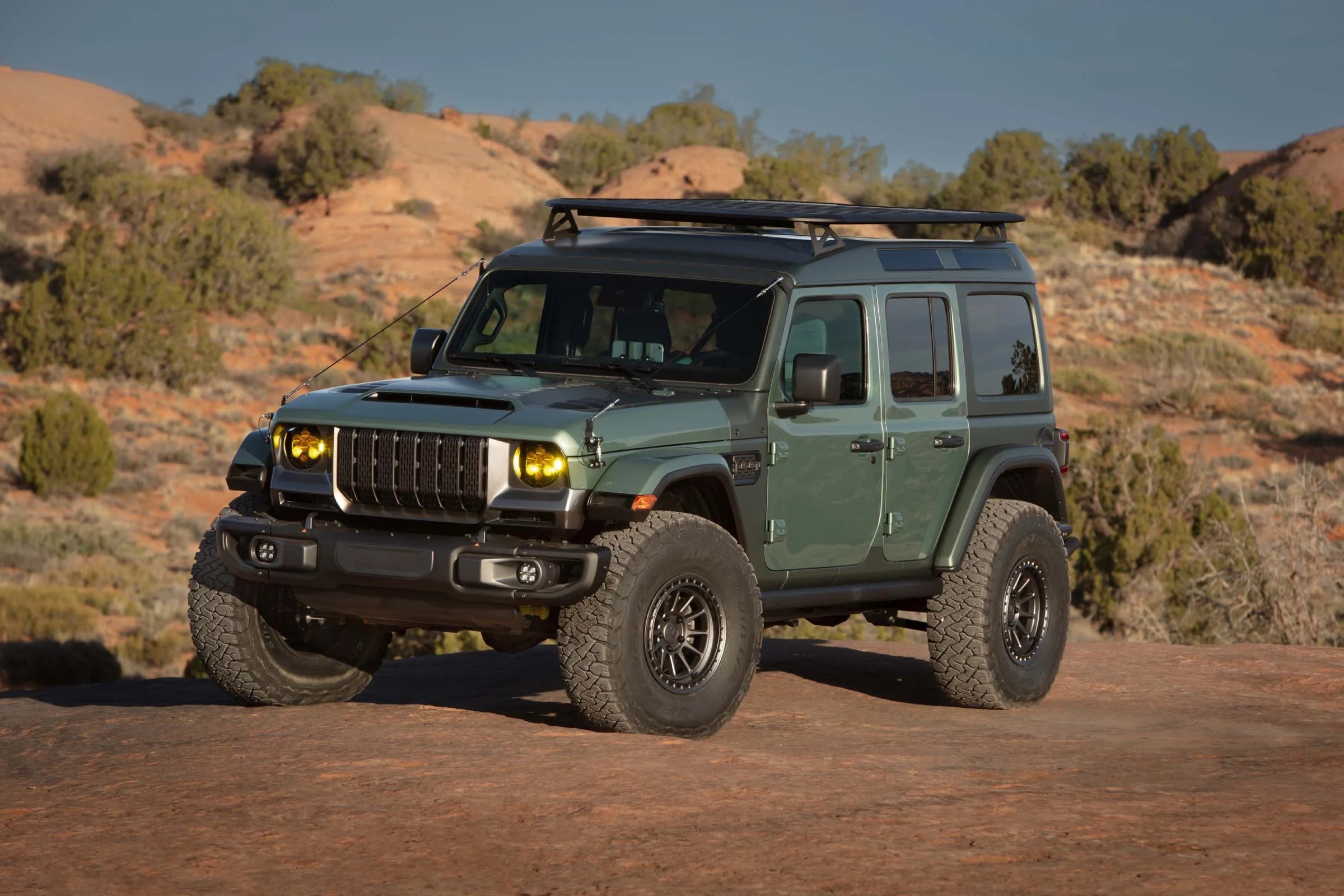
After crawling up a slickrock shelf outside Moab in the Anvil 715 concept during Easter Jeep Safari, I’d love to see its best features on a production Wrangler, please: a boxy retro face inspired by Jeep’s 1960s military trucks; a rich, dark green paint job; a raised roof and added skylights for big-sky views on long trips. And underneath, a thundering 470-horsepower V-8 and massive 37-inch tires that mean it can climb some steep inclines when it’s simply idling.
New Balance 1080v15
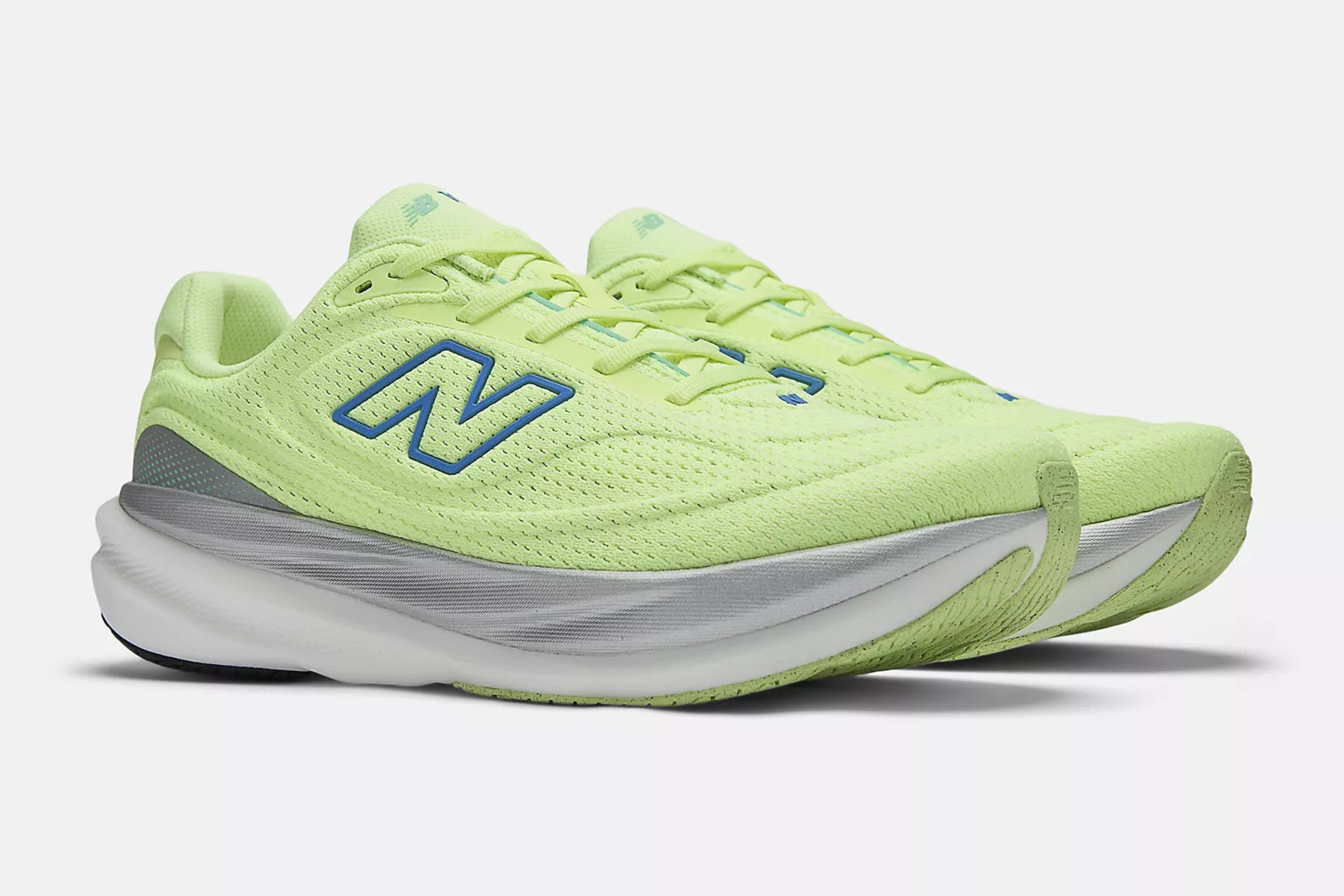
The 1080 has always been New Balance’s daily trainer: reliable, but perhaps a bit normcore. The v15 finally shakes it up. A nitrogen-infused supercritical foam shaves around an ounce while injecting some much-needed pop. I logged most of my London Marathon buildup in these, and they were springy enough to make tempo days feel fun and cushioned enough to save my legs on 20-milers.
This article is from the Summer 2026 issue of Outside magazine. To receive the print magazine, become an Outside+ member here.
