

Published May 21, 2026 03:00AM
Key Takeaways: Getting outside may be the antidote to poor body image, according to a recent study published in May 2026. The lead researchers say that spending time in nature can boost feelings of restoration and self-compassion, which can, in turn, make people less likely to pursue unhealthy societal body standards and redirect their attention to how their bodies function in the world.
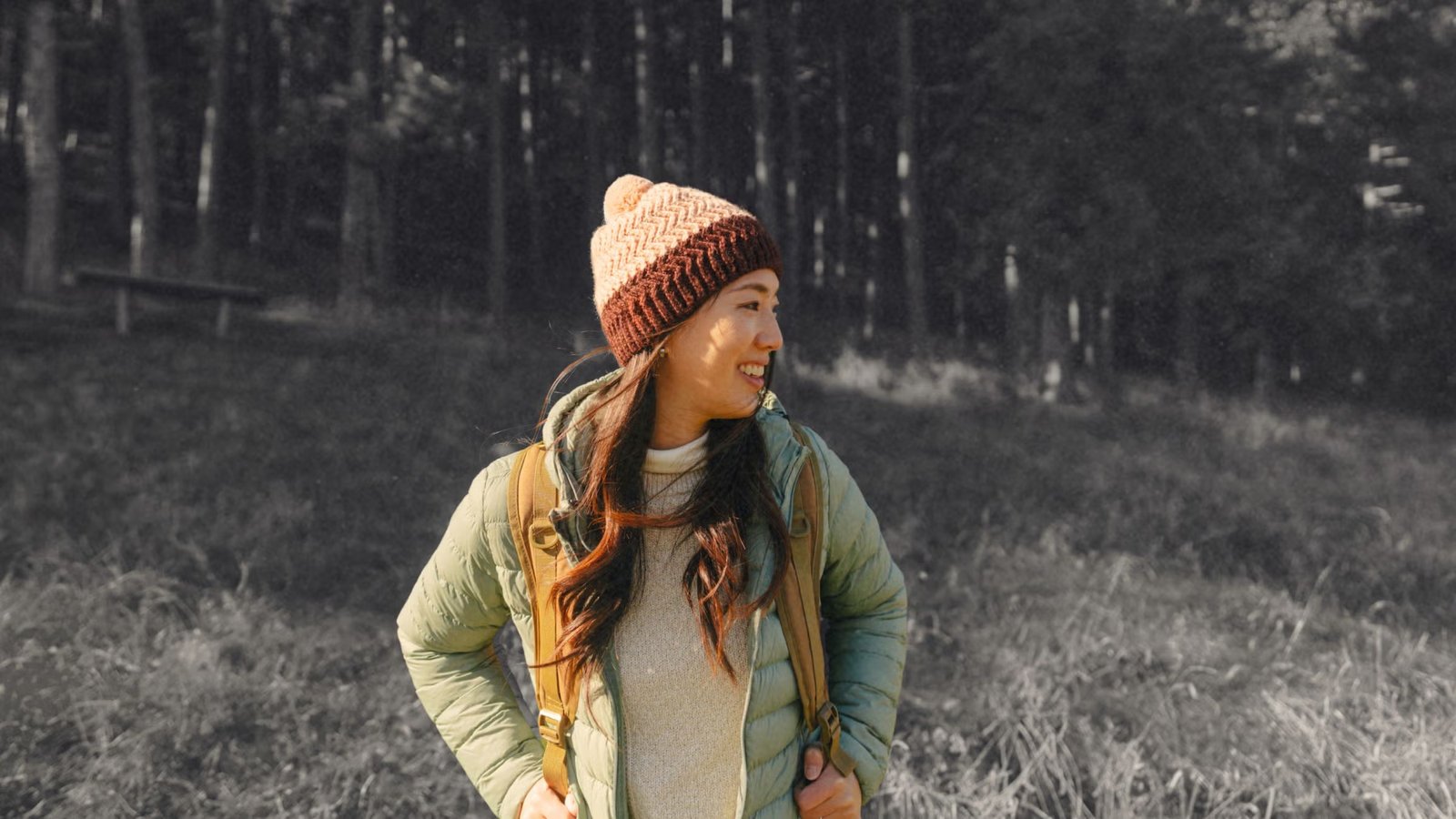
In an era dominated by the rise of GLP-1 medications, viral internet trends like “looksmaxxing” (taking extreme measures to be the most attractive version of yourself), and the general sense that every inch of our appearance is up for scrutiny, it can feel harder than ever to escape the pressure to fixate on how we look. But a recent study published in the journal Environmental International suggests that one simple, low-effort habit may improve your life satisfaction and buffer against toxic body ideals: spending time outdoors.
To be clear, stepping outside won’t suddenly cure deep-rooted insecurities. But in the largest survey on this topic, the researchers analyzed self-reported habits of more than 50,000 people aged 18 to 99 from 58 countries. They examined how participants’ time outdoors correlated with their life satisfaction and confidence. Despite vast differences in age, location, and gender, the data revealed that connecting with nature was linked to a positive body image.
How Does Being Outside Improve Body Image?
“Positive body image is when we begin to think of the body not in terms of what it looks like, but in terms of how it functions, how it helps us navigate from place to place, and all the wonderful things it does for us in our everyday life,” Viren Swami, a psychology researcher and lead author of the study, tells Outside. He says that being in contact with nature can help people develop a better body image.
“Our experimental work has shown that even just a short 30-minute walk in nature can promote improvements in the positive body image in the immediate term,” he says.
The mental reset that improves feelings about the body, according to the study, occurs through two psychological pathways. The first is by fostering self-compassion, which had a strong, positive association with improved self-image. The second focused on what researchers call “perceived restoration” after spending time outdoors. Restoration in this case means feeling more mentally recharged, energized, and confident. Nature also provides distance from background distractions such as traffic, crowds, notifications, and social media, all of which are associated with stress.
Feeling more positive and confident about oneself may help build healthier coping skills to protect us from the emotional impact of weight-related stigma or negative comments made about our bodies. It might also help people perceive threats to body image as less destabilizing. And perhaps now more than ever, that mental armor is exactly what we need.
“We’re surrounded by all these messages that a [certain] look is beautiful, and so we engage in a process where we compare ourselves to these [societal] standards. Those standards are artificial,” says Elizabeth Daniels, a psychologist and director of the Center for Appearance Research at the University of the West of England. Access to weight-loss medications amplifies the perception that we have control over how we look, Daniels says. However, genetics and environmental stressors also influence your weight.
Of course, there are some caveats with this study. First, the study shows correlation, not causation, meaning we don’t exactly know how or why nature influences body image. Secondly, the data relied on subjective measures of “nature exposure” that didn’t distinguish between, say, casually passing trees outside your apartment and intentionally unplugging for an hours-long hike. It’s also worth noting that survey responses were collected during the height of the COVID-19 pandemic, when lockdowns, isolation, and changing access to public spaces likely influenced people’s mental health and lifestyles.
Still, the findings align with a growing body of research suggesting that the great outdoors can meaningfully support our well-being—and, in turn, how we feel about ourselves.
How to Maximize Your Time Outside to Feel More Confident
While nature alone won’t silence society’s longstanding pressure to look a certain way, there’s little downside to carving out intentional moments to step outside. The experts interviewed for this article suggest a few small shifts to maximize these confidence-boosting benefits.
1. Build Outdoor Time Into Your Schedule
Not everyone has the time to log daily walks, nor the access to sweeping, gorgeous views, Swami says. “My individual advice is to avoid thinking about ‘nature contact’ in terms of time limits or exposure, because what all the evidence suggests is that if you place rules on outdoor time—like saying people must spend 30 minutes outside every day—and you fail to do them, the negative impact is much more detrimental than any positive impact.”
Instead, he recommends spending as much time as you personally can (or want) in nature. For one person, that may look like eating lunch on a bench instead of at a desk. Someone else may choose to simply look out the window during their commute home.
However you choose to customize your experience, the point is that seamlessly fitting the outdoors into your routine will relieve pressure and stress, freeing your mind to actively focus on and appreciate how your body functions.
2. Resist the Urge to Check Your Phone
Completely abandoning your phone before leaving the house isn’t always safe or realistic, but you don’t need a full digital detox to feel at peace. Instead, put your phone in Do Not Disturb mode or, at the very least, keep your device out of sight to block the constant influx of curated influencer photos that may trigger toxic comparisons about appearance.
“Don’t listen to podcasts or music either,” Daniels adds. “Really try to be present to the birds chirping, the sun shining, and enjoy that quiet time in nature.”
3. Give Your Brain a Visual Distraction
When you’re having a bad body image day, it can feel nearly impossible to get out of your own head and break the cycle of self-criticism. That’s why disrupting that mental spiral is so important—and one way to do that is anchoring yourself in the physical reality happening in front of you.
“We’ve all heard about deeply listening, but take time to deeply look,” says Cynthia Bulik, a researcher who studies eating disorders. That can include taking ten uninterrupted minutes to appreciate how a flower moves in the wind or tracking an oddly shaped cloud across the sky. “Allow yourself to experience marvel,” Bulik says, which is something children do all the time. Adults tend to lose this skill when we get too busy and overwhelmed with life, she says.
Even with these intentional adjustments, however, “appearance pressures aren’t really going away,” Daniels says. “There will always be a new trend, a new message about what we should look like or what product to use.”
This is why finding even small ways to anchor our mental health, like frolicking outdoors or watching the sunset, is especially important.
Want more Outside health stories? Sign up for the Bodywork newsletter.
