

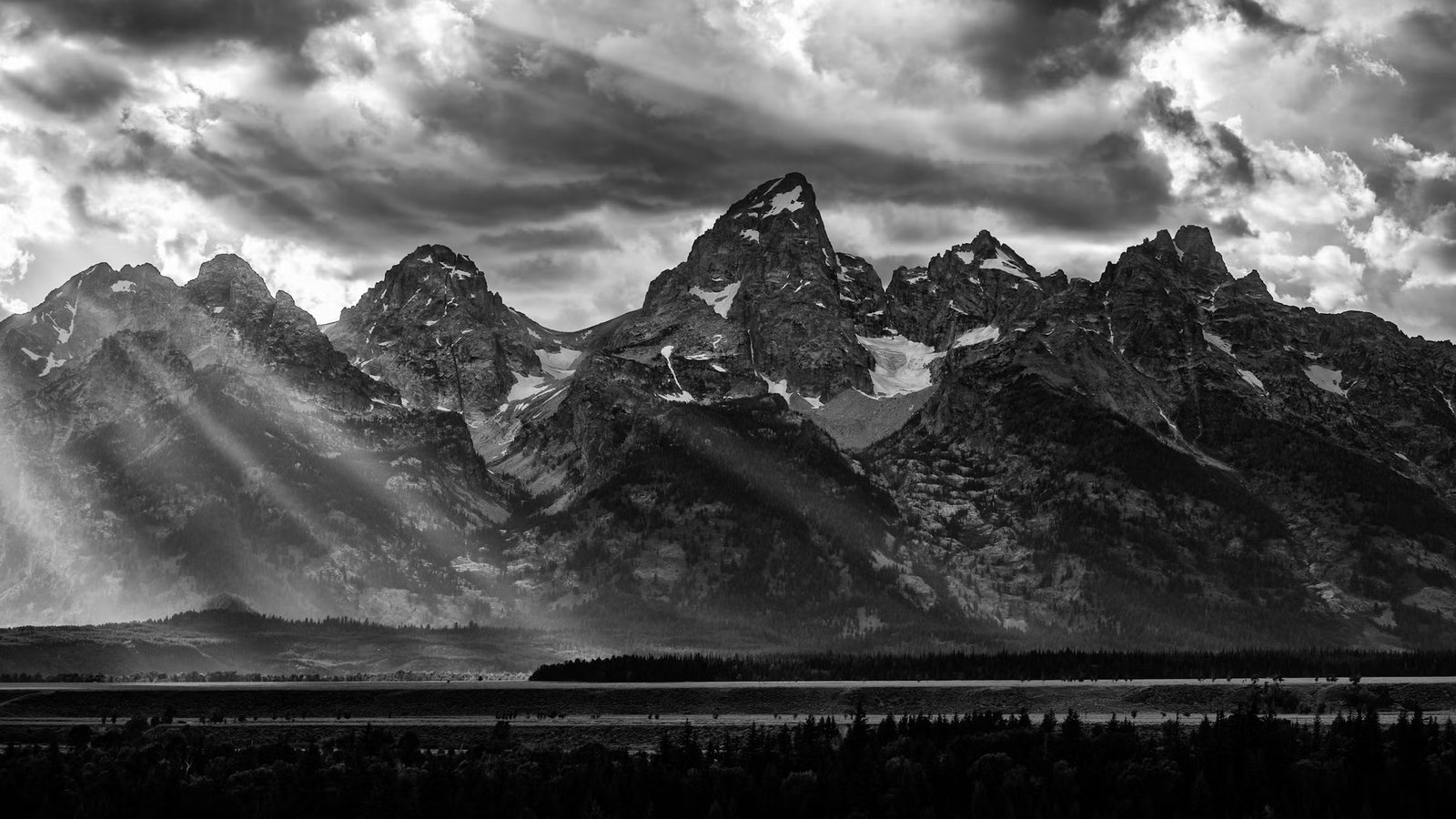
William Standish, 28, went missing along the rugged Wigwam Traverse—a high-altitude, off-trail alternate route along the Grand Teton boundary.
Evidence suggests that William Standish may have fallen from a steep, high-altitude ridgeline that separates Grand Teton National Park and the Jedediah Smith Wilderness (Photo: Esteban Toro/Getty Images)
Published July 30, 2026 10:33AM
On July 29, officials recovered the body of a hiker who had been reported missing for nearly a week on the remote trail system between Yellowstone and Grand Teton National Parks.
William Standish, 28, was attempting a thru-hike of the Continental Divide Trail (CDT), heading southbound from Canada, when he is believed to have fallen, the Teton County Coroner’s Office confirmed to Outside. According to the Teton County Search and Rescue (TCSAR), Standish’s family reported him missing on July 27, and authorities spotted and recovered his body two days later. The cause and manner of his death is still pending, the coroner told Outside.
“Evidence suggests that he may have fallen from a steep, high-altitude ridgeline that separates Grand Teton National Park and the Jedediah Smith Wilderness,” TCSAR wrote in a statement.
Standish was found near an area known as the Wigwams in the Teton Range near Teton, Wyoming. The Wigwams are a series of rugged, highly technical rocky peaks and backcountry routes along the western boundary of Grand Teton National Park and the Jedediah Smith Wilderness. The Wigwam Traverse is a steep, exposed, off-trail ridgeline that some backpackers use as an alternate route along the CDT. Elevations in the area exceed 10,800 feet, making the terrain both physically demanding and technically challenging.
A Timeline of the Incident
July 19: Standish gave an update from a location near Old Faithful, and described his planned route in the Tetons, Gros Ventre Wilderness, the Wind River Range, and Divide Basin.
July 23: Standish’s family received a Garmin check-in without coordinates or a message, as well as a video via Facebook Messenger that they believe placed him in the Tetons.
July 27: The family contacted park officials after they received no further communication.
July 29: TCSAR spotted and recovered the Standish’s body.
On July 19, Standish sent his family an update near Old Faithful in Yellowstone, describing his planned southbound route through the Tetons, Gros Ventre Wilderness, the Wind River Range, and Divide Basin.
On July 23, Standish sent his family a Garmin check-in, a pre-written status message sent from a Garmin inReach satellite device. This check-in had neither coordinates nor a message. The family said they also received a Facebook Messenger message they believe looked like the Tetons. When they didn’t hear from him, they contacted park officials on July 27.
Park officials determined that the Garmin tracking points on July 23 placed Standish near the Wigwams in, and transferred the case to TCSAR, which has jurisdiction over SAR operations outside the national parks, Grand Teton National Park told Outside.
“On the morning of July 29, TCSAR assembled a helicopter short-haul team and flew to the hiker’s last presumed point. From the air, the team spotted a bright orange backpack and soon found the subject below the ridge south of North Wigwam Peak,” TCSAR wrote. “His body was recovered and transported to TCSAR headquarters in Jackson before being transferred to the Teton County Coroner’s Office.”
Park officials confirmed the above details to Outside, writing that on July 28, Grand Teton National Park rangers assisted Teton County Search and Rescue with an investigation involving a missing hiker.
“TCSAR sends its sincere condolences to the family and friends of the deceased, and wishes to express its gratitude to the partnering federal agencies who assisted in the investigation,” TCSAR said.
